Information Release Without Consent In Queens
Description

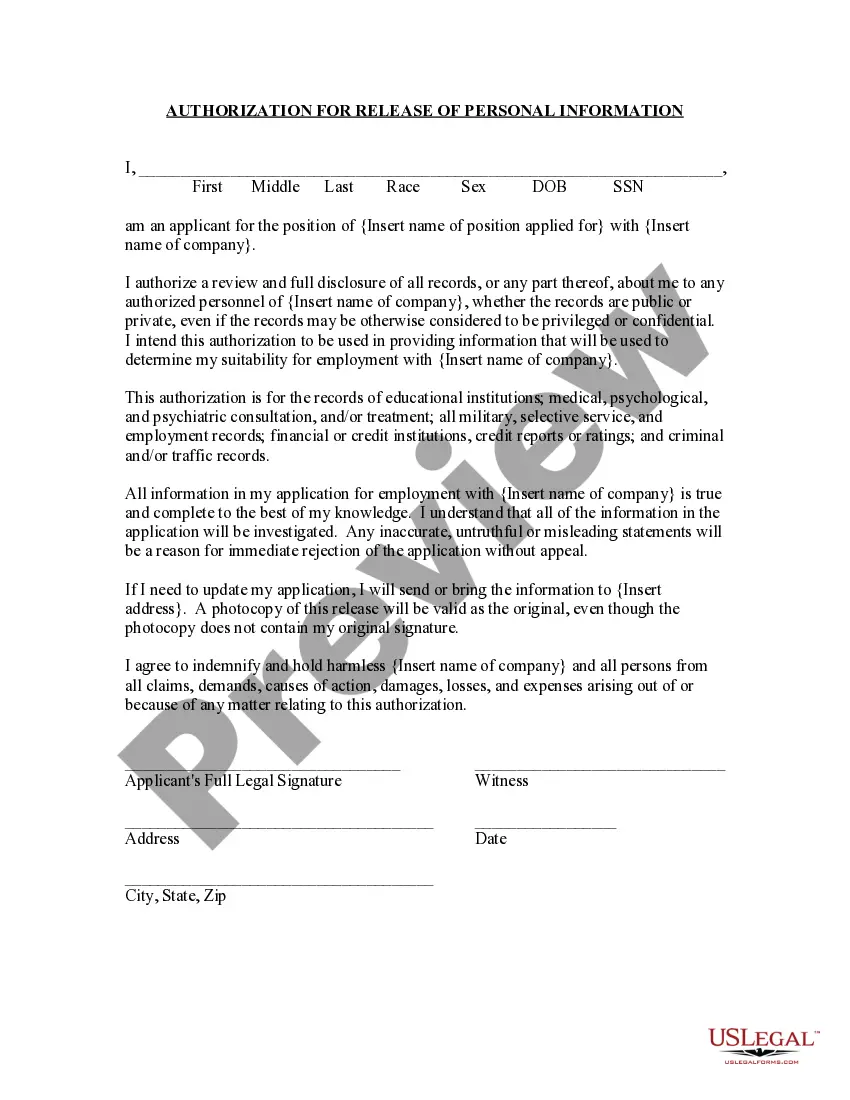
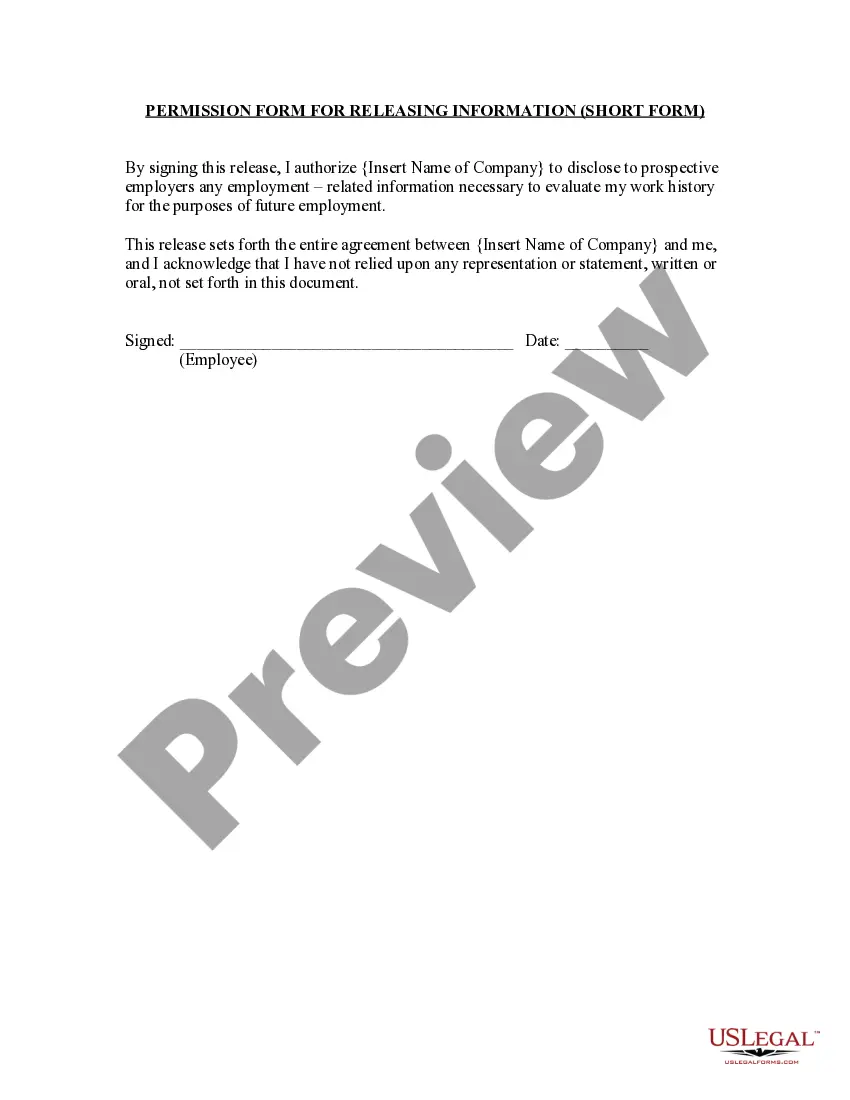
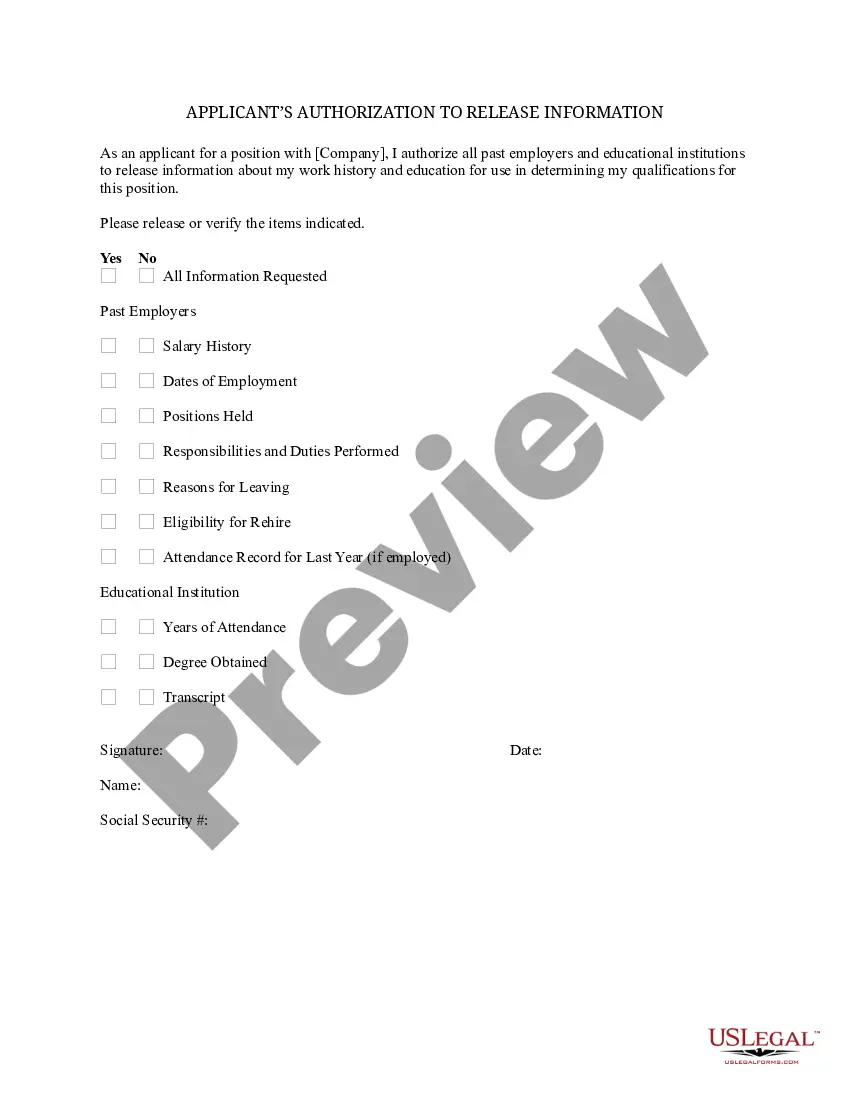
Get your form ready online
Our built-in tools help you complete, sign, share, and store your documents in one place.
Make edits, fill in missing information, and update formatting in US Legal Forms—just like you would in MS Word.
Download a copy, print it, send it by email, or mail it via USPS—whatever works best for your next step.
Sign and collect signatures with our SignNow integration. Send to multiple recipients, set reminders, and more. Go Premium to unlock E-Sign.
If this form requires notarization, complete it online through a secure video call—no need to meet a notary in person or wait for an appointment.
We protect your documents and personal data by following strict security and privacy standards.

Make edits, fill in missing information, and update formatting in US Legal Forms—just like you would in MS Word.

Download a copy, print it, send it by email, or mail it via USPS—whatever works best for your next step.

Sign and collect signatures with our SignNow integration. Send to multiple recipients, set reminders, and more. Go Premium to unlock E-Sign.

If this form requires notarization, complete it online through a secure video call—no need to meet a notary in person or wait for an appointment.

We protect your documents and personal data by following strict security and privacy standards.
Looking for another form?










Form popularity
FAQ
NYPA is a comprehensive consumer privacy law that aims to protect the privacy of the citizens of New York by empowering them to exercise greater control over their personal information and by holding businesses accountable.
Scope of the Right of Privacy NY Civil Rights Law §§ 50 & 51 apply when any person, firm or corporation uses any living person's name, portrait, picture or voice, for advertising or trade, without written consent, or if a minor of his or her parent or guardian, within the state of New York.
Both the GDPR and the NYPA require you to protect personal data in your possession. The NYPA required that you: Keep personal data "reasonably secure" from unauthorized access. Make regular audits of personal data and security practices.
New York just finished a series of adjustments to its data breach notification requirements. Effective immediately, organizations must notify impacted individuals of a data breach within 30 days of its discovery instead of “in the most expedient time possible and without unreasonable delay.”
NYPA is a comprehensive consumer privacy law that aims to protect the privacy of the citizens of New York by empowering them to exercise greater control over their personal information and by holding businesses accountable.
Protects you against disclosures of personal information without your consent, except in circumstances specified in the law; and forbids state agencies from maintaining "secret" data banks containing personal information.
New York State Education Law 2-d prohibits the unauthorized release of personally identifiable student, teacher, or administrator data (PII). It also requires Parents' Bill of Rights for Data Privacy and Security.
The law requires that the person or business notify the affected consumers after discovering a breach in the security of its computer data system that affects private information. The disclosure must be made in the most expedient time possible, consistent with legitimate needs of law enforcement agencies.
Article 6 of the New York State Public Officers Law, also known as the Freedom of Information Law (FOIL), allows members of the public to obtain records of state and local government. For more information, you can visit the New York Department of State Committee on Open Government webpage.
Anyone can request records in New York. A statement of purpose is usually not required but several New York courts have considered the requestor's motives to be relevant where the motive of the document requestor was to obtain documents relative to pending litigation.