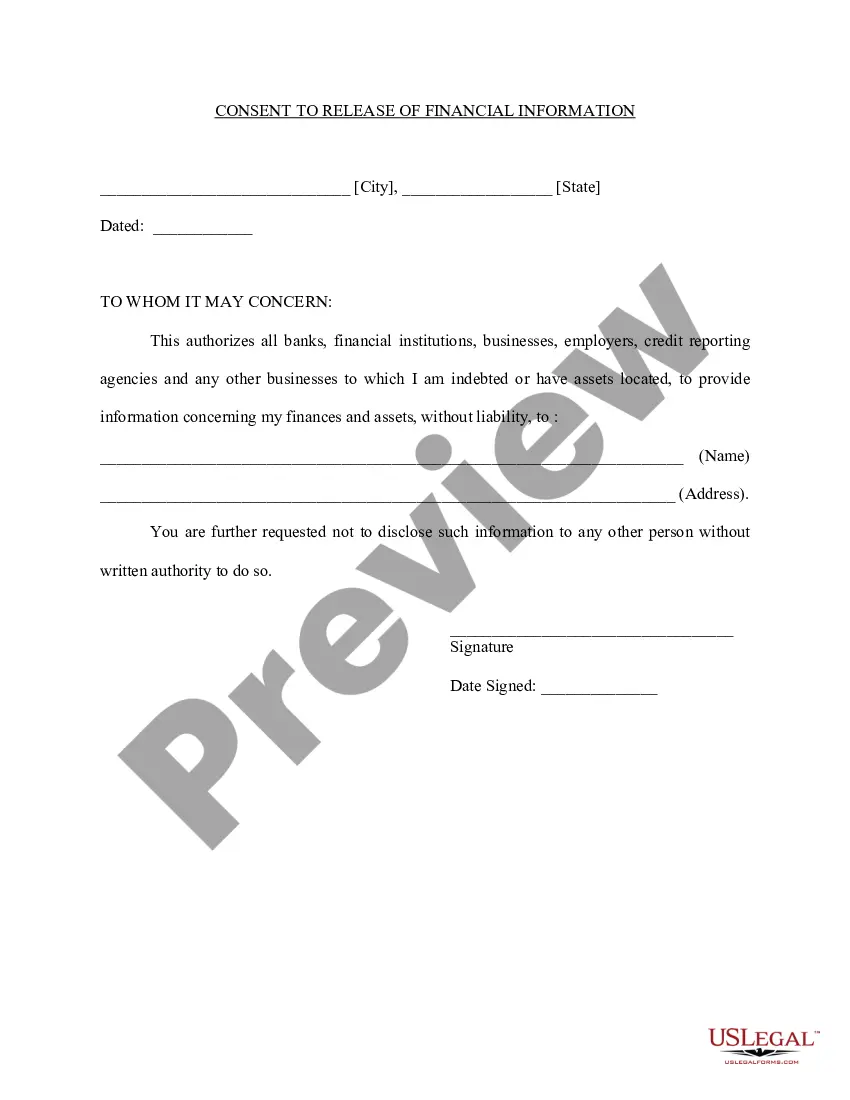
Release Records Without Consent In Houston
Description

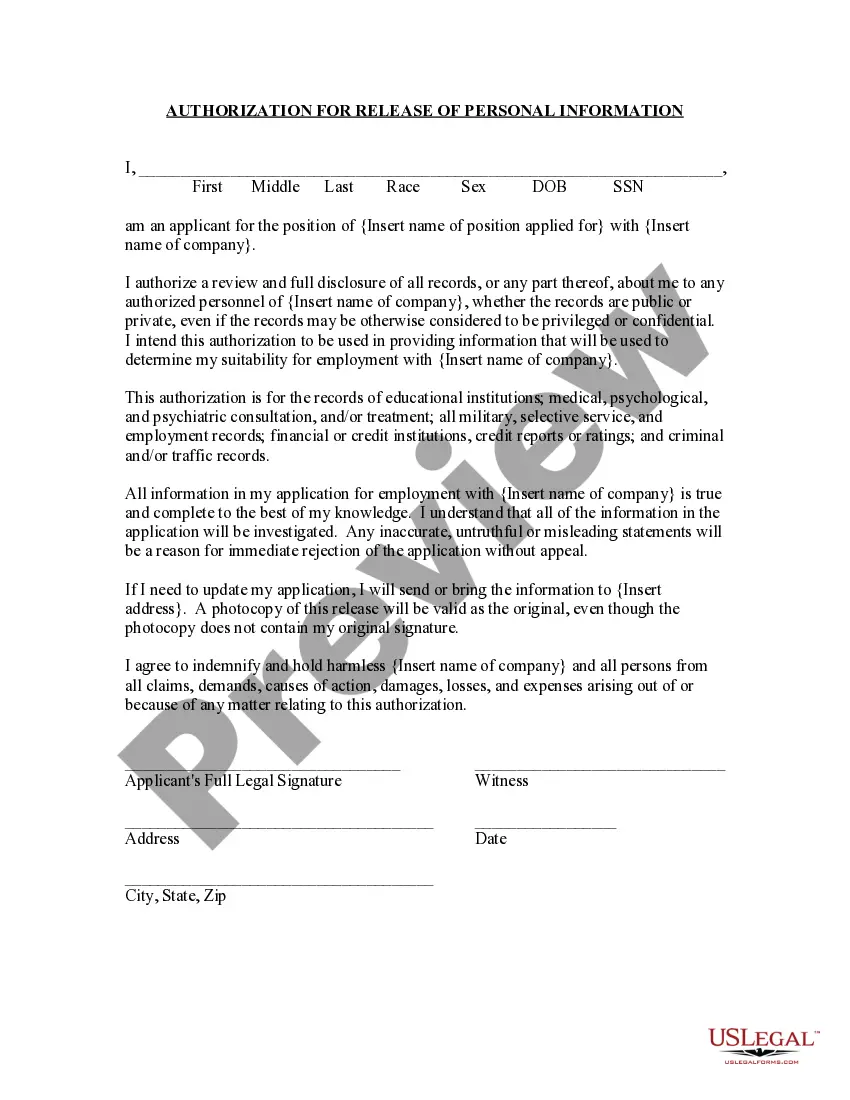
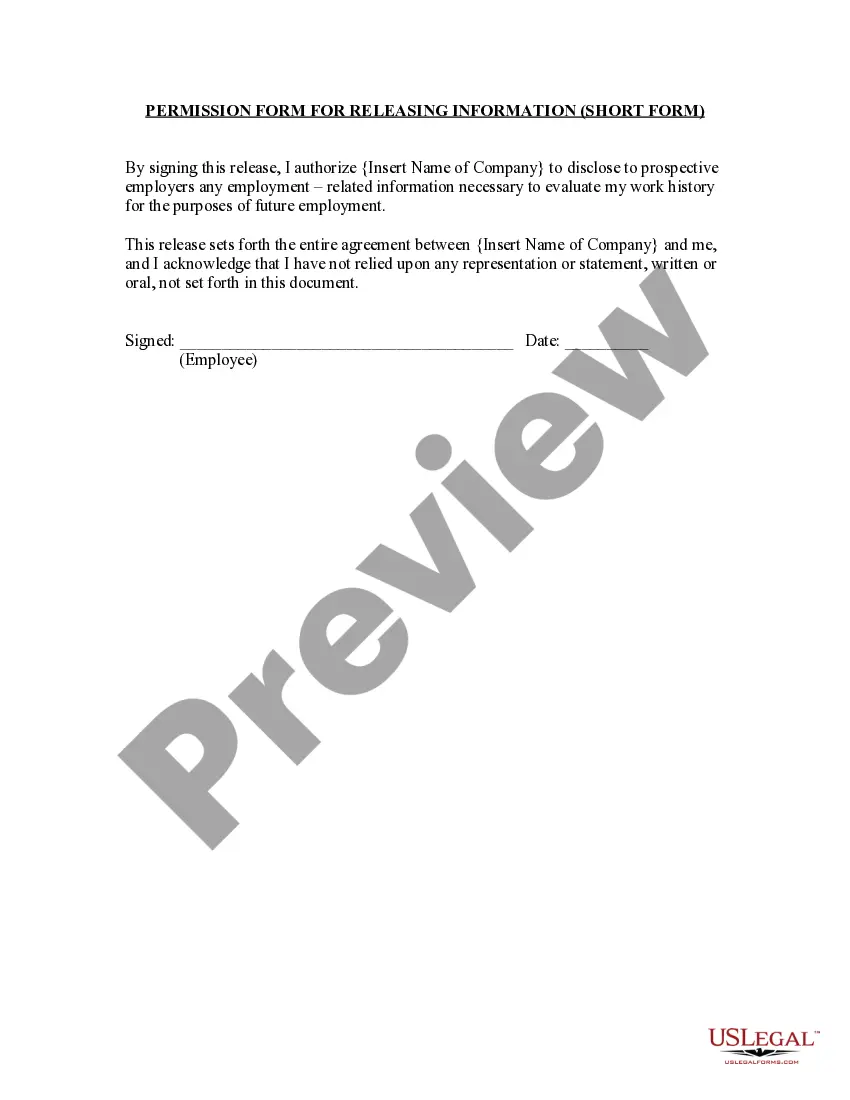
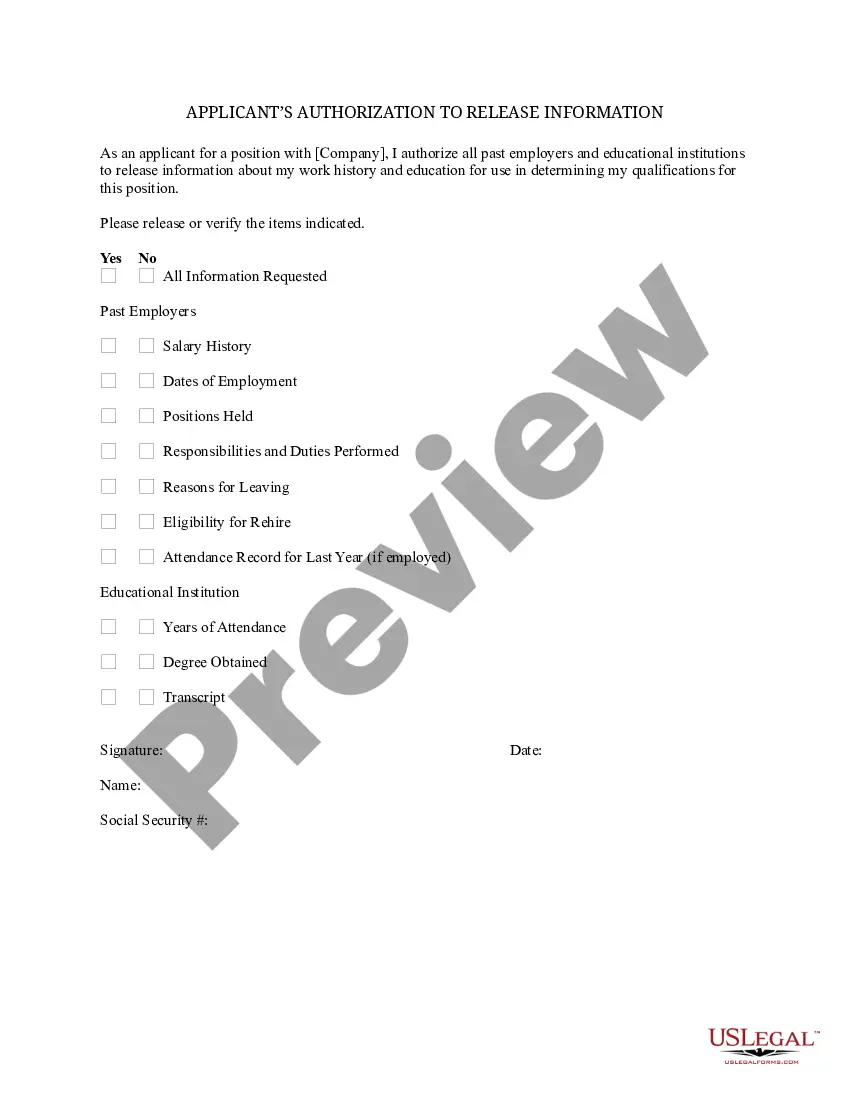
Get your form ready online
Our built-in tools help you complete, sign, share, and store your documents in one place.
Make edits, fill in missing information, and update formatting in US Legal Forms—just like you would in MS Word.
Download a copy, print it, send it by email, or mail it via USPS—whatever works best for your next step.
Sign and collect signatures with our SignNow integration. Send to multiple recipients, set reminders, and more. Go Premium to unlock E-Sign.
If this form requires notarization, complete it online through a secure video call—no need to meet a notary in person or wait for an appointment.
We protect your documents and personal data by following strict security and privacy standards.

Make edits, fill in missing information, and update formatting in US Legal Forms—just like you would in MS Word.

Download a copy, print it, send it by email, or mail it via USPS—whatever works best for your next step.

Sign and collect signatures with our SignNow integration. Send to multiple recipients, set reminders, and more. Go Premium to unlock E-Sign.

If this form requires notarization, complete it online through a secure video call—no need to meet a notary in person or wait for an appointment.

We protect your documents and personal data by following strict security and privacy standards.
Looking for another form?









Form popularity
FAQ
Texas Administrative Code Rule §165.1. If medical records are “abandoned” for more than two weeks by the physician's estate, the Texas Medical Board may appoint a temporary or permanent custodian for the records.
Who can request a certified copy of a death certificate? For deaths within the past 25 years, only the immediate family members of the person whose name is on the death certificate are eligible to request a copy.
The subpoena must be accompanied by a court order signed by a judge, including administrative law judges. Rarely does a judge sign a civil subpoena. Instead, the subpoena is typically issued by a court reporter or attorney, although the language makes it sound like some judicial authority is requiring compliance.
Requests for electronic copies Practices should comply with federal and state laws regarding required timelines for release. Texas law gives a deadline of 15 business days to provide medical records upon receipt of a request.
Ing to data protection laws, personal data is information which relates to living people. Therefore, a person can't make a subject access request to get information about someone who has died.
Deceased Patients' Records Instead, access is restricted by law to someone who is designated as a "personal representative" of the deceased.
Deceased Patients' Records Instead, access is restricted by law to someone who is designated as a "personal representative" of the deceased.
Home Rule is the privilege of citizens at the grass roots level to manage their own affairs with minimal interference from the State. Home Rule assumes that government issues should be solved at the level closest to the people. “Local self-government is the cornerstone of democratic government.”
Medical records that relate to any civil, criminal, or administrative proceeding may be destroyed only if the physician knows the proceeding has been finally resolved. For more information, please see Chapter 165 of the Texas Medical Board rules.
The Texas Medical Privacy Act prohibits any release of PHI for marketing purposes without consent or authorization from the individual. Civil penalties: $100 per violation/day, up to $25,000/year each violation.