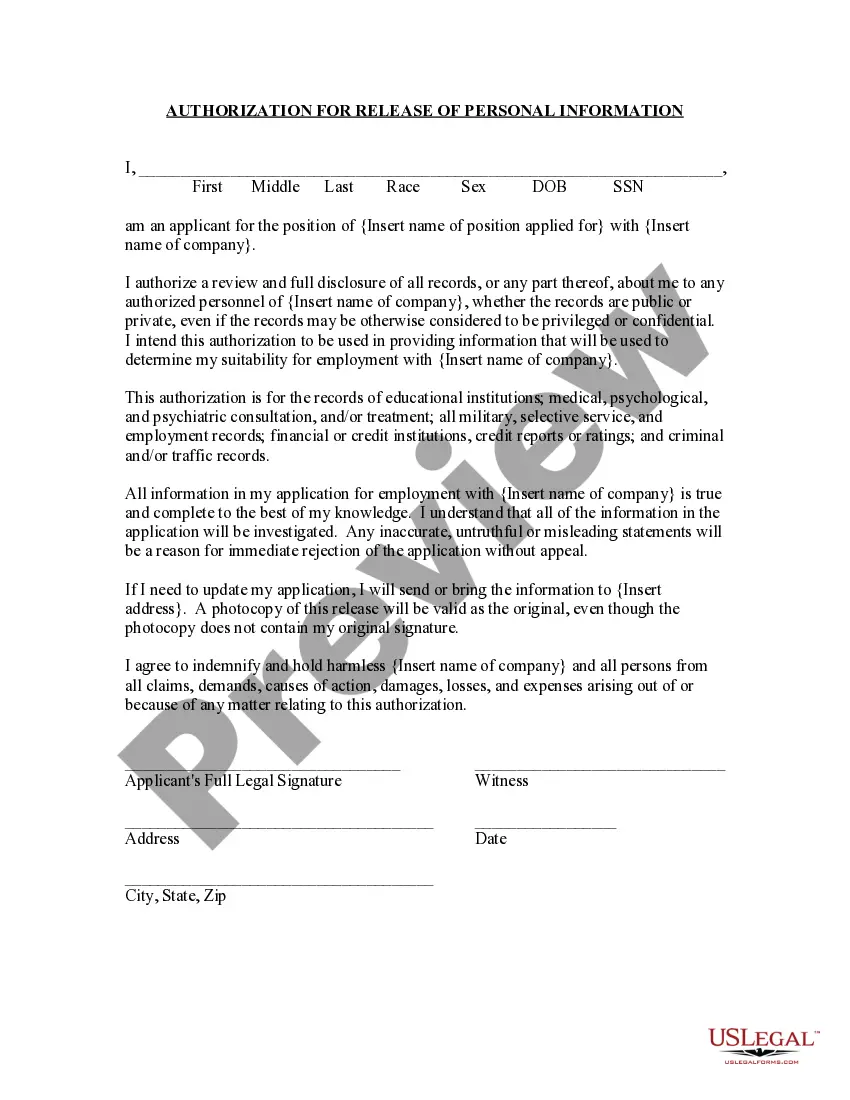
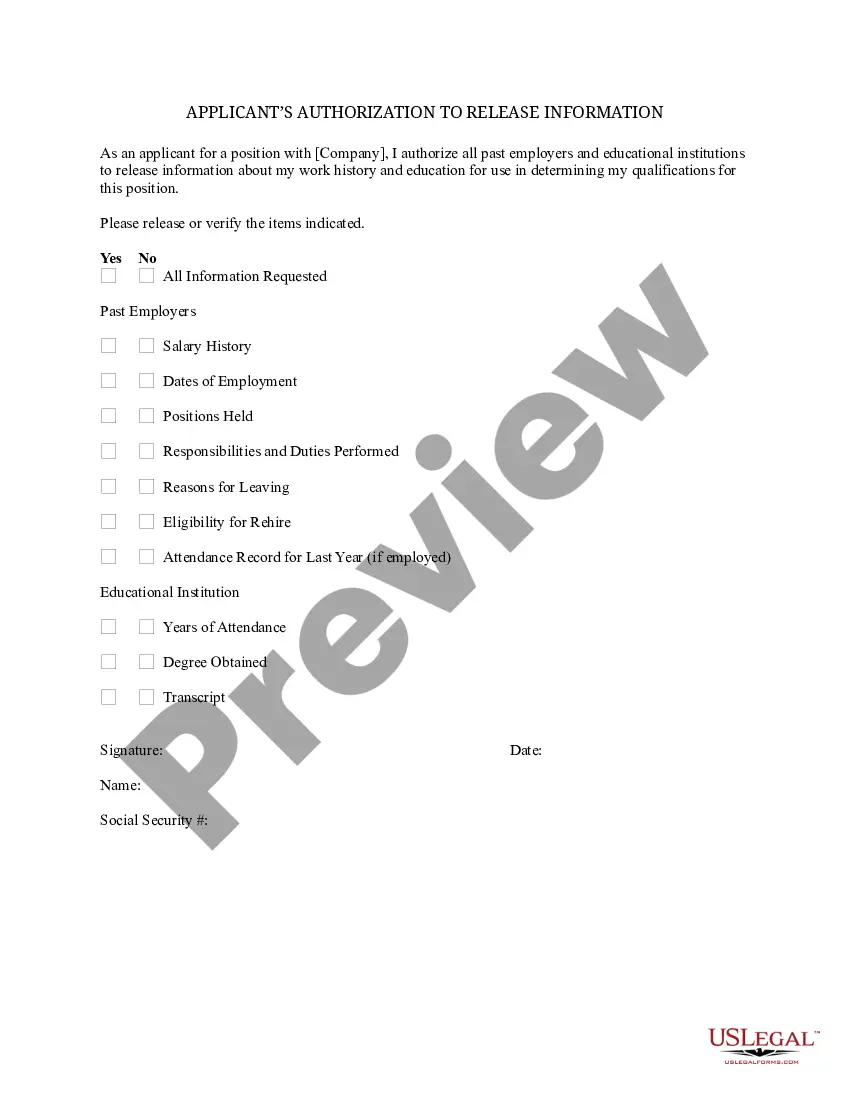
Release Of Information Example In Queens
Description
Get your form ready online
Our built-in tools help you complete, sign, share, and store your documents in one place.
Make edits, fill in missing information, and update formatting in US Legal Forms—just like you would in MS Word.
Download a copy, print it, send it by email, or mail it via USPS—whatever works best for your next step.
Sign and collect signatures with our SignNow integration. Send to multiple recipients, set reminders, and more. Go Premium to unlock E-Sign.
If this form requires notarization, complete it online through a secure video call—no need to meet a notary in person or wait for an appointment.
We protect your documents and personal data by following strict security and privacy standards.

Make edits, fill in missing information, and update formatting in US Legal Forms—just like you would in MS Word.

Download a copy, print it, send it by email, or mail it via USPS—whatever works best for your next step.

Sign and collect signatures with our SignNow integration. Send to multiple recipients, set reminders, and more. Go Premium to unlock E-Sign.

If this form requires notarization, complete it online through a secure video call—no need to meet a notary in person or wait for an appointment.

We protect your documents and personal data by following strict security and privacy standards.
Looking for another form?



Form popularity
FAQ
A Privacy Rule Authorization is an individual's signed permission to allow a covered entity to use or disclose the individual's protected health information (PHI) that is described in the Authorization for the purpose(s) and to the recipient(s) stated in the Authorization.
Consent refers to the patient's giving permission for electronic medical records to be released to third parties involved in treatment, utilization review, insurance payment, quality assurance, and continuity of care. Authorization is required for all other uses to which a patient's medical records may be put.
Content for a valid authorization includes: The name of the person or entity authorized to make the request (usually the patient) The complete name of the person or entity to receive the protected health information (PHI) A specific description of the information to be used or disclosed, including the dates of service.
A Privacy Rule Authorization is an individual's signed permission to allow a covered entity to use or disclose the individual's protected health information (PHI) that is described in the Authorization for the purpose(s) and to the recipient(s) stated in the Authorization.
By setting up a Release Authorization (ARI), you are giving customer service your permission to disclose information about your accounts to another person. Typically, this is used to give account access to a spouse or other family member.
Check their website: Information about how to get your health record may be found under the Contact Us section of a provider's website. It may direct you to an online portal, a phone number, an email address, or a form. Phone or visit: You can also call or visit your provider and ask them how to get your health record.
To request a copy of a medical record from a hospital, call or write to the hospital holding the record. You must speak to the Medical Records Department and request a release of medical information authorization form from the hospital.
To get a copy of your medical records, visit the Medical Correspondence Office, M - F am- pm in room AE-7 on the ground floor of the hospital building, (212) 562-3101. The above list is frequently updated, for current information please call (212) 562-3191.
You must speak to the Medical Records Department and request a release of medical information authorization form from the hospital. If the hospital does not respond to this request within a timely manner, you can file a complaint with the NYS Department of Health, Hospital Complaint Department.
Here's what happens when a patient requests their medical records: Recording, Tracking and Verifying the Request. Retrieving Patient's PHI. Safeguarding Patient's Sensitive Information. Releasing Patient's PHI. Completing the Request and Preparing an Invoice.
