Confidentiality Agreement Form With Employee In Miami-Dade
Description

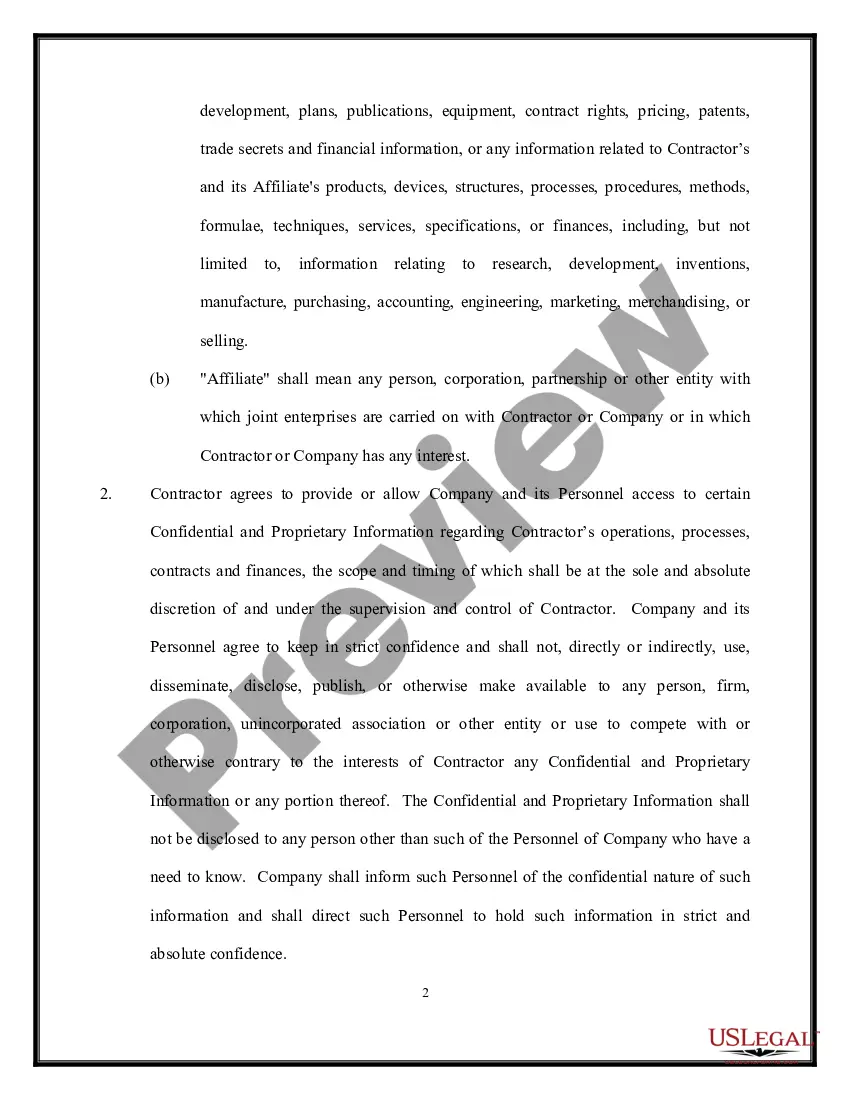
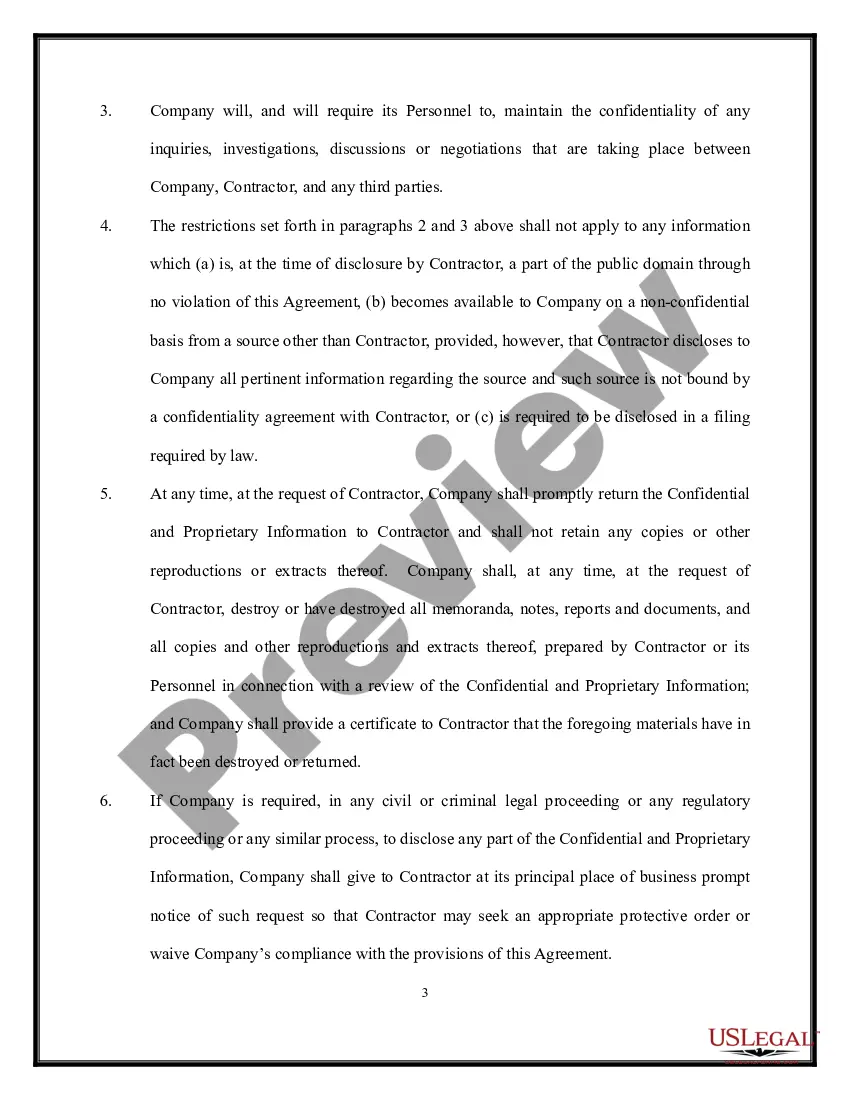
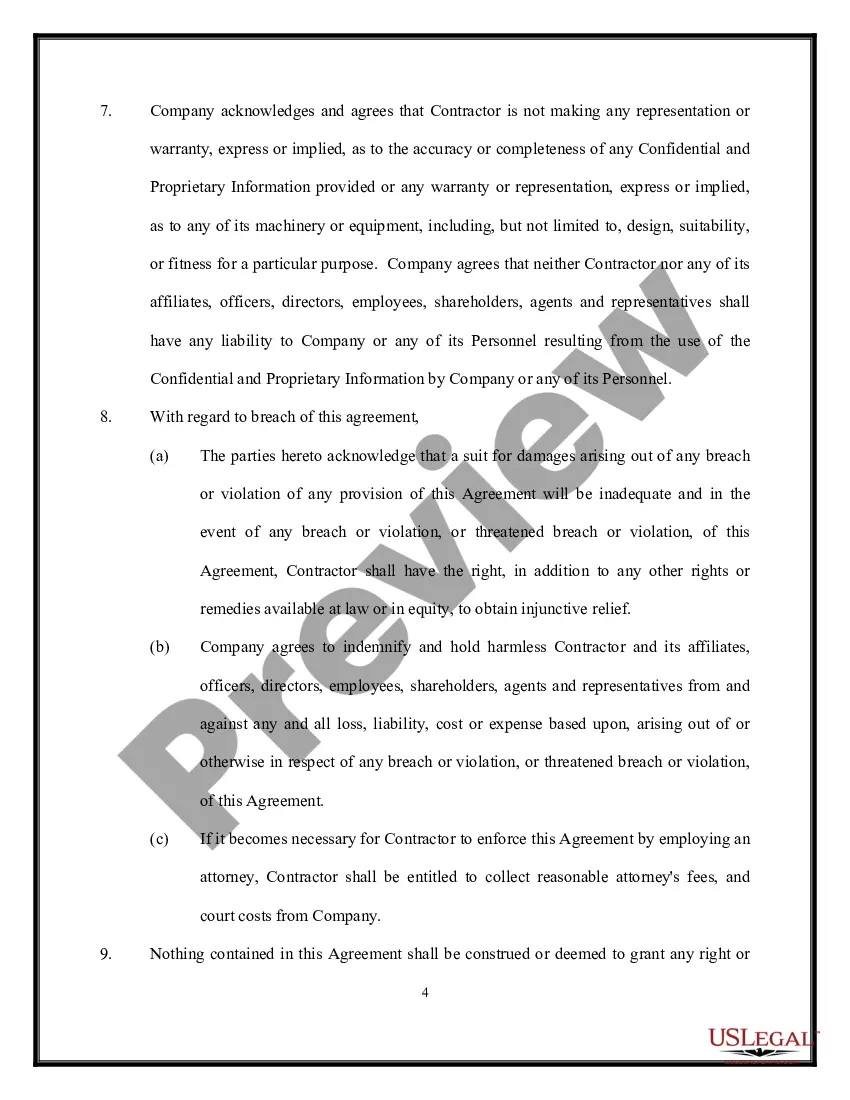
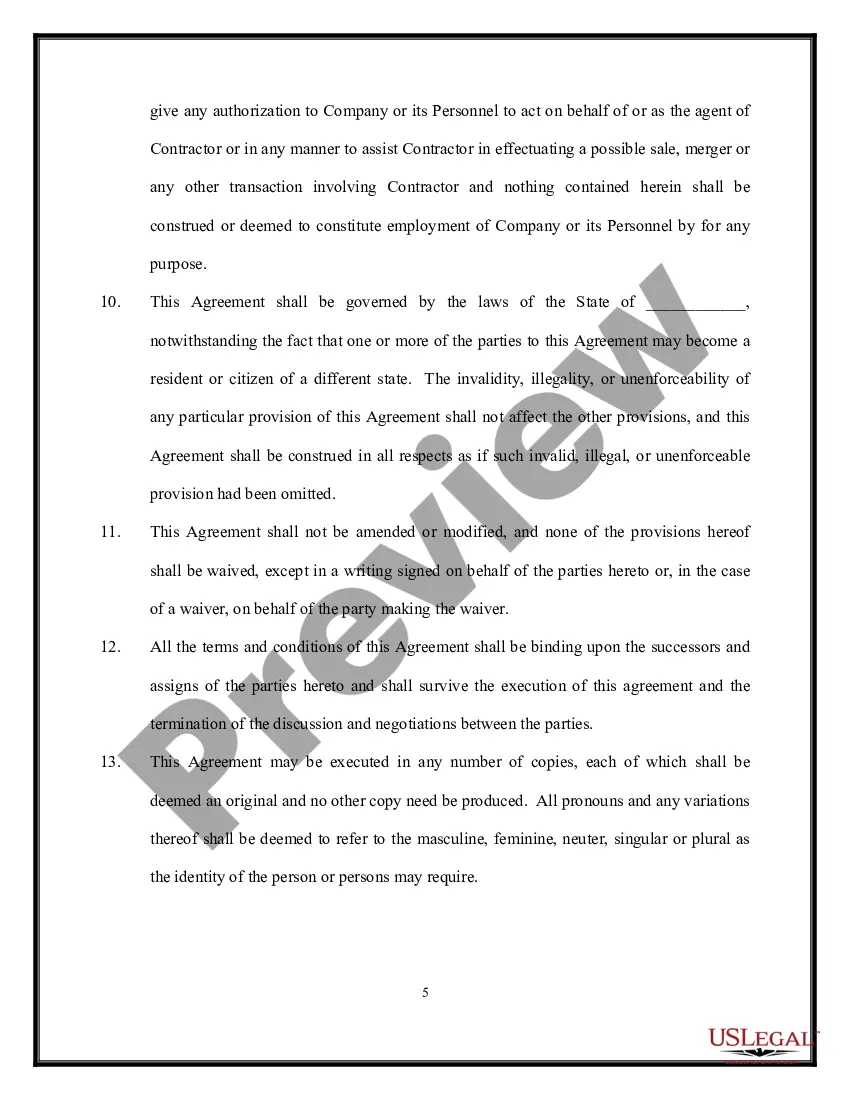
Get your form ready online
Our built-in tools help you complete, sign, share, and store your documents in one place.
Make edits, fill in missing information, and update formatting in US Legal Forms—just like you would in MS Word.
Download a copy, print it, send it by email, or mail it via USPS—whatever works best for your next step.
Sign and collect signatures with our SignNow integration. Send to multiple recipients, set reminders, and more. Go Premium to unlock E-Sign.
If this form requires notarization, complete it online through a secure video call—no need to meet a notary in person or wait for an appointment.
We protect your documents and personal data by following strict security and privacy standards.

Make edits, fill in missing information, and update formatting in US Legal Forms—just like you would in MS Word.

Download a copy, print it, send it by email, or mail it via USPS—whatever works best for your next step.

Sign and collect signatures with our SignNow integration. Send to multiple recipients, set reminders, and more. Go Premium to unlock E-Sign.

If this form requires notarization, complete it online through a secure video call—no need to meet a notary in person or wait for an appointment.

We protect your documents and personal data by following strict security and privacy standards.
Looking for another form?









Form popularity
FAQ
Miami Dade County has an overall rating of 3.9 out of 5, based on over 487 reviews left anonymously by employees. 84% of employees would recommend working at Miami Dade County to a friend and 70% have a positive outlook for the business. This rating has improved by 1% over the last 12 months.
County employees with questions regarding the outside employment permission process should first contact their Departmental Personnel Representative (DPR). Permission for outside employment must be requested and granted on an annual basis, even in cases where the type of outside employment has not changed.
Miami-Dade County offers a generous leave package to employees, including: Two weeks of Annual Leave. Military Leave. Family Medical Leave for eligible employees.
A confidential disclosure agreement, also called a confidentiality agreement or CDA, is a legal agreement which prohibits employees from disclosing certain information about a company. It is a permanent agreement, which means a signed confidentiality agreement remains valid after employment has ended.
A confidentiality agreement should include the names and addresses of the parties to the contract. Consider also including: Reason for the agreement: Explain why you're sharing this information. The information disclosed: Be specific about the subject matter and what exactly is included in the agreement.
An employer might use a non-disclosure agreement (NDA) to stop an employee or worker sharing information. A non-disclosure agreement can also be known as a 'confidentiality clause'. It's a written agreement and could be: in an employment contract.
A confidentiality agreement is a legally binding contract. If you disclose confidential information to another person under a confidentiality agreement, they are required to keep that information secret and confidential, and not misuse it.
An NDA is a legally binding agreement between at least two parties that outlines the confidential knowledge, information, or material that parties want to share with each other for business purposes but also to restrict access to.
Employers often want employees to sign a confidentiality agreement (sometimes called a “non-disclosure” agreement) to protect trade secrets, proprietary information, and other competitively sensitive business information. But, confidentiality agreements are not a magic bullet for protecting tricks of the trade.
