Non Disclosure Agreement Format For It Company In Florida
Description

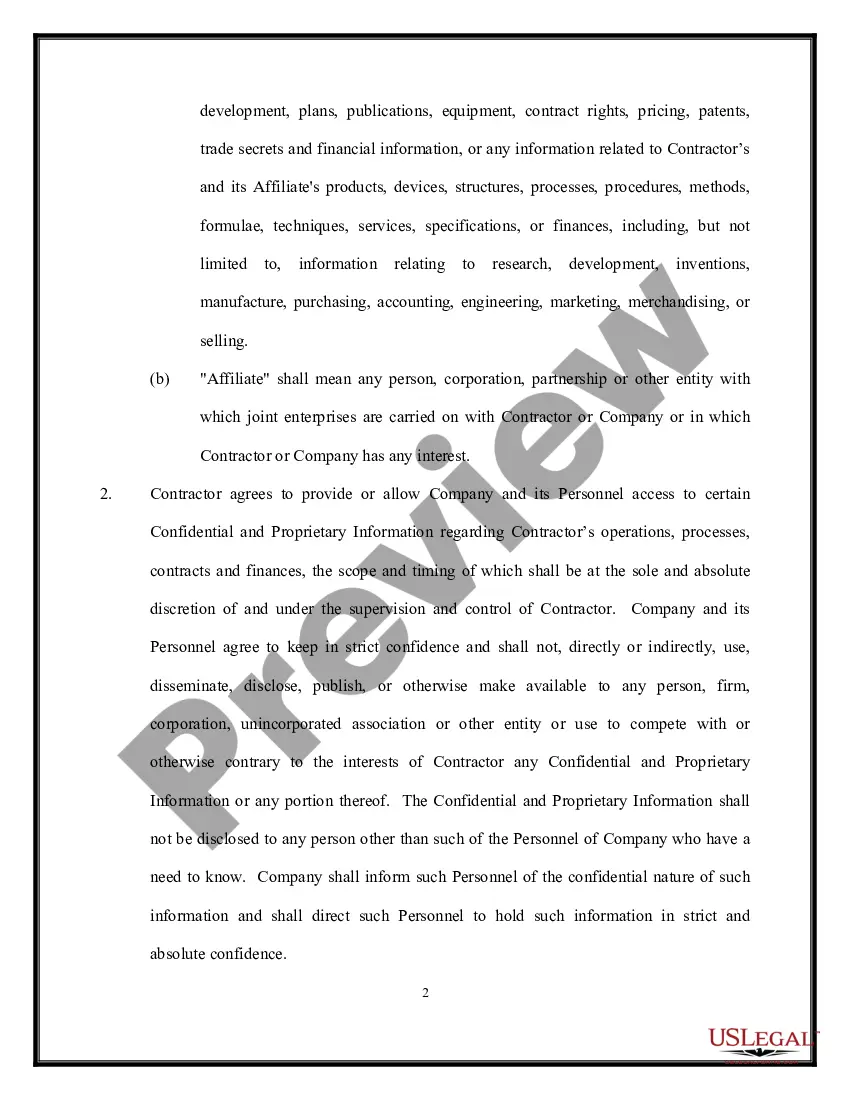
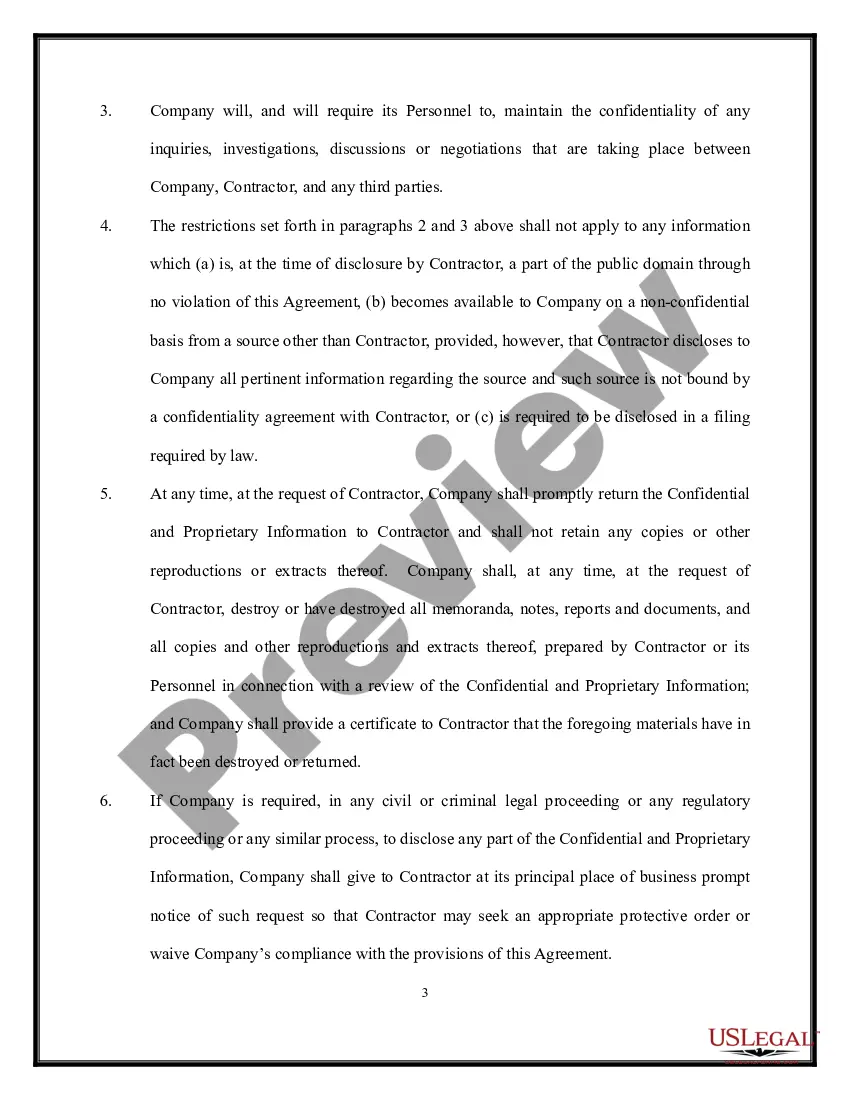
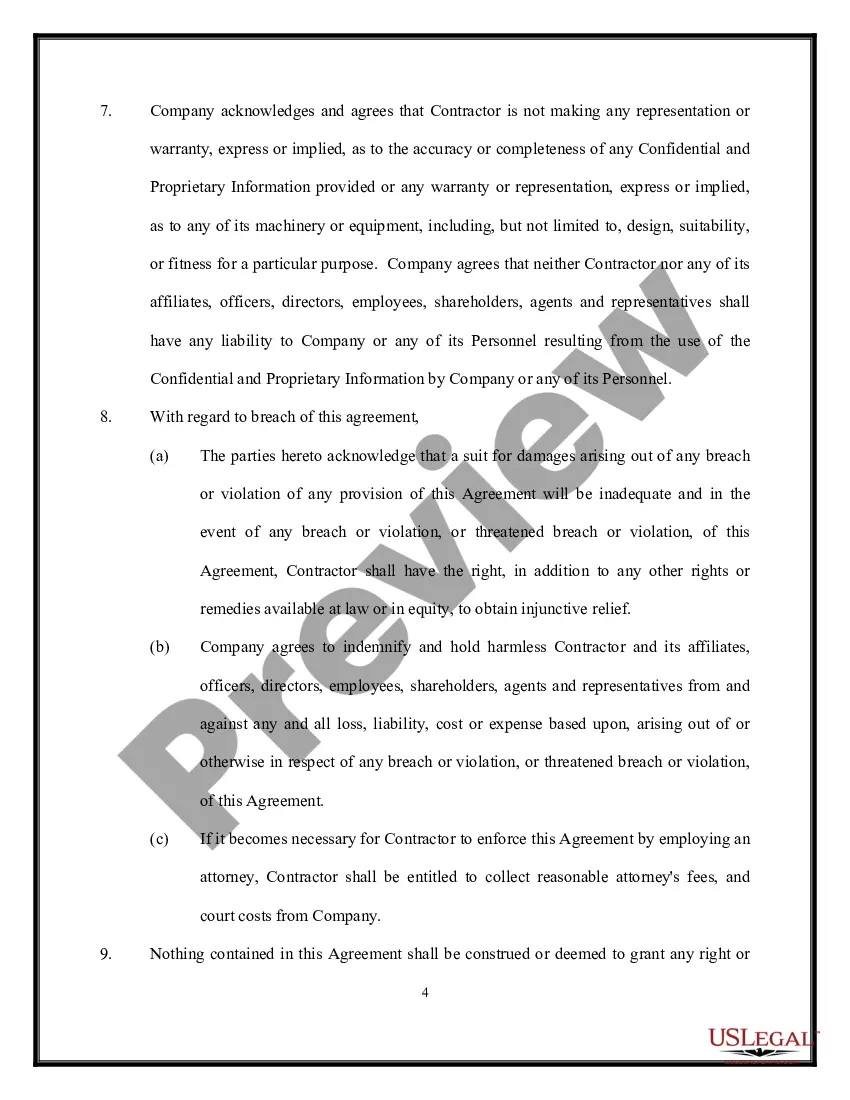
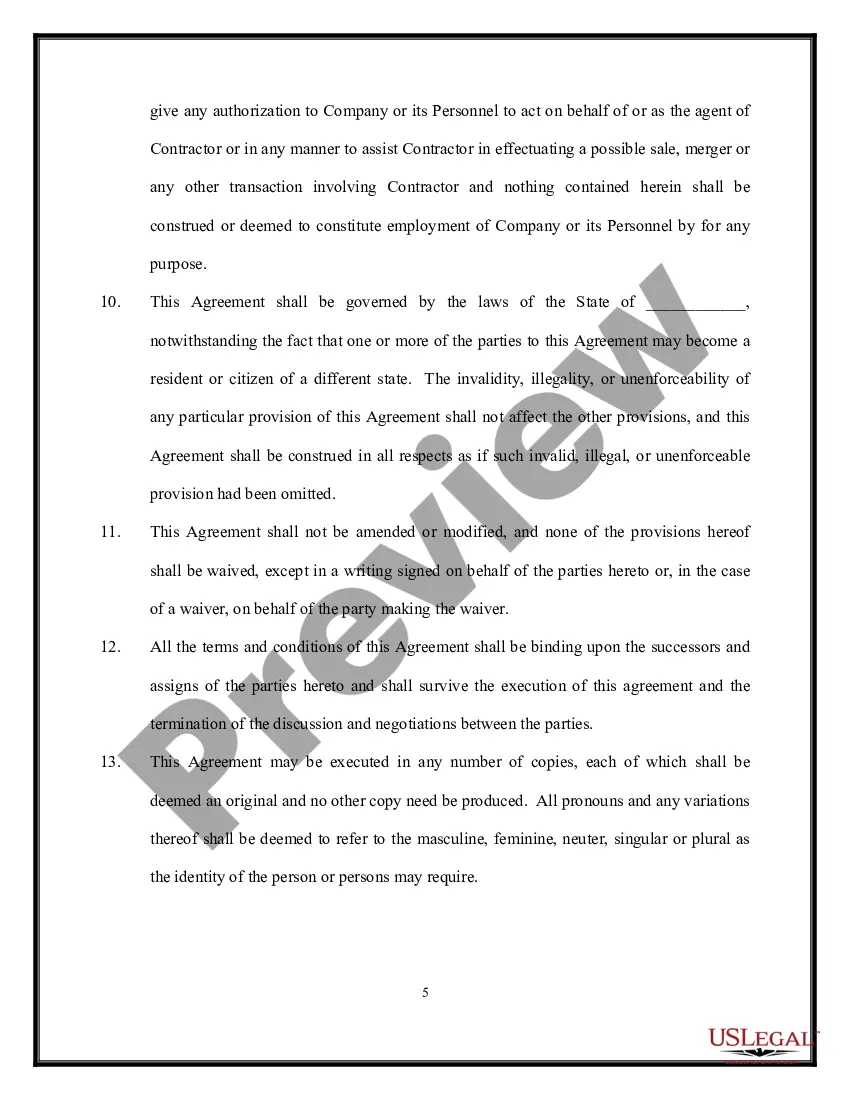
Get your form ready online
Our built-in tools help you complete, sign, share, and store your documents in one place.
Make edits, fill in missing information, and update formatting in US Legal Forms—just like you would in MS Word.
Download a copy, print it, send it by email, or mail it via USPS—whatever works best for your next step.
Sign and collect signatures with our SignNow integration. Send to multiple recipients, set reminders, and more. Go Premium to unlock E-Sign.
If this form requires notarization, complete it online through a secure video call—no need to meet a notary in person or wait for an appointment.
We protect your documents and personal data by following strict security and privacy standards.

Make edits, fill in missing information, and update formatting in US Legal Forms—just like you would in MS Word.

Download a copy, print it, send it by email, or mail it via USPS—whatever works best for your next step.

Sign and collect signatures with our SignNow integration. Send to multiple recipients, set reminders, and more. Go Premium to unlock E-Sign.

If this form requires notarization, complete it online through a secure video call—no need to meet a notary in person or wait for an appointment.

We protect your documents and personal data by following strict security and privacy standards.
Looking for another form?









Form popularity
FAQ
Florida law says that non-disclosure agreements are enforceable if the drafting party can justify the existence of the document with a legitimate business interest. Non-disclosure agreements can protect trade secrets, sensitive business data, and other things that a business would want to keep confidential.
Non-Disclosure Agreements (NDAs) are legal documents that establish contractual conditions for the exchange of information where a disclosing party shares confidential information with a receiving party. The NDA defines information that the parties wish to protect from dissemination and outlines restrictions on use.
Except for the form of financial affidavit used, mandatory disclosure is made the same for all parties subject to the rule, regardless of income. The amount of information required to be disclosed is increased for parties in the under-$50,000 category and decreased for parties in the $50,000-or-over category.
In the context of Florida employment law, an employee may be required to sign an NDA to prevent them from sharing sensitive company information with competitors or the public. Need help with training, compliance, or litigation to protect your workplace?
Florida case law provides that, with some exceptions, a residential home seller must disclose any facts or conditions about the property that have a substantial impact on its value or desirability and that others cannot easily see for themselves.
Florida law requires sellers to disclose any issues they know about that materially affect the value of a home or property. This requirement applies even if the buyer does not ask whether the seller knows about defects.
You do not need a lawyer to create and sign a non-disclosure agreement. However, if the information you are trying to protect is important enough to warrant an NDA, you may want to have the document reviewed by someone with legal expertise.
By law, a nondisclosure contract must be reasonable and necessary for protecting a legitimate business interest. It must also be limited in scope and duration, in terms of timing, geography, and other relevant factors. While not required, you should put any confidentiality agreement in writing.
Edit the template to include a description of the confidential information and the scope of the agreement. Add the requirements of each party. Add the specific consequences of a breach. Add the details of all involved parties and send the agreement for electronic signing.
Typically, a legal professional writing the NDA will complete these steps: Step 1 - Describe the scope. Which information is considered confidential? ... Step 2 - Detail party obligations. Step 3 - Note potential exclusions. Step 4 - Set the term. Step 5 - Spell out consequences.
