Condo Common Elements For Sale In Hennepin
Description



Get your form ready online
Our built-in tools help you complete, sign, share, and store your documents in one place.
Make edits, fill in missing information, and update formatting in US Legal Forms—just like you would in MS Word.
Download a copy, print it, send it by email, or mail it via USPS—whatever works best for your next step.
Sign and collect signatures with our SignNow integration. Send to multiple recipients, set reminders, and more. Go Premium to unlock E-Sign.
If this form requires notarization, complete it online through a secure video call—no need to meet a notary in person or wait for an appointment.
We protect your documents and personal data by following strict security and privacy standards.

Make edits, fill in missing information, and update formatting in US Legal Forms—just like you would in MS Word.

Download a copy, print it, send it by email, or mail it via USPS—whatever works best for your next step.

Sign and collect signatures with our SignNow integration. Send to multiple recipients, set reminders, and more. Go Premium to unlock E-Sign.

If this form requires notarization, complete it online through a secure video call—no need to meet a notary in person or wait for an appointment.

We protect your documents and personal data by following strict security and privacy standards.
Looking for another form?









Form popularity
FAQ
The Oregon inium Act, the declaration and the bylaws control the rights and obligations of the unit owners with respect to each other, the common elements and their respective units. The provisions of these documents are intended to be, and in most cases are, enforceable in a court of law.
Common Interest Communities include (iniums, Planned Communities, Co-ops). CIC are prepared by a Licensed Land Surveyor in ance with, Minnesota Statute 515A and Minnesota Statute 515B. There are five recorded iniums and nine recorded Common Interest Communities in Itasca County.
The Minnesota Common Interest Ownership Act, or MCIOA, governs the legal standing and obligations of townhome associations, primarily inium associations, created on or after June 1, 1994. Townhome associations created before this date must opt into the MCIOA.
The Minnesota Uniform inium Act (MCUA) was the governing Act for community ownership in the state from August 1, 1980, until it was replaced by the Minnesota Common Interest Ownership Act (MCIOA) on June 1, 1994.
Inium Rules means the Rules for the use of the Premises that are adopted from time to time by the Board of Directors. inium Rules . Your unit is confirmed with the understanding that you will adhere to the rules and regulations set by individual inium or homeowner associations.
How to File a Quitclaim Deed in Minnesota Step 1: Locate the Current Property Deed. Step 2: Find the Property's Legal Description. Step 3: Complete the Quitclaim Form. Step 4: Complete Disclosures. Step 5: Sign Before a Notary. Step 6: File the Deed With the County Recorder's Office.
Pennsylvania Uniform inium Act §§ 3101 to. 3414) was adopted in 1980 to govern the formation and operation of iniums. Prior to the UCA, iniums in Pennsylvania were governed by the since-repealed Unit Property Act. By definition, a inium is a form of real estate ownership.
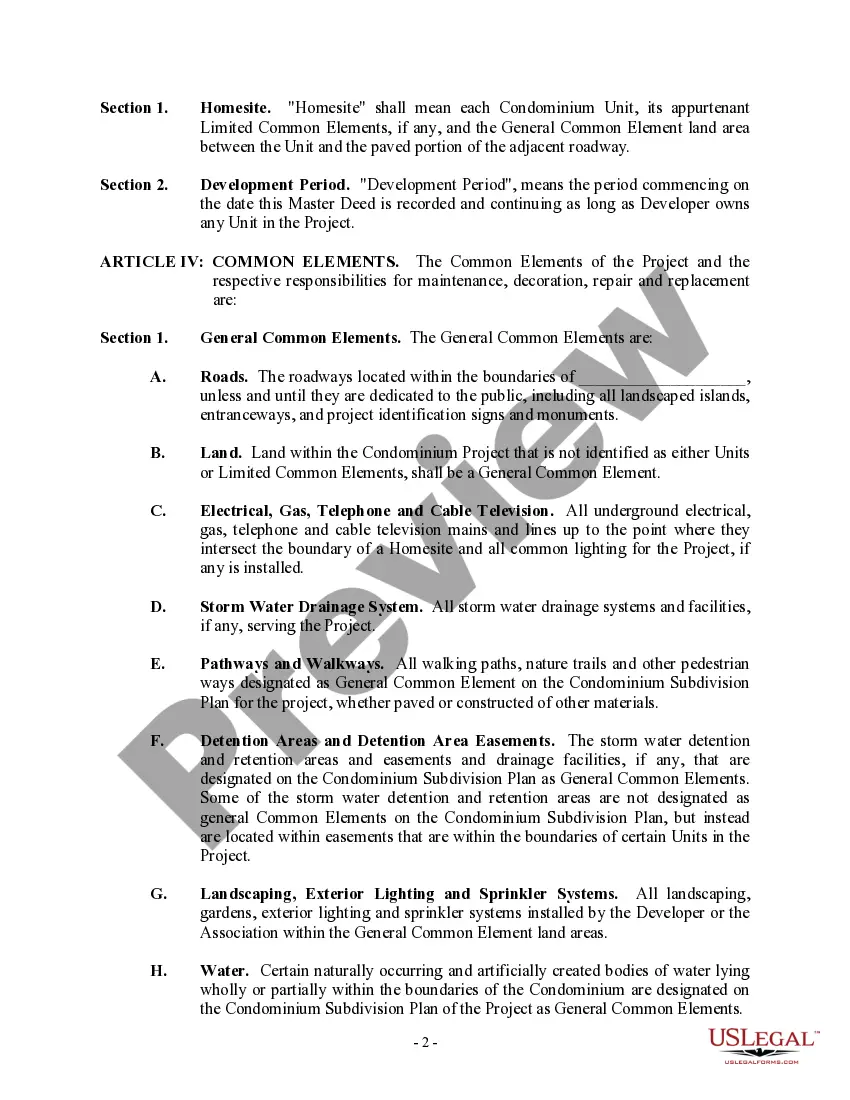
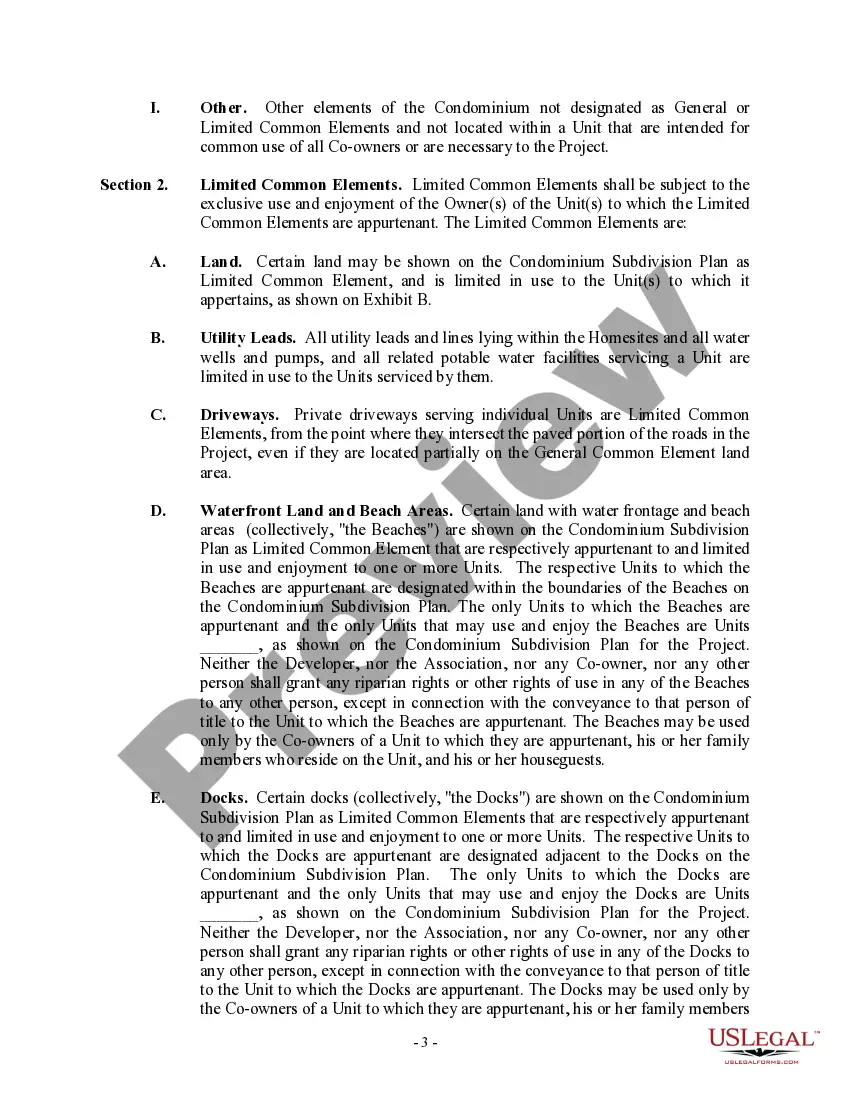
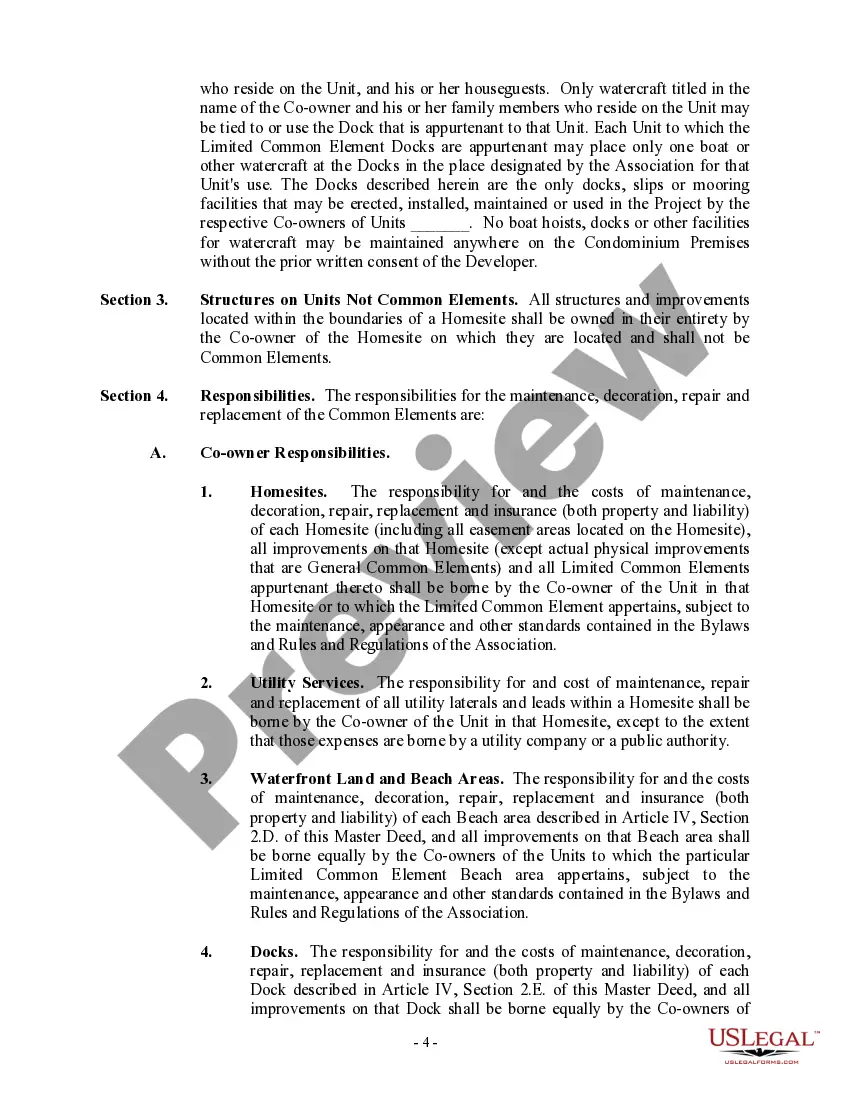
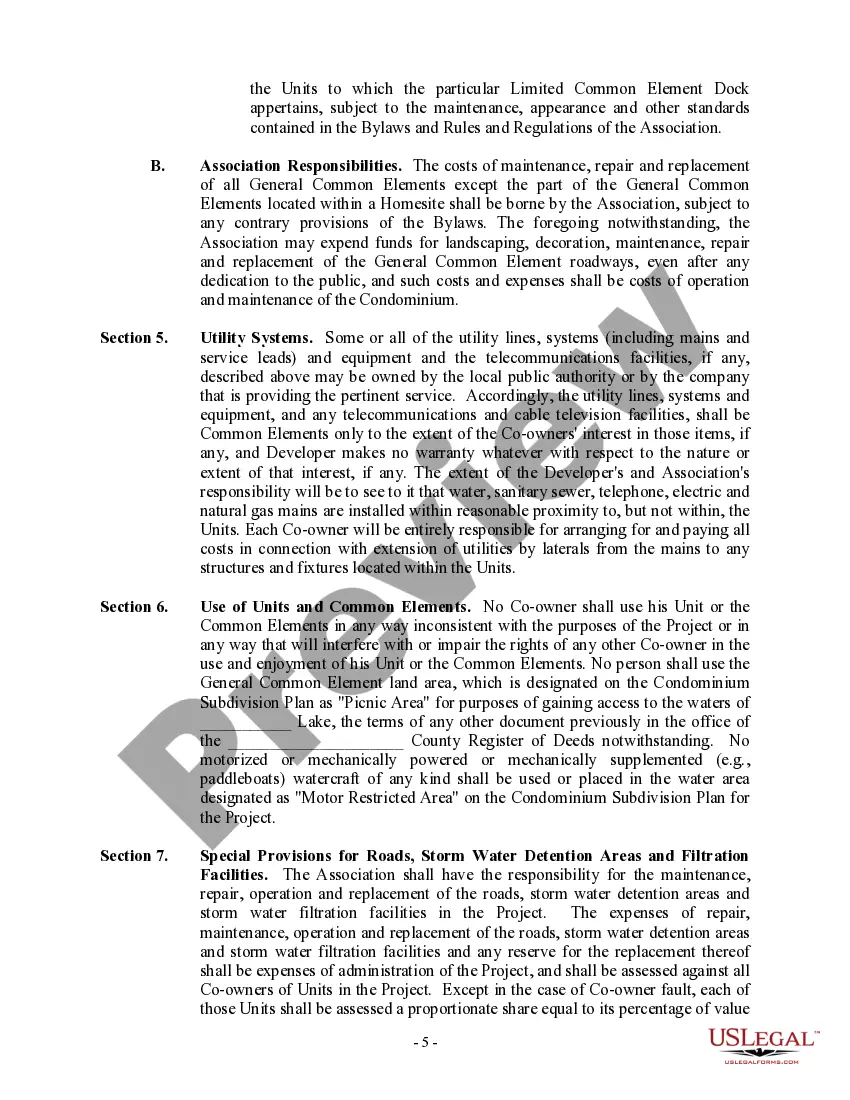
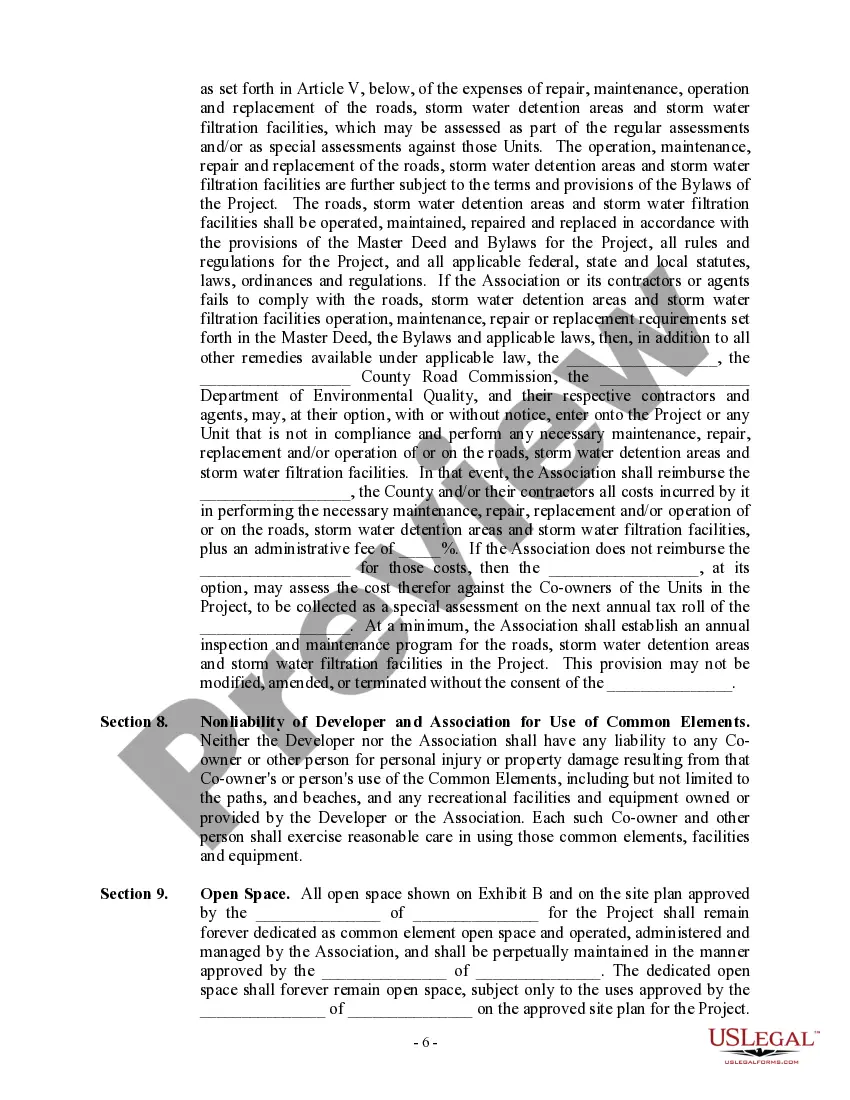
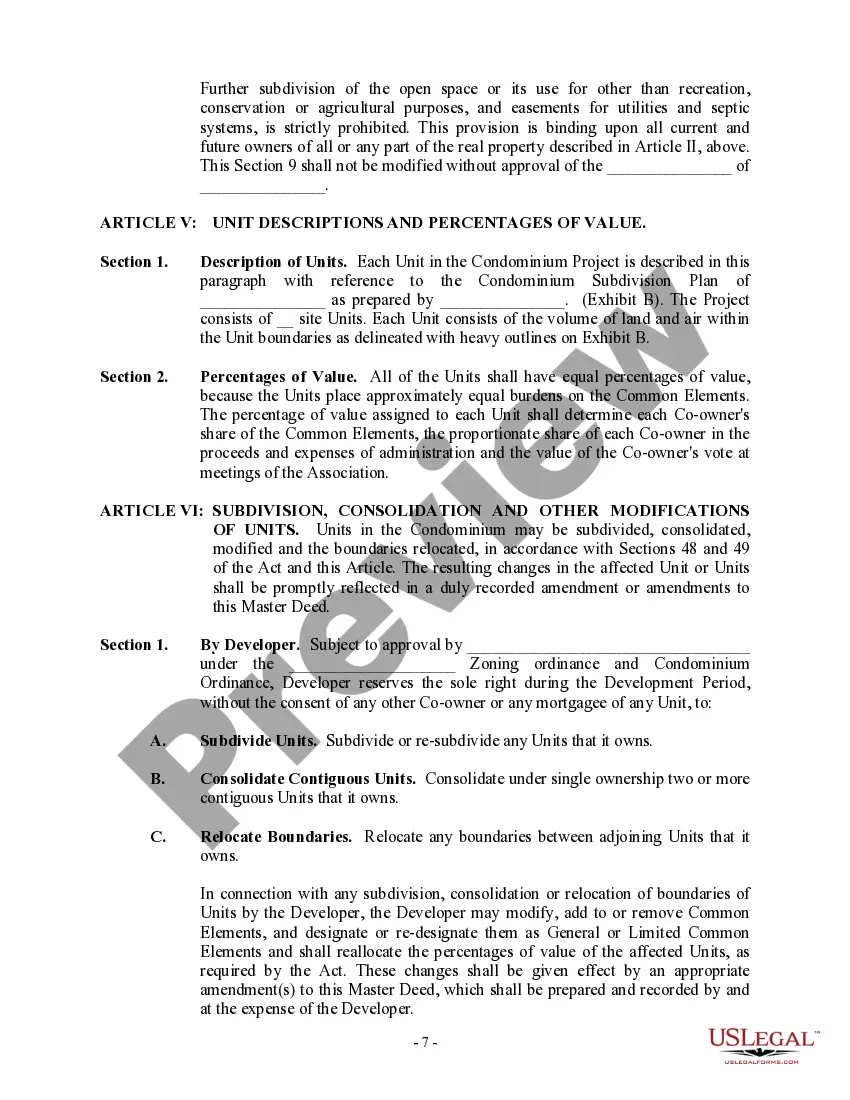
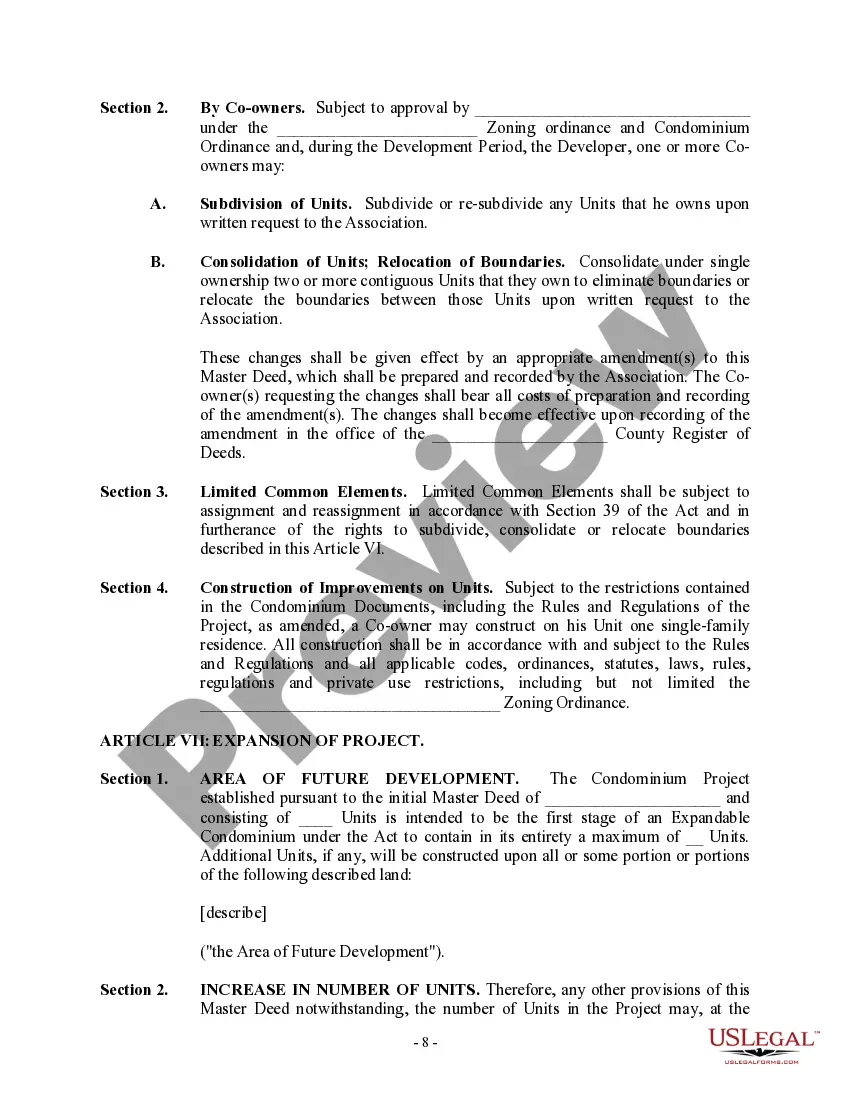
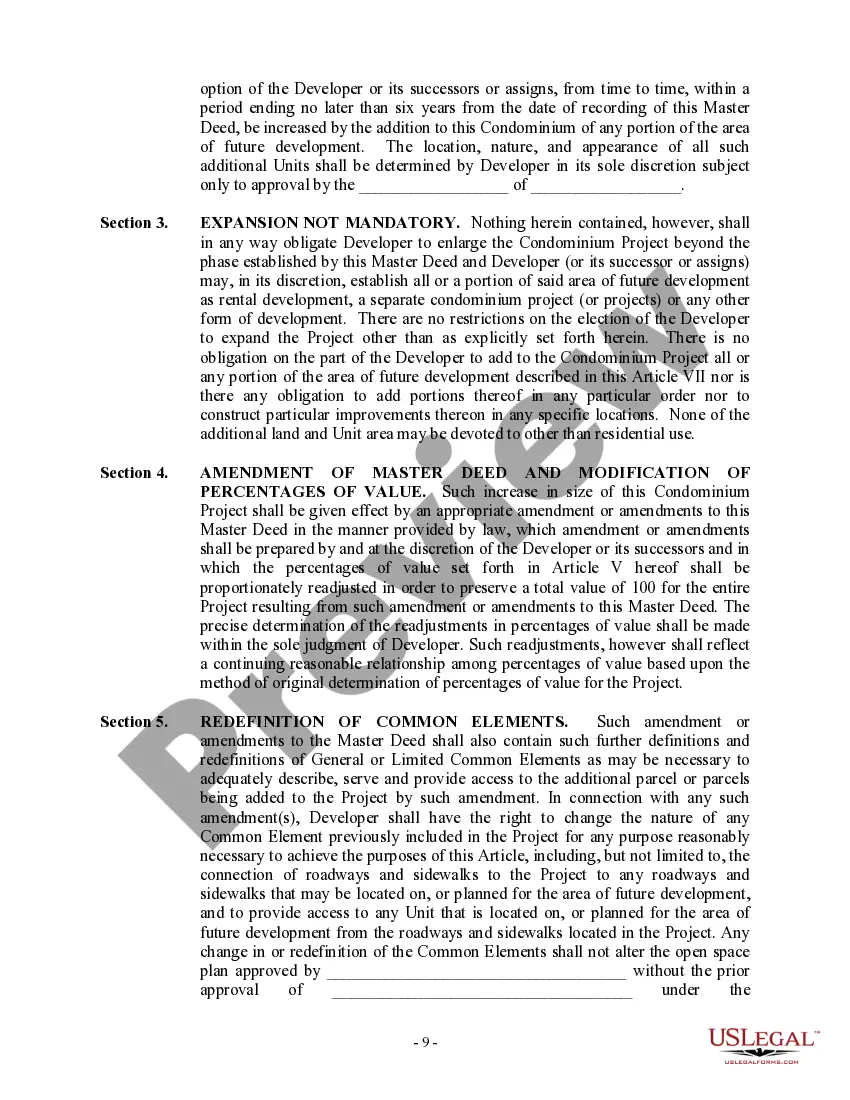
A Common Element inium is comprised solely of common elements such as a private road, parking spaces, mailbox pad, play area and any other common elements and do not include dwelling units/lots.
In inium Associations, individual unit owners jointly own an undivided share of the common elements. In simpler terms, if you live in a 100-unit inium building, each unit owner possesses a 1/100th share of all the common elements.
This means common elements could include, but are not limited to, all the following: land, foundations, hallways, stairways, entrances and exits, common parking areas, storage areas, basement, roof, incinerator, pipes, ducts, electrical wiring and conduits, central heating and air, public utility lines, floors, ...
