Bylaws For Apartment Association In Virginia
Description

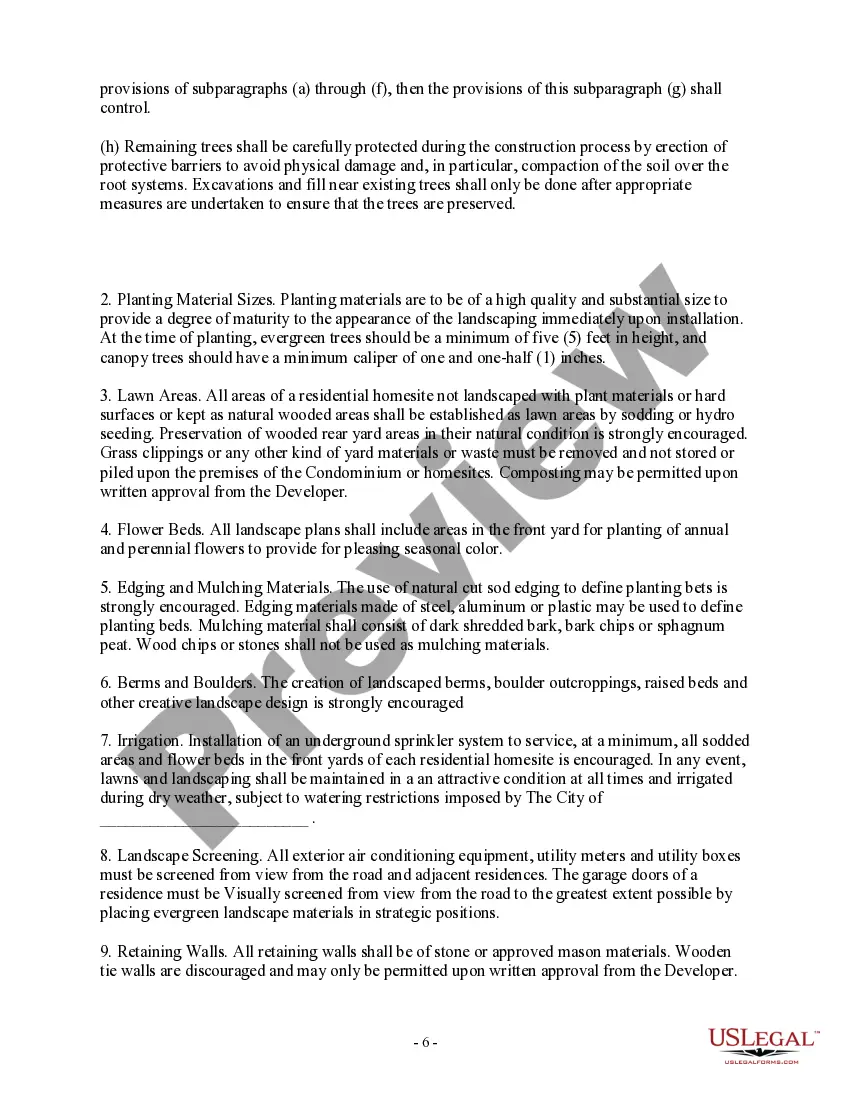
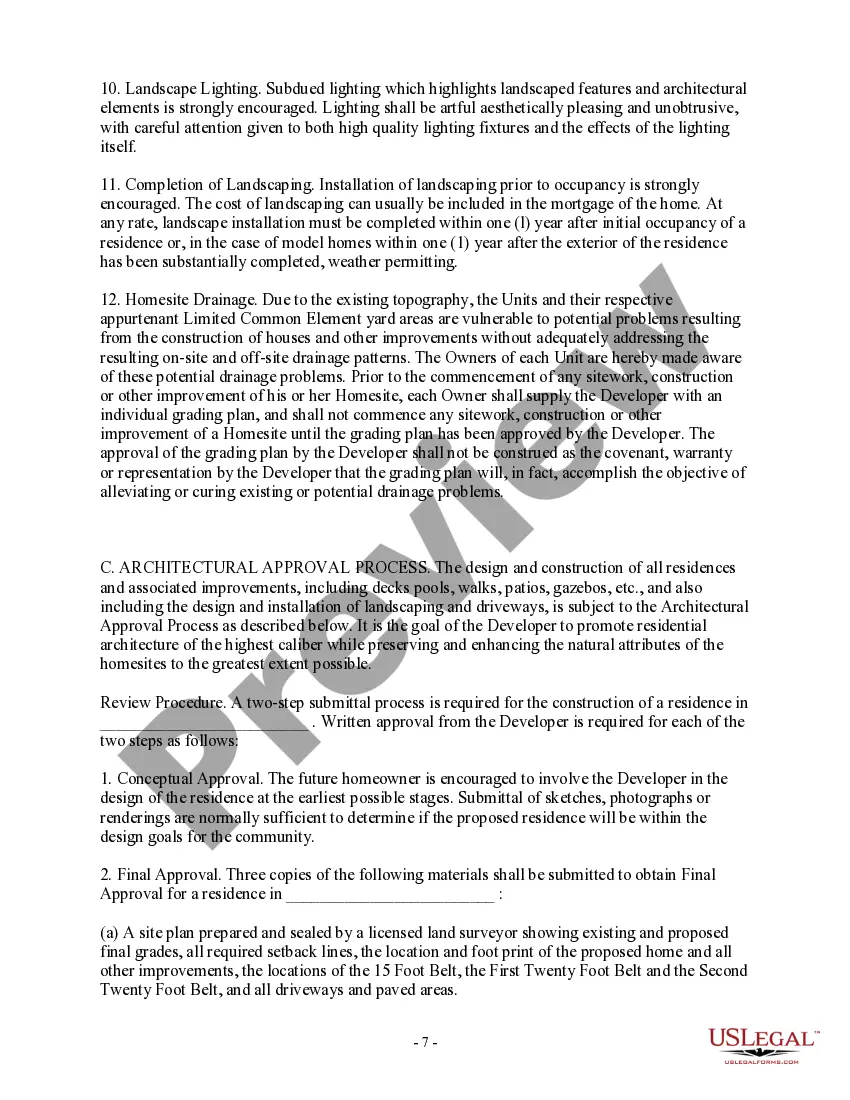
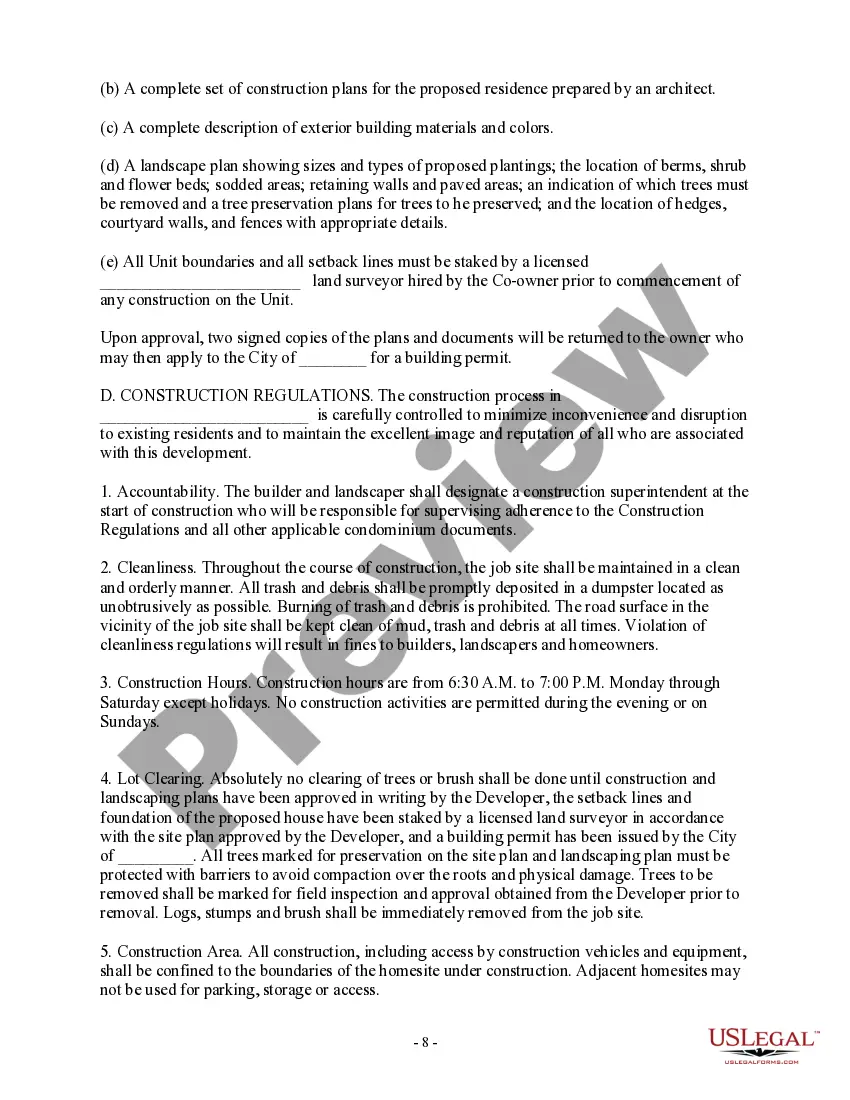
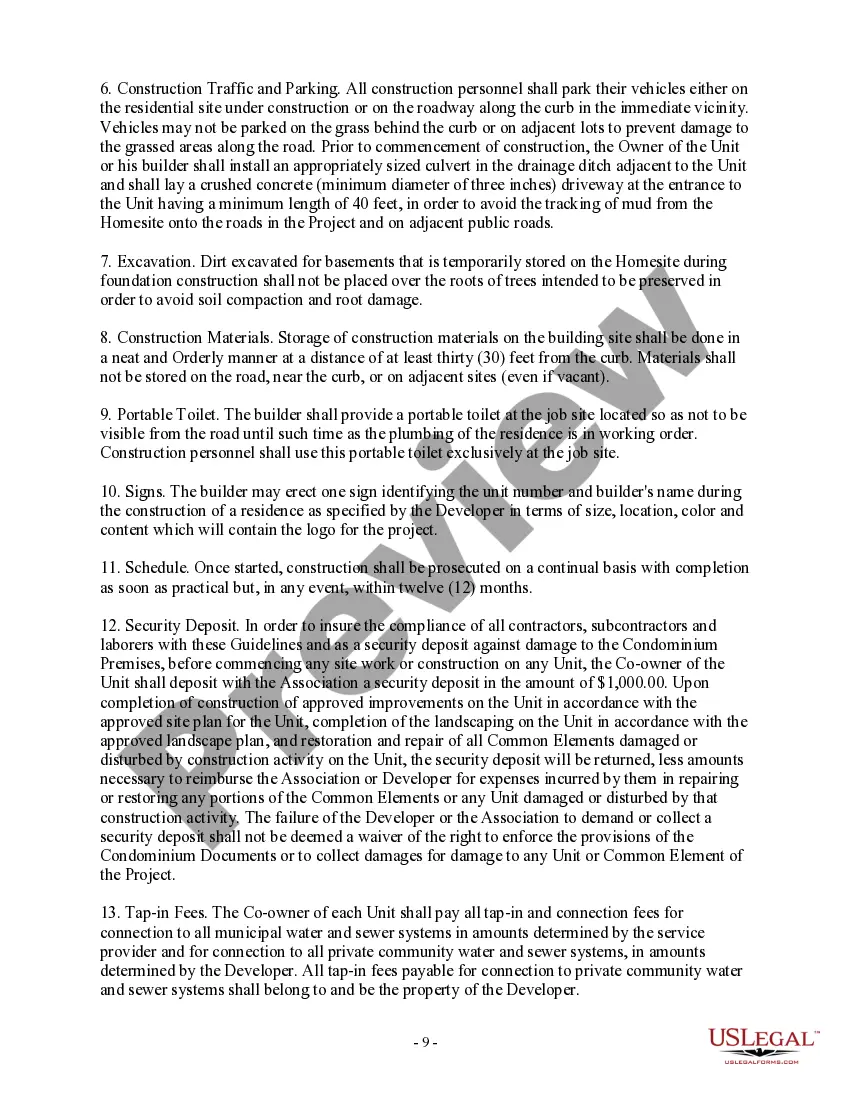




Get your form ready online
Our built-in tools help you complete, sign, share, and store your documents in one place.
Make edits, fill in missing information, and update formatting in US Legal Forms—just like you would in MS Word.
Download a copy, print it, send it by email, or mail it via USPS—whatever works best for your next step.
Sign and collect signatures with our SignNow integration. Send to multiple recipients, set reminders, and more. Go Premium to unlock E-Sign.
If this form requires notarization, complete it online through a secure video call—no need to meet a notary in person or wait for an appointment.
We protect your documents and personal data by following strict security and privacy standards.

Make edits, fill in missing information, and update formatting in US Legal Forms—just like you would in MS Word.

Download a copy, print it, send it by email, or mail it via USPS—whatever works best for your next step.

Sign and collect signatures with our SignNow integration. Send to multiple recipients, set reminders, and more. Go Premium to unlock E-Sign.

If this form requires notarization, complete it online through a secure video call—no need to meet a notary in person or wait for an appointment.

We protect your documents and personal data by following strict security and privacy standards.
Looking for another form?





Form popularity
FAQ
Who governs homeowners associations in Virginia? HOAs are subject to a number of state, federal, and local laws and are governed by a common interest community board that creates and enforces certain rules and regulations contained in the HOA's governing documents.
The association will likely go into receivership. Any homeowner or creditor can take legal action against the HOA. Once it is clear that no one on the board will serve as the association's representative, the court will appoint a receiver.
Common Interest Community Board | Virginia Department of Professional and Occupational Regulation.
A homeowners association in Virginia can restrict rentals but not without the express authority to do so. That means HOAs are permitted to limit or prohibit rentals provided such provisions are duly adopted in their declaration or CC&Rs.
The Virginia inium Act (the “Act”) was enacted on July 1, 1974. It superseded the Horizontal Property Act, which was enacted in 1962. iniums are purely “creatures of statute” meaning that without the laws permitting them, they would not exist. In other words, they are a legal entity created by statute.
Who governs homeowners associations in Virginia? HOAs are subject to a number of state, federal, and local laws and are governed by a common interest community board that creates and enforces certain rules and regulations contained in the HOA's governing documents.
For questions or additional information, please contact the Office of the Common Interest Community Ombudsman at (804) 367-2941 or cicombudsman@dpor.virginia.
Criminal law, you should contact your local law enforcement office or Commonwealth Attorney's office. Fair Housing violations, you can contact the Office of Fair Housing at 804-367-8530 or fairhousing@dpor.virginia.
Homeowners can sue a board member of an HOA in Virginia if they believe there has been a violation of the governing documents or state law. Legal action must be based on specific grievances, such as breach of fiduciary duty or failure to follow the association's rules.
An HOA can't unilaterally impose parking restrictions on public streets. The local government has jurisdiction over these streets, so it adheres to municipal laws. If local parking regulations permit it, residents can park on public roads.
