Bylaws Residential Association For The Philippines In Illinois
Description

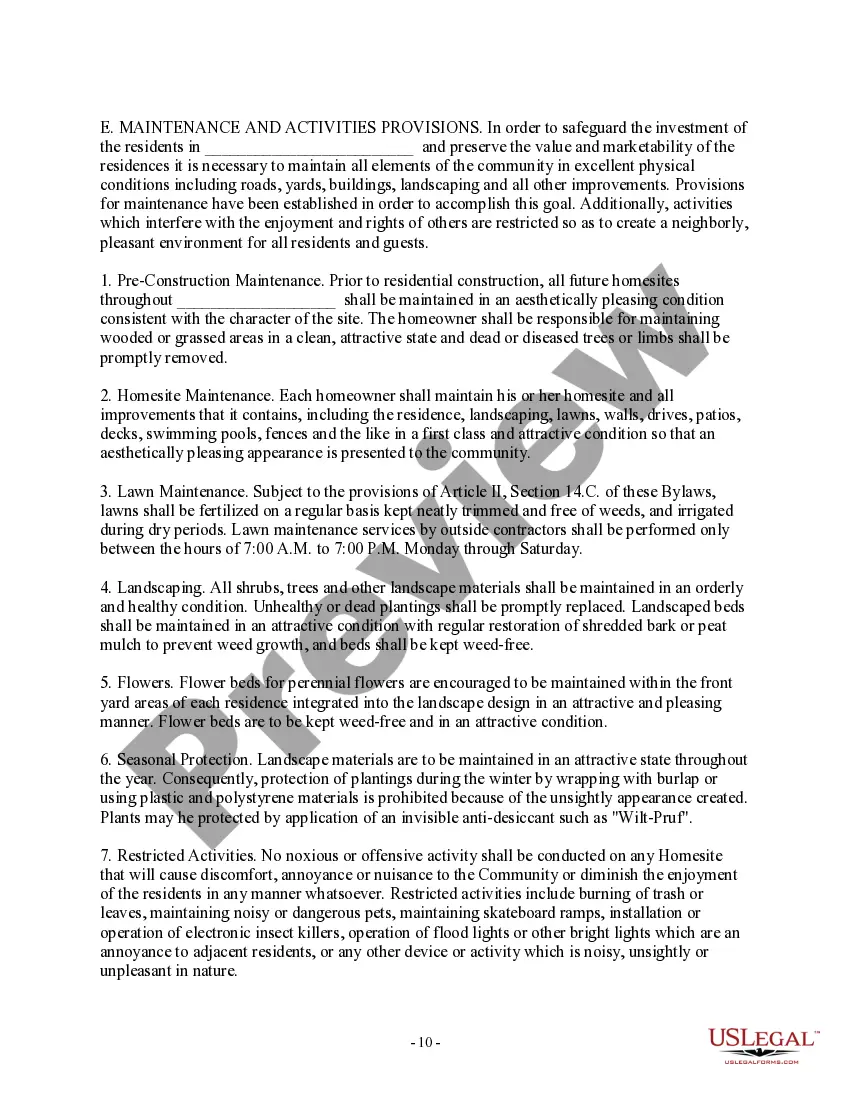


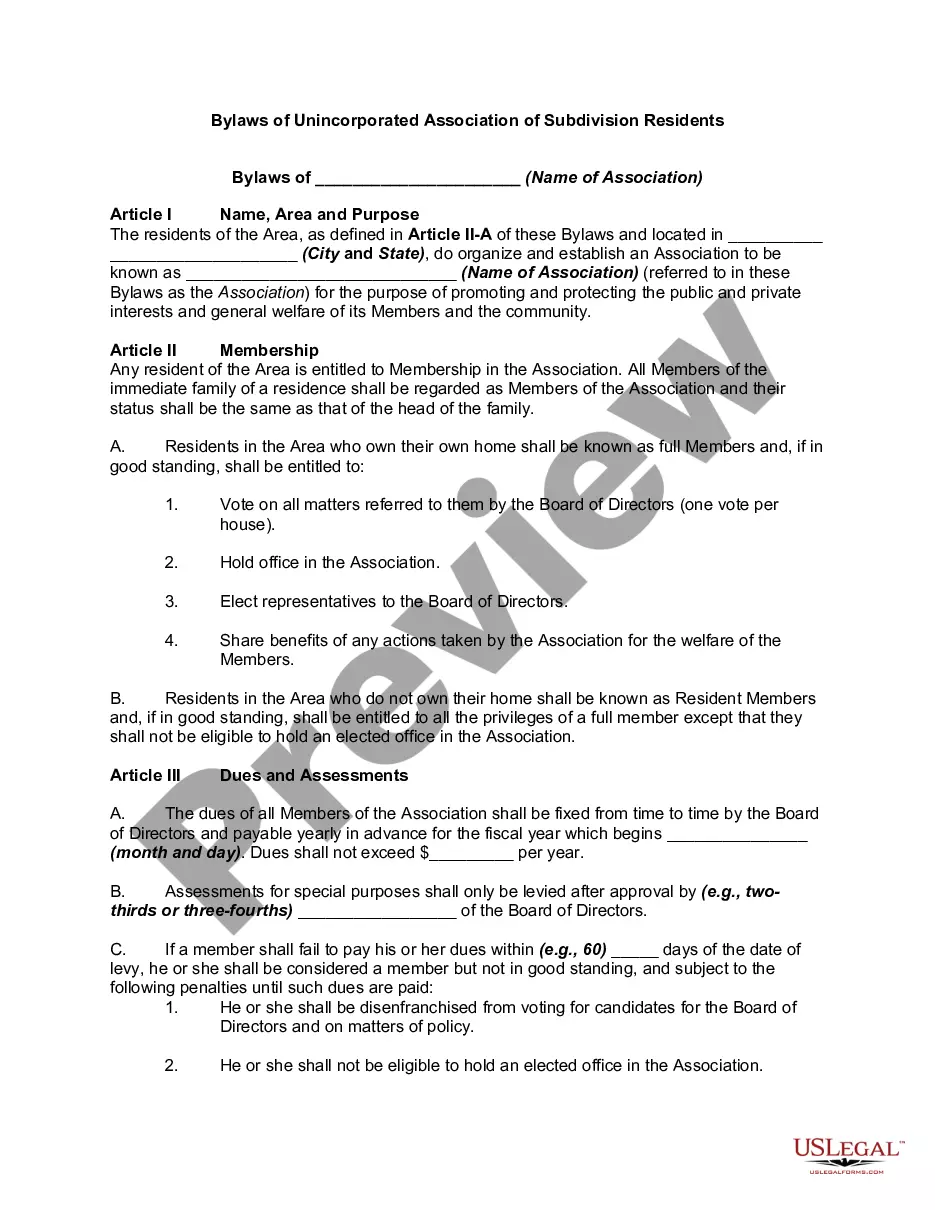
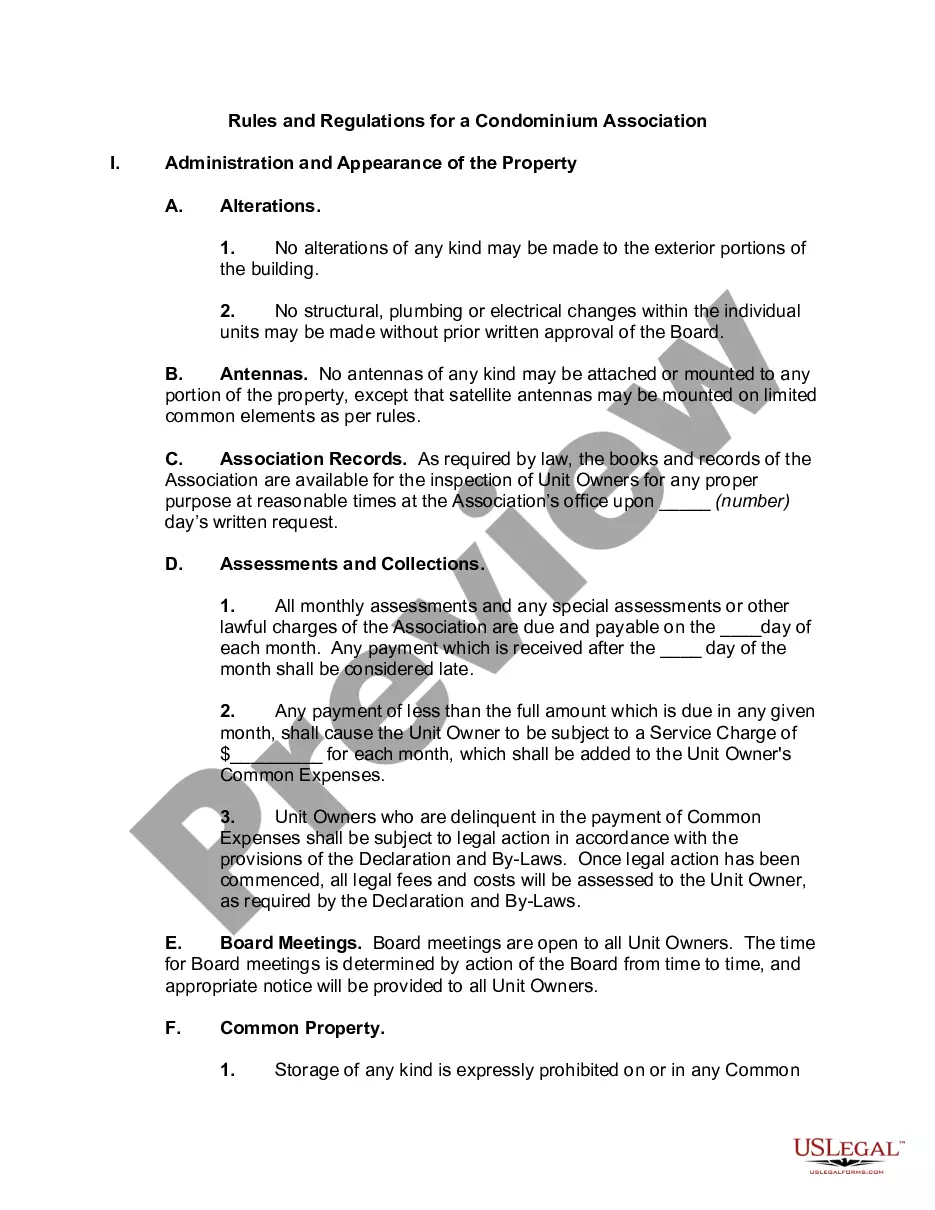

Get your form ready online
Our built-in tools help you complete, sign, share, and store your documents in one place.
Make edits, fill in missing information, and update formatting in US Legal Forms—just like you would in MS Word.
Download a copy, print it, send it by email, or mail it via USPS—whatever works best for your next step.
Sign and collect signatures with our SignNow integration. Send to multiple recipients, set reminders, and more. Go Premium to unlock E-Sign.
If this form requires notarization, complete it online through a secure video call—no need to meet a notary in person or wait for an appointment.
We protect your documents and personal data by following strict security and privacy standards.

Make edits, fill in missing information, and update formatting in US Legal Forms—just like you would in MS Word.

Download a copy, print it, send it by email, or mail it via USPS—whatever works best for your next step.

Sign and collect signatures with our SignNow integration. Send to multiple recipients, set reminders, and more. Go Premium to unlock E-Sign.

If this form requires notarization, complete it online through a secure video call—no need to meet a notary in person or wait for an appointment.

We protect your documents and personal data by following strict security and privacy standards.
Looking for another form?







Form popularity
FAQ
The Illinois General Not for Profit Corporation Act, which governs the vast majority of associations, requires that the board of directors of a corporation consist of three or more directors with the number of directors established in the bylaws.
Most homeowners associations are governed by either the Illinois inium Property Act or the Illinois Common Interest Community Association Act.
— Every association of homeowners shall be required to register with the HLURB. This registration shall serve to grant juridical personality to all such associations that have not previously acquired the same by operation of the General Corporation Law or by any other general law.
An HOA Board is held accountable by codes and laws. For example, homeowners associations in California are regulated by the California Corporation's Code, as well as other California state laws and codes. Some of these codes include: State of California Business and Professions Code.
Most homeowners associations are governed by either the Illinois inium Property Act or the Illinois Common Interest Community Association Act.
Understanding Illinois Homeowners' Association Law AspectKey Takeaway HOA Powers Power to regulate common areas, collect charges, levy fines, and foreclose on homes for unpaid liens. Entry to Property Most governing documents allow HOA entry to homes for maintenance under certain conditions.6 more rows
To legally establish an HOA in Illinois, the organization must submit Articles of Incorporation to the Illinois Secretary of State. The Illinois General Not For Profit Corporation Act of 1986 governs nonprofit corporations.
How can a homeowner file a complaint against an HOA in the state of Illinois? Homeowners can file a complaint against an HOA by contacting the Illinois Department of Financial and Professional Regulation. The state offers a dispute resolution service for certain issues, or legal action can be taken.
Most homeowners associations are governed by either the Illinois inium Property Act or the Illinois Common Interest Community Association Act.
In homeowners association cases, the Complaint shall be filed in the RAB which has jurisdiction over the region where the association is registered with the DHSUD.
