Homestead Application In Maryland In Illinois
Description





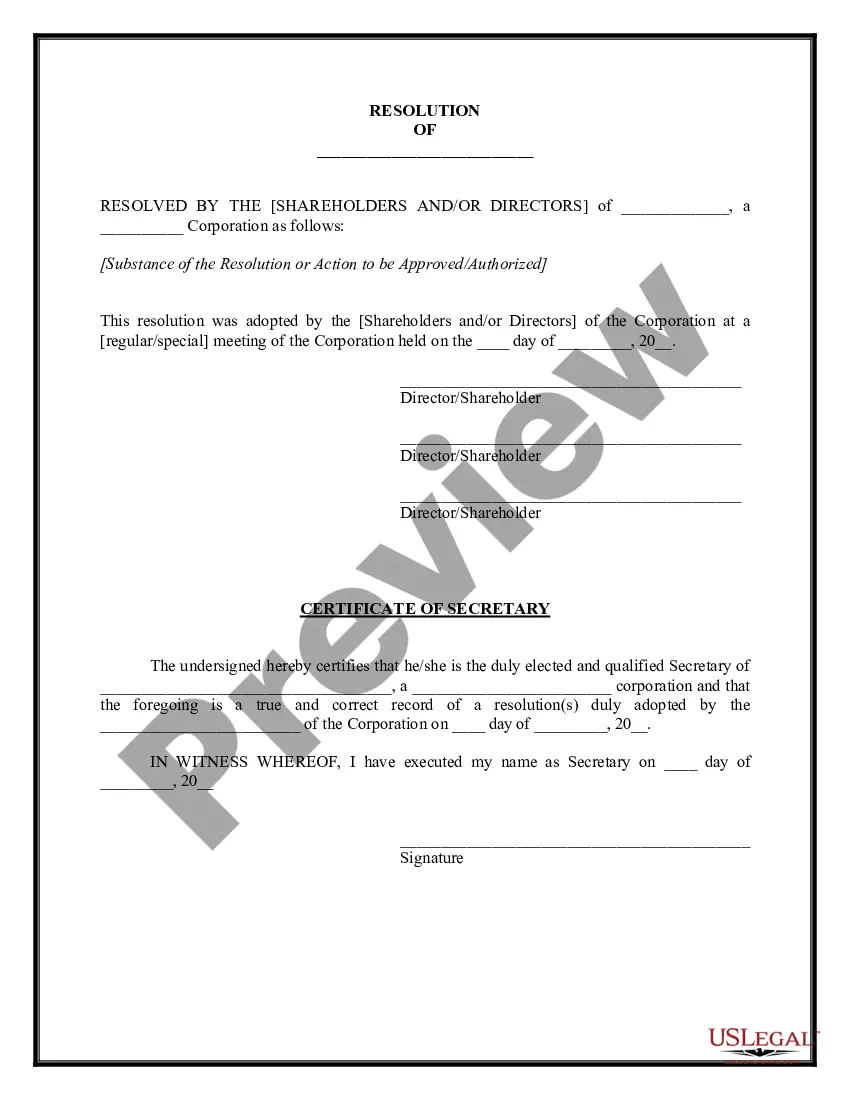
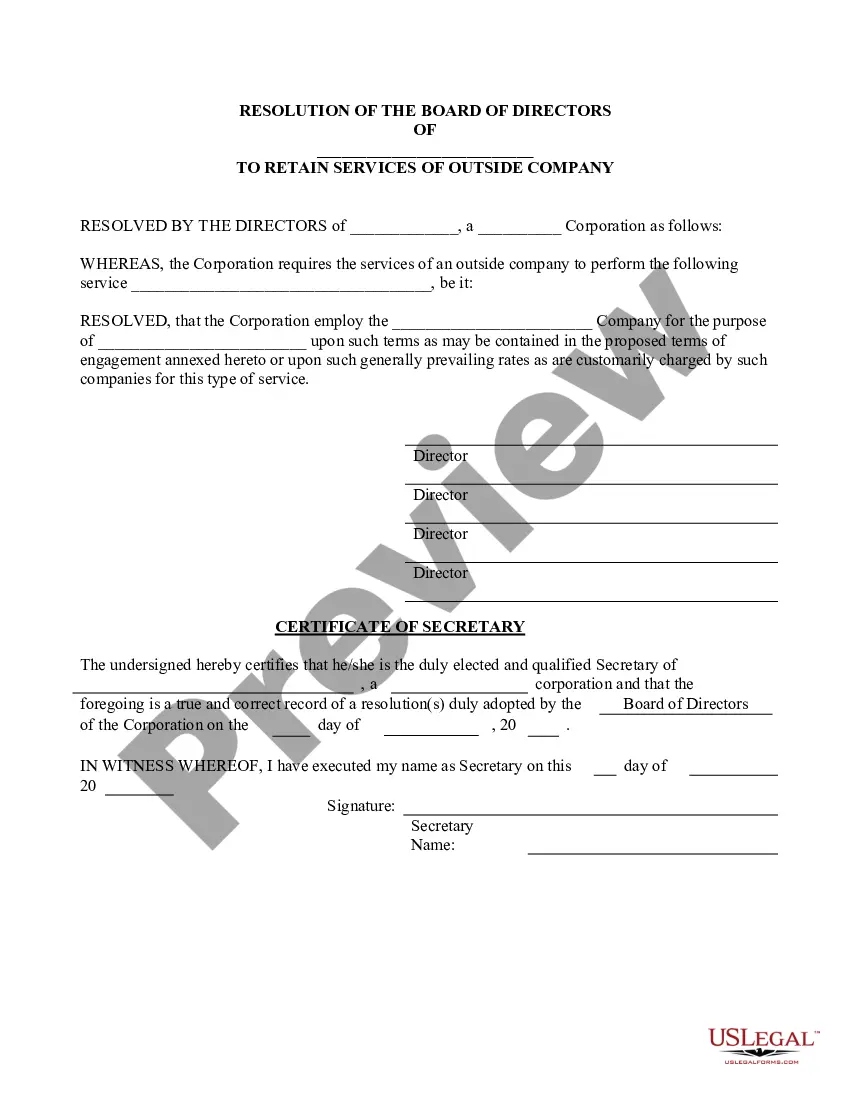
Get your form ready online
Our built-in tools help you complete, sign, share, and store your documents in one place.
Make edits, fill in missing information, and update formatting in US Legal Forms—just like you would in MS Word.
Download a copy, print it, send it by email, or mail it via USPS—whatever works best for your next step.
Sign and collect signatures with our SignNow integration. Send to multiple recipients, set reminders, and more. Go Premium to unlock E-Sign.
If this form requires notarization, complete it online through a secure video call—no need to meet a notary in person or wait for an appointment.
We protect your documents and personal data by following strict security and privacy standards.

Make edits, fill in missing information, and update formatting in US Legal Forms—just like you would in MS Word.

Download a copy, print it, send it by email, or mail it via USPS—whatever works best for your next step.

Sign and collect signatures with our SignNow integration. Send to multiple recipients, set reminders, and more. Go Premium to unlock E-Sign.

If this form requires notarization, complete it online through a secure video call—no need to meet a notary in person or wait for an appointment.

We protect your documents and personal data by following strict security and privacy standards.
Looking for another form?








Form popularity
FAQ
In Maryland, the homestead exemption applies to real property, including your home, condominium, or co-op. You must own and occupy the property in order to protect it. The homestead exemption also applies to a manufactured home you have converted to real property by permanently affixing it to the land.
The Senior Tax Credit is available to homeowners at least 65 for whom the property is their principal residence (see the HOTC page for details); Interested homeowners must submit the Homeowners Tax Credit Application to the Maryland State Department of Assessments and Taxation (SDAT).
Senior Citizen Homestead Exemption – Homeowners age 65 or older and living in their own home could be entitled to an additional homestead exemption. The homeowner should sign up for this exemption during the year in which he or she will turn 65. You will receive a renewal every year around January 1st.
This annual exemption is available for property that is occupied as a residence by a person 65 years of age or older who is liable for paying real estate taxes on the property and is an owner of record of the property or has a legal or equitable interest therein as evidenced by a written instrument, except for a ...
Most senior homeowners are eligible for this exemption if they are 65 years of age or older (born in 1958 or prior) and own and occupy their property as their principal place of residence. Once this exemption is applied, the Assessor's Office automatically renews it for you each year.
The credit is based on the 10% limit for purposes of the State property tax, and 10% or less for purposes of local taxation. In other words, the homeowner pays no property tax on the assessment increase which is above the limit.
Senior homeowners are eligible for this exemption if they are over 65 years of age and have a total household annual income of $65,000 or less in the 2022 calendar year. A "Senior Freeze" Exemption provides property tax savings by freezing the equalized assessed value (EAV) of an eligible property.
General Homestead Exemption (GHE) (35 ILCS 200/15-175) The amount of exemption is the increase in the current year's equalized assessed value (EAV), above the 1977 EAV, up to a maximum of $10,000 in Cook County, $8,000 in counties contiguous to Cook County, and $6,000 in all other counties.
A further condition is that the dwelling must be the owner's principal residence and the owner must have lived in it for at least six months of the year, including July 1 of the year for which the credit is applicable, unless the owner was temporarily unable to do so by reason of illness or need of special care.
How Much Is the Homestead Exemption in a Maryland Bankruptcy? Maryland Homestead Exemption Homestead exemption amount $25,150 Can spouses who file a joint bankruptcy double the exemption? No Homestead exemption law S.C. Code Ann. §§ 15-41-30(A)(1)(a), (b) Other information Amounts are subject to change.1 more row

