Bylaws For Condo Association In Harris
Description

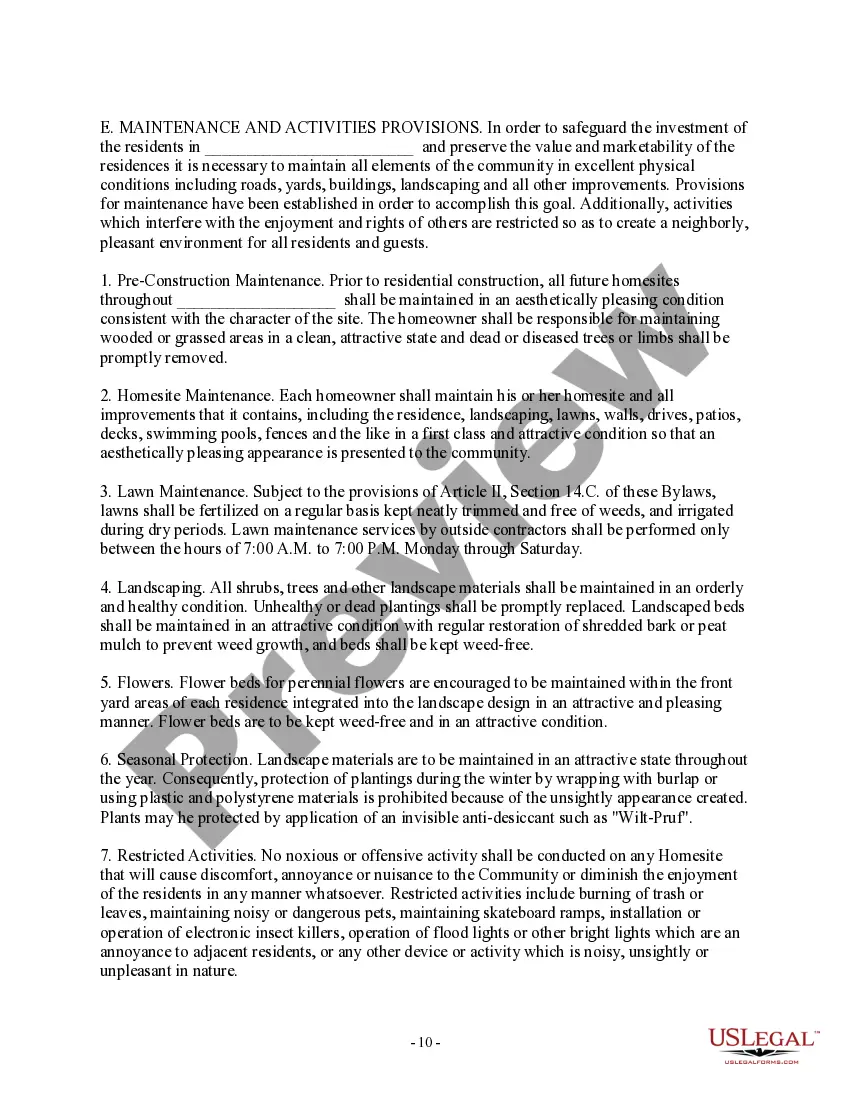


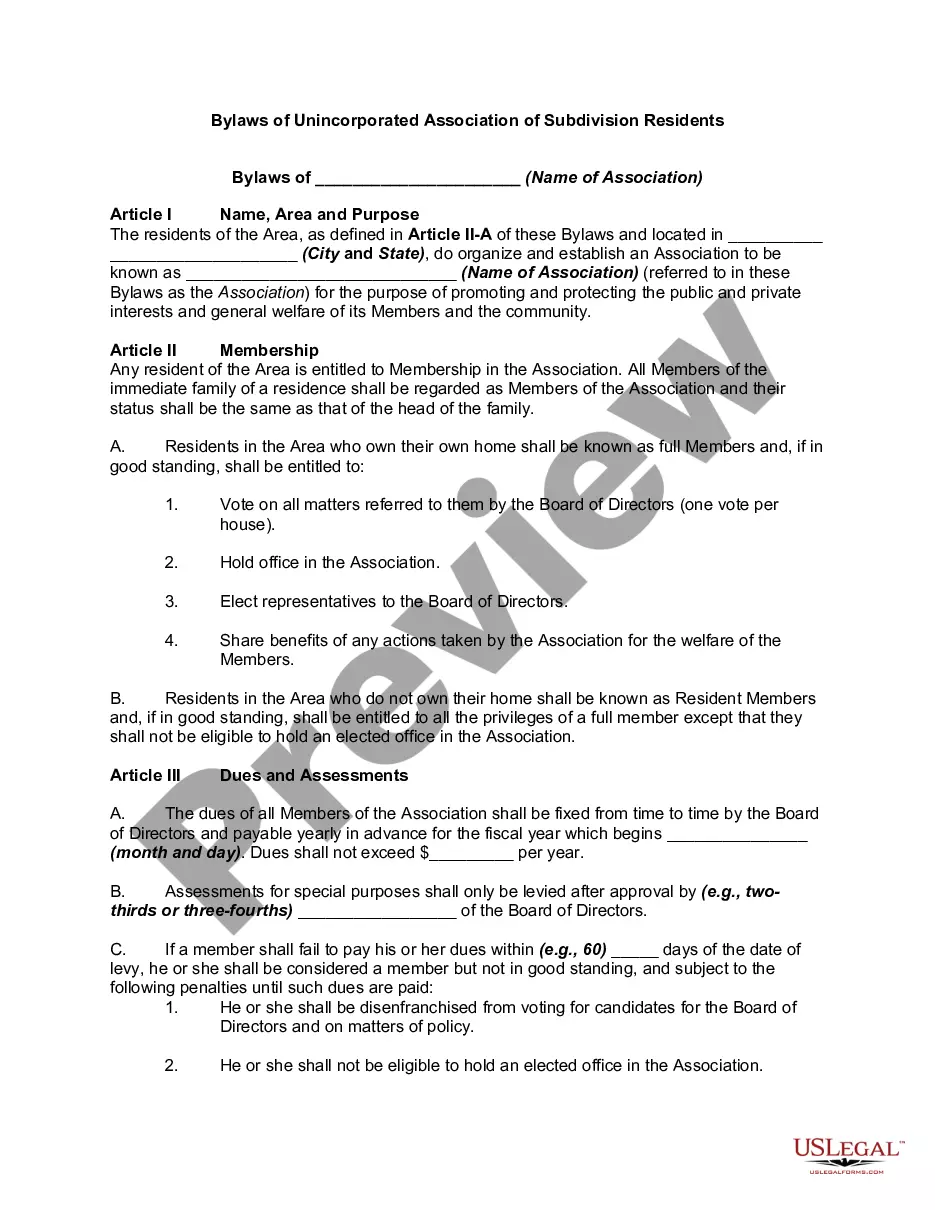
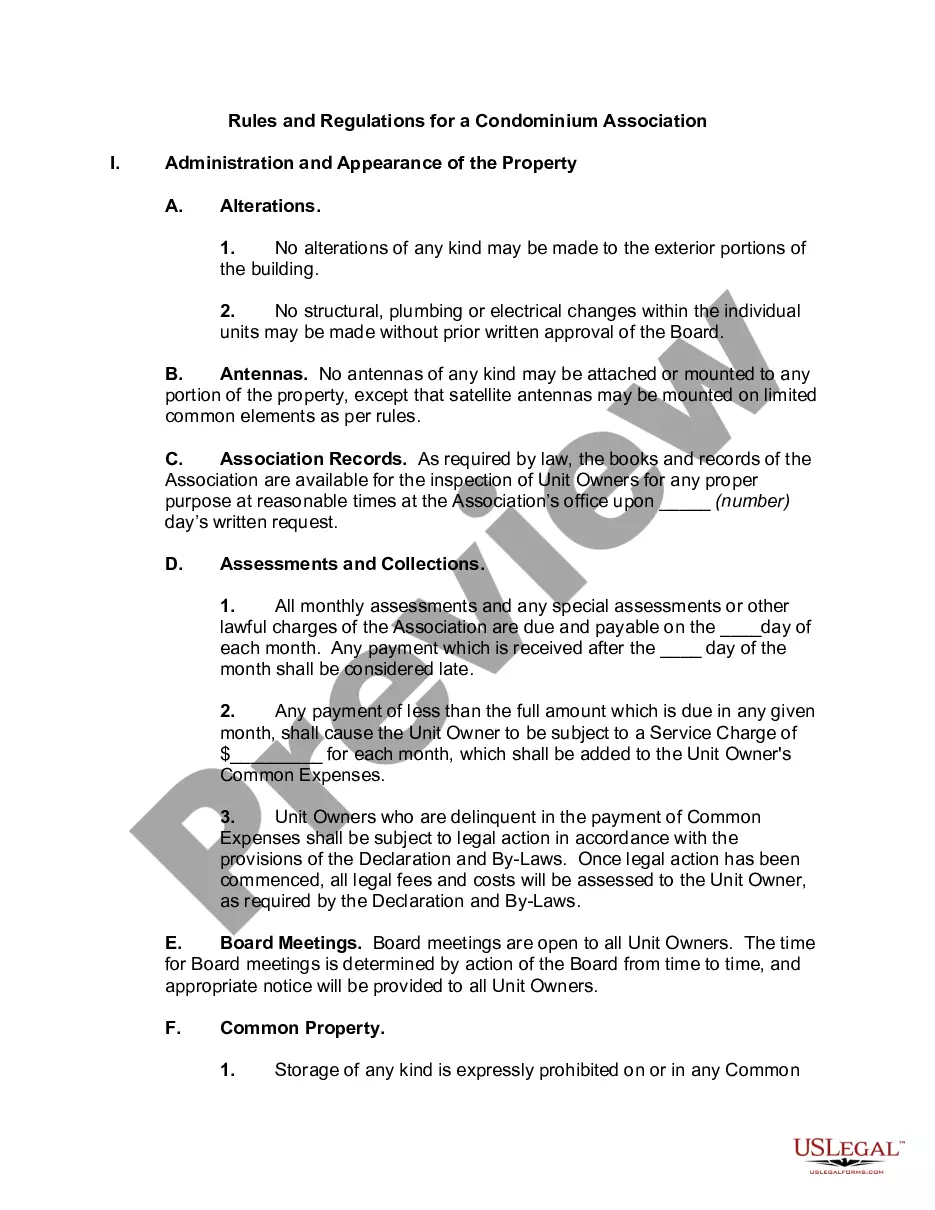
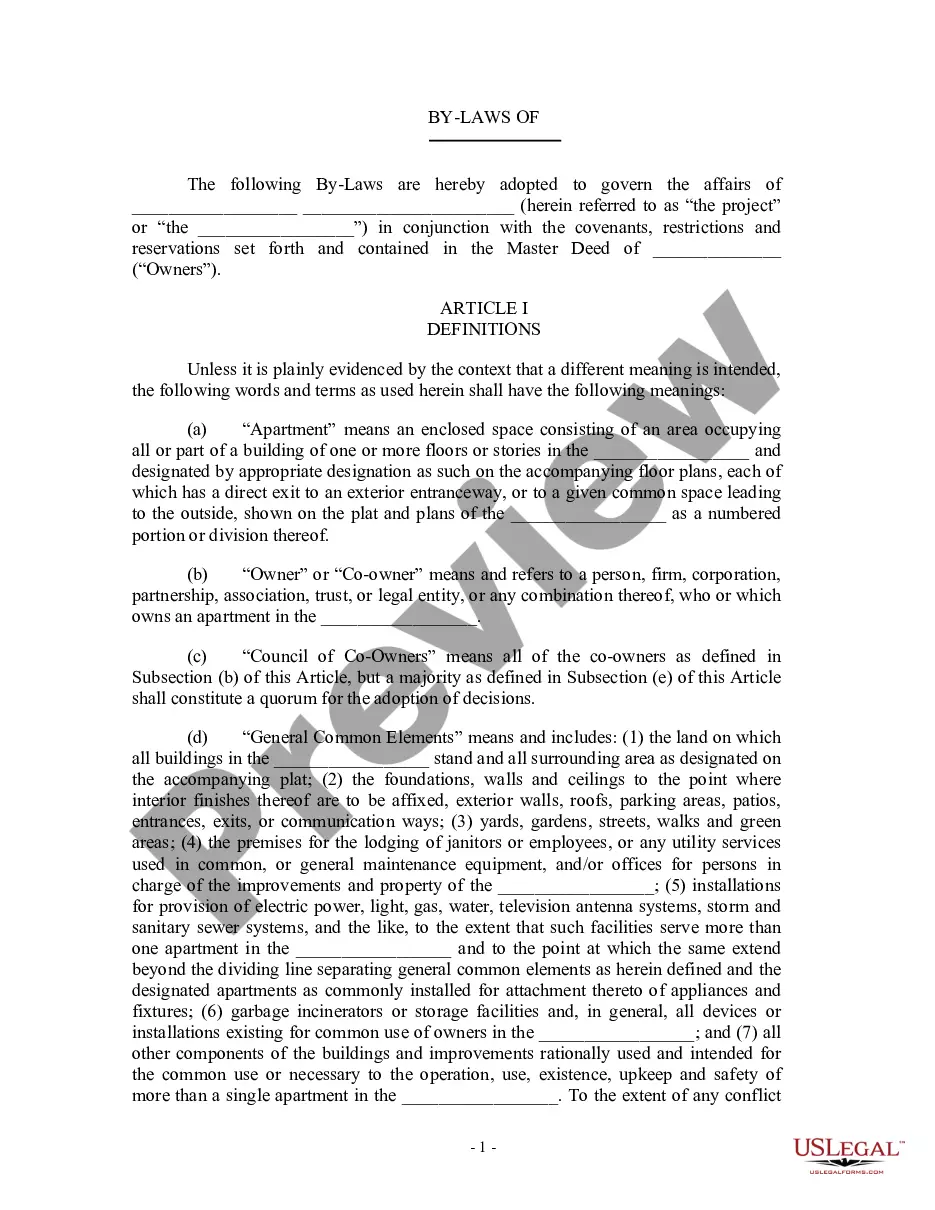
Get your form ready online
Our built-in tools help you complete, sign, share, and store your documents in one place.
Make edits, fill in missing information, and update formatting in US Legal Forms—just like you would in MS Word.
Download a copy, print it, send it by email, or mail it via USPS—whatever works best for your next step.
Sign and collect signatures with our SignNow integration. Send to multiple recipients, set reminders, and more. Go Premium to unlock E-Sign.
If this form requires notarization, complete it online through a secure video call—no need to meet a notary in person or wait for an appointment.
We protect your documents and personal data by following strict security and privacy standards.

Make edits, fill in missing information, and update formatting in US Legal Forms—just like you would in MS Word.

Download a copy, print it, send it by email, or mail it via USPS—whatever works best for your next step.

Sign and collect signatures with our SignNow integration. Send to multiple recipients, set reminders, and more. Go Premium to unlock E-Sign.

If this form requires notarization, complete it online through a secure video call—no need to meet a notary in person or wait for an appointment.

We protect your documents and personal data by following strict security and privacy standards.
Looking for another form?



Form popularity
FAQ
House Bill 614 is a significant step towards a more balanced and equitable relationship between HOAs and homeowners in Texas. By clearly outlining fining procedures and ensuring your right to due process, this HOA law empowers you to navigate your HOA community with confidence.
All communities differ, and larger HOAs may have bigger boards while smaller ones have fewer members. On average, an HOA's board is comprised of three to five members.
There must be at least three people on the Board of Directors. If an association's governing documents do not state how many people must serve on the Board of Directors, Texas law says that the number will be equal to the initial number of directors listed in the Articles of Incorporation.
(D) Quorum. Twenty-five percent of the members represented by person or by proxy shall constitute a quorum at a meeting of the members. If less than 25% of the members are represented at a meeting, a majority of the outstanding members so represented may adjourn the meeting from time to time without further notice.
The maximum special assessment that a HOA in Texas can impose is five percent of the current year's budgeted gross expenses, though a community vote may be required to approve this. However, the vote must be approved by a majority of the members in the community.
Disclosure Requirements Disclosure is mandated by law, often through public records and real property records. Before purchasing a home, buyers must receive a set of documents detailing the HOA's health, such as its covenants, conditions, restrictions, bylaws, rules, and financial statements.
The local law supersedes the rules and regulations of the HOA, meaning that HOAs must ensure they are operating under the law.
Once you buy a home that's part of an HOA, you automatically become a member of the HOA. HOA rules are legally binding, and you must adhere to all rules and regulations in the governing document. Yes, there are bylaws that you may not like, but there are no HOA loopholes.
Certificates are filed in the county where the property is located and electronically in the Homeowners' Association Management Certificate Database. They often include contact information, mailing address, and website where governing documents can be found.
Eligibility. In general, Texas law does not contain any specific requirements for someone to be eligible to serve on the Board of Directors. A director doesn't even have to be a member of the organization. However, many property owners' associations create their own eligibility requirements in the governing documents.
