Condo Rules For Renovation In Bronx
Description














Get your form ready online
Our built-in tools help you complete, sign, share, and store your documents in one place.
Make edits, fill in missing information, and update formatting in US Legal Forms—just like you would in MS Word.
Download a copy, print it, send it by email, or mail it via USPS—whatever works best for your next step.
Sign and collect signatures with our SignNow integration. Send to multiple recipients, set reminders, and more. Go Premium to unlock E-Sign.
If this form requires notarization, complete it online through a secure video call—no need to meet a notary in person or wait for an appointment.
We protect your documents and personal data by following strict security and privacy standards.

Make edits, fill in missing information, and update formatting in US Legal Forms—just like you would in MS Word.

Download a copy, print it, send it by email, or mail it via USPS—whatever works best for your next step.

Sign and collect signatures with our SignNow integration. Send to multiple recipients, set reminders, and more. Go Premium to unlock E-Sign.

If this form requires notarization, complete it online through a secure video call—no need to meet a notary in person or wait for an appointment.

We protect your documents and personal data by following strict security and privacy standards.
Looking for another form?








Form popularity
FAQ
Over time, condos have the potential to appreciate in value, offering opportunities for long-term financial gain. However, it's important to consider factors like homeowners' association (HOA) fees and rules, which can affect the overall profitability of the property.
For instance, painting, installing new flooring, or changing fixtures are generally permitted without requiring approval. Additionally, upgrading countertops, cabinets, or appliances usually doesn't require a permit, but it's advisable to check with your condo board for specific guidelines.
The 30% rule means that you keep your renovation budget within 30% of the value of your property's market value. The 30% rule avoids overspending and means you don't make costly changes to your property that don't actually provide a healthy return on investment.
In condo remodeling, removing a wall often tops the list of significant alterations. Although potential wall removal is generally possible, any alteration that might affect the structural integrity of the building requires HOA board approval.
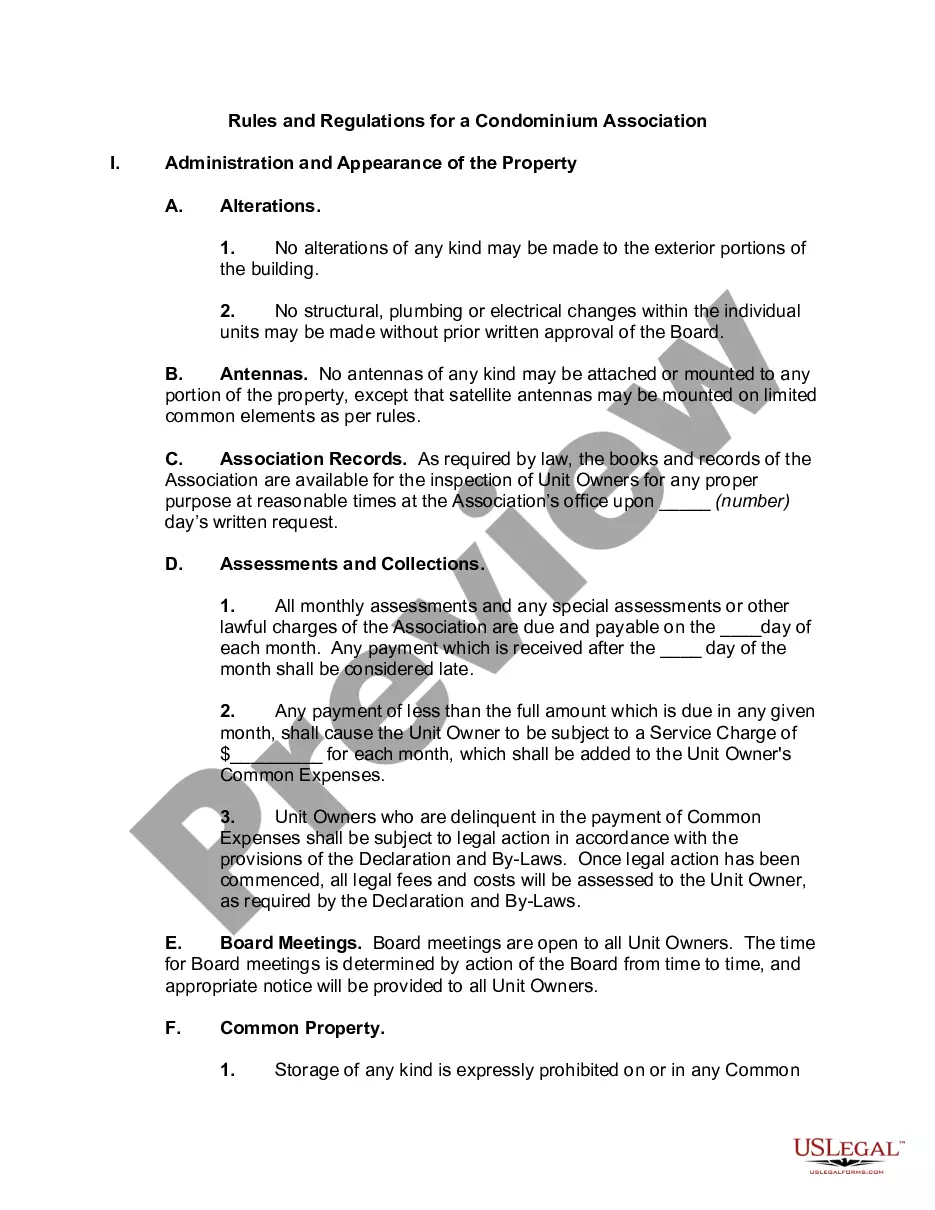
Alteration Agreement Both co-ops and condos typically require alteration agreements if you want to renovate your unit. In co-ops, this is crucial because the co-op board makes decisions on behalf of the building and needs to approve modifications to maintain the building's appearance and structural integrity.
Check the Condo Association Rules Condo rules usually provide information about the areas you can remodel, the permitted alterations, and to what extent you can make those changes. For example, they may allow you to change the color of the interior painting but restrict you from changing the kitchen floor.
NYC apartment renovations typically need to be filed as An Alteration Type 2 with the NYC Department Of Buildings by a Registered Architect. List of some examples of projects that require permits for apartment renovations in NYC: Building or Removing Walls.
Renovating in NYC involves working closely with the Department of Buildings (DOB), which ensures all projects comply with building codes and zoning regulations. Your project will undergo the standard plan examination and permit process.
No installation and modification to any electrical systems can be performed without a permit.
