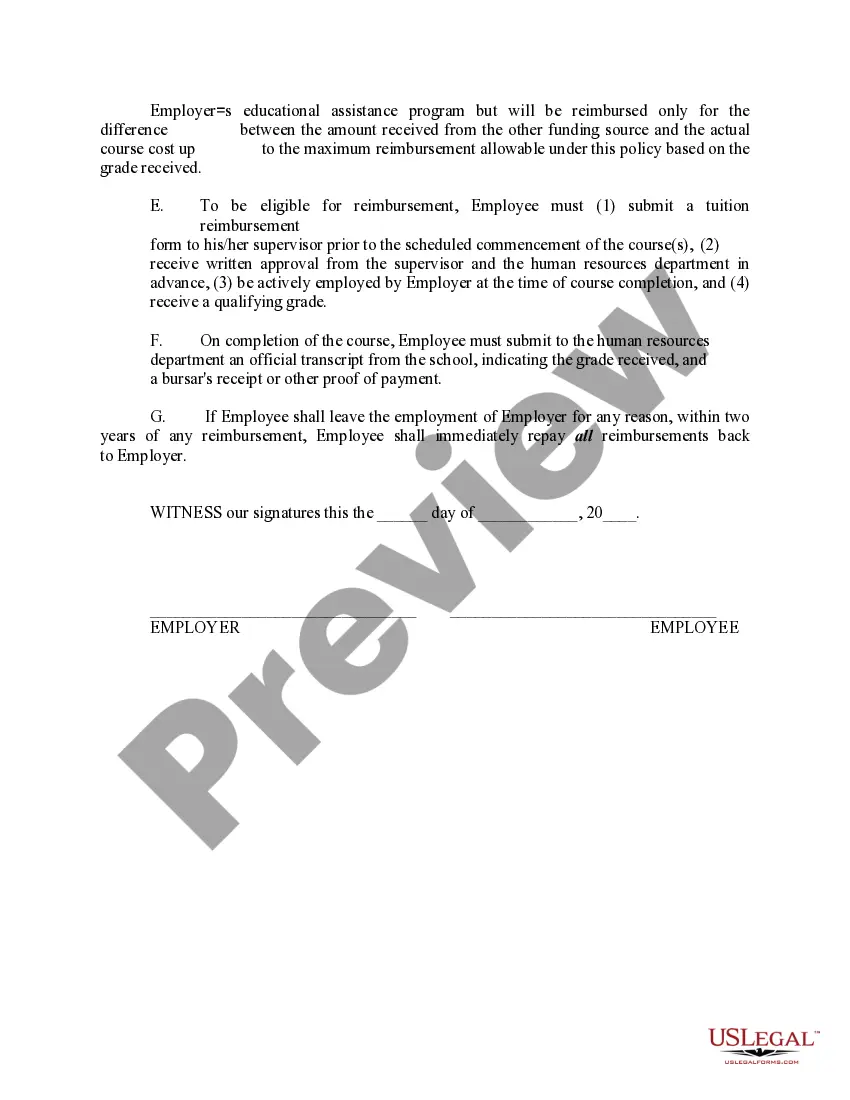
Employee Whereas Assistance For Employees In Wake
Description

Get your form ready online
Our built-in tools help you complete, sign, share, and store your documents in one place.
Make edits, fill in missing information, and update formatting in US Legal Forms—just like you would in MS Word.
Download a copy, print it, send it by email, or mail it via USPS—whatever works best for your next step.
Sign and collect signatures with our SignNow integration. Send to multiple recipients, set reminders, and more. Go Premium to unlock E-Sign.
If this form requires notarization, complete it online through a secure video call—no need to meet a notary in person or wait for an appointment.
We protect your documents and personal data by following strict security and privacy standards.

Make edits, fill in missing information, and update formatting in US Legal Forms—just like you would in MS Word.

Download a copy, print it, send it by email, or mail it via USPS—whatever works best for your next step.

Sign and collect signatures with our SignNow integration. Send to multiple recipients, set reminders, and more. Go Premium to unlock E-Sign.

If this form requires notarization, complete it online through a secure video call—no need to meet a notary in person or wait for an appointment.

We protect your documents and personal data by following strict security and privacy standards.
Looking for another form?







Form popularity
FAQ
How can you help a struggling employee improve their performance? Identify the problem. Provide feedback. Set goals and action plan. Provide support and coaching. Monitor and evaluate. Here's what else to consider.
Use these tips to learn how to support your employees and build strong relationships within your team: Encourage active listening. Offer practical assistance. Show empathy and understanding. Be mindful of nonverbal cues. Respect boundaries and privacy.
Counsel letting their focus be work alone while they are on the job. Then offer to spend some time with them after work to discuss things. Don't try to solve their problems, just be a good listener. Be alongside them in their troubles and offer what support you can. Advice is usually not what people need in a crisis.
How Do You Manage an Employee Experiencing a Personal Crisis? Remember to Maintain Professional Boundaries. Listen to Your Employee About Their Needs. Don't Over-Promise. Remember to Follow Up Appropriately with Your Employee. Offer Consistent Support Across Your Workforce.
Refer the employee to appropriate resources Let them know of resources the company has for employees in their situation. If necessary, work as an intermediary between them and coworkers with whom they may be having issues. Give them recommendations on people with whom they can speak.
Use these tips to help guide your advice: Ask. Before offering advice, be sure it is something your colleague wants. Be kind. Try not to judge your colleague, and give advice that is kind and helpful. Be honest. Honesty helps ensure that the advice you give is helpful. Listen. Collaborate.
Helping an employee handle personal issues shows that the company cares about their wellbeing and can help improve the employee's performance when the crisis is resolved. Do Listen and Be Compassionate. Don't Be Too Friendly. Don't Assume the Problem is at Home. Do Offer Reasonable Assistance.
Supporting Colleagues Experiencing Grief: Listen Actively : Sometimes, the most significant support is simply being there to listen. Offer Flexibility : Consider offering flexible working hours, additional breaks, or time off as needed. Check In Regularly : Grief doesn't have a set timeline.
As you build a plan, consider the “three Cs”: choose, connect, communicate. Choose: Choose what's best for you. Even during dark bouts of grief, you still possess the dignity of choice. “Grief often brings the sense of loss of control,” says Julie.
Ask co-workers to write down, email or text important information to you. Meet regularly with your supervisor to let him or her know how you're doing. Avoid making any major personal or work–related decisions the first year or, ing to some grief counsellors, up to 2 years. Be patient with your co-workers.
