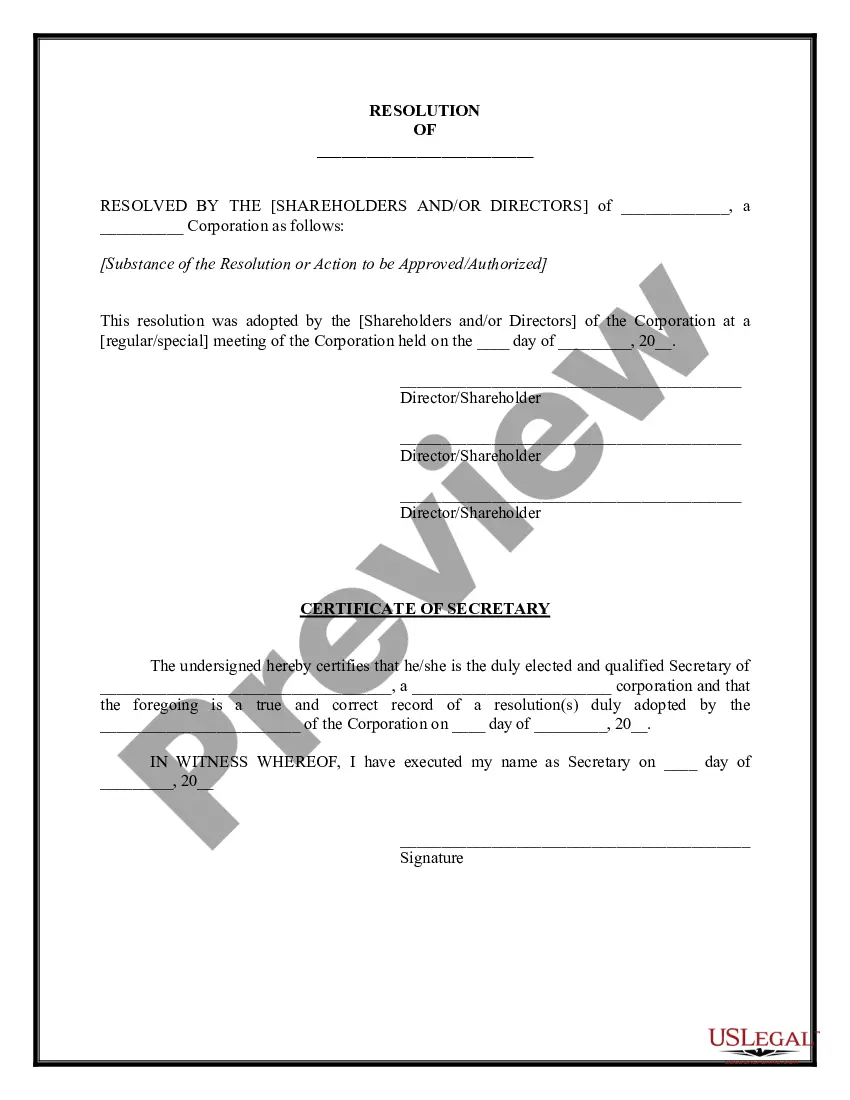
Completion Report For In Sacramento
Description
Get your form ready online
Our built-in tools help you complete, sign, share, and store your documents in one place.
Make edits, fill in missing information, and update formatting in US Legal Forms—just like you would in MS Word.
Download a copy, print it, send it by email, or mail it via USPS—whatever works best for your next step.
Sign and collect signatures with our SignNow integration. Send to multiple recipients, set reminders, and more. Go Premium to unlock E-Sign.
If this form requires notarization, complete it online through a secure video call—no need to meet a notary in person or wait for an appointment.
We protect your documents and personal data by following strict security and privacy standards.

Make edits, fill in missing information, and update formatting in US Legal Forms—just like you would in MS Word.

Download a copy, print it, send it by email, or mail it via USPS—whatever works best for your next step.

Sign and collect signatures with our SignNow integration. Send to multiple recipients, set reminders, and more. Go Premium to unlock E-Sign.

If this form requires notarization, complete it online through a secure video call—no need to meet a notary in person or wait for an appointment.

We protect your documents and personal data by following strict security and privacy standards.
Looking for another form?




Form popularity
FAQ
Sometimes a buried well can be found with a metal detector. Sometimes you can find that information on file with property records. Failing those things, the only way to determine the well location is to follow electrical lines and pipes from the house to the well.
Contact your local county health department. Navigate to the location, click on the well in question, and in the popup will be some details as well as a link to the well log.
How do you write a closure report? Arrange a project post-mortem. Briefly summarize the project and its objectives. Describe what the team accomplished during the project. Discuss any lessons learned during the project. Make recommendations for future projects. Thank your team and sponsors.
The Project Completion Report (PCR) is a tool for accountability and learning. The accountability purpose addresses the need for the Bank to ensure that the project resources were used for the purposes for which the project was granted, with due attention to effectiveness and efficiency.
The well completion report provides information about the total depth of the well, the date the well was drilled, the contractor and the permit number.
Completion Report means the final report prepared by the Consultant at the completion of the Services (for detailed requirements refer to Appendix 1, Scope of Services).
The volume of the well is calculated by the formula. V = ((J D2)/ 4) d. Volume of water: V = ((π D2)/4) (d total – d water level) V = ((3.1416 0.52)/4) (100 –40) V = 3.927 ft3. V = 88.0 gallons. Volume of bleach needed. V = 88.0gal/ 500 gal/ gal of bleach.
It provides written documentation of the planned and actual budget, the baseline and actual schedule, and documents recommendations for other projects of similar size and scope. Be certain to identify in the report the project successes, problems on the project, and new ideas that were successful on the project.