Example Of A Cover Letter For Resume In Phoenix
Description
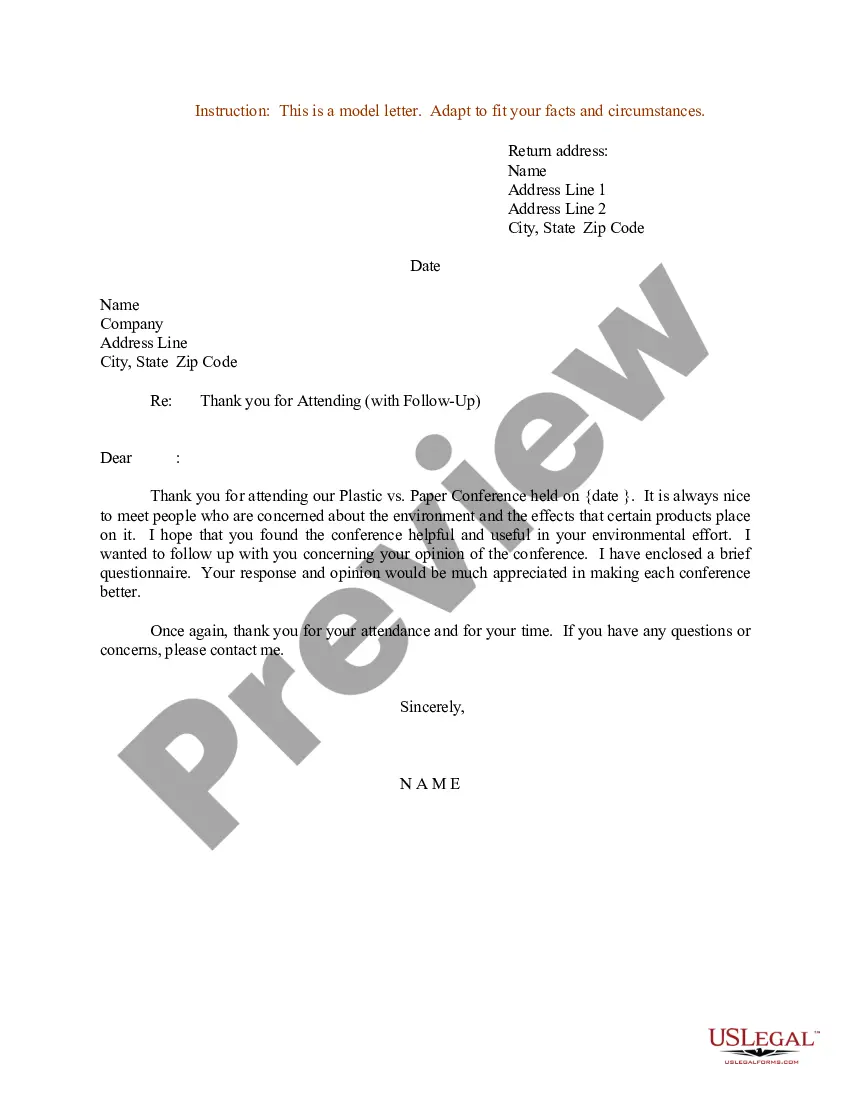
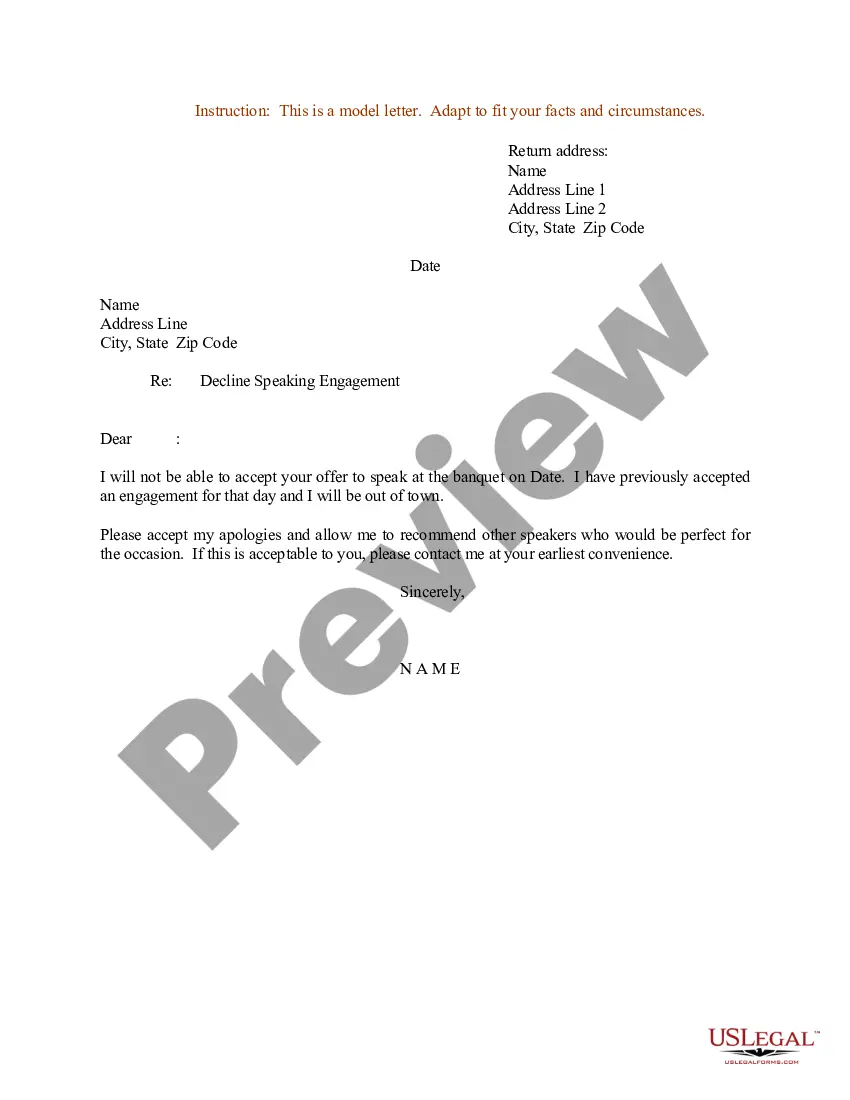
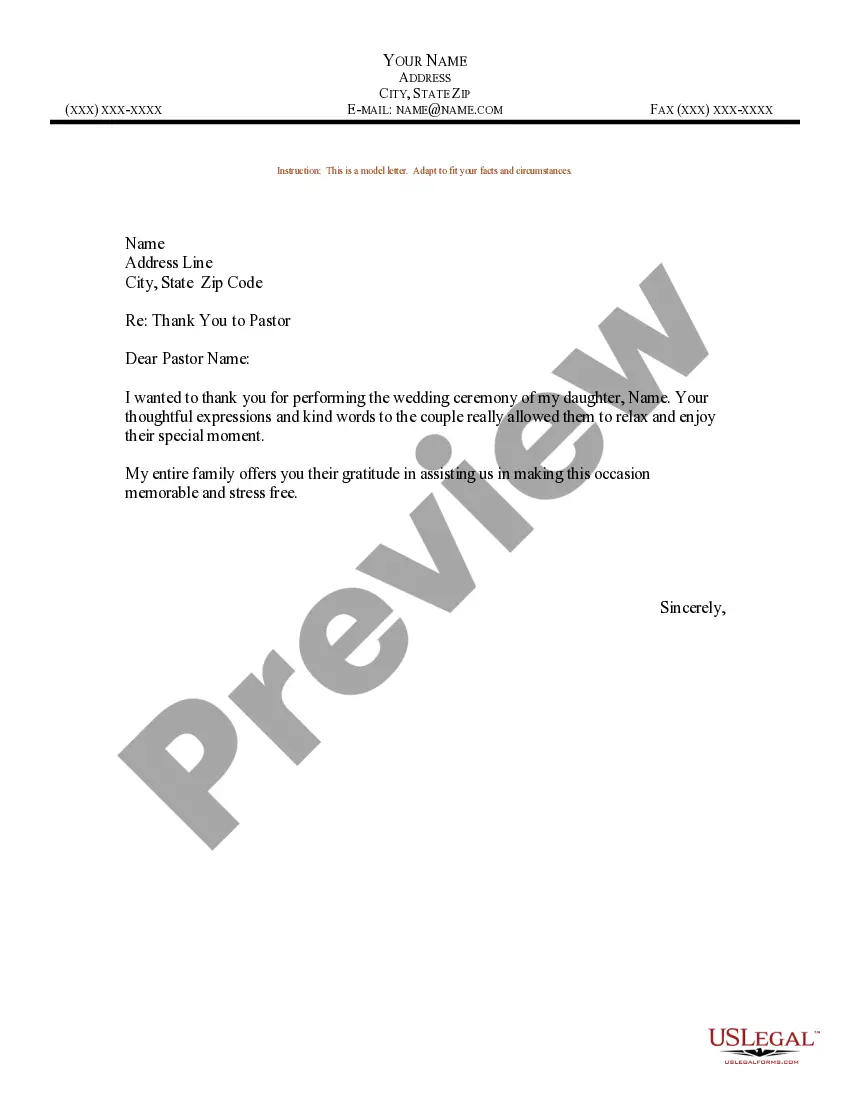
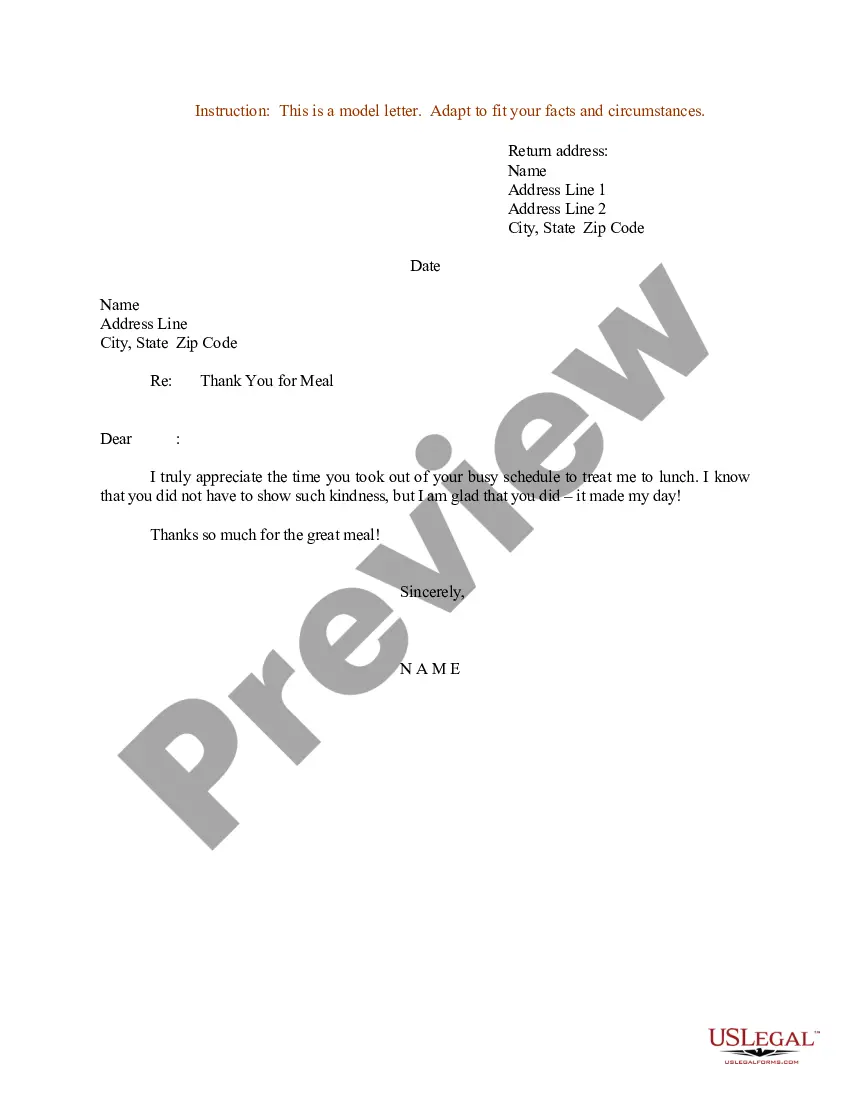
Get your form ready online
Our built-in tools help you complete, sign, share, and store your documents in one place.
Make edits, fill in missing information, and update formatting in US Legal Forms—just like you would in MS Word.
Download a copy, print it, send it by email, or mail it via USPS—whatever works best for your next step.
Sign and collect signatures with our SignNow integration. Send to multiple recipients, set reminders, and more. Go Premium to unlock E-Sign.
If this form requires notarization, complete it online through a secure video call—no need to meet a notary in person or wait for an appointment.
We protect your documents and personal data by following strict security and privacy standards.

Make edits, fill in missing information, and update formatting in US Legal Forms—just like you would in MS Word.

Download a copy, print it, send it by email, or mail it via USPS—whatever works best for your next step.

Sign and collect signatures with our SignNow integration. Send to multiple recipients, set reminders, and more. Go Premium to unlock E-Sign.

If this form requires notarization, complete it online through a secure video call—no need to meet a notary in person or wait for an appointment.

We protect your documents and personal data by following strict security and privacy standards.
Looking for another form?



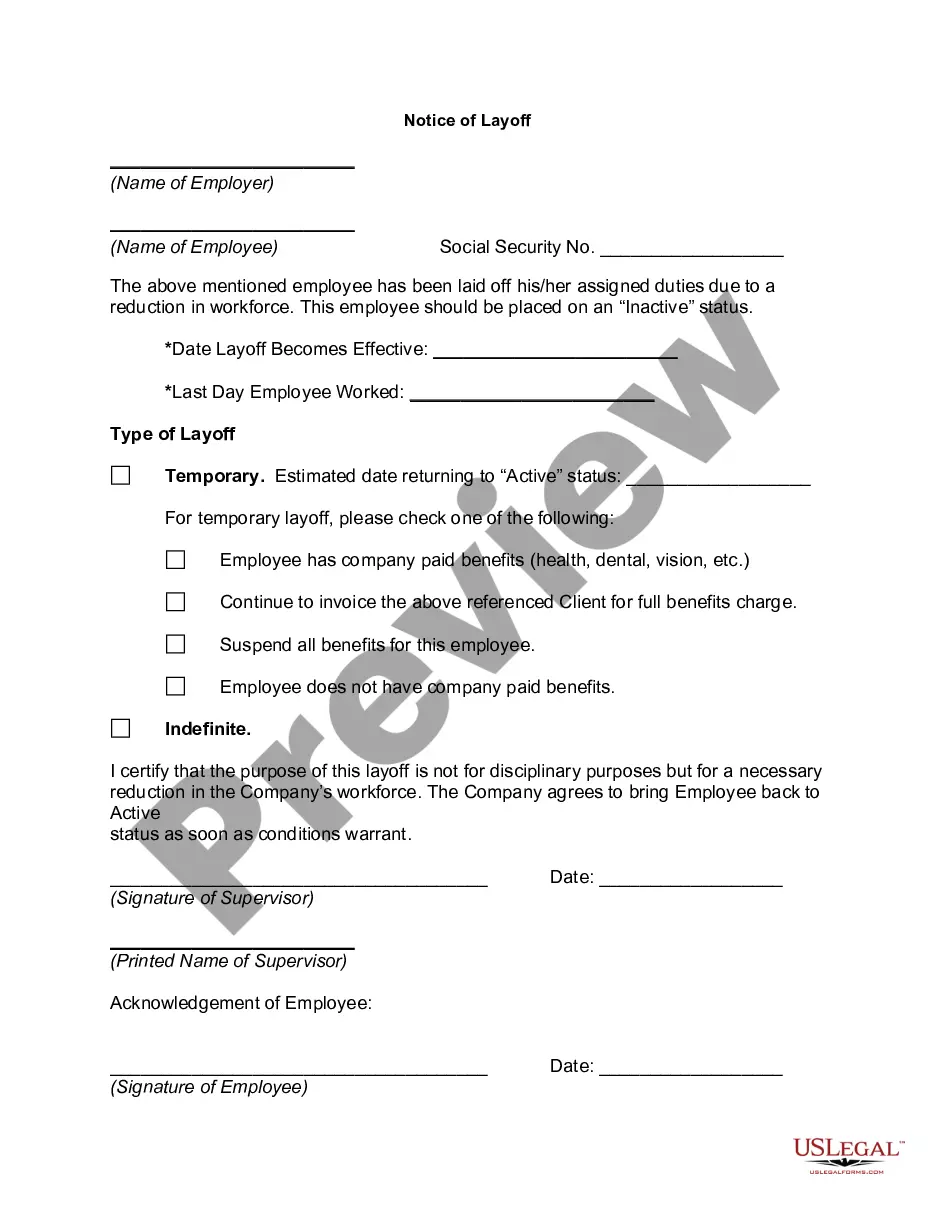
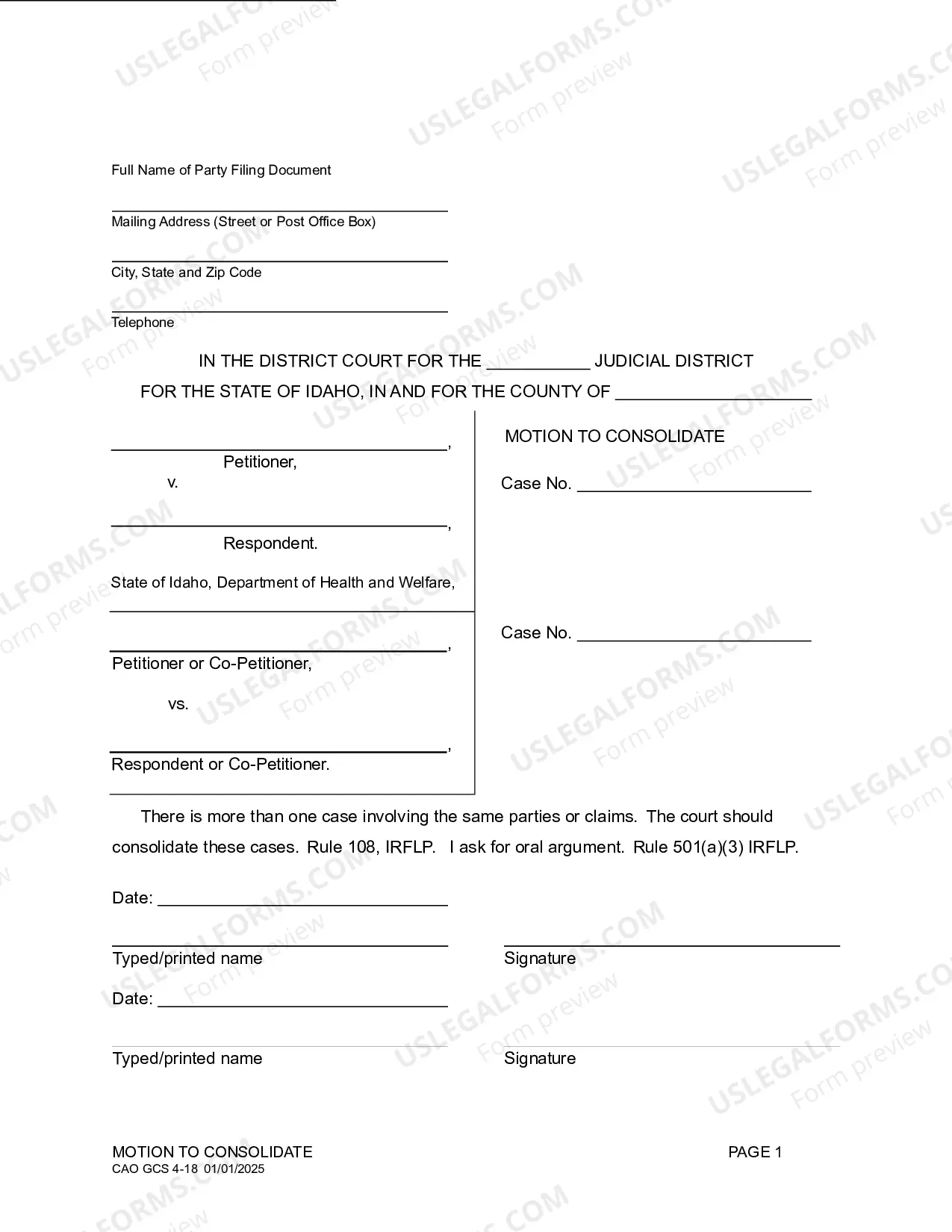
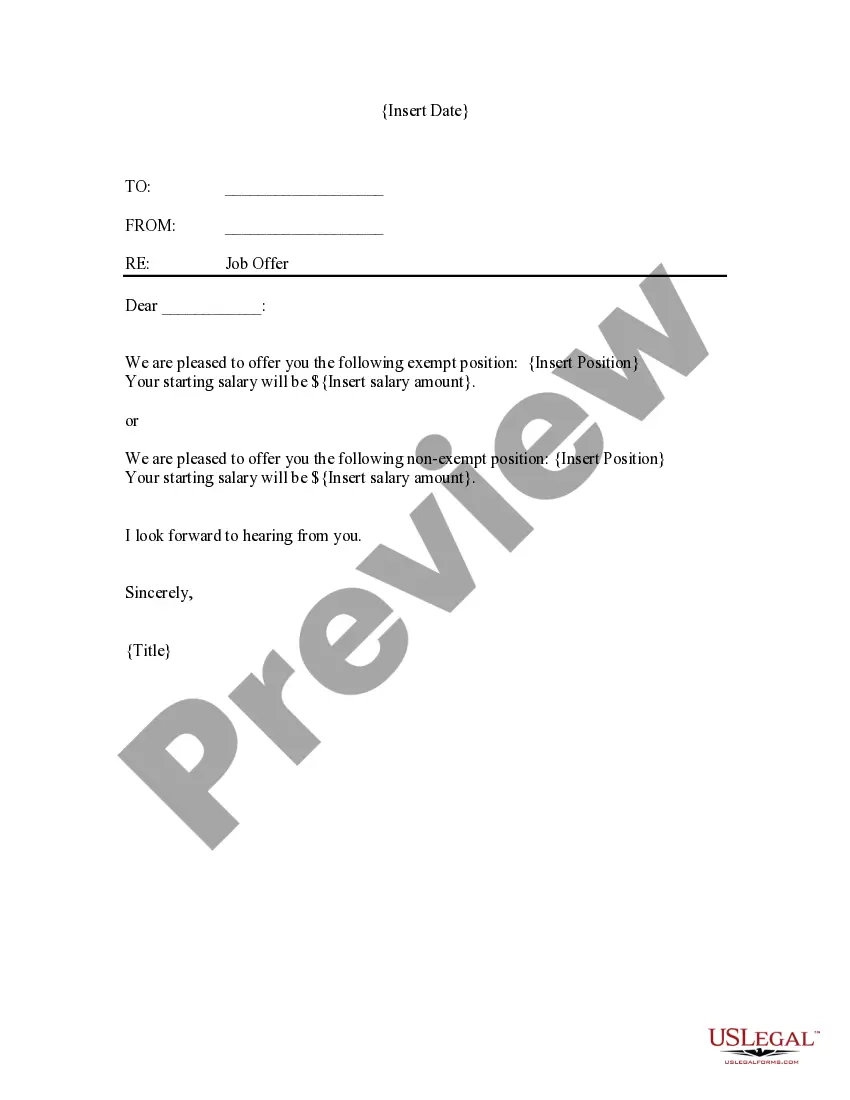
Form popularity
FAQ
How to write a career change cover letter Include contact details. Introduce yourself. Express your interest and excitement. Detail your prior responsibilities. Mention your transferable skills. Discuss what you can offer the hiring organisation. Determine your strengths and weaknesses. Research the hiring organisation.
Salutation: Politely address the hiring manager by name or title (for example, “Dear Ms. Prudence” or “Dear Hiring Manager”) The intro paragraph: Introduce yourself and express your interest in the position. The “hard sell” paragraph: Show how qualified you are for the position.
A cover letter is a 250 - 400 word document that's meant to convince the hiring manager that you're the best candidate for the job. Your job application should always include a cover letter alongside your resume. To grab the hiring manager's attention, write a strong opening paragraph.
A cover letter introduces you to an employer and asks them to think about your application. It's a short letter, usually 3 to 5 paragraphs long.
Example: I'd like to officially apply for the marketing manager position at Company X. Over the past 7 years, I've worked with 6 clients, helping them drive more than $2,000,000 worth of sales. I am confident that my marketing skills and proven sales results make me a perfect match for the position.
Experienced Professional Cover Letter Example Dear Hiring Manager's Name, I'm writing to apply for the Job Position at Company Name. With over X years of experience in Your Field, I have honed my skills and developed a strong track record of driving results.
Resume Writing Tips Tailor your resume to the job. Use action verbs and keywords. Quantify your achievements. Customize your cover letter for the job. Highlight your relevant skills and experience. Keep it concise and professional. Keep it organized and visually appealing. Proofread carefully.
A CV and cover letter can be described as two sides of the same coin. Your primary document is your CV that shows all your experience and skills, all in one place, while the cover letter proves all the essential parts of your CV, using compelling examples.
State clearly in your opening sentence the purpose for your letter and a brief professional introduction. Specify why you are interested in that specific position and organization. Provide an overview of the main strengths and skills you will bring to the role.
How to Write a Cover Letter That Wins the Job Do your research. Address the hiring manager by name. Hook your reader with a strong opening paragraph. Relate your experience to the company's needs. Highlight concrete examples of your achievements. Re-state your interest and finish with confidence. Proofread carefully.

