Letter Engagement Document Without Comments In Arizona
Description
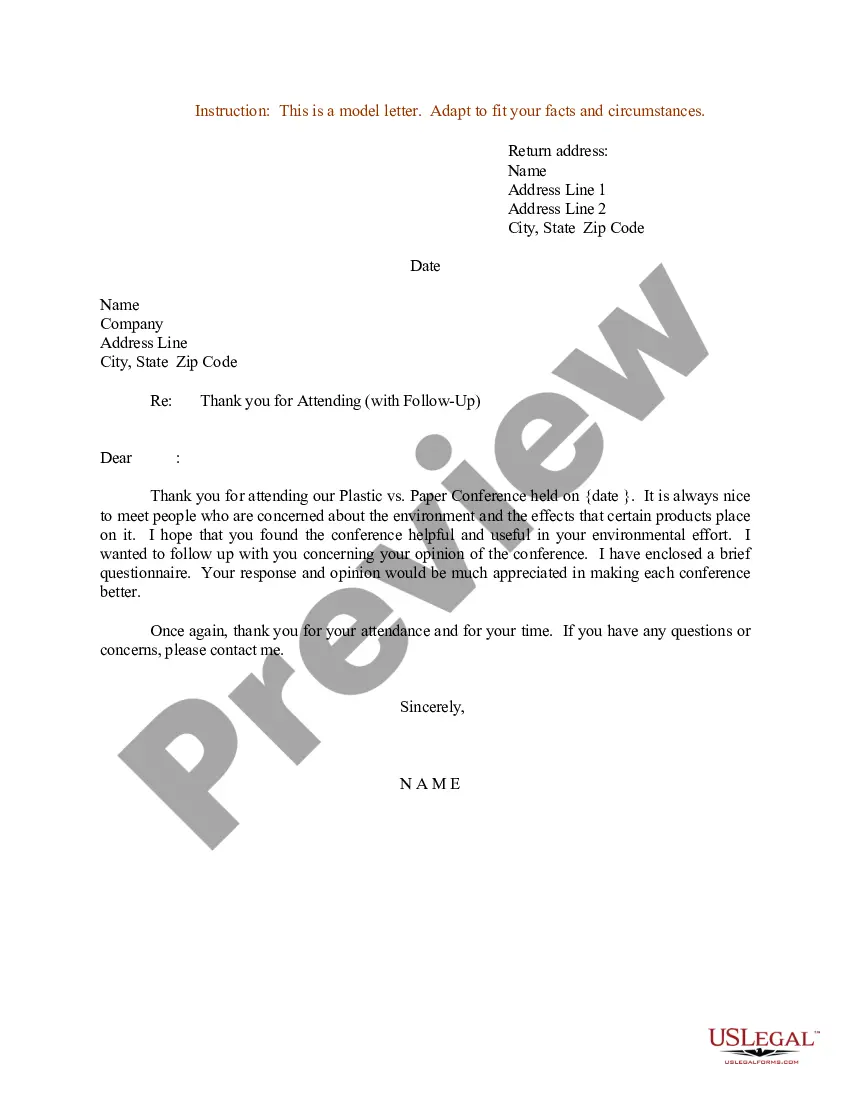
Get your form ready online
Our built-in tools help you complete, sign, share, and store your documents in one place.
Make edits, fill in missing information, and update formatting in US Legal Forms—just like you would in MS Word.
Download a copy, print it, send it by email, or mail it via USPS—whatever works best for your next step.
Sign and collect signatures with our SignNow integration. Send to multiple recipients, set reminders, and more. Go Premium to unlock E-Sign.
If this form requires notarization, complete it online through a secure video call—no need to meet a notary in person or wait for an appointment.
We protect your documents and personal data by following strict security and privacy standards.

Make edits, fill in missing information, and update formatting in US Legal Forms—just like you would in MS Word.

Download a copy, print it, send it by email, or mail it via USPS—whatever works best for your next step.

Sign and collect signatures with our SignNow integration. Send to multiple recipients, set reminders, and more. Go Premium to unlock E-Sign.

If this form requires notarization, complete it online through a secure video call—no need to meet a notary in person or wait for an appointment.

We protect your documents and personal data by following strict security and privacy standards.
Looking for another form?


Form popularity
FAQ
How to write an engagement letter Write the name of the business leader. Specify the purpose of the partnership. List the duties of the client. Identify the timeline for completing the project. Include resources the client delivers. Attach a disclaimer. Validate the terms of the agreement.
For an engagement letter to be binding, there must be agreement to the terms on both sides. The engagement letter is drafted and, in most cases, signed by the firm, therefore there is clear evidence of the agreement of the contents of the letter on the firm's side.
In summary, both the auditing firm and the organization being audited must sign the SOC report, with the organization signing the Management Assertion and Representation and the auditor signing the independent Auditors opinion within the SOC report.
Certified Mail requires a signature upon delivery, which can be requested by the sender in order to check that the letter has been delivered to the right person.
The service provider typically prepares the Letter of Engagement, be it a law firm, accounting agency, consultancy, or any professional offering services.
The final component of a formal letter is your signature. Include your full name and job title if relevant, followed by your wet signature and printed name.
An engagement letter is drafted by the company rendering the service, often with the help of a lawyer. It is than presented to the client, and both parties must sign in order for it to be legally binding.
8 Critical Elements of an Effective Engagement Letter CLIENT NAME. The first critical element may seem obvious—the identities of the parties involved in the engagement. SCOPE OF SERVICES. CPA FIRM RESPONSIBILITIES. CLIENT RESPONSIBILITIES. DELIVERABLES. ENGAGEMENT TIMING. TERMINATION AND WITHDRAWAL. BILLING AND FEES.
You need a form of engagement document, but you don't necessarily need customised letters. An engagement brochure meets the requirements of APES 220 Taxation Services and APES 305 Terms of Engagement. You should make sure the client acknowledges receipt.
In practice, practitioners are urged to use engagement letters for all compilation and review engagements. The statement does not address whether the letter can be a perpetual letter, or needs to be issued annually. Again, the better practice would be to obtain an engagement letter each year.

