Training Contract For 2025 In Suffolk
Description

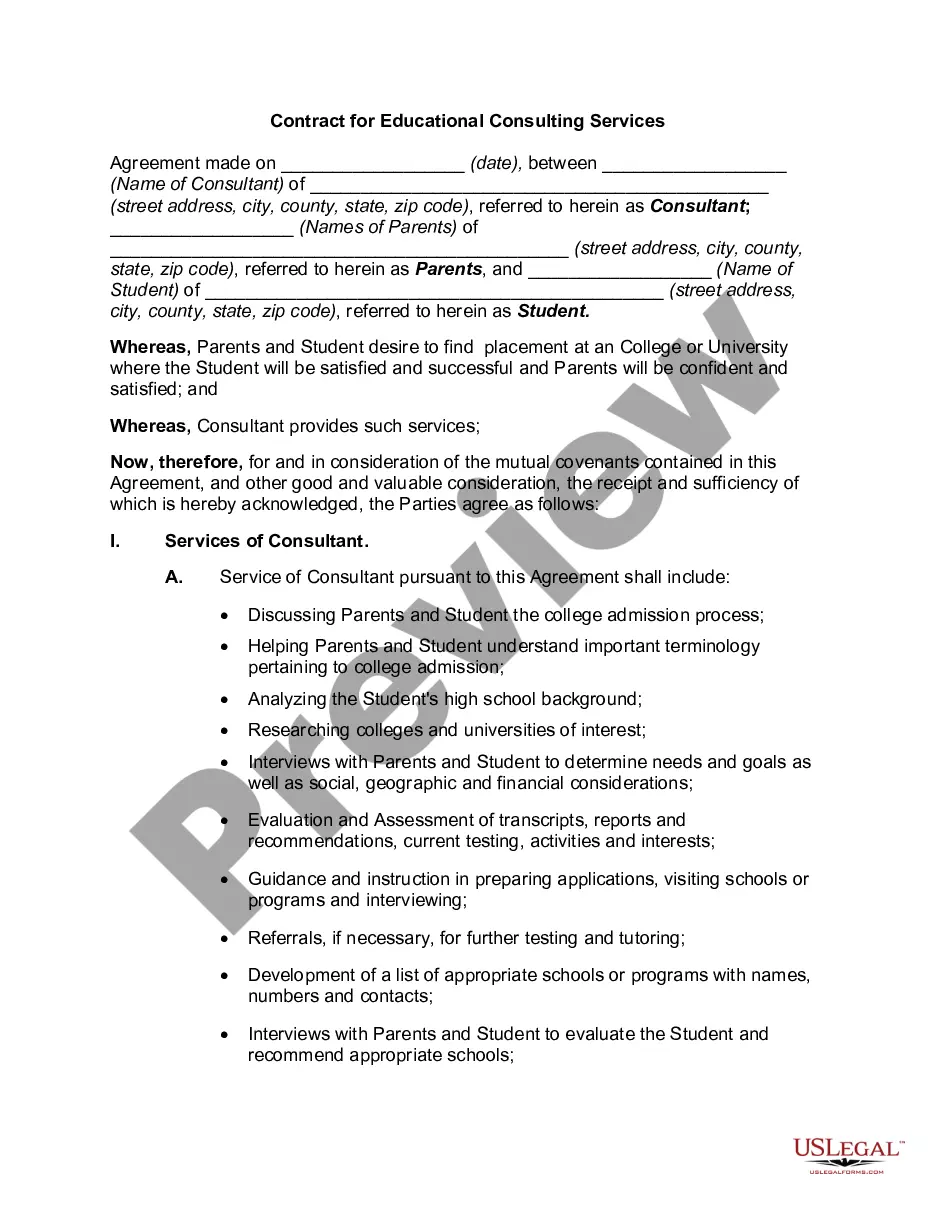
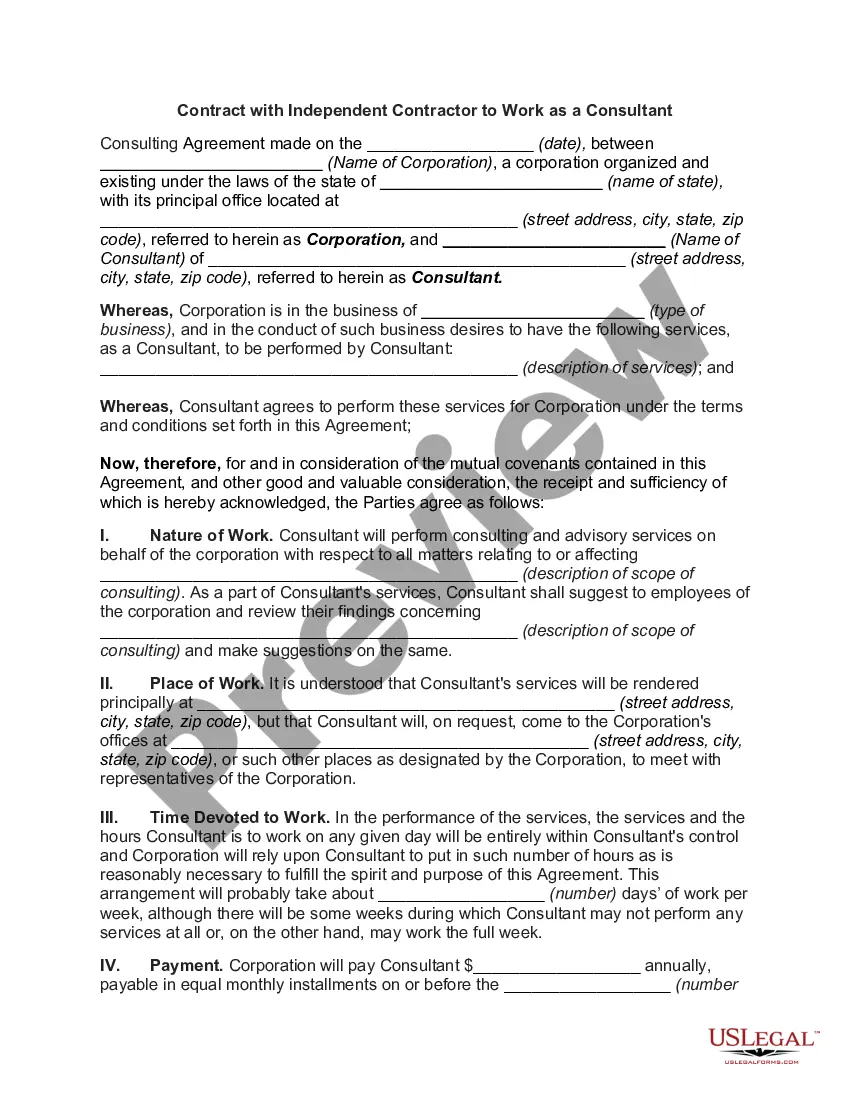
Get your form ready online
Our built-in tools help you complete, sign, share, and store your documents in one place.
Make edits, fill in missing information, and update formatting in US Legal Forms—just like you would in MS Word.
Download a copy, print it, send it by email, or mail it via USPS—whatever works best for your next step.
Sign and collect signatures with our SignNow integration. Send to multiple recipients, set reminders, and more. Go Premium to unlock E-Sign.
If this form requires notarization, complete it online through a secure video call—no need to meet a notary in person or wait for an appointment.
We protect your documents and personal data by following strict security and privacy standards.

Make edits, fill in missing information, and update formatting in US Legal Forms—just like you would in MS Word.

Download a copy, print it, send it by email, or mail it via USPS—whatever works best for your next step.

Sign and collect signatures with our SignNow integration. Send to multiple recipients, set reminders, and more. Go Premium to unlock E-Sign.

If this form requires notarization, complete it online through a secure video call—no need to meet a notary in person or wait for an appointment.

We protect your documents and personal data by following strict security and privacy standards.
Looking for another form?



Form popularity
FAQ
You must study and train for at least six years full time, and competition for training opportunities is high. Try to find out as much as you can about what a career in the law is like by: talking to solicitors, for example at careers fairs. applying for work experience.
A training contract is a compulsory period of practical training in a law firm for law graduates before they can qualify as a solicitor in the United Kingdom (UK), Ireland, Australia or Hong Kong, or as an advocate and solicitor in Singapore.
During a training contract, also referred to as a period of recognised training, you'll work at a law firm and gain hands on experience in a number of legal practice areas. Each period is known as a “seat” and last approximately six months each.
7 simple ways to impress while doing a training contract Communicate. Have good attention to detail. Take notes. Work hard. Be proactive. Build your network. Go above and beyond.
Length of a period of recognised training If a trainee works for less than 32 hours during a week we would consider this a part time period of recognised training and the trainee will be expected to complete more than the minimum two year requirement.
A training contract, or qualifying work experience (QWE), is a two-year period spent working at a law firm or other organisation that employs solicitors. It's one of the stages required to qualify as a solicitor.
Here are some tips for writing a successful graduate programme cover letter: Research the programme. Highlight your talents. Use strong language. Be specific. Show why you qualify. Proofread your letter. Be concise. Customise each letter.
For a standard professional cover letter - written in order to apply to a company as part of a job search or professional retraining - the letter is divided into 3 main paragraphs: Presentation (you). Interests in the company (them). Your desire to develop within the company, your objectives (you + them).
This article provides you with a step-by-step guide on how to write such a cover letter: Explain why you're writing. Introduce yourself to the recipient. Explain why you're applying to that firm. Explain why they should select you. Conclude your cover letter. Proofread your cover letter.