Consultant Work Contract For Union Members In San Antonio
Description

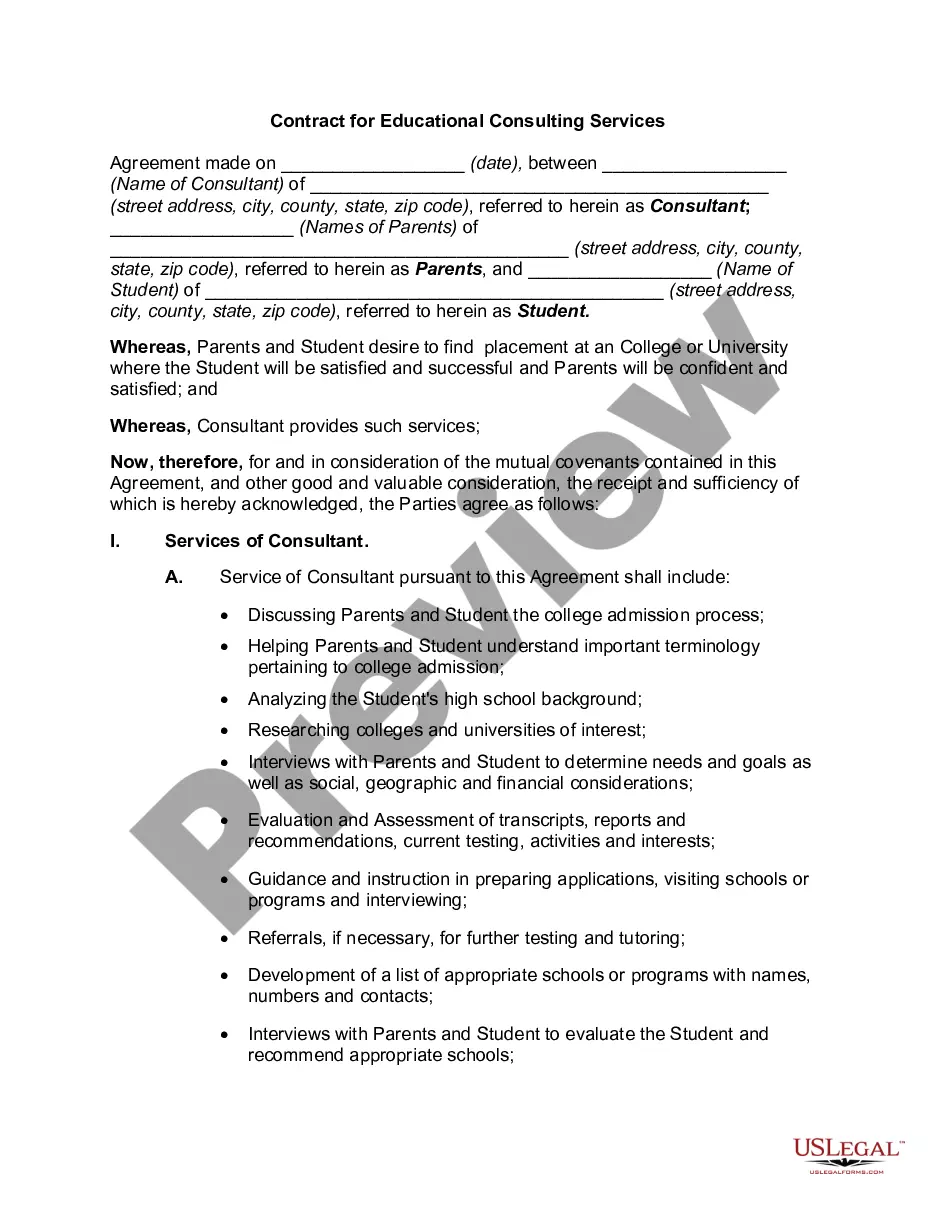
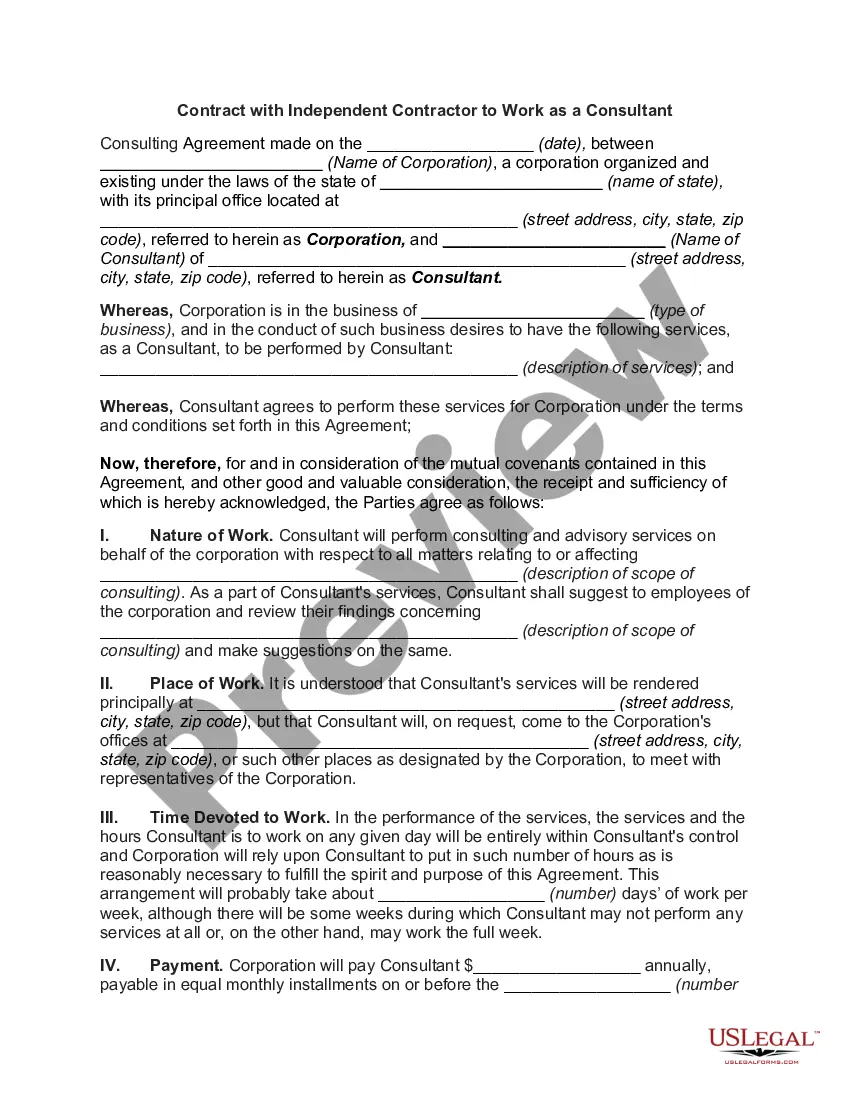
Get your form ready online
Our built-in tools help you complete, sign, share, and store your documents in one place.
Make edits, fill in missing information, and update formatting in US Legal Forms—just like you would in MS Word.
Download a copy, print it, send it by email, or mail it via USPS—whatever works best for your next step.
Sign and collect signatures with our SignNow integration. Send to multiple recipients, set reminders, and more. Go Premium to unlock E-Sign.
If this form requires notarization, complete it online through a secure video call—no need to meet a notary in person or wait for an appointment.
We protect your documents and personal data by following strict security and privacy standards.

Make edits, fill in missing information, and update formatting in US Legal Forms—just like you would in MS Word.

Download a copy, print it, send it by email, or mail it via USPS—whatever works best for your next step.

Sign and collect signatures with our SignNow integration. Send to multiple recipients, set reminders, and more. Go Premium to unlock E-Sign.

If this form requires notarization, complete it online through a secure video call—no need to meet a notary in person or wait for an appointment.

We protect your documents and personal data by following strict security and privacy standards.
Looking for another form?










Form popularity
FAQ
Key Takeaways. Collective bargaining is the process of negotiating the employment terms between an employer and a group of workers. The process takes place between company management and a labor union.
Freelance consultants generally work under contract agreements, where both parties agree to continue working together until the contract ends with only very specific exceptions.
Collective bargaining is a process through which the union and employer exchange proposals, share ideas, mutually solve problems, and reach a written agreement. Most times, bargaining occurs when an existing contract is going to expire.
Essential clauses in a consulting contract include confidentiality, intellectual property, liability, scope of work, deliverables, payment terms, and governance. Each clause addresses different aspects of the consulting relationship and ensures that both parties have clear, agreed-upon terms for the engagement.
Your union and employer must bargain in good faith about wages, hours, and other terms and conditions of employment until they agree on a labor contract or reach a stand-off or “impasse.” If negotiations reach an impasse, an employer can impose terms and conditions so long as it offered them to the union before impasse ...
How to Write a Letter of Agreement Start with Basic Information. Define Employment Terms. Outline Compensation and Benefits. Include Non-Disclosure and Non-Compete Clauses. Address the Probationary Period (if applicable). Set the Code of Conduct and Policies. Explain Termination Conditions. Detail Severance Terms:
How to write a statement of work Begin with an introduction. Start by writing an introduction to the project and parties. Determine the objectives. Clarify the scope. Break down the tasks. State the work location. Outline the work schedule. Explain the deliverables. Create payment terms.
Ing to Boundy (2012), typically, a written contract will include: Date of agreement. Names of parties to the agreement. Preliminary clauses. Defined terms. Main contract clauses. Schedules/appendices and signature provisions (para. 5).
Guide to writing contracts of employment Names of the parties. The full details of the business, and the employee's full name and address. Employment contract start date. Employee's job title and description. Workplace. Working hours. Probationary period. Salary. Deductions.
To write a simple contract, title it clearly, identify all parties and specify terms (services or payments). Include an offer, acceptance, consideration, and intent. Add a signature and date for enforceability. Written contracts reduce disputes and offer better legal security than verbal ones.
