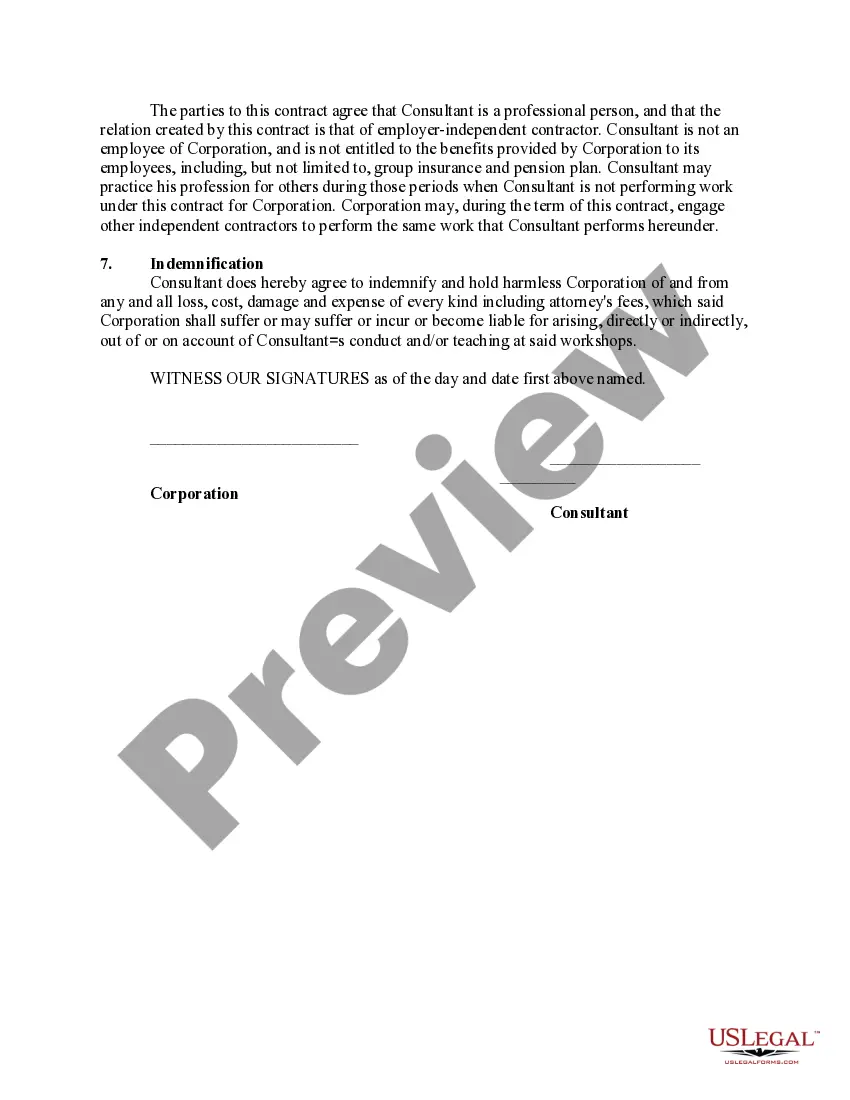
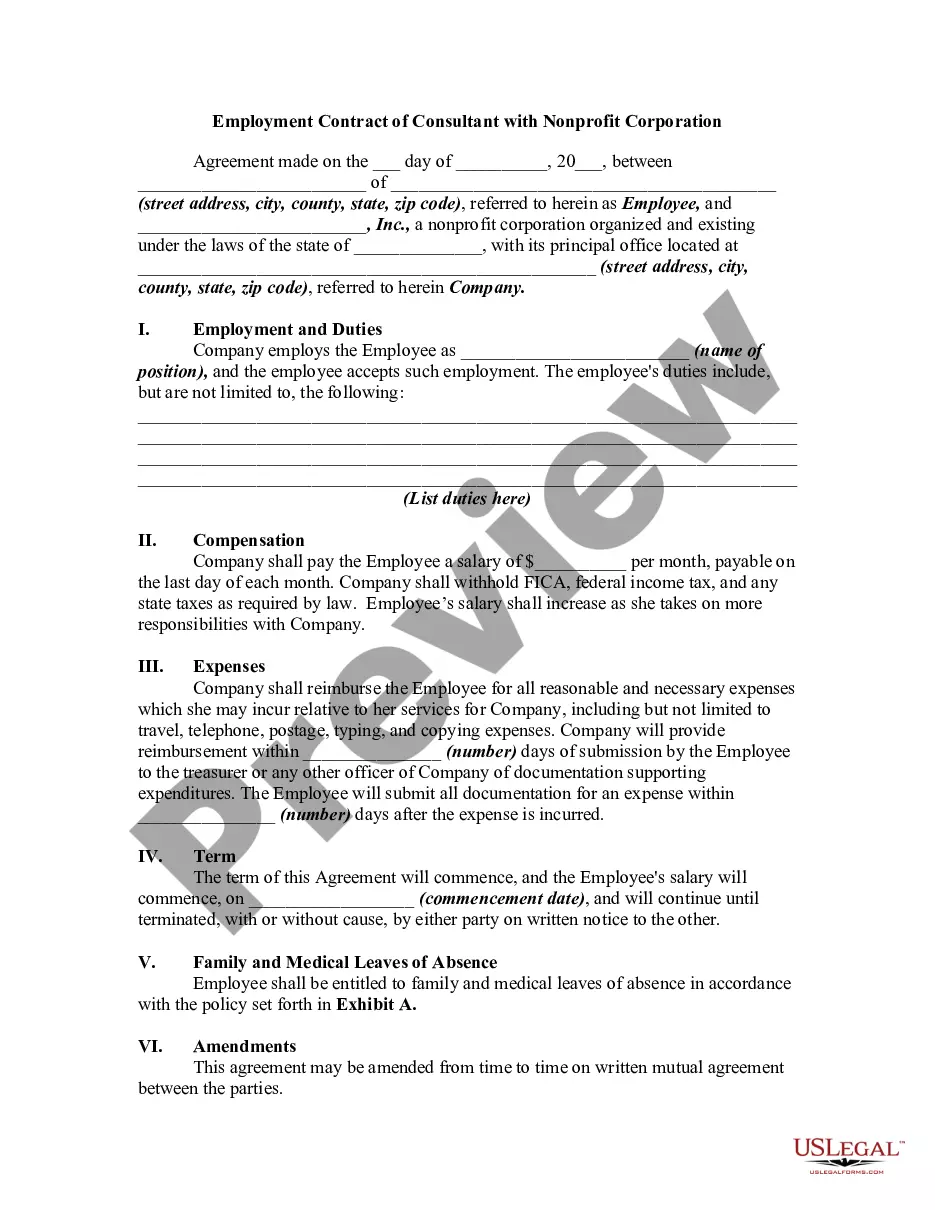
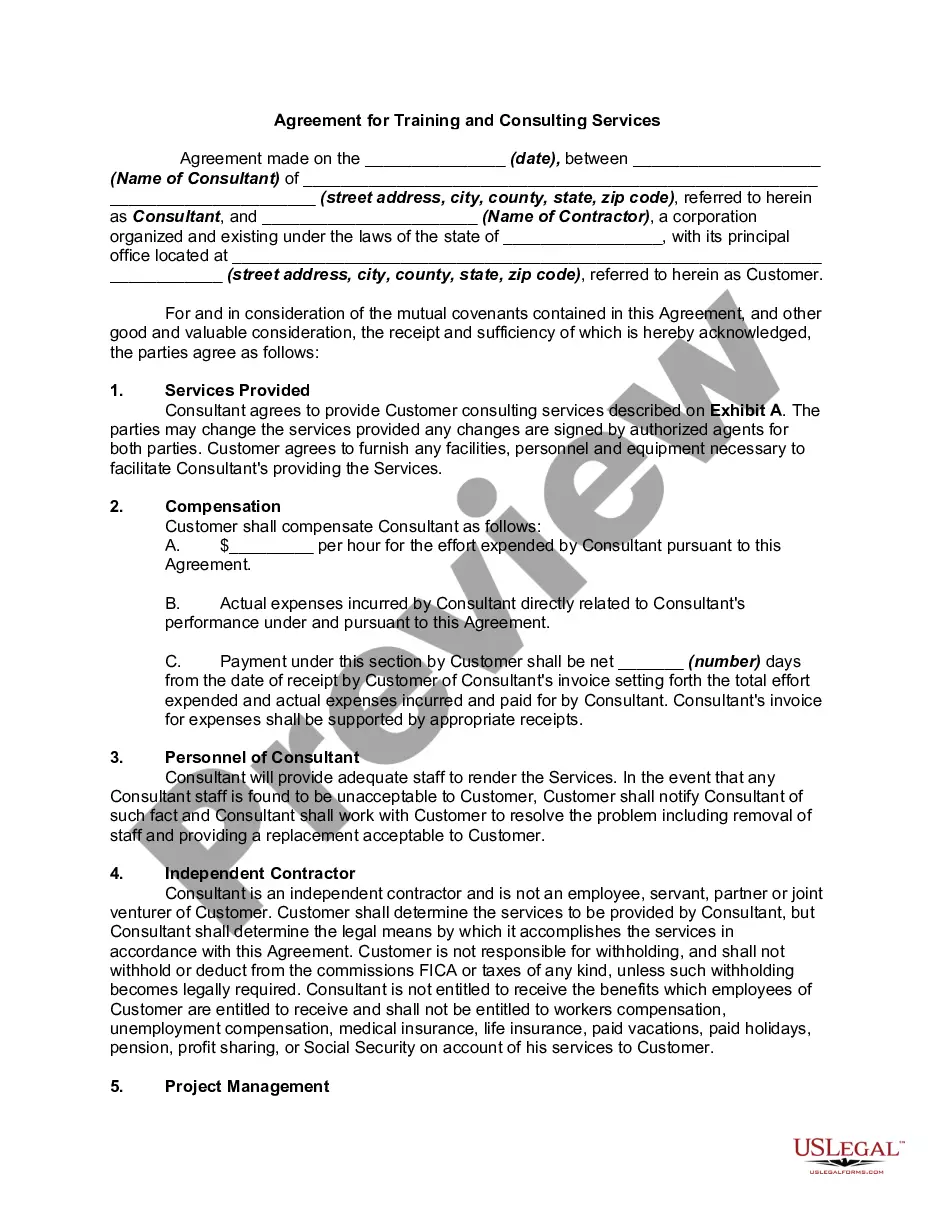
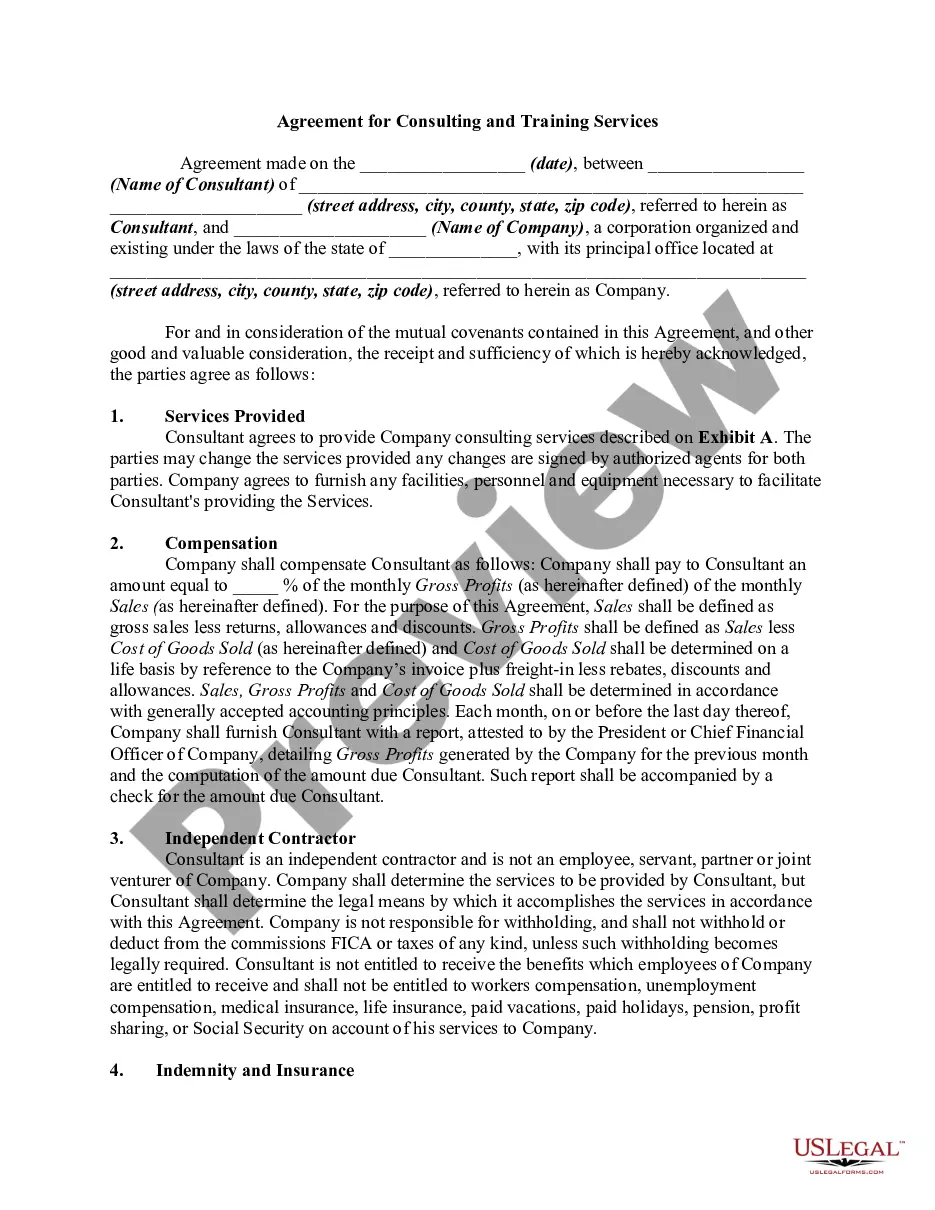
Contract With Training In Orange
Description

Get your form ready online
Our built-in tools help you complete, sign, share, and store your documents in one place.
Make edits, fill in missing information, and update formatting in US Legal Forms—just like you would in MS Word.
Download a copy, print it, send it by email, or mail it via USPS—whatever works best for your next step.
Sign and collect signatures with our SignNow integration. Send to multiple recipients, set reminders, and more. Go Premium to unlock E-Sign.
If this form requires notarization, complete it online through a secure video call—no need to meet a notary in person or wait for an appointment.
We protect your documents and personal data by following strict security and privacy standards.

Make edits, fill in missing information, and update formatting in US Legal Forms—just like you would in MS Word.

Download a copy, print it, send it by email, or mail it via USPS—whatever works best for your next step.

Sign and collect signatures with our SignNow integration. Send to multiple recipients, set reminders, and more. Go Premium to unlock E-Sign.

If this form requires notarization, complete it online through a secure video call—no need to meet a notary in person or wait for an appointment.

We protect your documents and personal data by following strict security and privacy standards.
Looking for another form?







Form popularity
FAQ
Training agreements provide legal protection for employers. They can include clauses that allow employees to repay training expenses if they quit the company within a specific timeframe. This ensures the company can avoid the financial burden of training employees who end up leaving for other opportunities.
The Red Book is the FIDIC recommended form of contract for building or engineering works where the employer has been re-sponsible for nearly all the design. In fact FIDIC claim that the Red Book is the most widely used internation-al construction contract where most of the works have been designed by the employer.
The IChemE Forms of Contract are drafted as performance-based contracts for the design and construction of process plants and other output-based projects.
Under FIDIC, the contractor takes responsibility for all ground risk, whereas, under IChemE, the purchaser only bears the risk of ground conditions that are not reasonably foreseeable. Management. The employer's representative under FIDIC acts solely in the interests of the employer.
The Red Book is a lump sum contract suitable for use in a wide range of industries, particularly those where a high technical input is required in design and construction and where a proven system or service is required for the completed project.
The traditional IChemE Standard Forms are used as a template for Engineering, Procurement and Construction turnkey contracts, which involve a single contractor assuming responsibility for the entire project.
The Silver Book Contract is designed for turnkey projects, where the contractor designs, builds, and hands over a completed facility to the employer. The Silver Book Contract sets out the obligations and responsibilities of both parties involved in the construction project, including the employer and contractor.
Including a clear description of the payment plan Clearly state the date the payment plan agreement is being created. List the full names of the parties involved in the agreement. Provide an itemized list of the payments that need to be made, including the payment amount and due date for each payment.
How do you write Payment Terms and Conditions? Payment terms and conditions should be clear, fair, and legally compliant. Make sure to include essential elements such as payment due date, acceptable payment methods, and provisions for late payment. Use simple, straightforward language and avoid unnecessary jargon.
