Training Contract With Cps In Maryland
Description

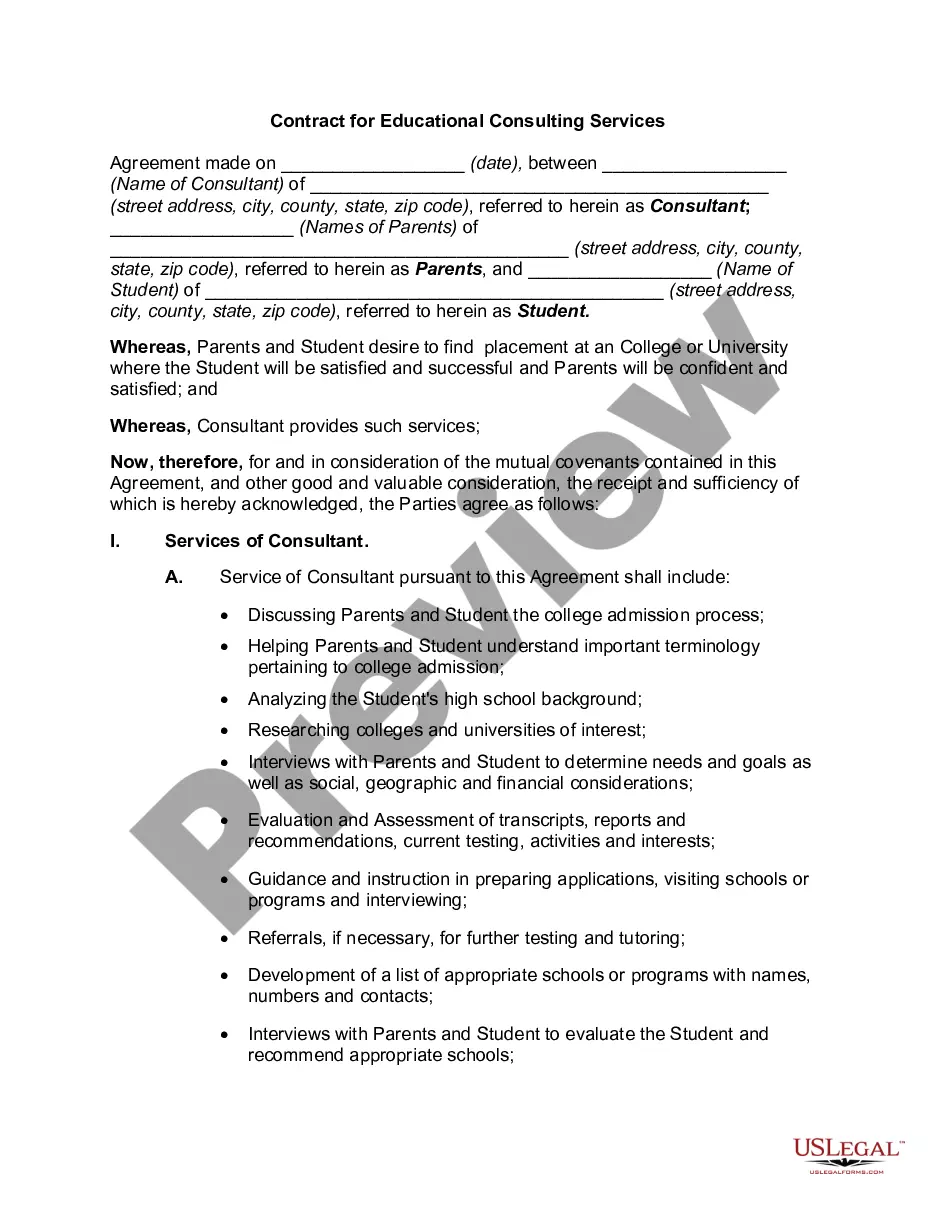
Get your form ready online
Our built-in tools help you complete, sign, share, and store your documents in one place.
Make edits, fill in missing information, and update formatting in US Legal Forms—just like you would in MS Word.
Download a copy, print it, send it by email, or mail it via USPS—whatever works best for your next step.
Sign and collect signatures with our SignNow integration. Send to multiple recipients, set reminders, and more. Go Premium to unlock E-Sign.
If this form requires notarization, complete it online through a secure video call—no need to meet a notary in person or wait for an appointment.
We protect your documents and personal data by following strict security and privacy standards.

Make edits, fill in missing information, and update formatting in US Legal Forms—just like you would in MS Word.

Download a copy, print it, send it by email, or mail it via USPS—whatever works best for your next step.

Sign and collect signatures with our SignNow integration. Send to multiple recipients, set reminders, and more. Go Premium to unlock E-Sign.

If this form requires notarization, complete it online through a secure video call—no need to meet a notary in person or wait for an appointment.

We protect your documents and personal data by following strict security and privacy standards.
Looking for another form?









Form popularity
FAQ
There are separate laws about CPS in your home. You can refuse entry to your home if the CPS investigator does not have a court order, you can also refuse drug testing or other intervention without a court order.
You do not have to speak to CPS. And you can tell CPS that you need to talk to your lawyer first. You also have the right to tell them that you do not want them to enter your home. But that does not mean the investigation will stop or the case will end.
A mandatory reporter is required to report when, acting in a professional capacity, the person has reason to believe that a child has been subjected to abuse or neglect. Other persons shall report when they have reason to believe that a child has been subjected to abuse or neglect.
To Report Child Abuse & Neglect Call: 1-800-917-7383 The name and home address of the child and the caregiver. The present location of the child.
The CPS investigation process in Maryland involves gathering various types of evidence to assess the child's safety and family situation. CPS workers typically: Initial Assessment: Workers conduct a safety assessment for every child in the household and attempt an on-site investigation with the child's caregiver.
(b) A local department shall expunge records related to an investigation resulting in an unsubstantiated finding within 5 years of receiving the report.
Law enforcement may be involved to determine if a crime has been committed. The Child Protective Services worker is also responsible for determining whether a child is at risk of further abuse or neglect. If a child is at risk, the worker will identify factors that contribute to risk or affect the safety of a child.
Child neglect is a misdemeanor crime in Maryland. The law prohibits parents, family members, and other adults in the home who have care or responsibility for a child, or any other person who has care or custody or responsibility for the supervision of a child from neglecting the child.
Maryland's Child Passenger Safety Law (effective October 1, 2022) requires that children under eight years old ride in an appropriate child safety seat ing to the vehicle and child restraint instructions, unless the child is 4'9” or taller. Children must ride rear-facing until at least age two.
The 2022 Maryland Child Interrogation Protection Act does not, in any way, prohibit law enforcement from interrogating juveniles. Rather, it ensures that before a minor is questioned, they are provided with the opportunity to consult with an attorney.
