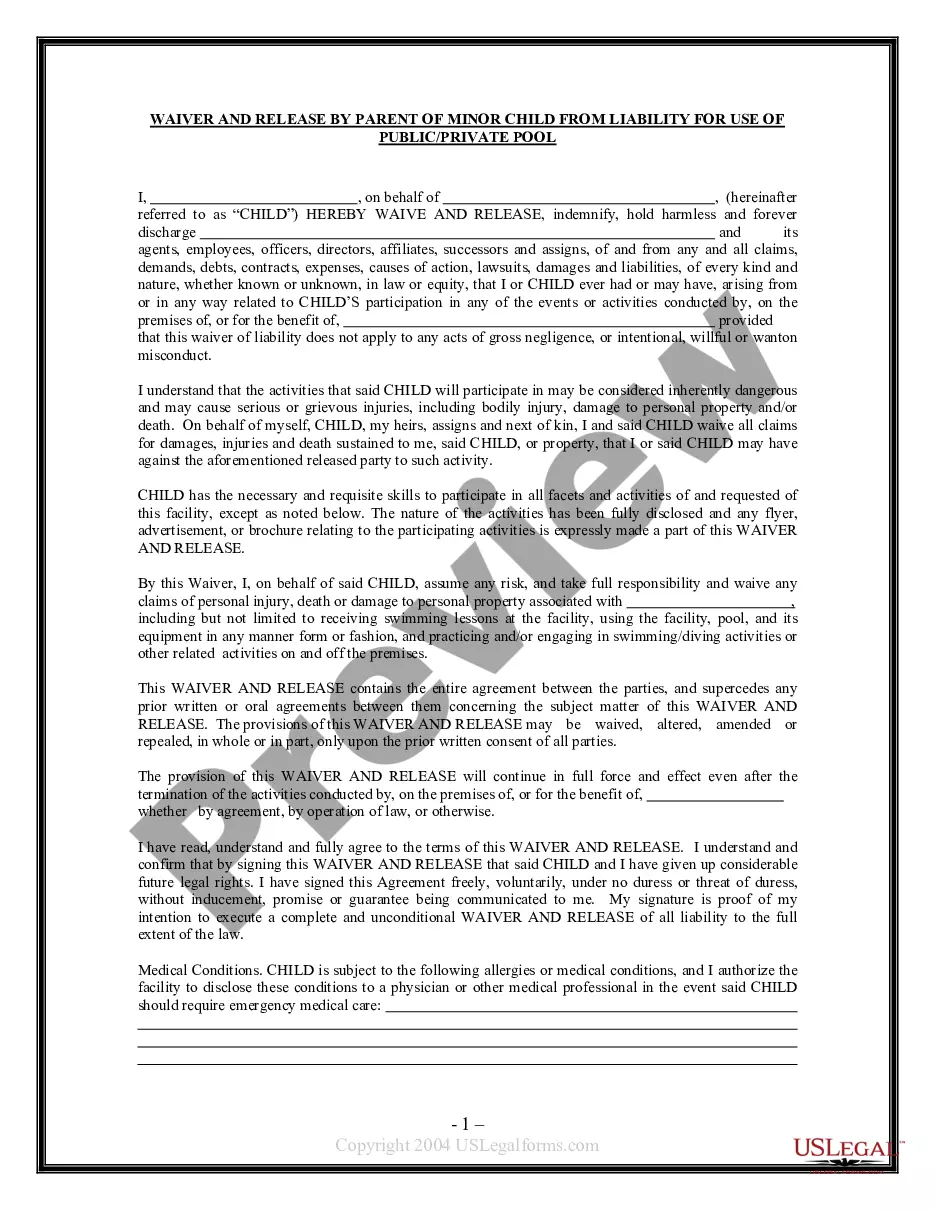
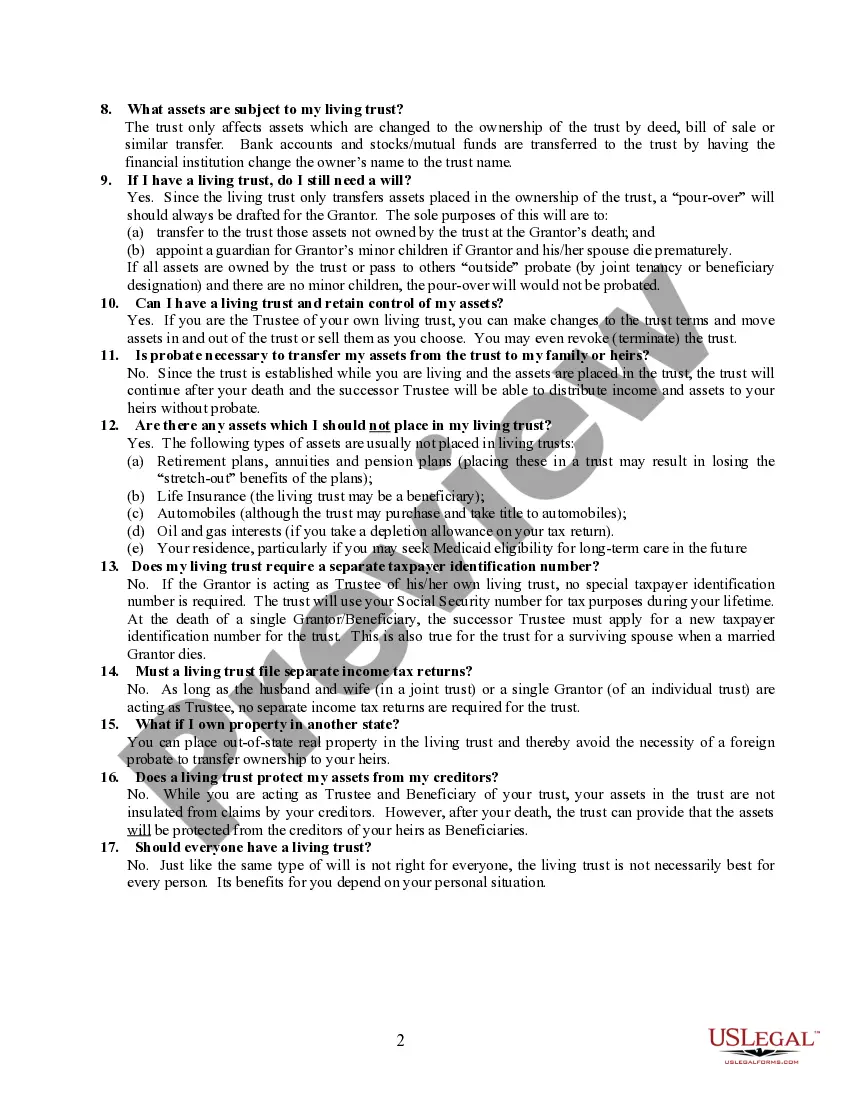
FAQs for Living Trusts
What is this form?
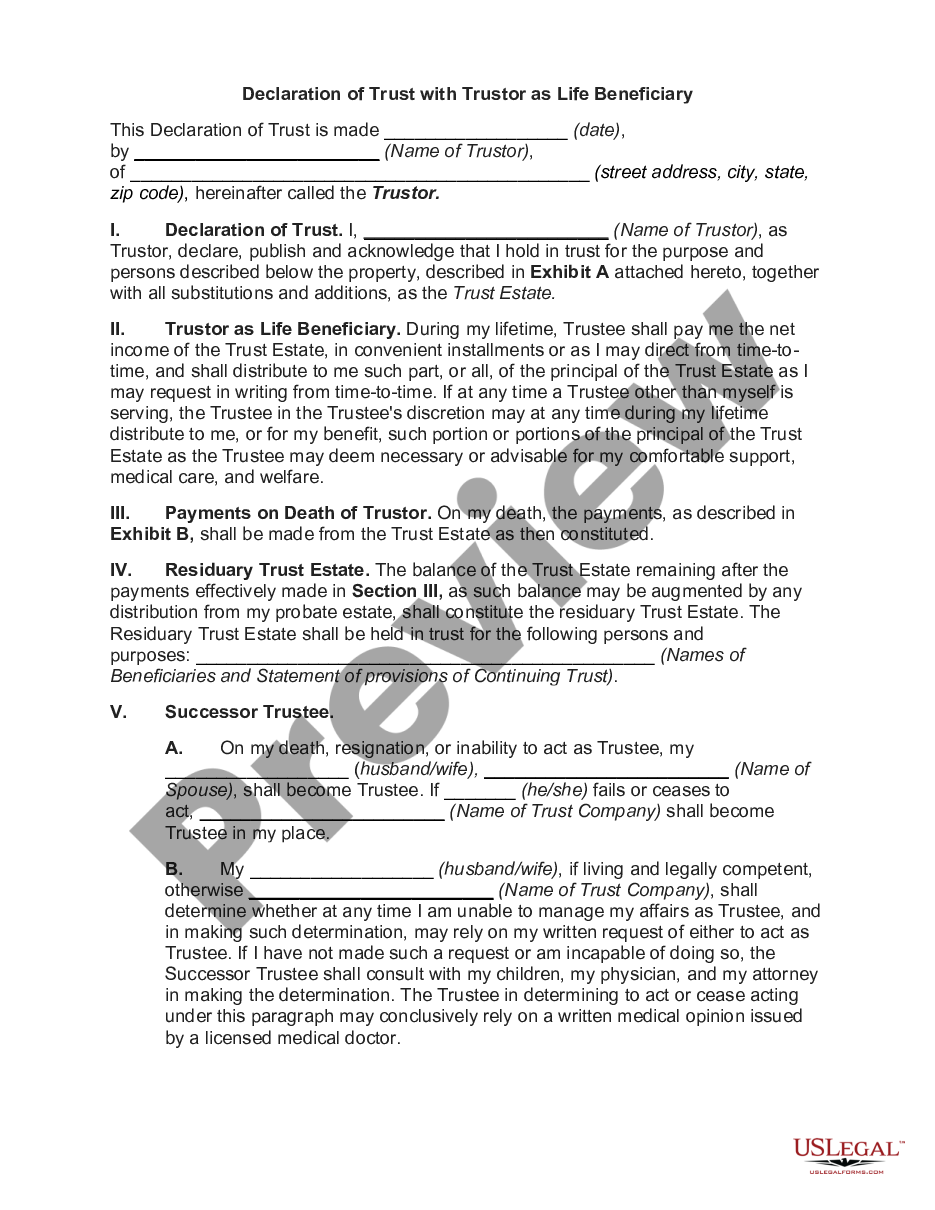
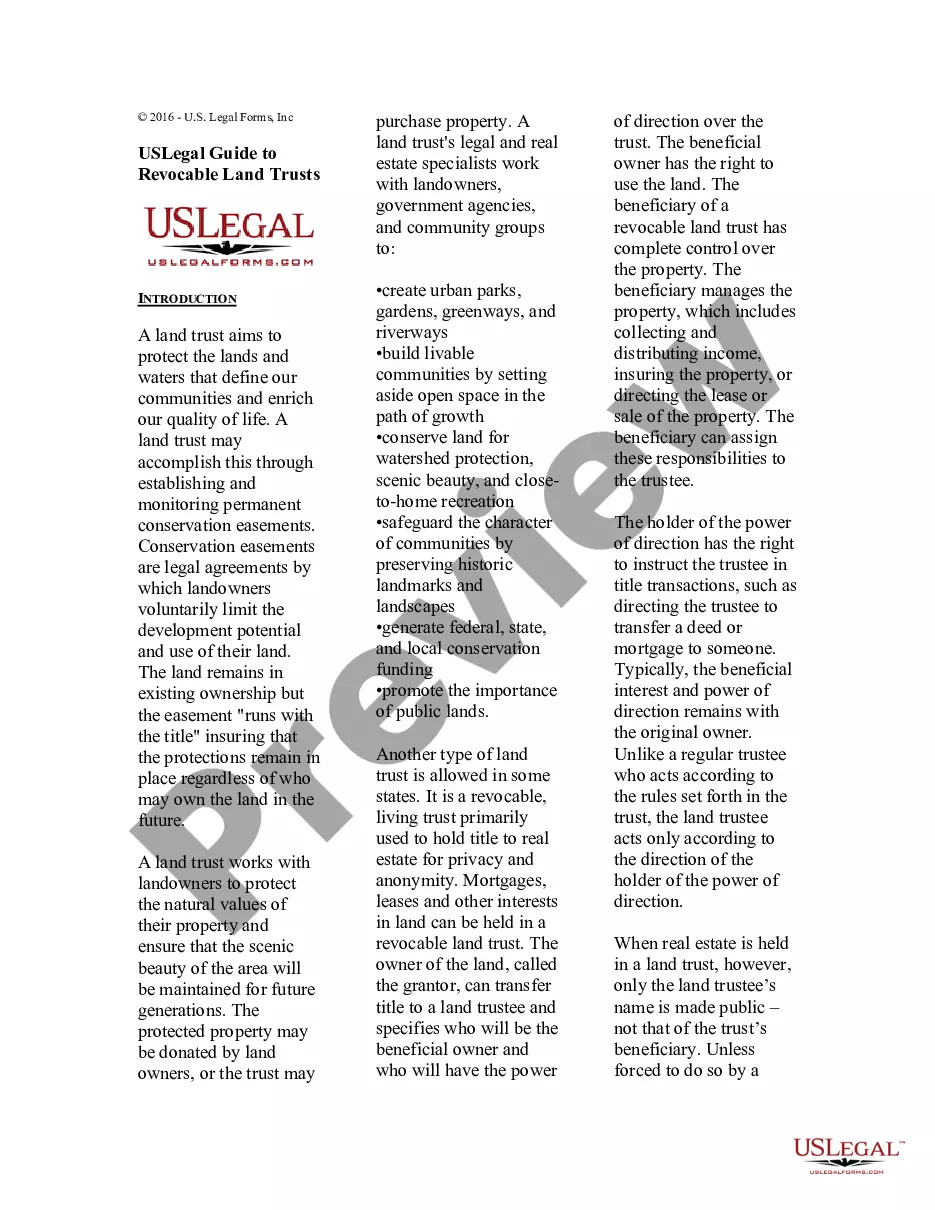
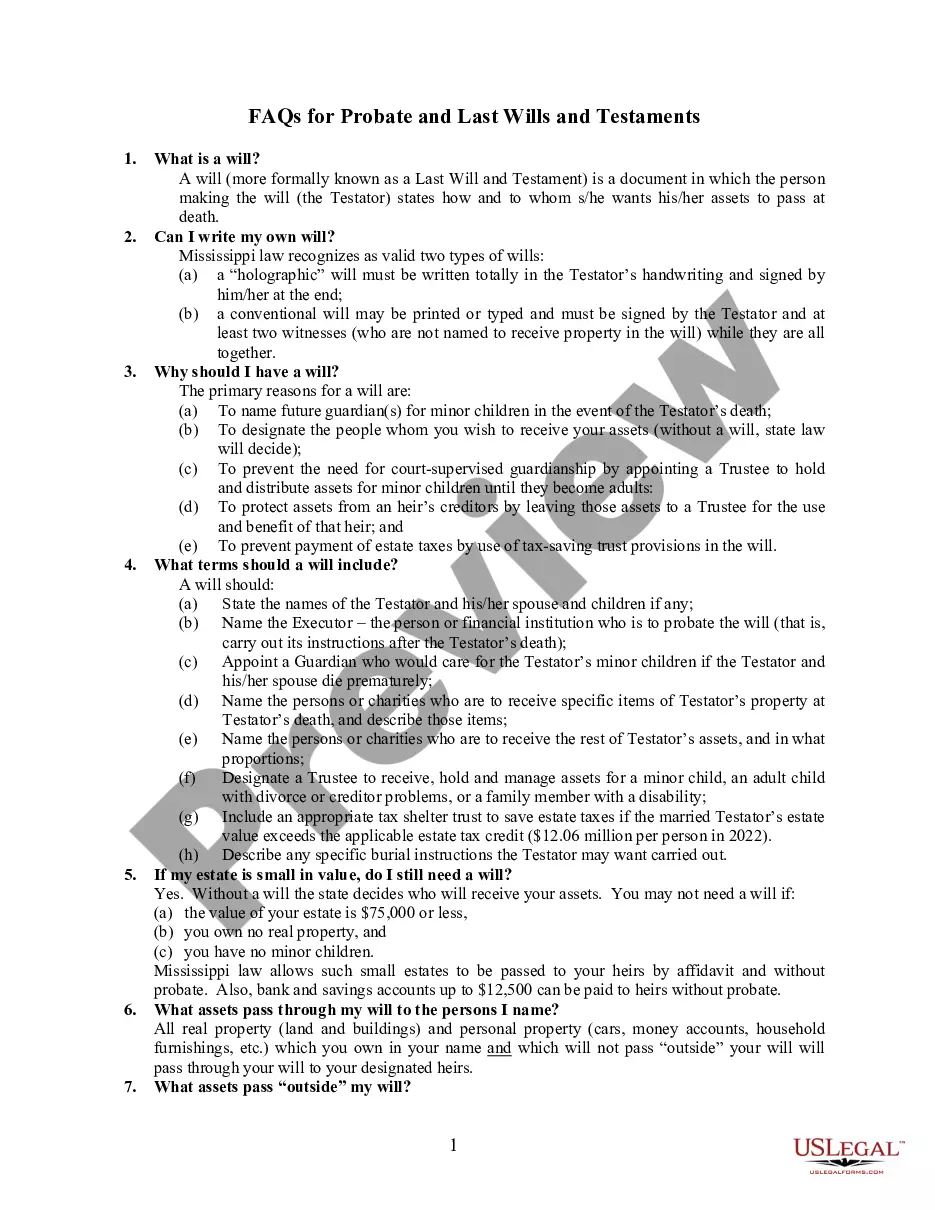
The FAQs for Living Trusts form provides essential information regarding the creation and management of a living trust. This frequently asked questions guide is designed to clarify common queries individuals have as they navigate the complexities of establishing a living trust. Unlike other estate planning documents, this form focuses specifically on living trusts, detailing their function and importance in asset management and distribution during and after a person's lifetime.
Main sections of this form
- Definitions of key terms such as Grantor, Trustee, and Beneficiary
- Type of trust discussed: living trust (revocable living trust)
- Benefits of establishing a living trust, including privacy and avoidance of probate
- Key responsibilities and roles of the Trustee and Beneficiary
- Assets that can or cannot be placed into a living trust
- Instructions for handling real estate in different jurisdictions

Common use cases
This form is beneficial for individuals considering establishing a living trust. Use this form when you want to clarify how a living trust can help protect your assets, designate beneficiaries, prevent probate, or support minor children. If you are unsure about the implications of your estate plan or how to manage your assets, this form serves as a valuable resource.
Who should use this form
This form is intended for:
- Individuals planning to create a living trust
- Estate planners seeking to understand living trust benefits
- Parents wanting to secure assets for minor children
- People considering methods to avoid probate and ensure privacy in asset distribution
Completing this form step by step
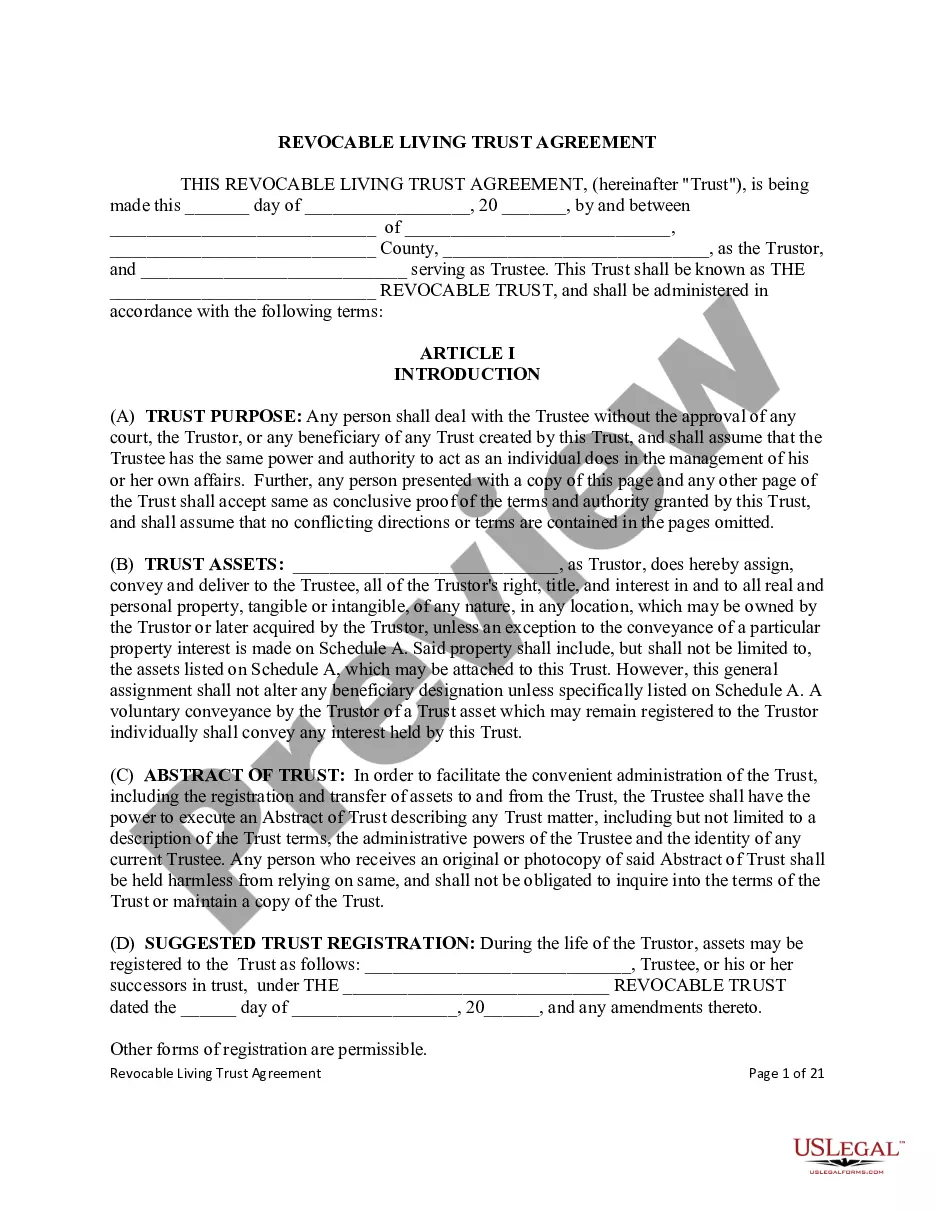
- Identify the parties involved: the Grantor, Trustee, and Beneficiaries.
- Clearly state the terms under which the Trustee will manage and distribute assets.
- List specific assets to be included in the trust and how they will be transferred.
- Define the roles and responsibilities of any Co-Trustees, if applicable.
- Review the terms with a qualified attorney for accuracy and compliance.
Does this document require notarization?
This form does not typically require notarization unless specified by local law. It is still recommended to consult legal counsel to verify whether notarization is necessary for your specific situation.
Get your form ready online
Our built-in tools help you complete, sign, share, and store your documents in one place.
Make edits, fill in missing information, and update formatting in US Legal Forms—just like you would in MS Word.
Download a copy, print it, send it by email, or mail it via USPS—whatever works best for your next step.
Sign and collect signatures with our SignNow integration. Send to multiple recipients, set reminders, and more. Go Premium to unlock E-Sign.
If this form requires notarization, complete it online through a secure video call—no need to meet a notary in person or wait for an appointment.
We protect your documents and personal data by following strict security and privacy standards.

Make edits, fill in missing information, and update formatting in US Legal Forms—just like you would in MS Word.

Download a copy, print it, send it by email, or mail it via USPS—whatever works best for your next step.

Sign and collect signatures with our SignNow integration. Send to multiple recipients, set reminders, and more. Go Premium to unlock E-Sign.

If this form requires notarization, complete it online through a secure video call—no need to meet a notary in person or wait for an appointment.

We protect your documents and personal data by following strict security and privacy standards.
Common mistakes to avoid
- Failing to transfer assets to the trust after it has been created
- Not designating a clear successor Trustee
- Omitting specific instructions for handling minor childrenâs assets
- Not consulting with an attorney for legal guidance tailored to individual circumstances
Benefits of completing this form online
- Easy access to vital information without needing to visit a legal office
- Conveniently downloadable for personal use and review at your pace
- Reliable content drafted by licensed attorneys to ensure legal accuracy
- Ability to edit and personalize information according to individual needs
Looking for another form?

Form popularity
FAQ
Once you put assets into a trust fund, it's considered a living trust. Most living trusts are what are called living revocable trusts.
5 Important Questions to Ask When Forming A Trust Why do you need a trust? Who will the trust benefit? Who will administrate the trust, now and later? Which assets will fund the trust? What are the long-term tax consequences?
Living trusts have to file tax returns in most cases if they have $600 or more in income for a given tax year. They may also have to file if the living trust is a grantor-controlled trust or a revocable marital trust and both spouses are still living. Trusts that file tax returns do so using Form 1041.
One of the primary disadvantages to using a trust is the cost necessary to establish it. It's generally more expensive to prepare a living trust than a will. You must create new deeds and other documents to transfer ownership of your assets into the trust after you form it.
A Testamentary Trust set up in a person's Will does not actually come into existence until the person passes away and his Will is probated. A Living Trust, on the other hand, comes into existence while the person is still living.
To help you get started on understanding the options available, here's an overview the three primary classes of trusts. Revocable Trusts. Irrevocable Trusts. Testamentary Trusts.
A Testamentary Trust set up in a person's Will does not actually come into existence until the person passes away and his Will is probated. A Living Trust, on the other hand, comes into existence while the person is still living.