Service Agreement Provider With Example In Georgia
Description
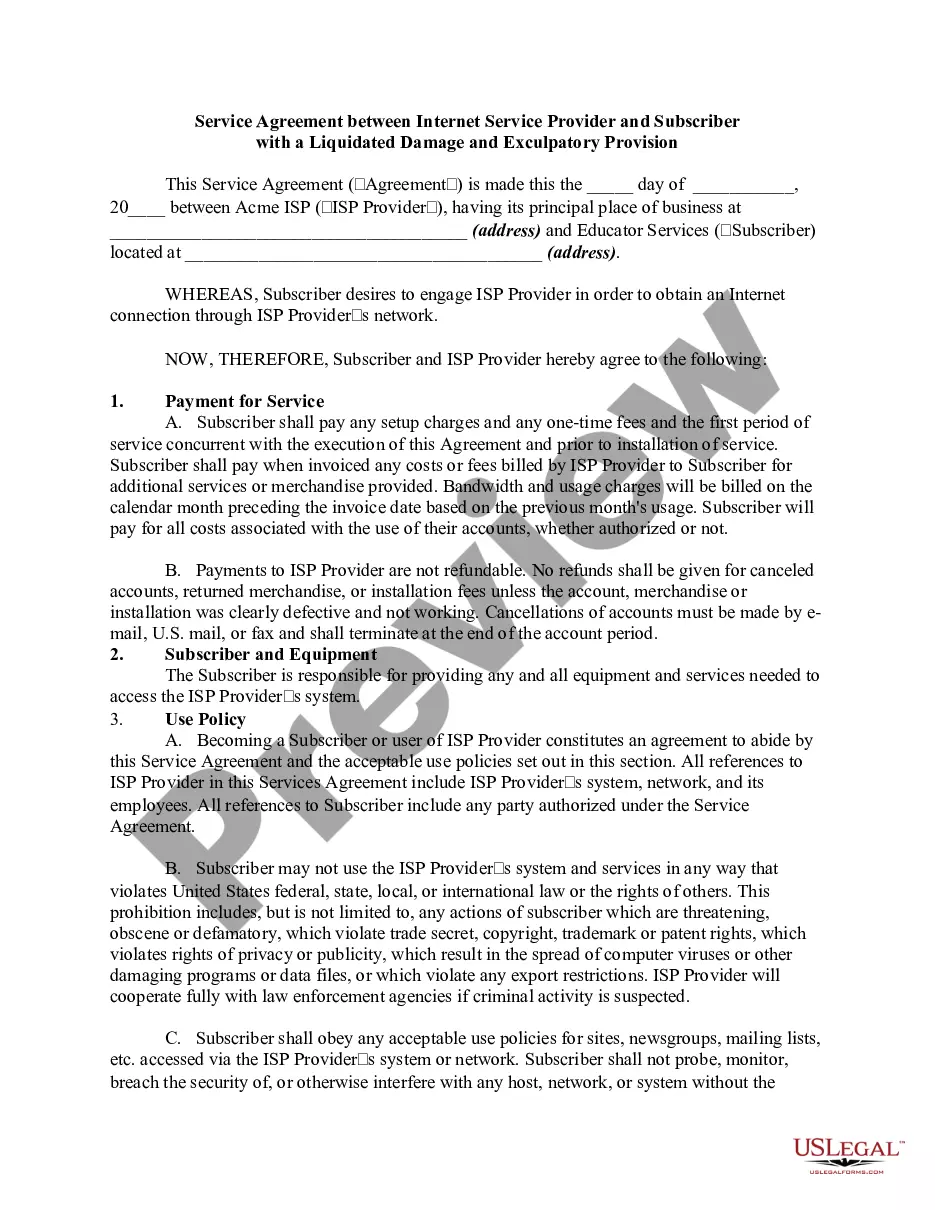
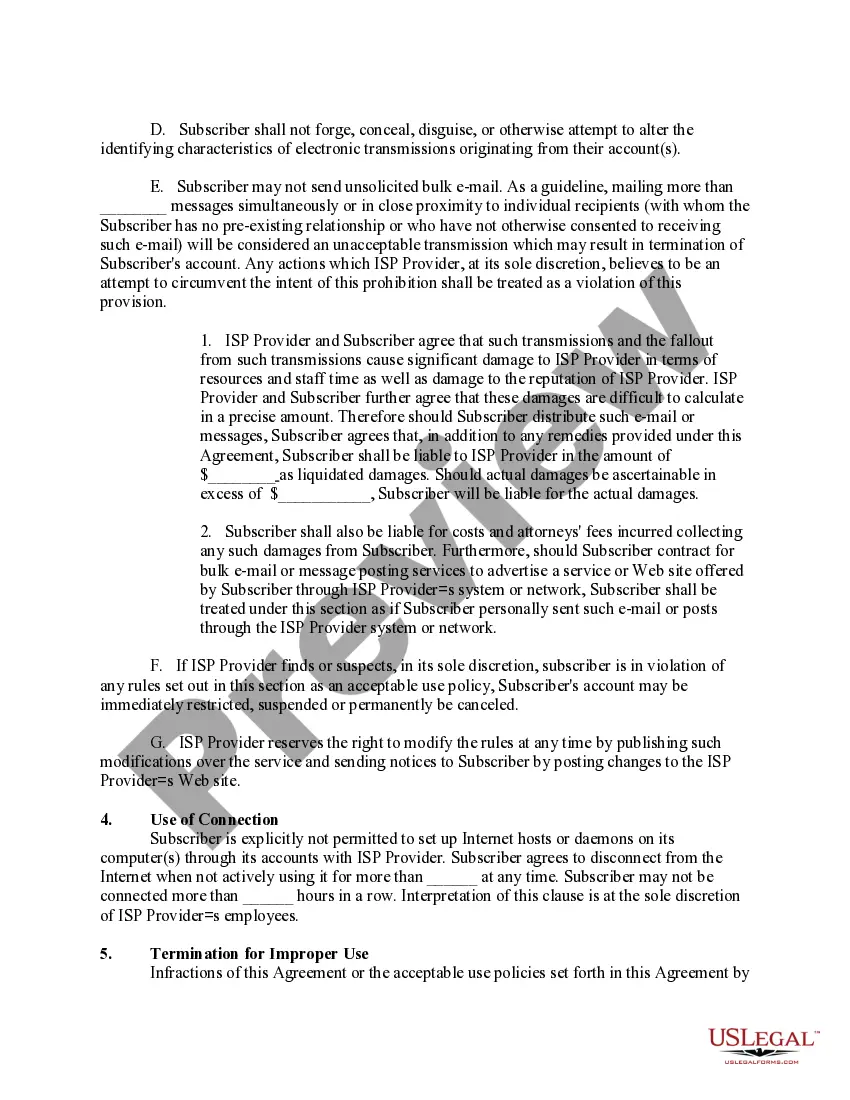
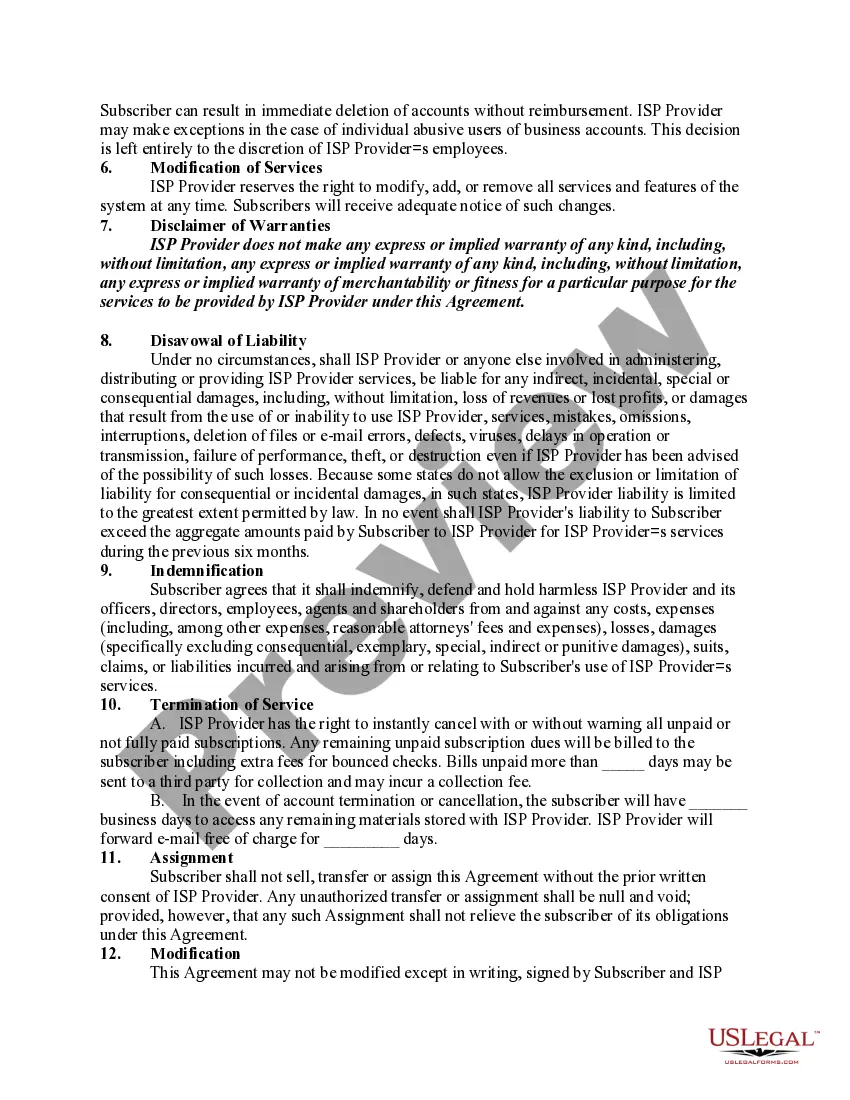
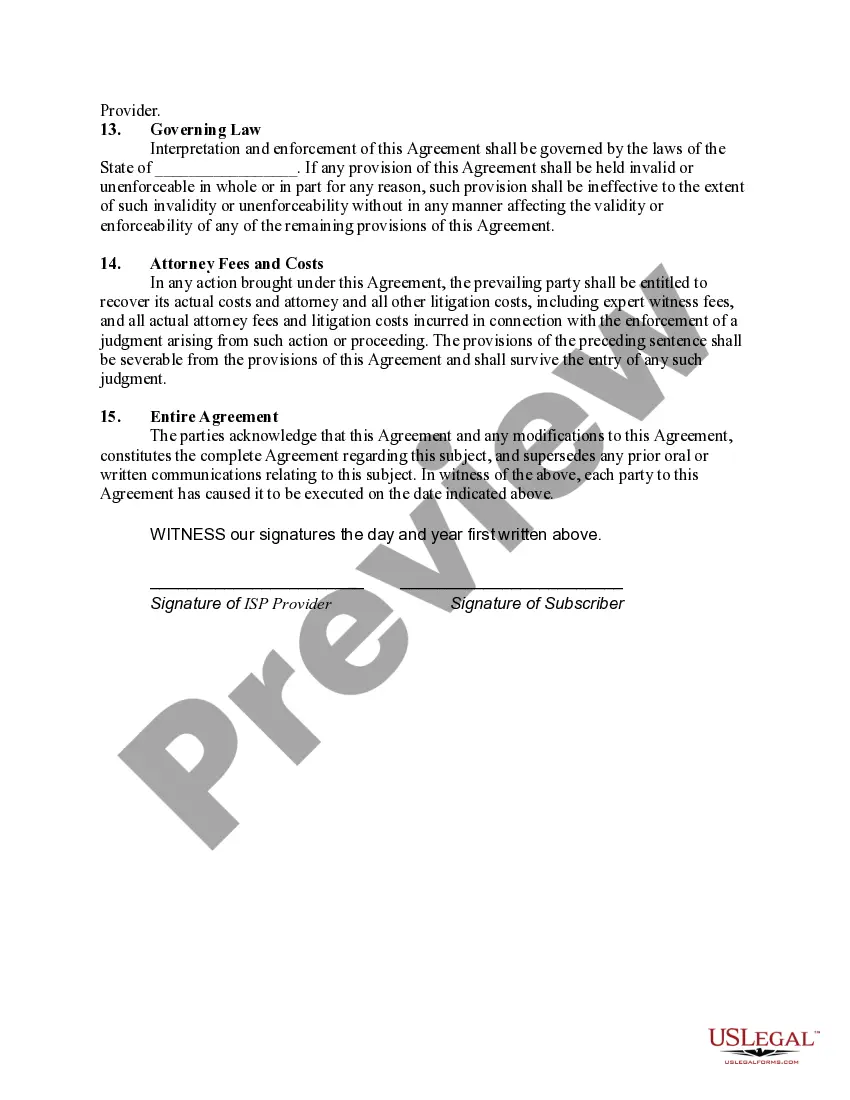
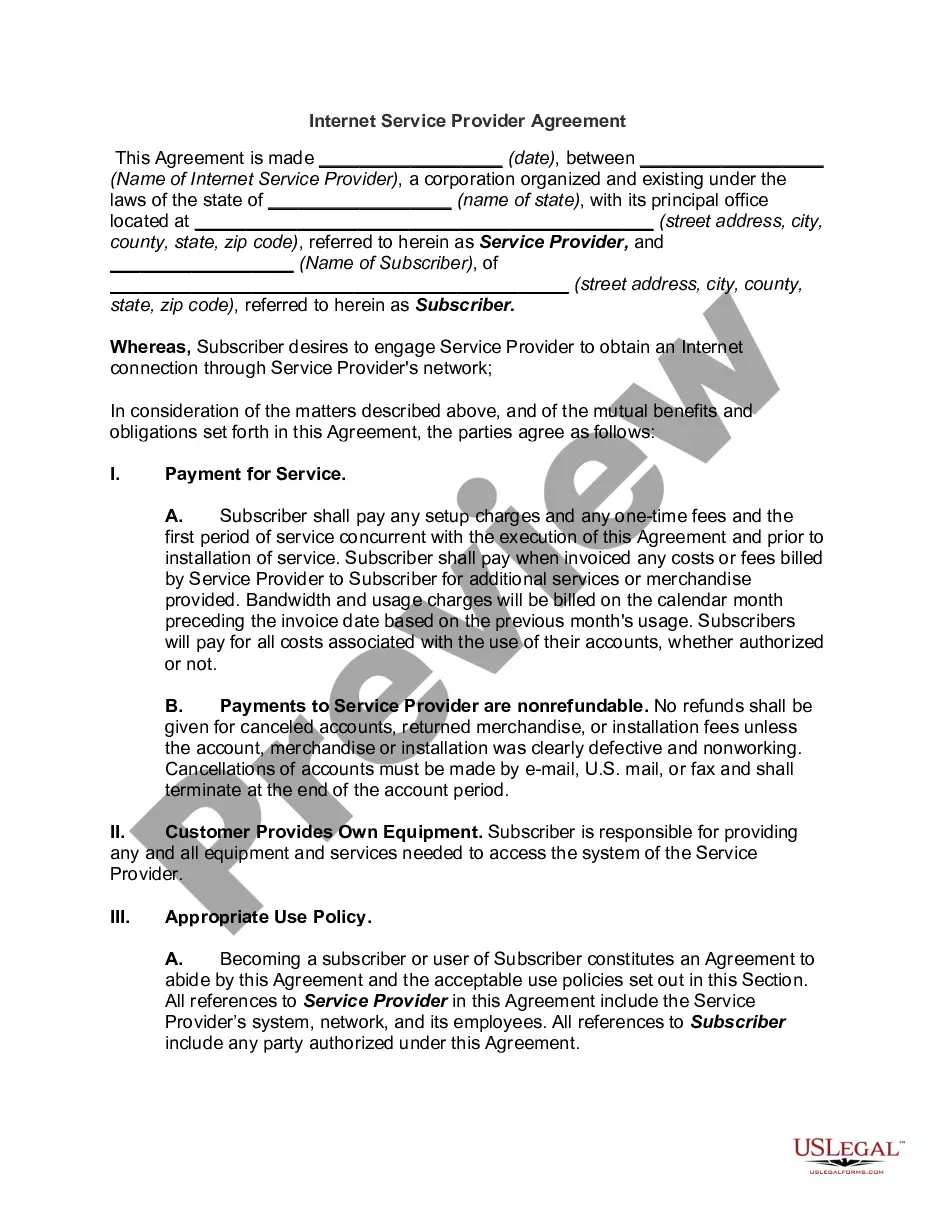
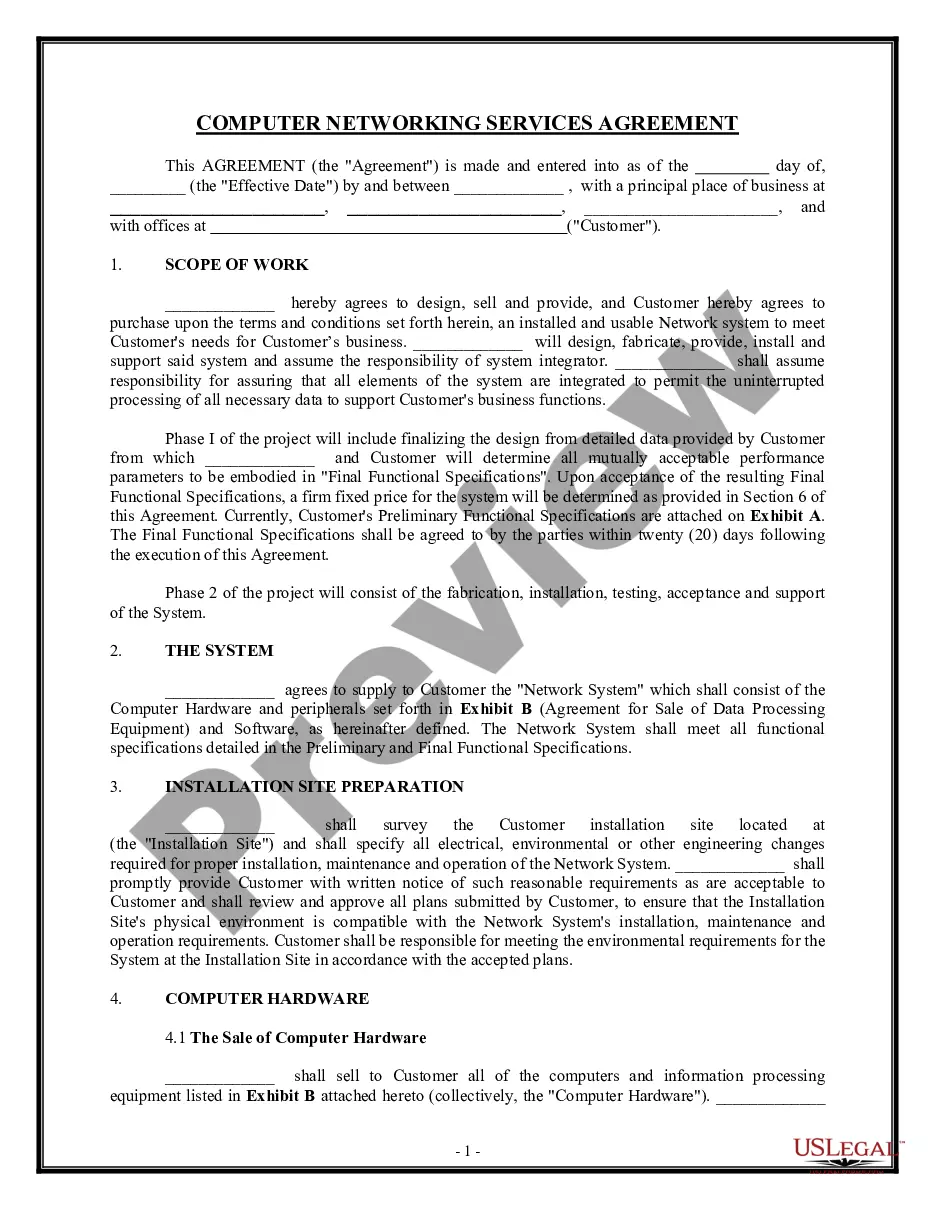
Get your form ready online
Our built-in tools help you complete, sign, share, and store your documents in one place.
Make edits, fill in missing information, and update formatting in US Legal Forms—just like you would in MS Word.
Download a copy, print it, send it by email, or mail it via USPS—whatever works best for your next step.
Sign and collect signatures with our SignNow integration. Send to multiple recipients, set reminders, and more. Go Premium to unlock E-Sign.
If this form requires notarization, complete it online through a secure video call—no need to meet a notary in person or wait for an appointment.
We protect your documents and personal data by following strict security and privacy standards.

Make edits, fill in missing information, and update formatting in US Legal Forms—just like you would in MS Word.

Download a copy, print it, send it by email, or mail it via USPS—whatever works best for your next step.

Sign and collect signatures with our SignNow integration. Send to multiple recipients, set reminders, and more. Go Premium to unlock E-Sign.

If this form requires notarization, complete it online through a secure video call—no need to meet a notary in person or wait for an appointment.

We protect your documents and personal data by following strict security and privacy standards.
Looking for another form?


Form popularity
FAQ
Every contract, whether simple or complex, is considered legally enforceable when it incorporates six essential elements: Offer, Acceptance, Awareness, Consideration, Capacity and Legality. It is critical that all six elements are present—just one missing element can make a contract invalid and unenforceable.
To create an effective Service Agreement, address the following details: Service duration: Specify whether the contractor will provide service for a single job, a specific period of time, or indefinitely. Service details: Describe the service that the client hires the contractor to provide.
Crafting an effective contract for services involves several key components, including identifying the parties involved, outlining the scope of services, specifying payment details, and establishing procedures for dispute resolution.
How to Write a Service Agreement Step 1: Identify the parties involved. Step 2: Define the scope of services. Step 3: Set payment terms. Step 4: Outline the responsibilities of each party. Step 5: Add termination, dispute resolution, and other essential clauses. Step 6: Review and finalize.
Here's a simple checklist for creating a solid service contract: Identify Parties: Include the names and addresses of all parties involved. Scope of Work: Clearly describe what services will be provided, including specifics. Payment Terms: Specify how much, when, and how payment will be made.
Service Agreements can be made between individuals, a business and an individual, or between two or more businesses. Having a Service Agreement in place is equally as important for service providers as for the receivers of services.
Creating a Service Contract In the Sales menu choose Contract Create. Enter the contract type (WV for a maintenance contract, MV for a rental contract) and, if necessary, the organizational data. Choose Enter. Enter the following data as required. Choose Enter.
As a service provider, a service level agreement is a plain-language agreement between you and your customer (whether internal or external) that defines the services you will deliver, the responsiveness that can be expected, and how you will measure performance.
To write a simple contract, title it clearly, identify all parties and specify terms (services or payments). Include an offer, acceptance, consideration, and intent. Add a signature and date for enforceability. Written contracts reduce disputes and offer better legal security than verbal ones.
