Closing Property Title For Liens In Utah
Description

Get your form ready online
Our built-in tools help you complete, sign, share, and store your documents in one place.
Make edits, fill in missing information, and update formatting in US Legal Forms—just like you would in MS Word.
Download a copy, print it, send it by email, or mail it via USPS—whatever works best for your next step.
Sign and collect signatures with our SignNow integration. Send to multiple recipients, set reminders, and more. Go Premium to unlock E-Sign.
If this form requires notarization, complete it online through a secure video call—no need to meet a notary in person or wait for an appointment.
We protect your documents and personal data by following strict security and privacy standards.

Make edits, fill in missing information, and update formatting in US Legal Forms—just like you would in MS Word.

Download a copy, print it, send it by email, or mail it via USPS—whatever works best for your next step.

Sign and collect signatures with our SignNow integration. Send to multiple recipients, set reminders, and more. Go Premium to unlock E-Sign.

If this form requires notarization, complete it online through a secure video call—no need to meet a notary in person or wait for an appointment.

We protect your documents and personal data by following strict security and privacy standards.
Looking for another form?





Form popularity
FAQ
A Utah tax lien search can be done in person or online at the county recorder's office where a person resides. Utah tax liens are recorded at the county recorder's office and are available to members of the public upon request.
A property owner can choose to place a lien on their property. A voluntary lien is a claim over the property that a homeowner agrees to give to a creditor as security for the payment of a debt. A mortgage lien is the most common type of voluntary real estate lien, also called a deed of trust lien in some states.
The IRS and the Utah State Tax Commission have the right to levy up to 100 percent of any asset you or your business owns to collect on your tax debt. As with a lien, the tax authority does not need to go to court to levy your property.
Yes and No. Recourse action is governed by state, and depending on what state the property is located it may be vulnerable to recourse actions. Utah and Nevada are the two most common states SBSU lends to. Utah is a recourse state, Nevada is a NON-recourse state.
The Court had to make sense of the statutes and ultimately held that in lien theory in Utah, the title to the mortgaged property remains with the mortgagor: "Utah, along with most of the other western states, has long been recognized as a 'lien theory' state.
Utah's optional ELT program, known as the Utah e-lien program, allows lenders to file titles electronically and place e-liens on vehicles.
In Utah, like in many other states, the process of pursuing a construction lien involves the following three several key steps: (1), preserving your ability to file a lien by filing a preliminary notice, (2) perfecting your lien by recording a formal lien with the county recorder's office; and (3) enforcing your lien ...
The duration of a judgment lien in the state of Utah resulting from the docketing of a judgment, abstract of judgment, transcript of judgment or warrant for delinquent taxes, runs as follows: 8 years for all judgments (U.C.A. 78B-5-202) and ten years for tax warrants (U.C.A. 59-1-1414(6)).
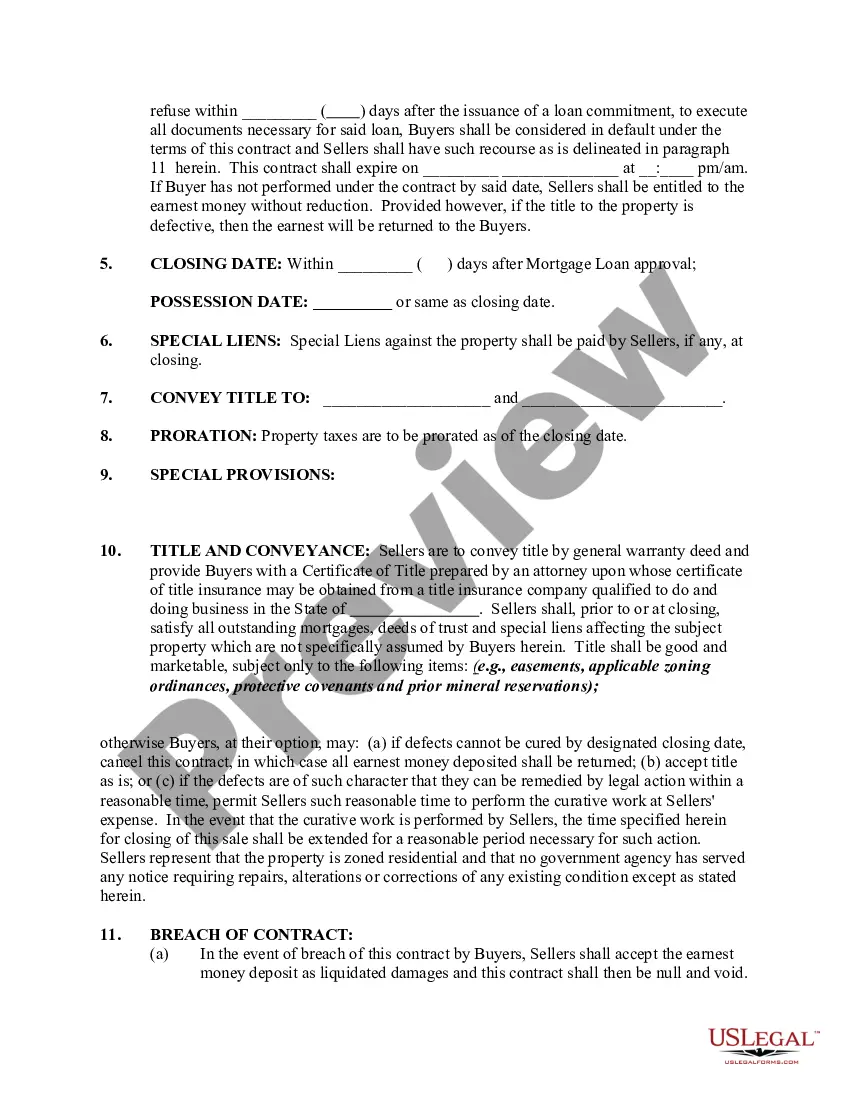
The answer is: it depends. In some cases, the buyer and seller will agree on a company. But in other cases, one party may choose the title agency without consulting the other. While there are no specific laws on this subject, it's essential to pick a company that both parties feel comfortable with.
