Closing Property Title For Married Couple In Massachusetts
Description

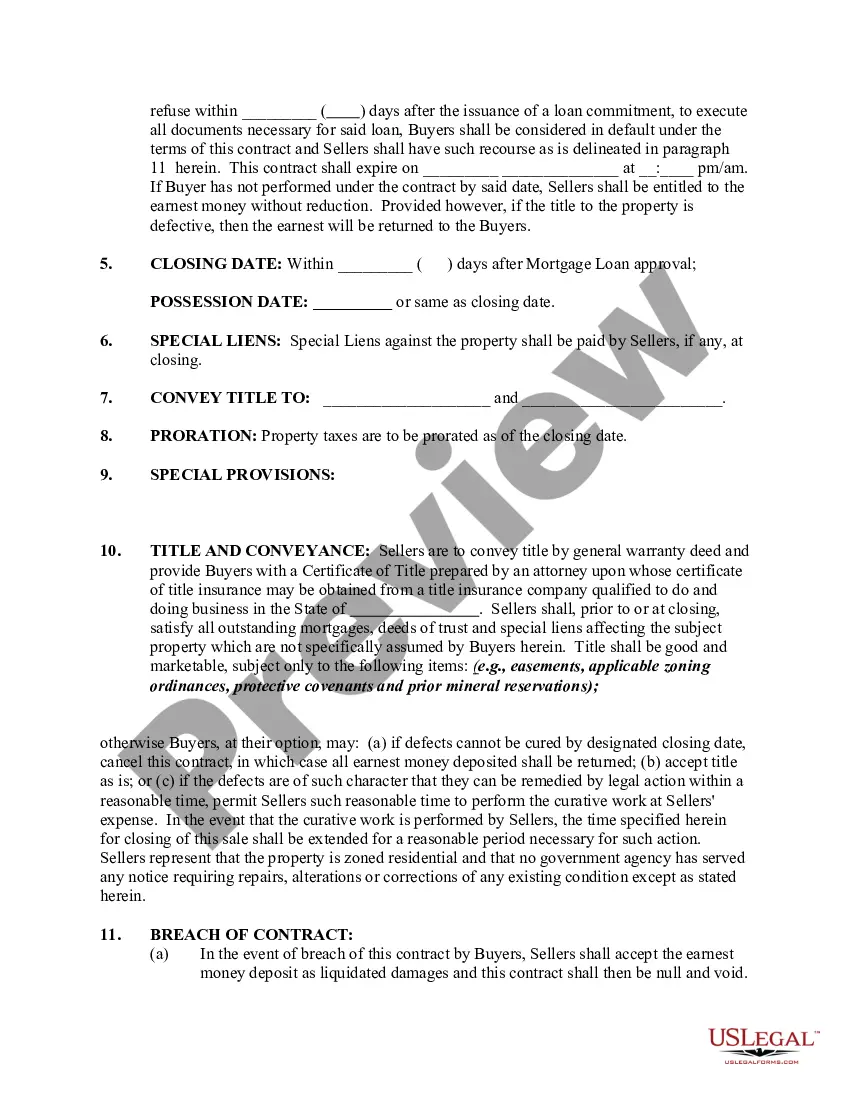
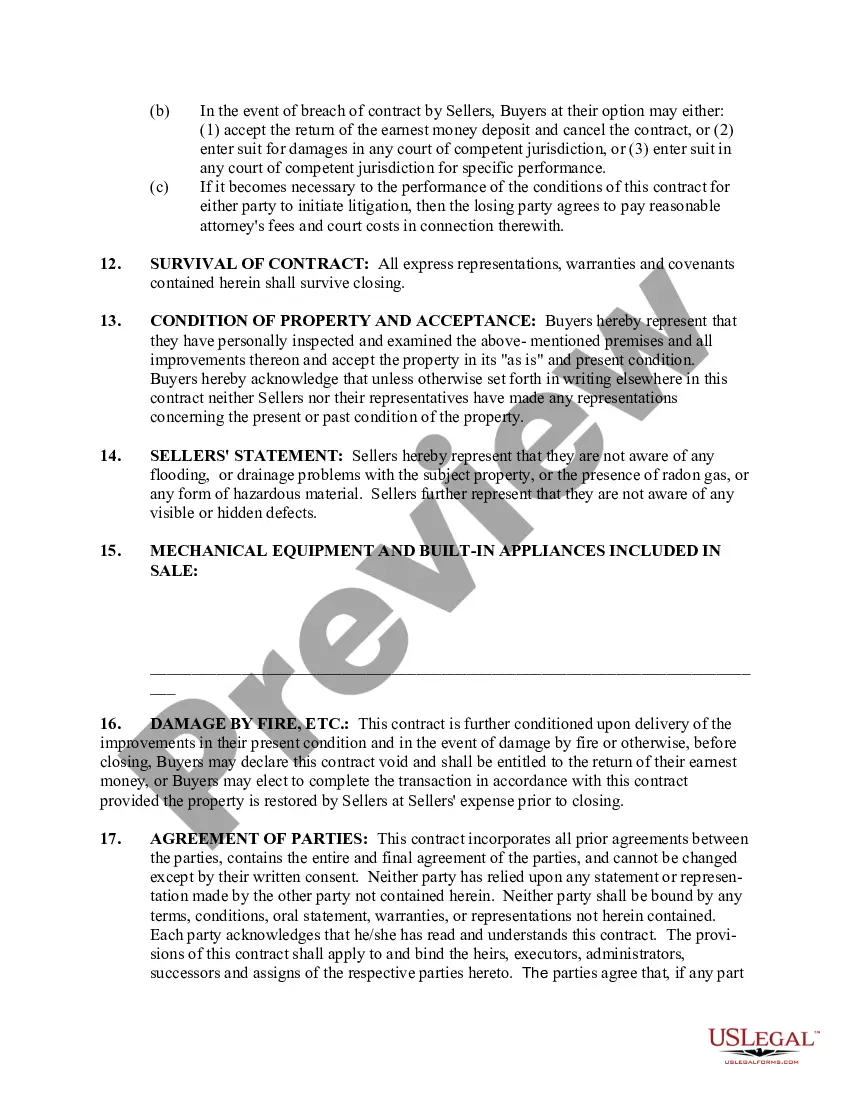
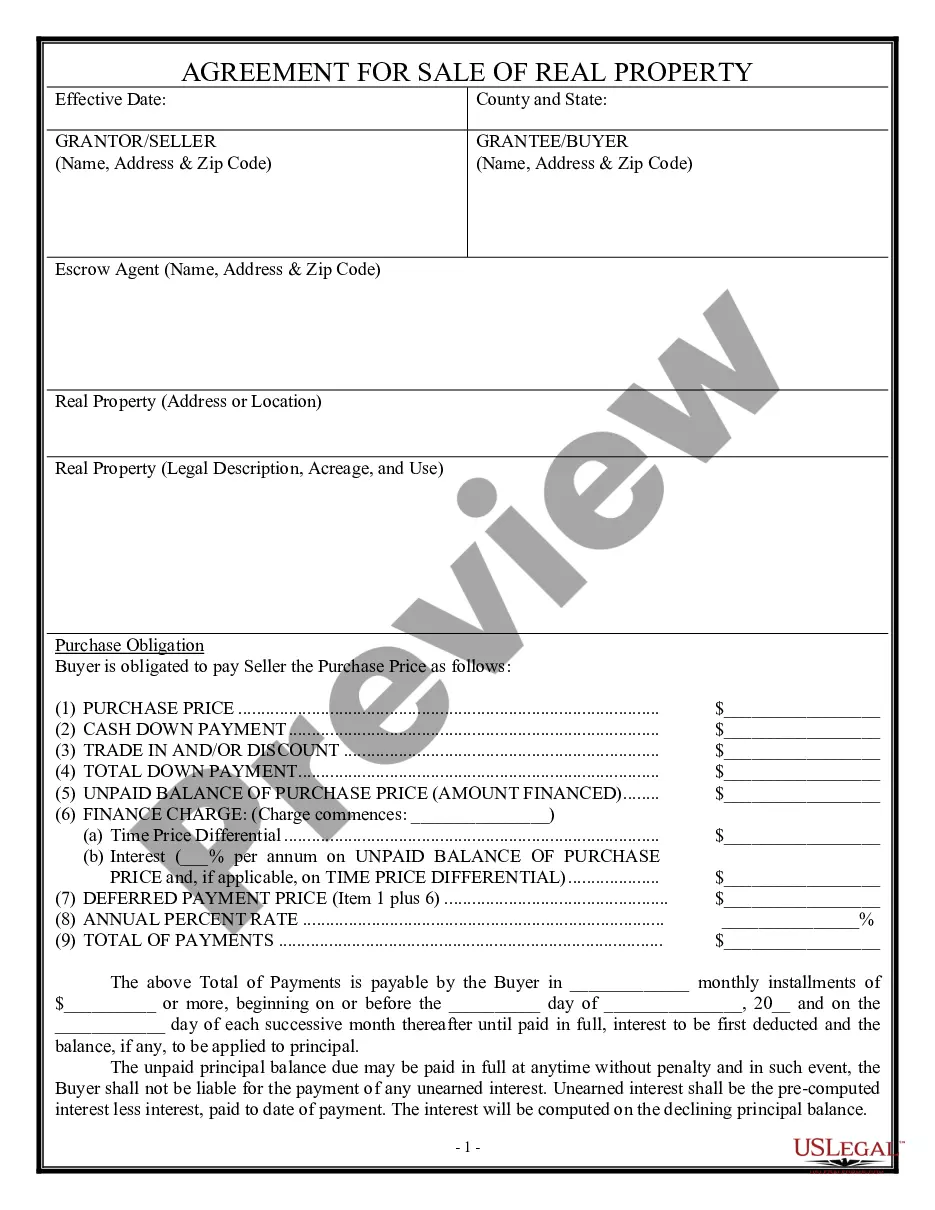
Get your form ready online
Our built-in tools help you complete, sign, share, and store your documents in one place.
Make edits, fill in missing information, and update formatting in US Legal Forms—just like you would in MS Word.
Download a copy, print it, send it by email, or mail it via USPS—whatever works best for your next step.
Sign and collect signatures with our SignNow integration. Send to multiple recipients, set reminders, and more. Go Premium to unlock E-Sign.
If this form requires notarization, complete it online through a secure video call—no need to meet a notary in person or wait for an appointment.
We protect your documents and personal data by following strict security and privacy standards.

Make edits, fill in missing information, and update formatting in US Legal Forms—just like you would in MS Word.

Download a copy, print it, send it by email, or mail it via USPS—whatever works best for your next step.

Sign and collect signatures with our SignNow integration. Send to multiple recipients, set reminders, and more. Go Premium to unlock E-Sign.

If this form requires notarization, complete it online through a secure video call—no need to meet a notary in person or wait for an appointment.

We protect your documents and personal data by following strict security and privacy standards.
Looking for another form?


Form popularity
FAQ
Type of owner: married couplesThe most common form of property ownership for married couples is joint tenancy with rights of survivorship, which awards both parties undivided ownership.
Owners can agree to a market sale and division of proceeds outside of court. However, if the owners cannot agree, one individual can file a petition for a partition of land which will result in the forced sale of the property. The court can also order one party to buy out the other's interest.
For instance, if you're married, the most common way to title your home is Tenancy by the Entirety (TBE). That endows survivorship rights, some creditor protection, and allows for transfers only with the consent of both spouses.
When buying a house as a married couple, it's generally advisable for both names to be on the deed. Here are some key reasons why: Ownership Rights: Having both names on the deed establishes legal ownership for both partners. This can prevent disputes in the event of a separation or divorce.
In the event of marriage where the principal residence is owned by only one spouse, the new spouse is afforded the protections of the homestead law, even if the new spouse is not a title-owner of the premises. Thus, the new law requires all deeds to reference marital status.
Typically, matrimonial assets include the family home, pensions and savings. If an asset is non-matrimonial it means that is has been brought into the marriage by one spouse only.
Joint Tenants – When one joint tenant dies, the surviving joint tenant automatically owns the entire property. This is said to be a “right of survivorship.” A deed to two or more people must specify that they hold the property “as joint tenants” to create a joint tenancy.
Tenancy by the entirety is a type of property ownership that only applies to married couples. The couple is treated as a single legal entity and mutually co-owns the property.
