Closing Any Property Without Permission In King
Description

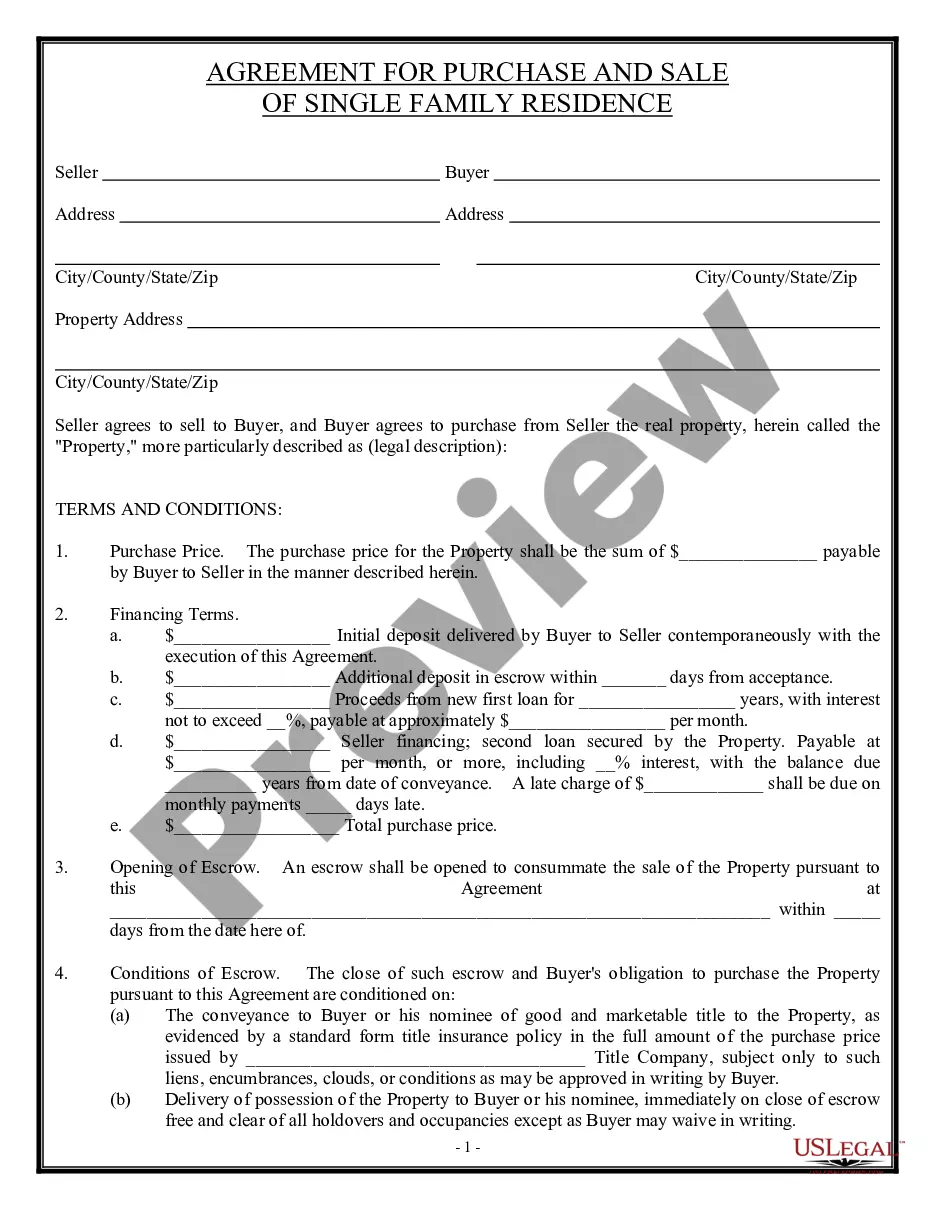
Get your form ready online
Our built-in tools help you complete, sign, share, and store your documents in one place.
Make edits, fill in missing information, and update formatting in US Legal Forms—just like you would in MS Word.
Download a copy, print it, send it by email, or mail it via USPS—whatever works best for your next step.
Sign and collect signatures with our SignNow integration. Send to multiple recipients, set reminders, and more. Go Premium to unlock E-Sign.
If this form requires notarization, complete it online through a secure video call—no need to meet a notary in person or wait for an appointment.
We protect your documents and personal data by following strict security and privacy standards.

Make edits, fill in missing information, and update formatting in US Legal Forms—just like you would in MS Word.

Download a copy, print it, send it by email, or mail it via USPS—whatever works best for your next step.

Sign and collect signatures with our SignNow integration. Send to multiple recipients, set reminders, and more. Go Premium to unlock E-Sign.

If this form requires notarization, complete it online through a secure video call—no need to meet a notary in person or wait for an appointment.

We protect your documents and personal data by following strict security and privacy standards.
Looking for another form?










Form popularity
FAQ
Under our legal system, the Monarch (currently King Charles III), as head of state, owns the superior interest in all land in England, Wales and Northern Ireland.
In addition to land belonging to The King by virtue of being Monarch (i.e. land owned by The Crown Estate), “Crown land” is a term often used to cover a variety of other properties such as: The King's private estate, Properties of the Duchies and Government land.
In a monarchy, a king or queen is Head of State. The British Monarchy is known as a constitutional monarchy. This means that, while The Sovereign is Head of State, the ability to make and pass legislation resides with an elected Parliament.
Holdings consist of around 116,000 hectares (287,000 acres) of agricultural land and forests, together with minerals and residential and commercial property.
So, in total the Royal Family directly owns 250,000 acres (via its private estates and the two Royal Duchies). If the whole of the UK was divvied up in this manner, it would be owned by just 250 people. The Royals also enjoy a significant link to a further 615,000 acres via the Crown Estate.
And the integral on the left turns into the integral on the right. Although simple to prove and easy to state, this result is one of the most fundamental in solving difficult integrals and is especially powerful when combined with trigonometric identities.
Adverse Possession Law ing to the Indian legal system, if a property owner fails to make a claim towards their property for 12 years, and the same tenant continues to occupy the property for 12 years, the ownership rights to the property is transferred to the tenant.
Monitoring Your Property: Regularly checking on your property is one of the best ways of protecting land from adverse possession in the UK. This means visiting your land regularly to ensure everything is in order. Look for signs of unauthorised occupation, damage, or vandalism.