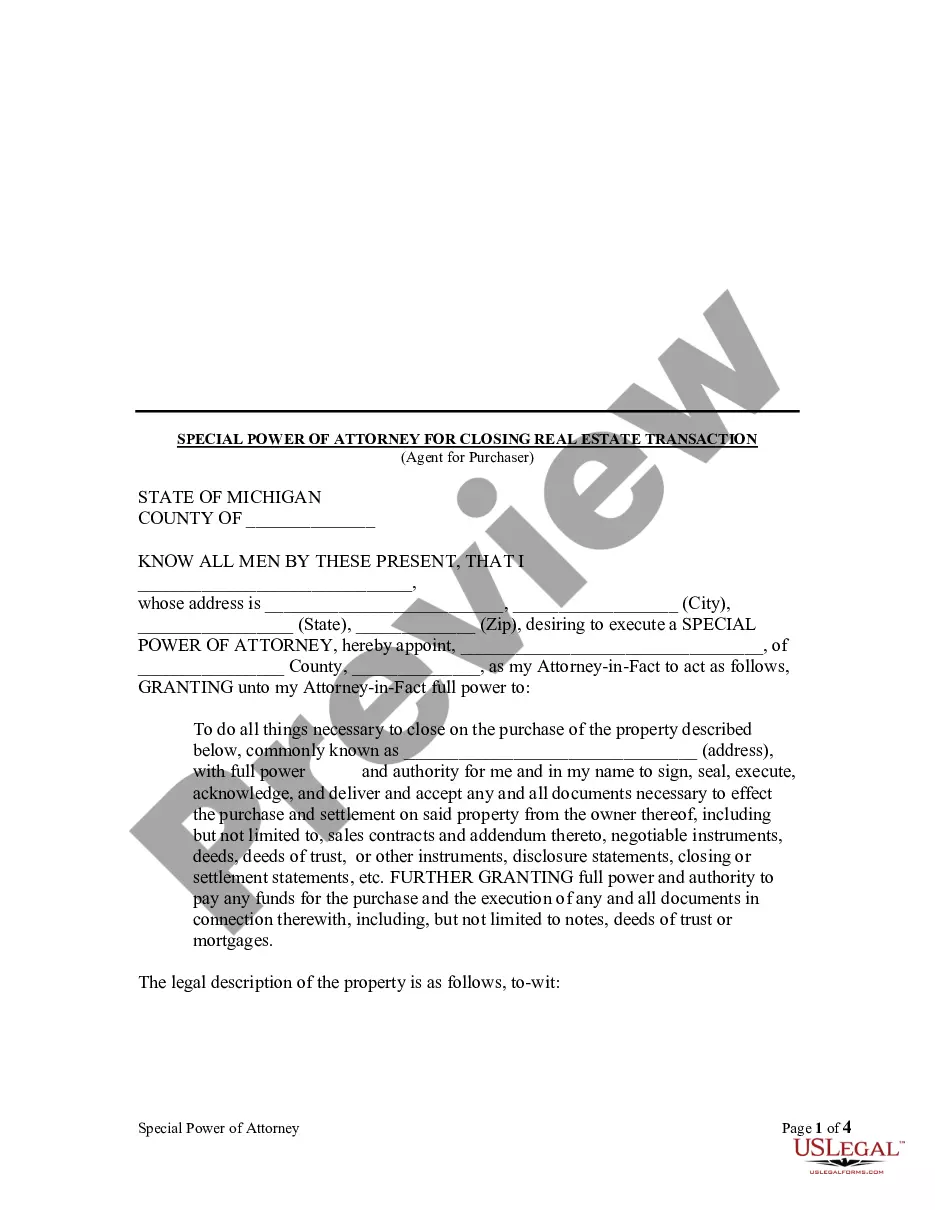
Closing Property Title With Mortgage In Georgia
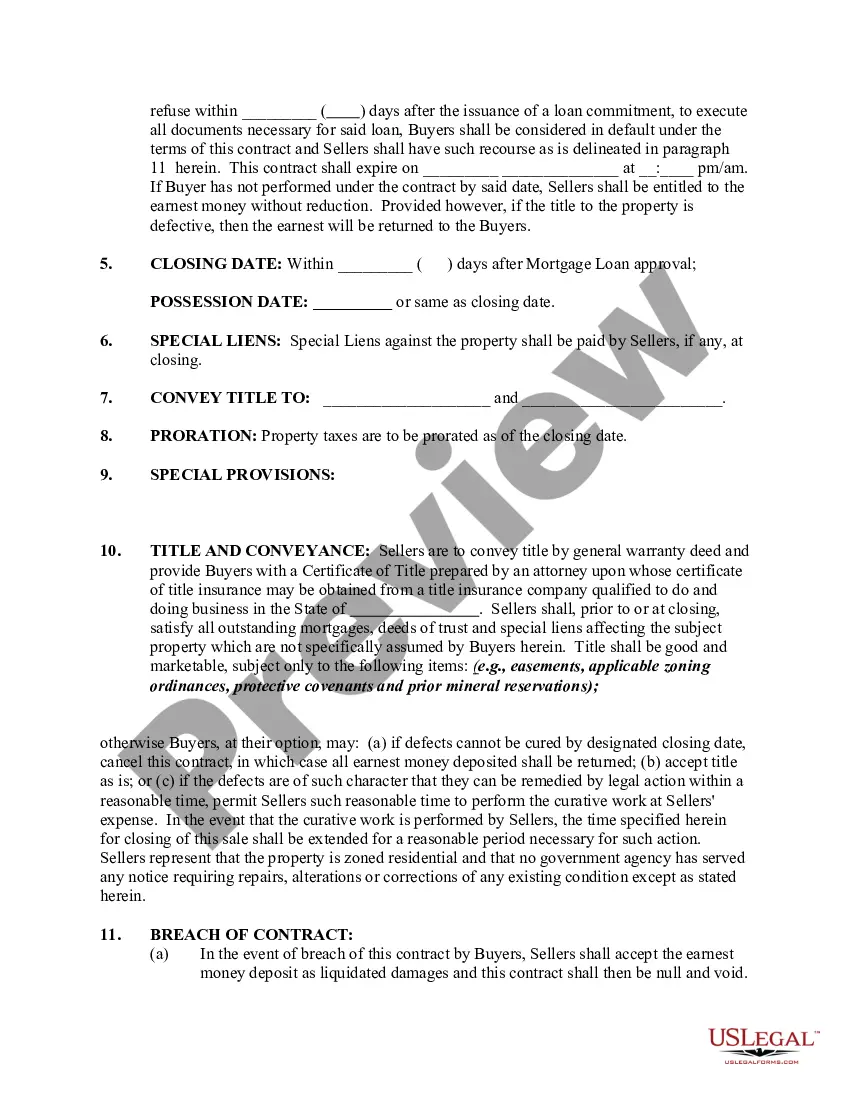
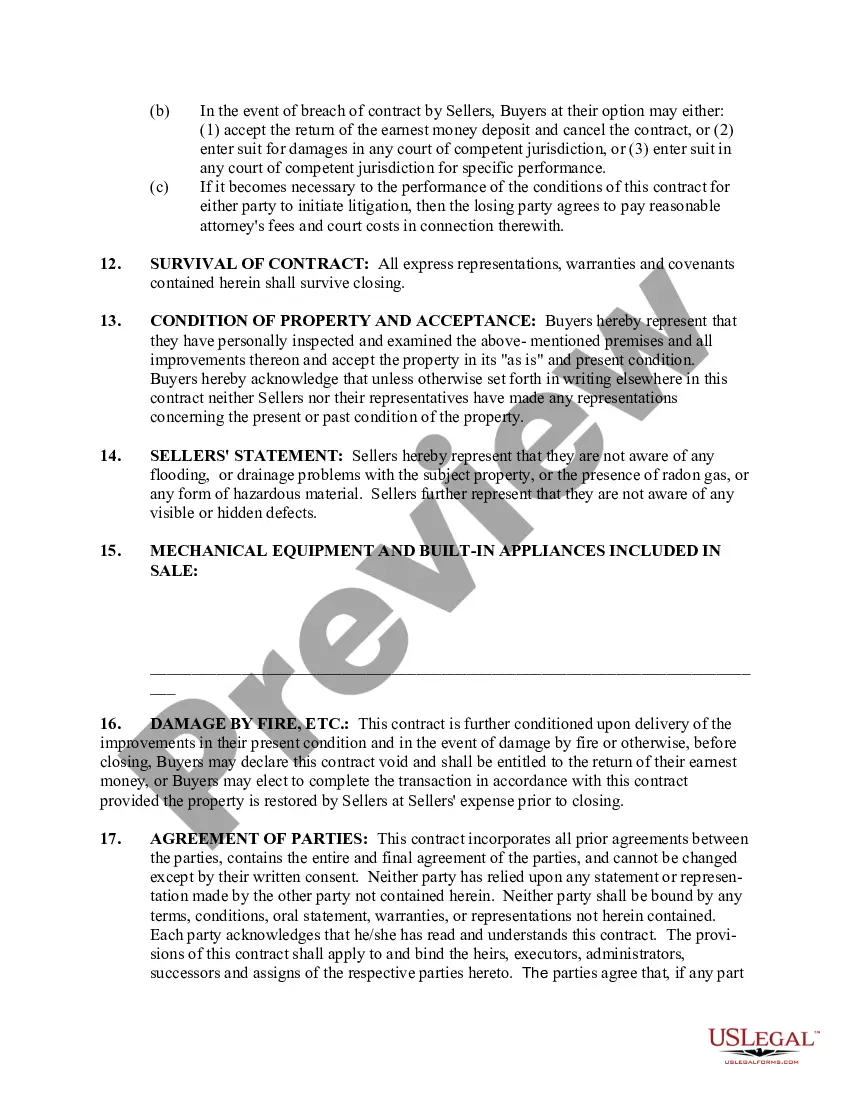
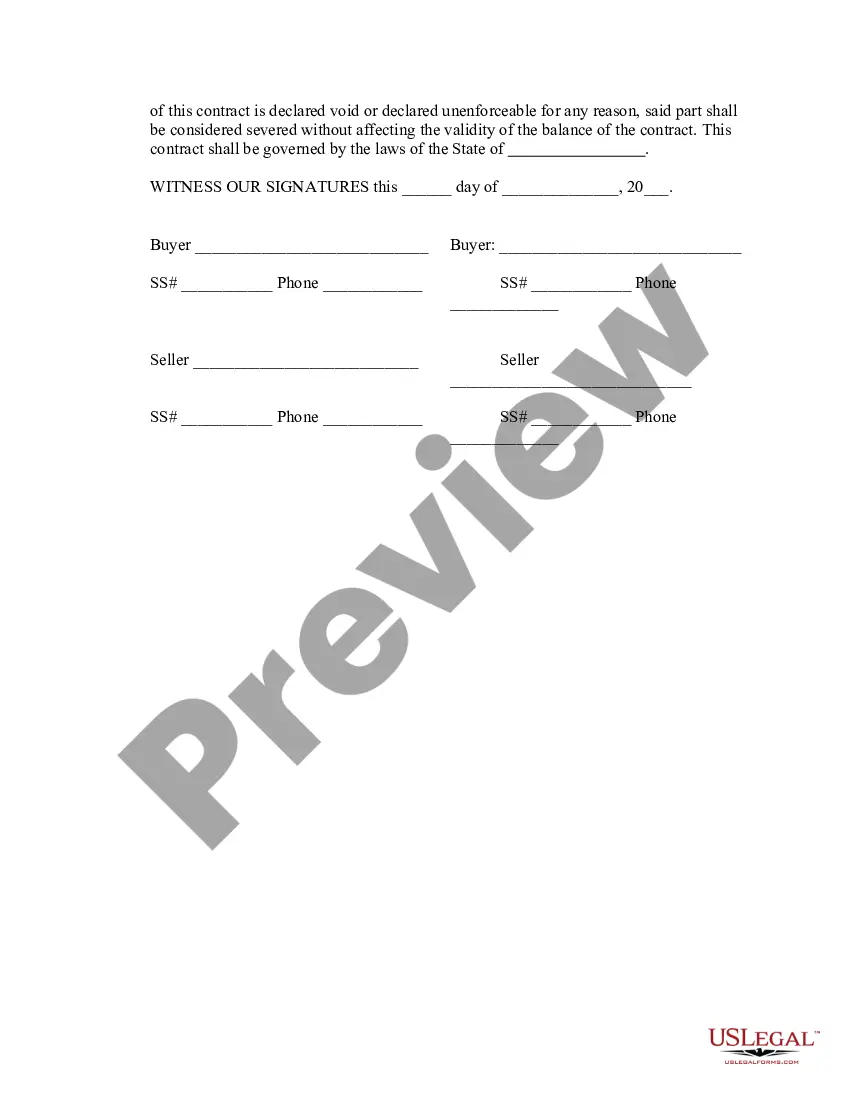
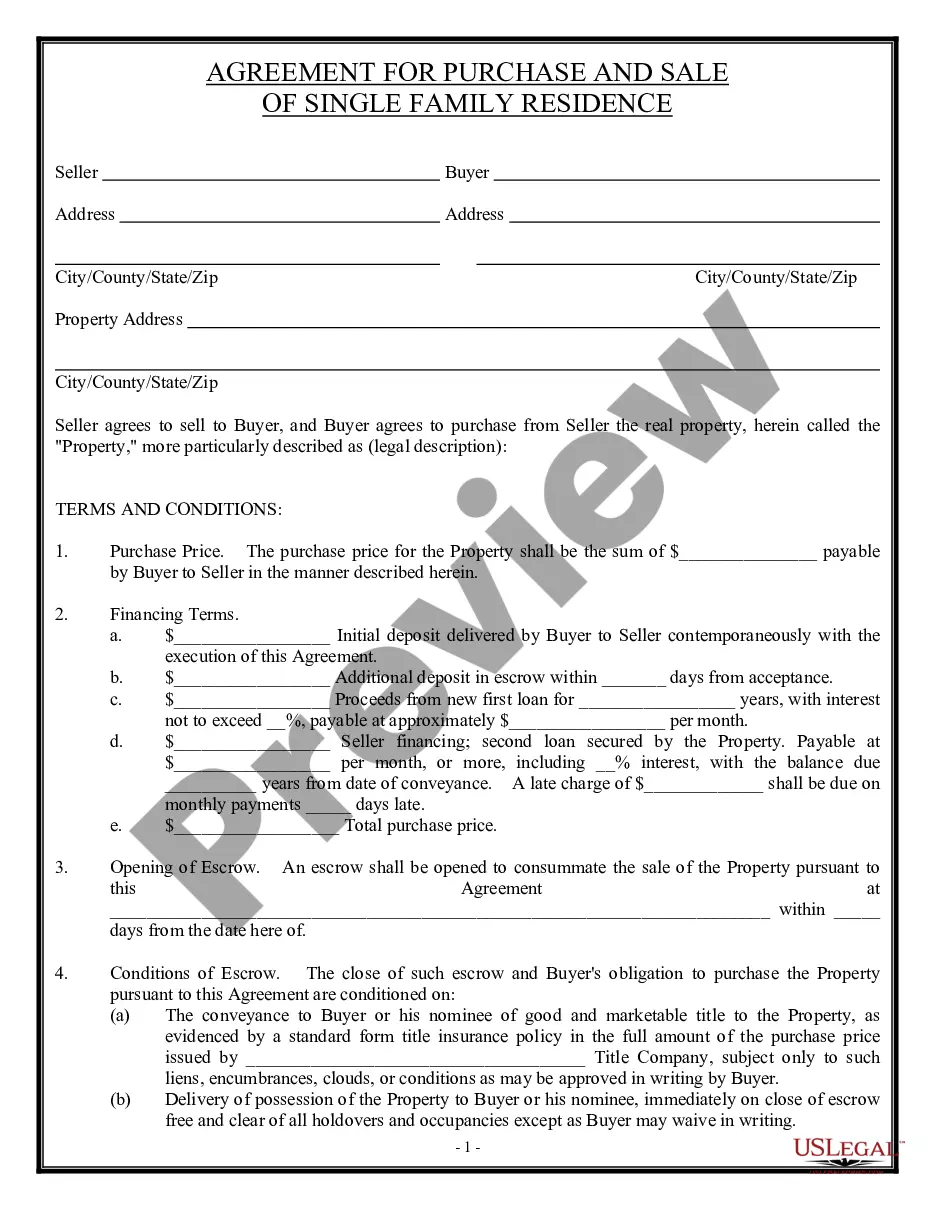
Description

Get your form ready online
Our built-in tools help you complete, sign, share, and store your documents in one place.
Make edits, fill in missing information, and update formatting in US Legal Forms—just like you would in MS Word.
Download a copy, print it, send it by email, or mail it via USPS—whatever works best for your next step.
Sign and collect signatures with our SignNow integration. Send to multiple recipients, set reminders, and more. Go Premium to unlock E-Sign.
If this form requires notarization, complete it online through a secure video call—no need to meet a notary in person or wait for an appointment.
We protect your documents and personal data by following strict security and privacy standards.

Make edits, fill in missing information, and update formatting in US Legal Forms—just like you would in MS Word.

Download a copy, print it, send it by email, or mail it via USPS—whatever works best for your next step.

Sign and collect signatures with our SignNow integration. Send to multiple recipients, set reminders, and more. Go Premium to unlock E-Sign.

If this form requires notarization, complete it online through a secure video call—no need to meet a notary in person or wait for an appointment.

We protect your documents and personal data by following strict security and privacy standards.
Looking for another form?




Form popularity
FAQ
So, closing in the Spring or Summer will generally mean that the buyer will be responsible for paying the actual bill when it is issued. To avoid getting a freebee, the seller will prepay a prorata share of the taxes to the buyer at the time of closing.
Here are the steps to completing a deed transfer in Georgia: Names the Current Owner and New Owner. Contains a Description of the Property. Signed by Current Owner. Two Witnesses: Unofficial Witness & Notary Public. Complete a PT-61, Transfer Tax Form. Record Deed in County Real Estate Records.
Obtaining a survey Many lenders do not require a current survey prior to closing on real estate in Georgia. But, it's a good idea to get one prior to closing because it will show the location of the house and other improvements such as fences, garages and driveways on the property.
Several east coast states are attorney states: Georgia, South Carolina and North Carolina. Some states, such as Florida, are “Title Company States” that do not require an attorney to close loans or purchases as long as the closing includes title insurance.
Like its sister states, North Carolina and South Carolina, Georgia has long been an “attorney state” when it comes to closing residential real estate transactions.
The buyer usually pays for the lender's title insurance, as it is a requirement of most mortgage lenders.
Unlike some states, title insurance is not mandatory for real estate transactions in Georgia. However, lenders will almost always require a lender's title insurance policy to protect their financial interest in the property.
Attorneys are granted wide latitude in conducting closing argument. A closing argument is appropriate as long as it is based on the evidence that is properly before the jury or reasonable inferences raised by the evidence, including any that address the credibility of witnesses.” Jackson v. State, 301 Ga. 774 (2017); .
Every Georgia owner of a vehicle, other than a licensed franchised dealer (dealer licensed to sell new motor vehicles), must obtain a title in their name before transferring. If a statement of origin is assigned to a used motor vehicle dealer, then that used car dealer must secure a title in their name before transfer.
