Closure Any Property For Addition In Florida
Description

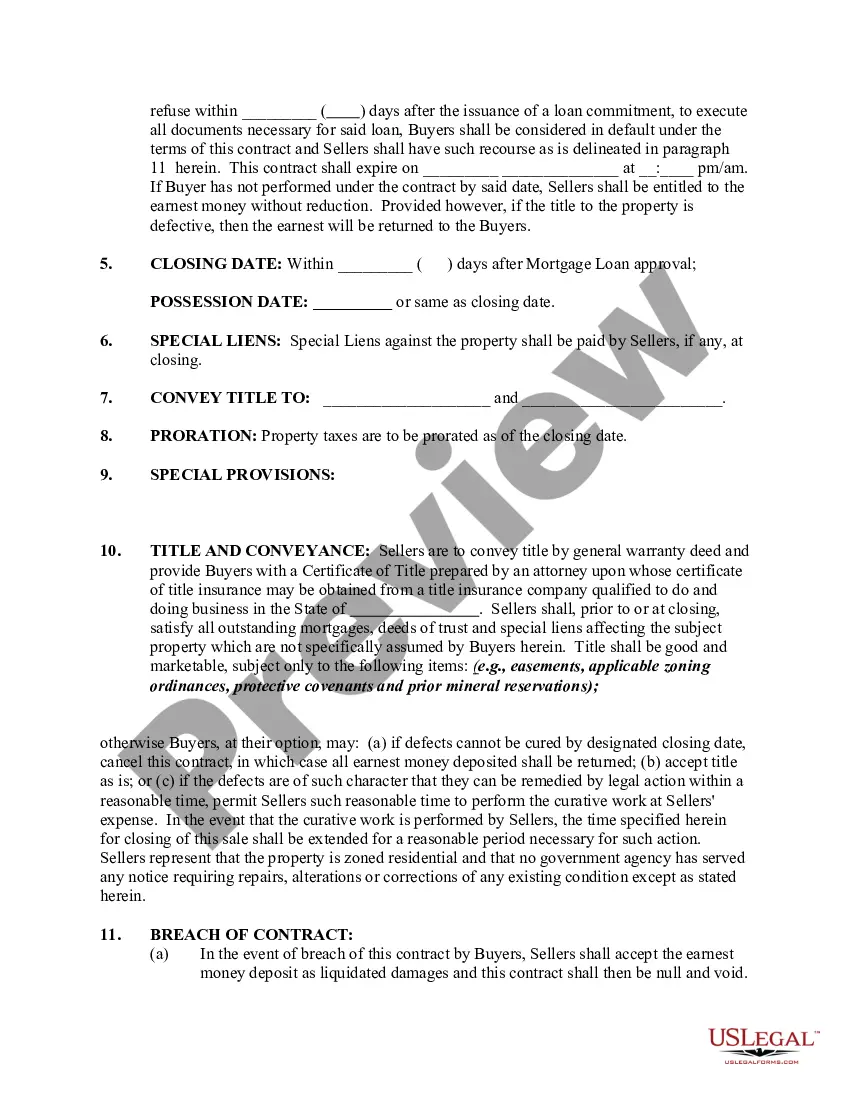
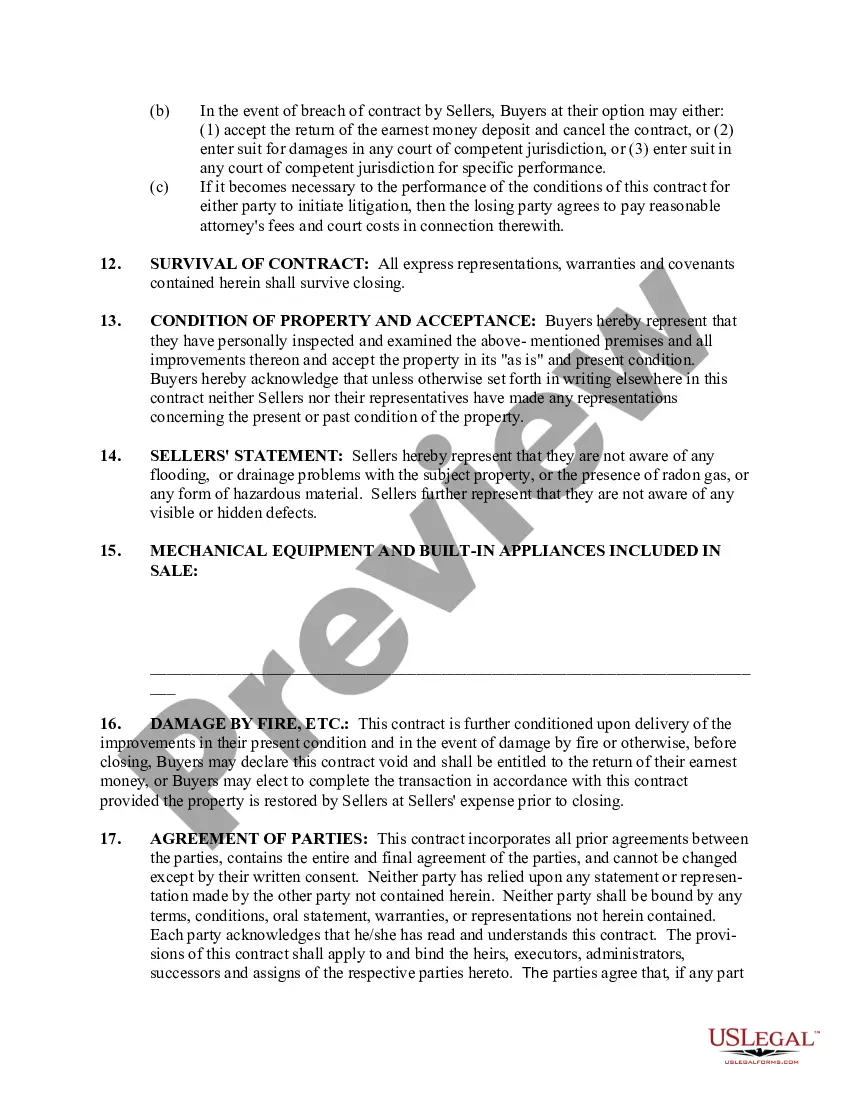
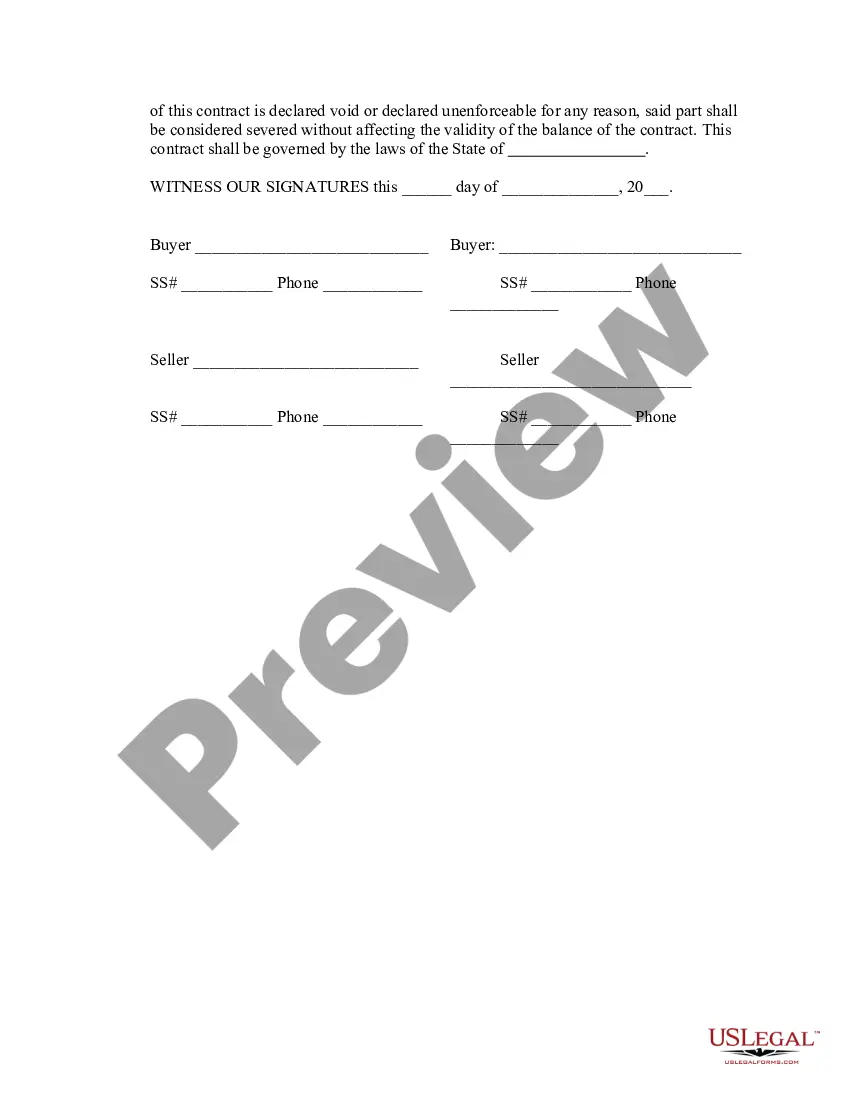
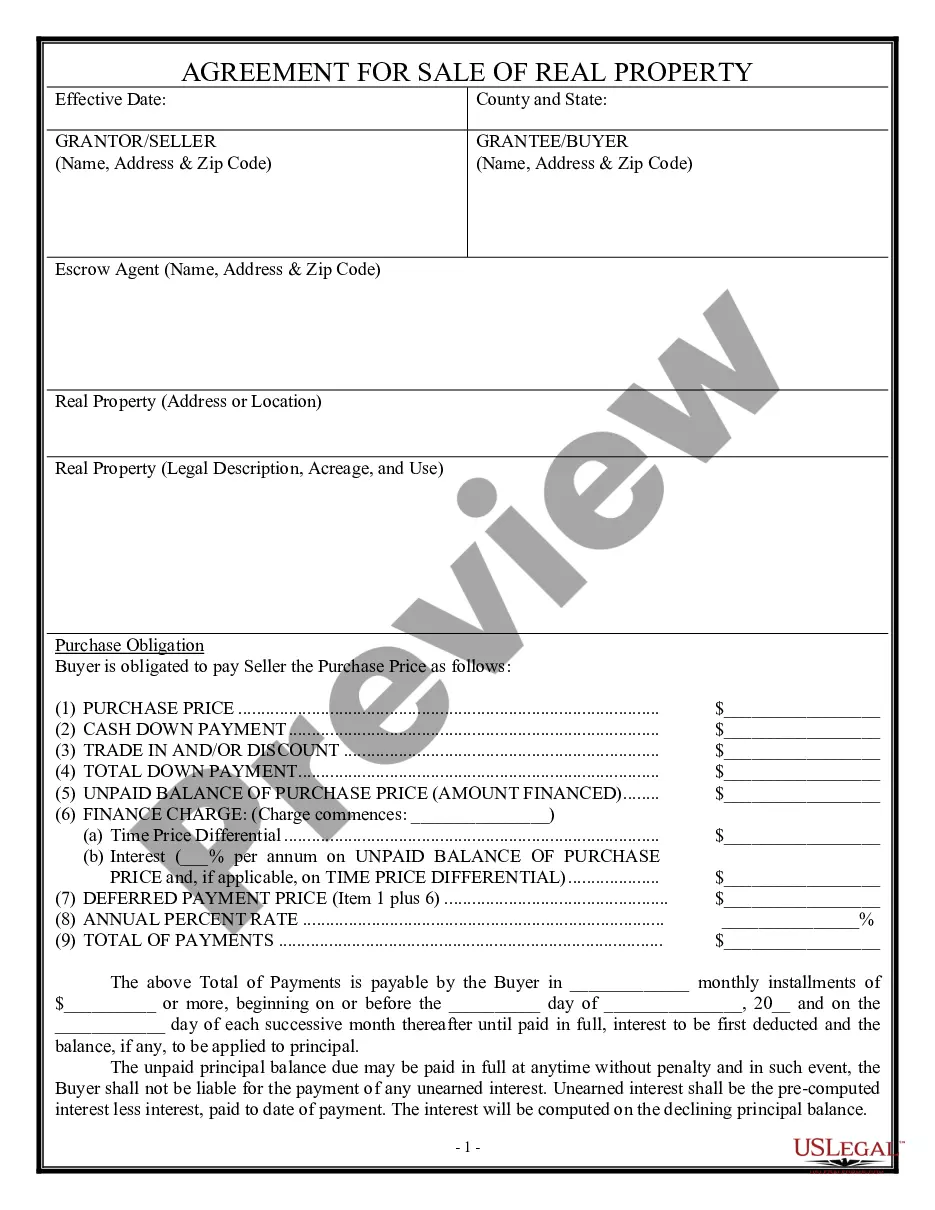
Get your form ready online
Our built-in tools help you complete, sign, share, and store your documents in one place.
Make edits, fill in missing information, and update formatting in US Legal Forms—just like you would in MS Word.
Download a copy, print it, send it by email, or mail it via USPS—whatever works best for your next step.
Sign and collect signatures with our SignNow integration. Send to multiple recipients, set reminders, and more. Go Premium to unlock E-Sign.
If this form requires notarization, complete it online through a secure video call—no need to meet a notary in person or wait for an appointment.
We protect your documents and personal data by following strict security and privacy standards.

Make edits, fill in missing information, and update formatting in US Legal Forms—just like you would in MS Word.

Download a copy, print it, send it by email, or mail it via USPS—whatever works best for your next step.

Sign and collect signatures with our SignNow integration. Send to multiple recipients, set reminders, and more. Go Premium to unlock E-Sign.

If this form requires notarization, complete it online through a secure video call—no need to meet a notary in person or wait for an appointment.

We protect your documents and personal data by following strict security and privacy standards.
Looking for another form?





Form popularity
FAQ
Florida law does not require buyers or sellers to hire an attorney for real estate closings, but doing so provides peace of mind. An experienced attorney can: Review contracts and closing documents. Address title defects or other legal issues.
Yes, as long as you own the one-family or two-family residence, and the residence is used for your own use or occupancy. You cannot sell your house or duplex for one year after having a final inspection on any Owner builder permit. Additional restrictions may apply.
In general, closing costs in Florida are split between the seller and the buyer, with the buyer paying more. This arrangement can vary depending on the county and what the parties agree to. In addition to paying most of the taxes and fees, buyer closing costs include: Mortgage costs.
Florida sellers are required by law to disclose unpermitted work at the time of the sale of the home.
Certain projects, such as bathroom or kitchen remodels, may require permits depending on the type of work being performed. For instance, a bathroom remodel where plumbing work is involved would likely require a permit.
Penalties for Not Pulling a Permit Cease and Desist Orders: Local authorities may issue a stop-work order, halting the construction project until proper permits are obtained. Removal of Work: If the work is not up to code, property owners might be required to remove or redo it, leading to increased costs and delays.
Property taxes in Florida are implemented in millage rates. A millage rate is one-tenth of a percent, which equates to $1 in taxes for every $1,000 in home value. A number of different authorities, including counties, municipalities, school boards and special districts, can levy these taxes.
Florida law does not require buyers or sellers to hire an attorney for real estate closings, but doing so provides peace of mind. An experienced attorney can: Review contracts and closing documents. Address title defects or other legal issues.
