Cancelación Contrato Without In Michigan
Description

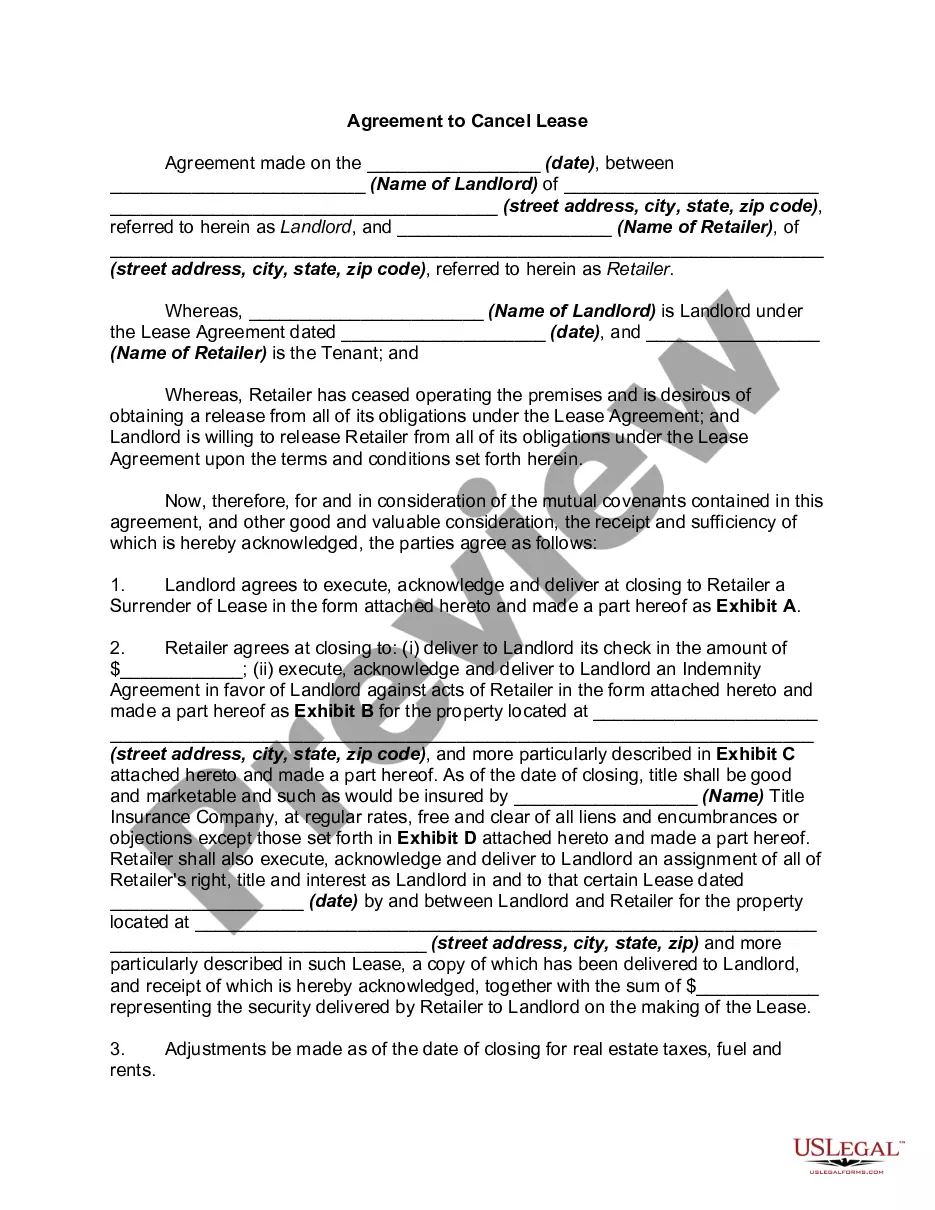
Get your form ready online
Our built-in tools help you complete, sign, share, and store your documents in one place.
Make edits, fill in missing information, and update formatting in US Legal Forms—just like you would in MS Word.
Download a copy, print it, send it by email, or mail it via USPS—whatever works best for your next step.
Sign and collect signatures with our SignNow integration. Send to multiple recipients, set reminders, and more. Go Premium to unlock E-Sign.
If this form requires notarization, complete it online through a secure video call—no need to meet a notary in person or wait for an appointment.
We protect your documents and personal data by following strict security and privacy standards.

Make edits, fill in missing information, and update formatting in US Legal Forms—just like you would in MS Word.

Download a copy, print it, send it by email, or mail it via USPS—whatever works best for your next step.

Sign and collect signatures with our SignNow integration. Send to multiple recipients, set reminders, and more. Go Premium to unlock E-Sign.

If this form requires notarization, complete it online through a secure video call—no need to meet a notary in person or wait for an appointment.

We protect your documents and personal data by following strict security and privacy standards.
Looking for another form?








Form popularity
FAQ
Under consumer protection laws, you have the right to cancel certain types of contracts in some circumstances. There are time limits and notice requirements. Depending on the circumstances, you may be entitled to a full or partial refund.
Under the Consumer Contracts (Information, Cancellation and Additional Charges) Regulations 2013, a consumer usually has the right to cancel a distance contract or off-premises contract without giving a reason, and without any fault on your part (see Regulatory requirements for consumer contracts for an explanation of ...
A contract that violates public policy or a specific statute will not be enforceable in Michigan courts. This one is self-explanatory: The state will not compel anyone to take an action that is against the law.
Cooling-off rule. Cooling-off Rule is a rule that allows you to cancel a contract within a few days (usually three days) after signing it. As explained by the Federal Trade Commission (FTC), the federal cooling-off rules gives the consumer three days to cancel certain sales for a full refund.
You usually cannot cancel a contract, but there are times when you can. You can cancel some contracts within certain time limits. Some contracts must tell you about your right to cancel, how to cancel them, and where to send the cancellation notice.
Contractual recission, or cancellation of a contract, is one of the main ways that a party may back out of a deal. Recission is a purely equitable remedy. However, not all purported breaches of contract give rise to an ability for a party to rescind a contract.
You usually cannot cancel a contract, but there are times when you can. You can cancel some contracts within certain time limits. Some contracts must tell you about your right to cancel, how to cancel them, and where to send the cancellation notice.
It is always open to parties to agree to variations to their contractual arrangements. That includes terminating it by agreement. Both parties are able to consent to termination of a contract. When they do, the mutual obligations to perform contractual obligations come to an end.
