Rules For Document Retention In Phoenix
Description


Get your form ready online
Our built-in tools help you complete, sign, share, and store your documents in one place.
Make edits, fill in missing information, and update formatting in US Legal Forms—just like you would in MS Word.
Download a copy, print it, send it by email, or mail it via USPS—whatever works best for your next step.
Sign and collect signatures with our SignNow integration. Send to multiple recipients, set reminders, and more. Go Premium to unlock E-Sign.
If this form requires notarization, complete it online through a secure video call—no need to meet a notary in person or wait for an appointment.
We protect your documents and personal data by following strict security and privacy standards.

Make edits, fill in missing information, and update formatting in US Legal Forms—just like you would in MS Word.

Download a copy, print it, send it by email, or mail it via USPS—whatever works best for your next step.

Sign and collect signatures with our SignNow integration. Send to multiple recipients, set reminders, and more. Go Premium to unlock E-Sign.

If this form requires notarization, complete it online through a secure video call—no need to meet a notary in person or wait for an appointment.

We protect your documents and personal data by following strict security and privacy standards.
Looking for another form?





Form popularity
FAQ
You must keep your written evidence for 5 years from the date you lodge your tax return. In limited circumstances, there are different time periods for keeping records or record keeping exceptions.
It is important to note that the Companies Act, No 71 of 2008, has a general requirement, in respect of any information that a company is required to keep (whether in terms of the Companies Act or any other legislation), to retain such information for a period of at least seven years (or the longer period specified in ...
How long to keep records. Records must be kept for 6 years from the end of the financial year they relate. In essence this means you need to keep all records for 7 years (as it's 6 years plus a year to count for the financial year). HMRC has begun a compliance check into your Company Tax Return.
Generally, the rule of thumb is to keep records for at least six years. This includes records of all your income, expenses, and any other transactions related to your business. There are some records that you need to keep for longer.
Accounting records Type of recordRetention period Bank statements and deposit slips 7 years Production and sales reports 7 years Employee expenses reports 7 years Annual financial statements Permanently3 more rows
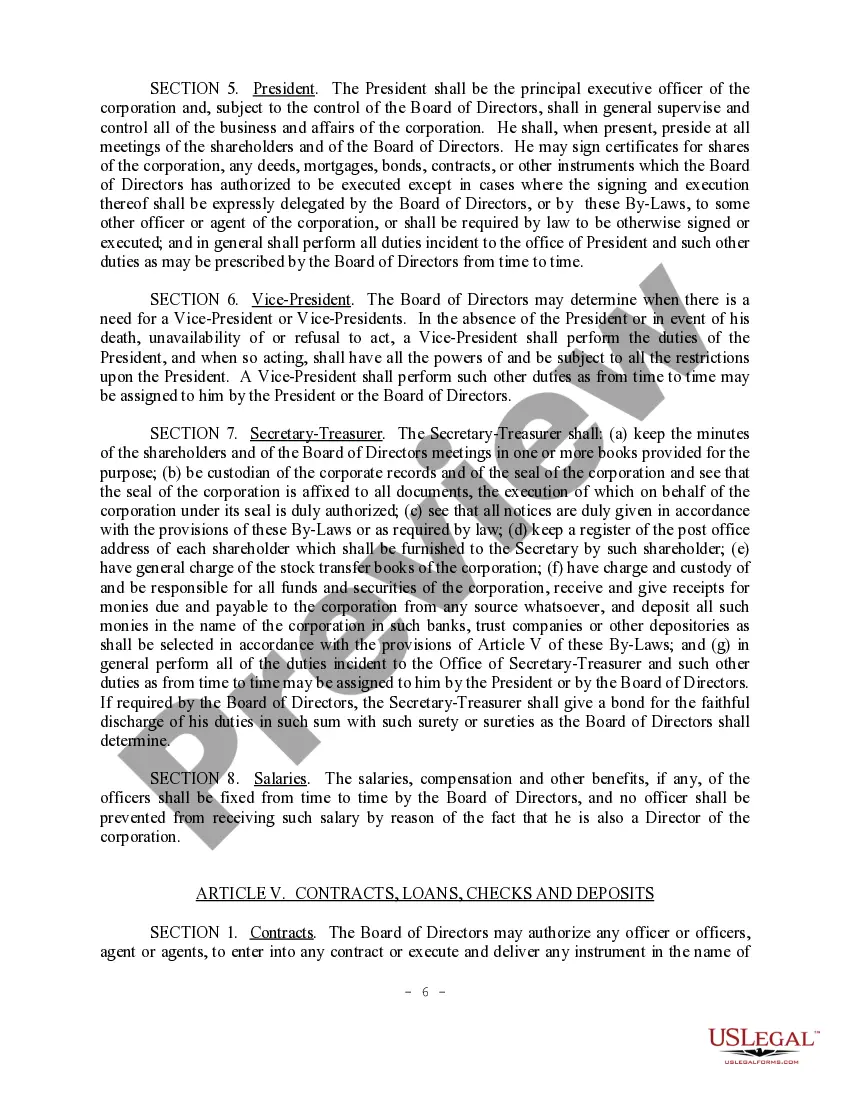
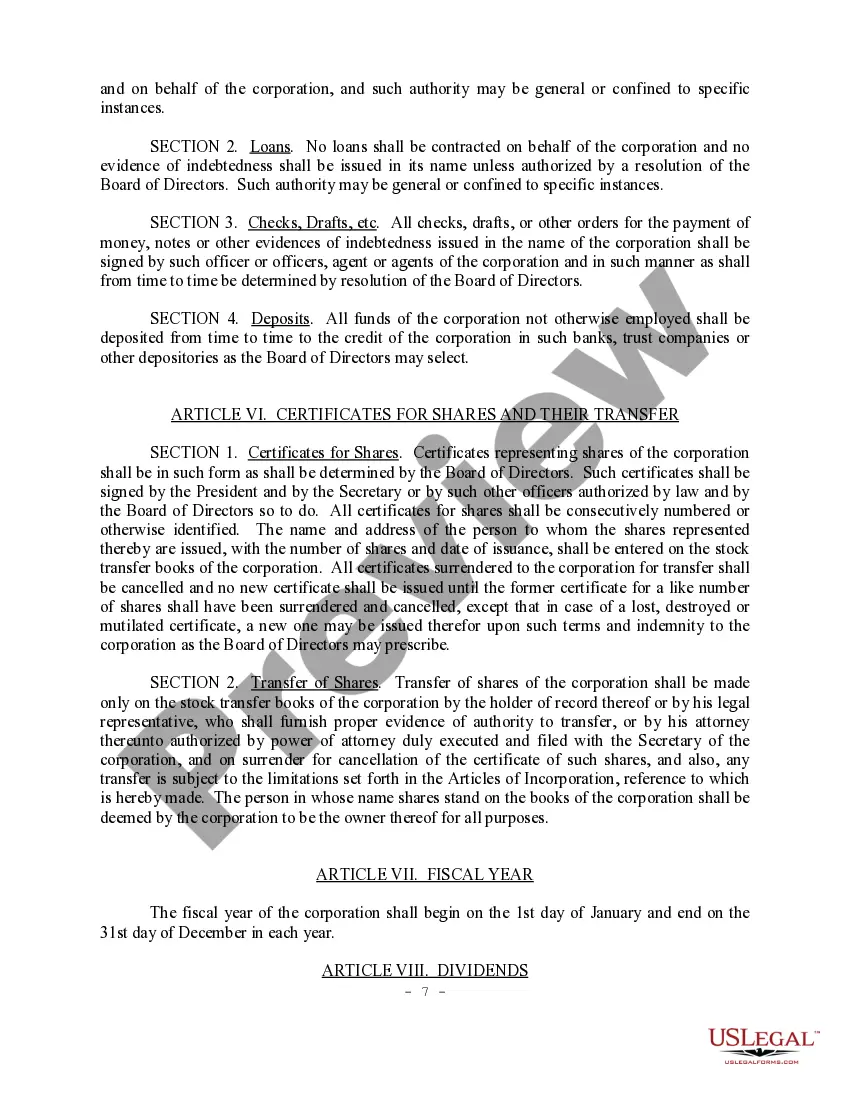
7 years: Any documents, accounts, books, writings, records or other information required to be retained, e.g. notices and minutes of all shareholders' meetings, resolutions passed at meetings and documents made available to holders of securities. Copies of reports presented at the annual general meeting of the company.
Record Retention Schedule for Businesses DocumentRetention Period Contracts and leases (expired) 7 years Correspondence, general 2 years Correspondence, legal and tax related Permanently Deeds, mortgages and bills of sale Permanently36 more rows
Generally, the rule of thumb is to keep records for at least six years.
Minutes of meetings and company resolutions must be kept for at least 10 years from the date of the resolution or meeting to which they relate. Accounting and financial records should usually be kept for at least 6 years from the end of the financial year or accounting period to which they relate.
