Bylaws For Homeowners Association In Illinois
Description


Get your form ready online
Our built-in tools help you complete, sign, share, and store your documents in one place.
Make edits, fill in missing information, and update formatting in US Legal Forms—just like you would in MS Word.
Download a copy, print it, send it by email, or mail it via USPS—whatever works best for your next step.
Sign and collect signatures with our SignNow integration. Send to multiple recipients, set reminders, and more. Go Premium to unlock E-Sign.
If this form requires notarization, complete it online through a secure video call—no need to meet a notary in person or wait for an appointment.
We protect your documents and personal data by following strict security and privacy standards.

Make edits, fill in missing information, and update formatting in US Legal Forms—just like you would in MS Word.

Download a copy, print it, send it by email, or mail it via USPS—whatever works best for your next step.

Sign and collect signatures with our SignNow integration. Send to multiple recipients, set reminders, and more. Go Premium to unlock E-Sign.

If this form requires notarization, complete it online through a secure video call—no need to meet a notary in person or wait for an appointment.

We protect your documents and personal data by following strict security and privacy standards.
Looking for another form?

Form popularity
FAQ
Fines may be given to homeowners for violations of the community regulations. The board must provide written notice and a reasonable opportunity for the homeowner to state their case before enforcing any fines. The HOA can place liens on property in the event of account delinquency.
Can you sue your HOA in Illinois? Yes, in Illinois, homeowners have the right to sue their HOA for violations such as discrimination or breach of fiduciary duties. It is important to seek legal advice and understand the specific laws and regulations in order to pursue legal action successfully.
Most homeowners associations are governed by either the Illinois inium Property Act or the Illinois Common Interest Community Association Act. Which law applies to your community depends on whether the homeowners association is a inium association.
Once you buy a home that's part of an HOA, you automatically become a member of the HOA. HOA rules are legally binding, and you must adhere to all rules and regulations in the governing document. Yes, there are bylaws that you may not like, but there are no HOA loopholes.
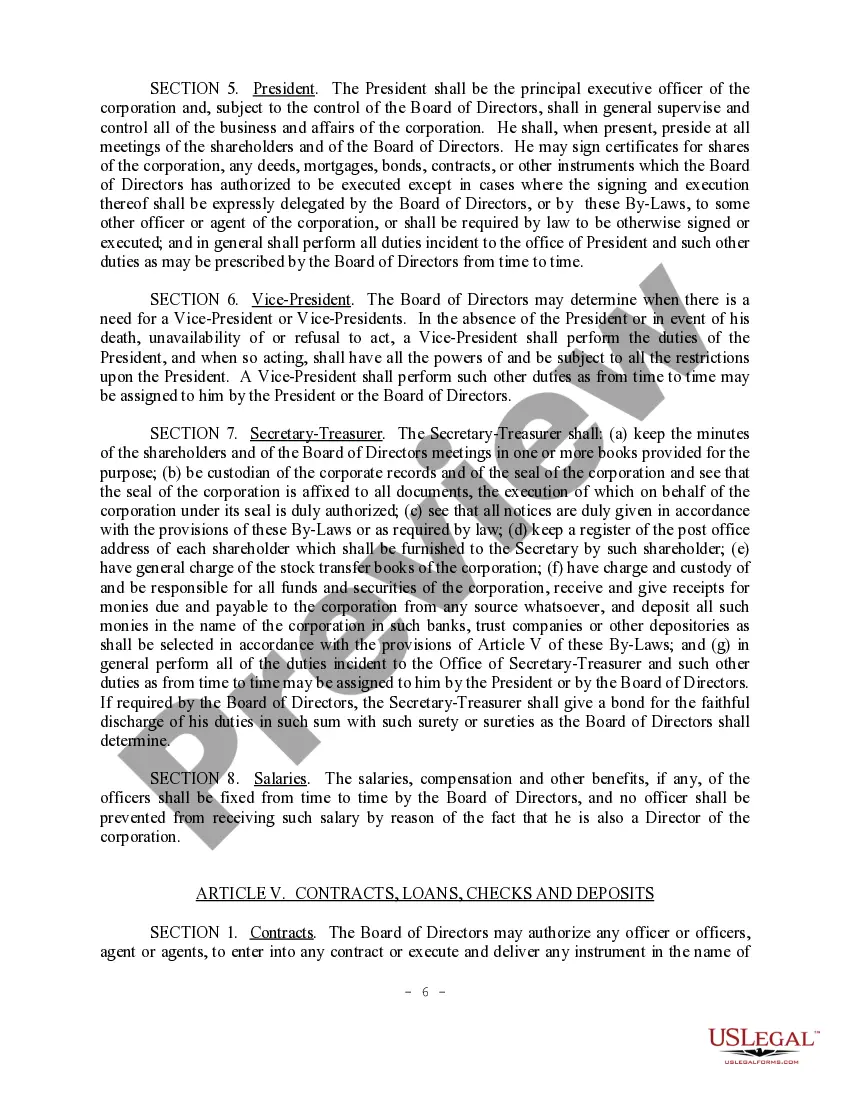
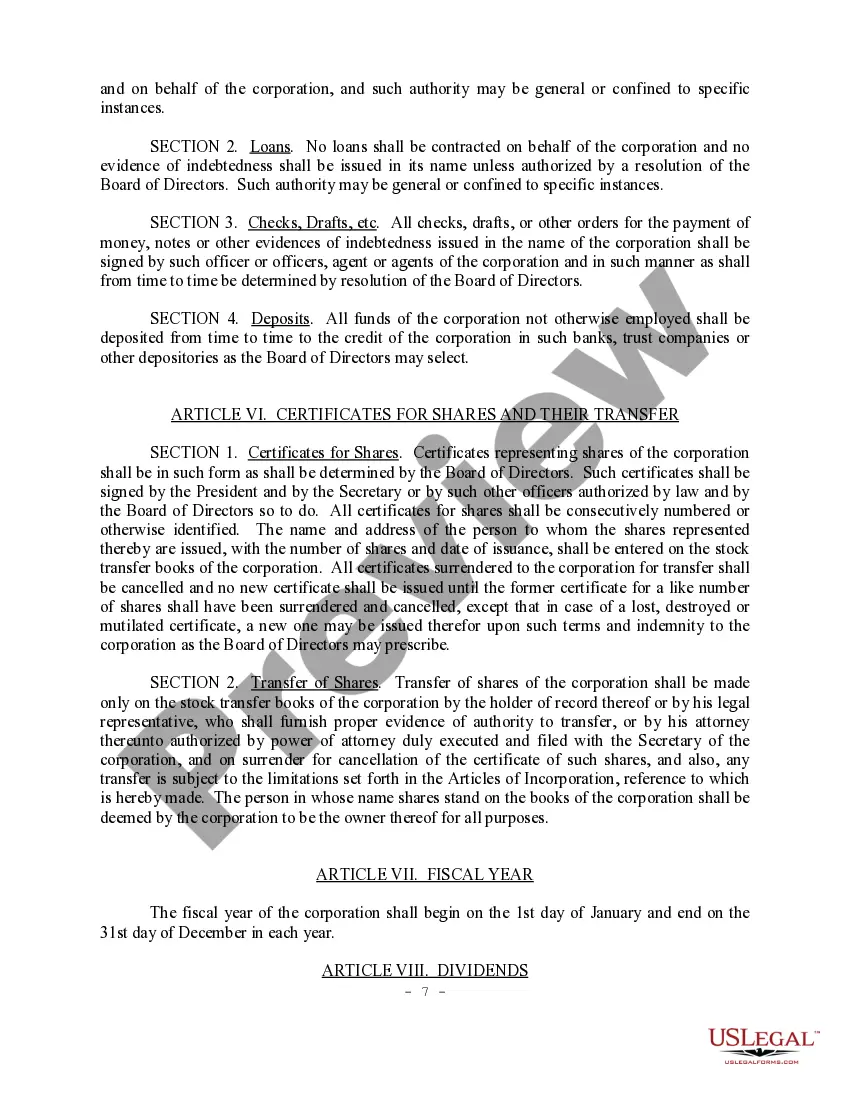
The Illinois General Not for Profit Corporation Act, which governs the vast majority of associations, requires that the board of directors of a corporation consist of three or more directors with the number of directors established in the bylaws.
Understanding Illinois Homeowners' Association Law AspectKey Takeaway HOA Powers Power to regulate common areas, collect charges, levy fines, and foreclose on homes for unpaid liens. Entry to Property Most governing documents allow HOA entry to homes for maintenance under certain conditions.6 more rows
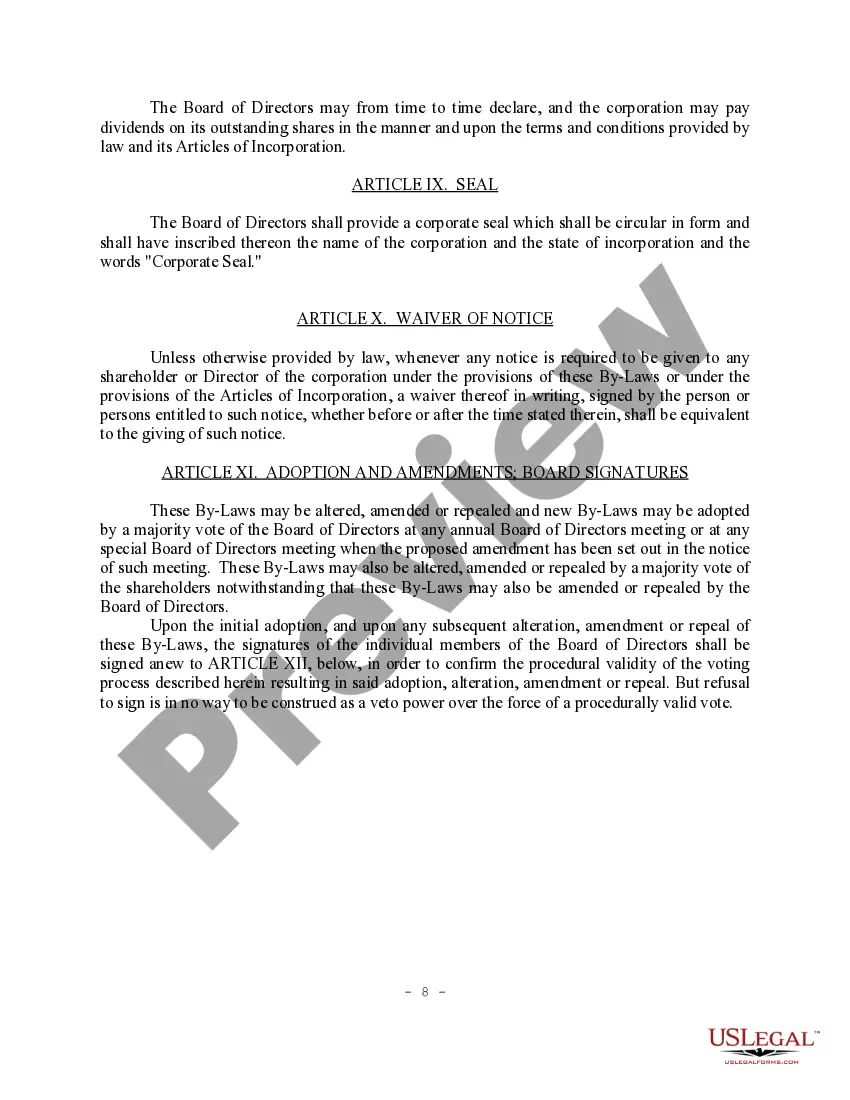
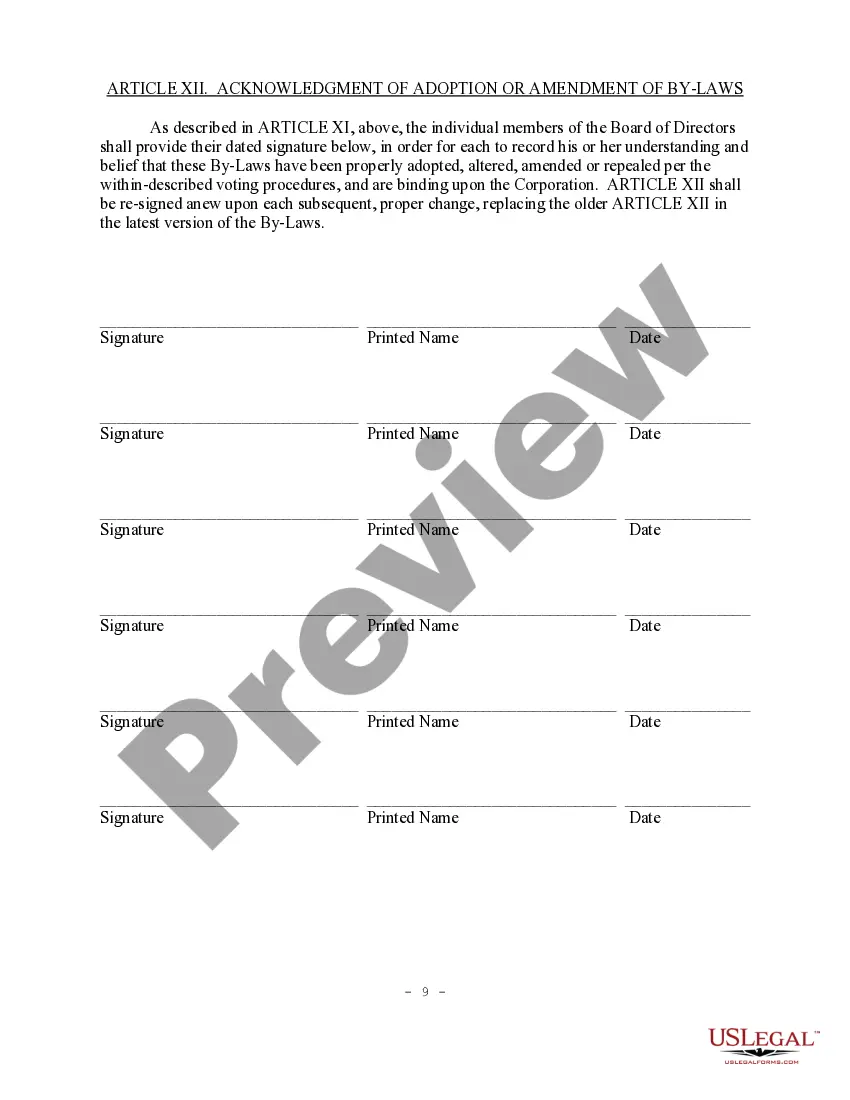
An HOA's governing documents are usually in the form of a Declaration of Covenants, Conditions, and Restrictions (CC&Rs) and bylaws. The CC&Rs explain the rules of the HOA community, while the bylaws cover how the HOA operates.
10 things to include in your HOA bylaws Name and purpose. The very first bylaws are the ones in which the association states its. Membership requirements. Board duties. Officer duties. Board member meetings. Member meetings. Committees. Non-compliance to bylaws.
The Illinois General Not for Profit Corporation Act, which governs the vast majority of associations, requires that the board of directors of a corporation consist of three or more directors with the number of directors established in the bylaws.
The administration and functioning of HOAs in the state are governed by the Illinois Common Interest Community Association Act. In homeowner's associations with detached or attached townhouses, single-family houses, or villas, this provision is applicable.
