Bylaws And Regulations For Students In Chicago
Description

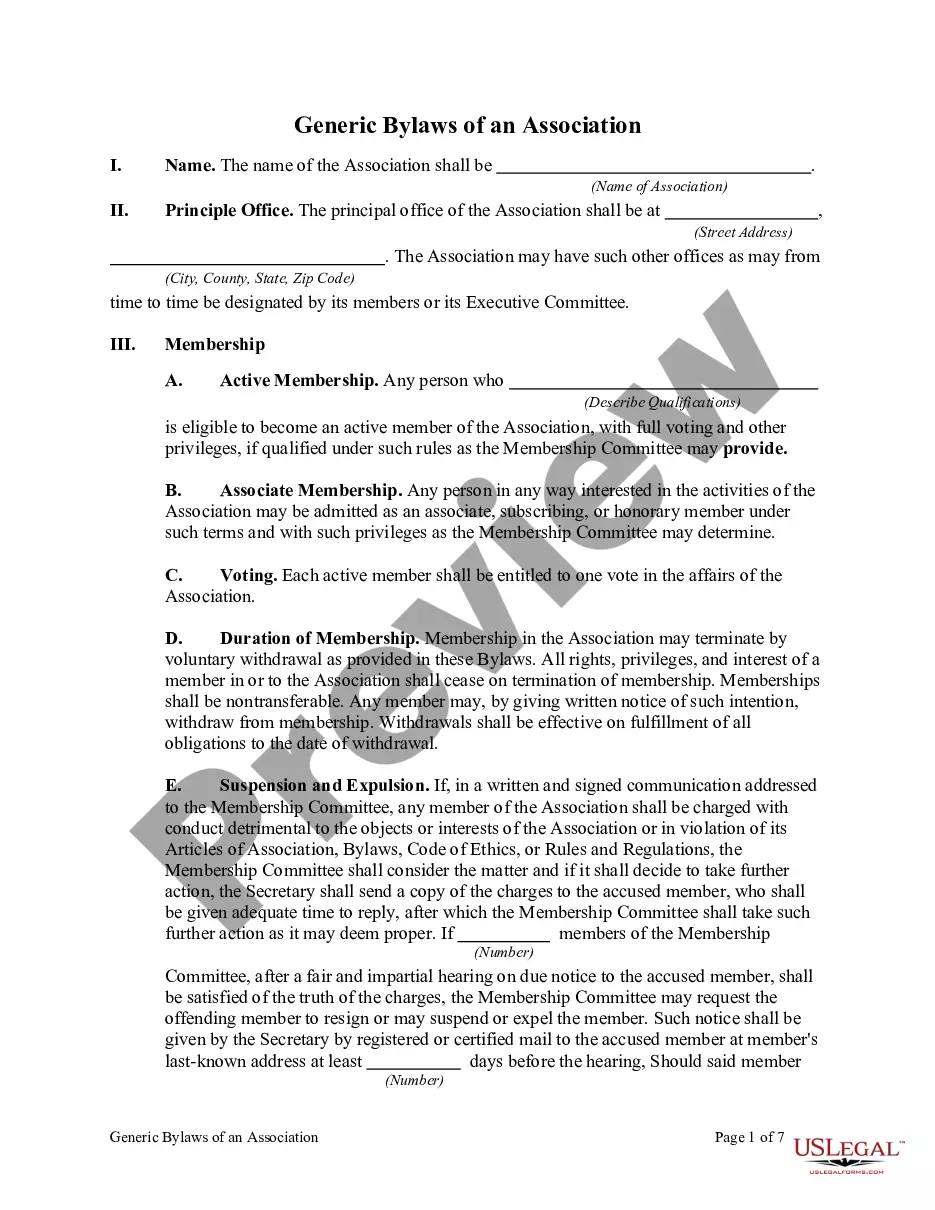
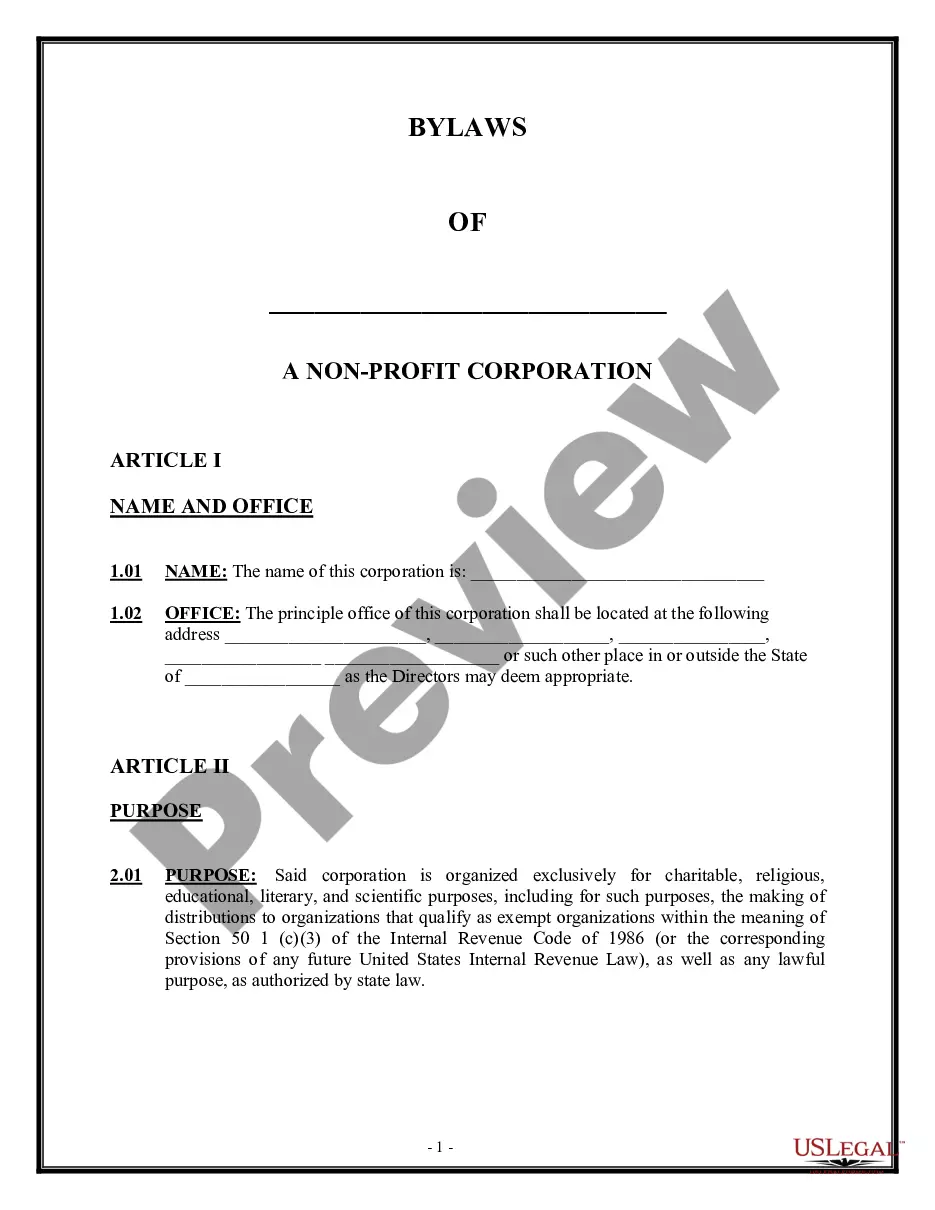
Get your form ready online
Our built-in tools help you complete, sign, share, and store your documents in one place.
Make edits, fill in missing information, and update formatting in US Legal Forms—just like you would in MS Word.
Download a copy, print it, send it by email, or mail it via USPS—whatever works best for your next step.
Sign and collect signatures with our SignNow integration. Send to multiple recipients, set reminders, and more. Go Premium to unlock E-Sign.
If this form requires notarization, complete it online through a secure video call—no need to meet a notary in person or wait for an appointment.
We protect your documents and personal data by following strict security and privacy standards.

Make edits, fill in missing information, and update formatting in US Legal Forms—just like you would in MS Word.

Download a copy, print it, send it by email, or mail it via USPS—whatever works best for your next step.

Sign and collect signatures with our SignNow integration. Send to multiple recipients, set reminders, and more. Go Premium to unlock E-Sign.

If this form requires notarization, complete it online through a secure video call—no need to meet a notary in person or wait for an appointment.

We protect your documents and personal data by following strict security and privacy standards.
Looking for another form?









Form popularity
FAQ
There's plenty of work that goes into writing bylaws, so let's break down what you need to get writing! Research. Form a committee. Create the structure. Outline your organization's key roles and responsibilities. Establish your meeting rules. Define your membership. Address finances. Outline the amendment process.
On July 9, 1980, the Board adopted a “Resolution to Require Residency Within the City of Chicago of all Personnel Employed by the Board of Education On or after September 1, 1980” (See Resolution #80-149-2.)
Residency Rules A nonresident of the City may be hired or promoted to a full-time position provided that such person agrees, as a condition of employment/promotion, to establish actual residency within six(6) months after commencement of employment/promotion.
If you want to work for CPS, they have a residency requirement, meaning you'd have to live in Chicago city limits, not the suburbs.
On July 9, 1980, the Board adopted a “Resolution to Require Residency Within the City of Chicago of all Personnel Employed by the Board of Education On or after September 1, 1980” (See Resolution #80-149-2.)
Section 504 as it applies to Chicago Public Schools students is to (1) eliminate discrimination on the basis of disability in any program or activity provided by school districts and other providers that receive federal financial assistance, and (2) ensure that students who are Section 504-eligible have equal ...
On July 9, 1980, the Board adopted a “Resolution to Require Residency Within the City of Chicago of all Personnel Employed by the Board of Education On or after September 1, 1980” (See Resolution #80-149-2.)
Pupils must reside within the limits of the City of Chicago to attend a Chicago Public School.
Pupils must reside within the limits of the City of Chicago to attend a Chicago Public School.
The tier system Here's how it all works: Chicago Public Schools places every part of the city into one of four socio-economic 'tiers'. They do this by looking at each area's median income, education level, home-ownership rates, single-parent family rates, rates of English-speaking, and neighborhood school performance.
