Agreement Between Partnership For Sale In Virginia
Description

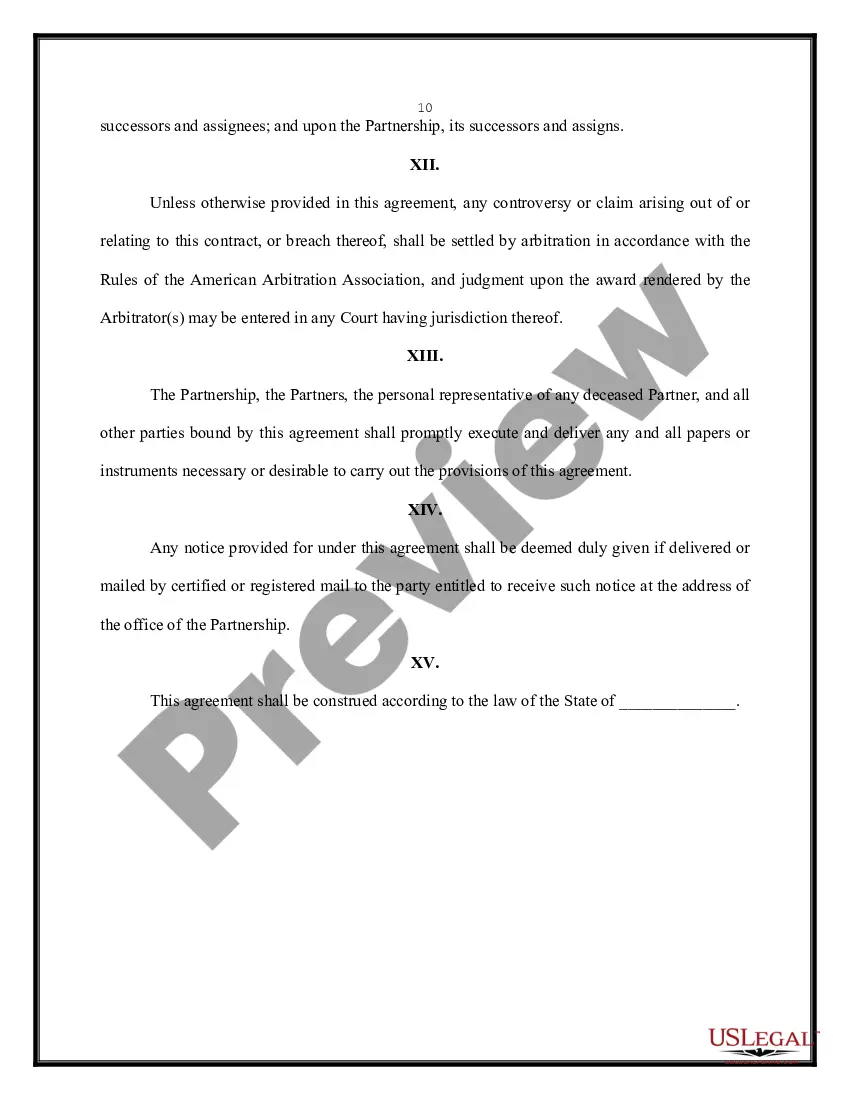


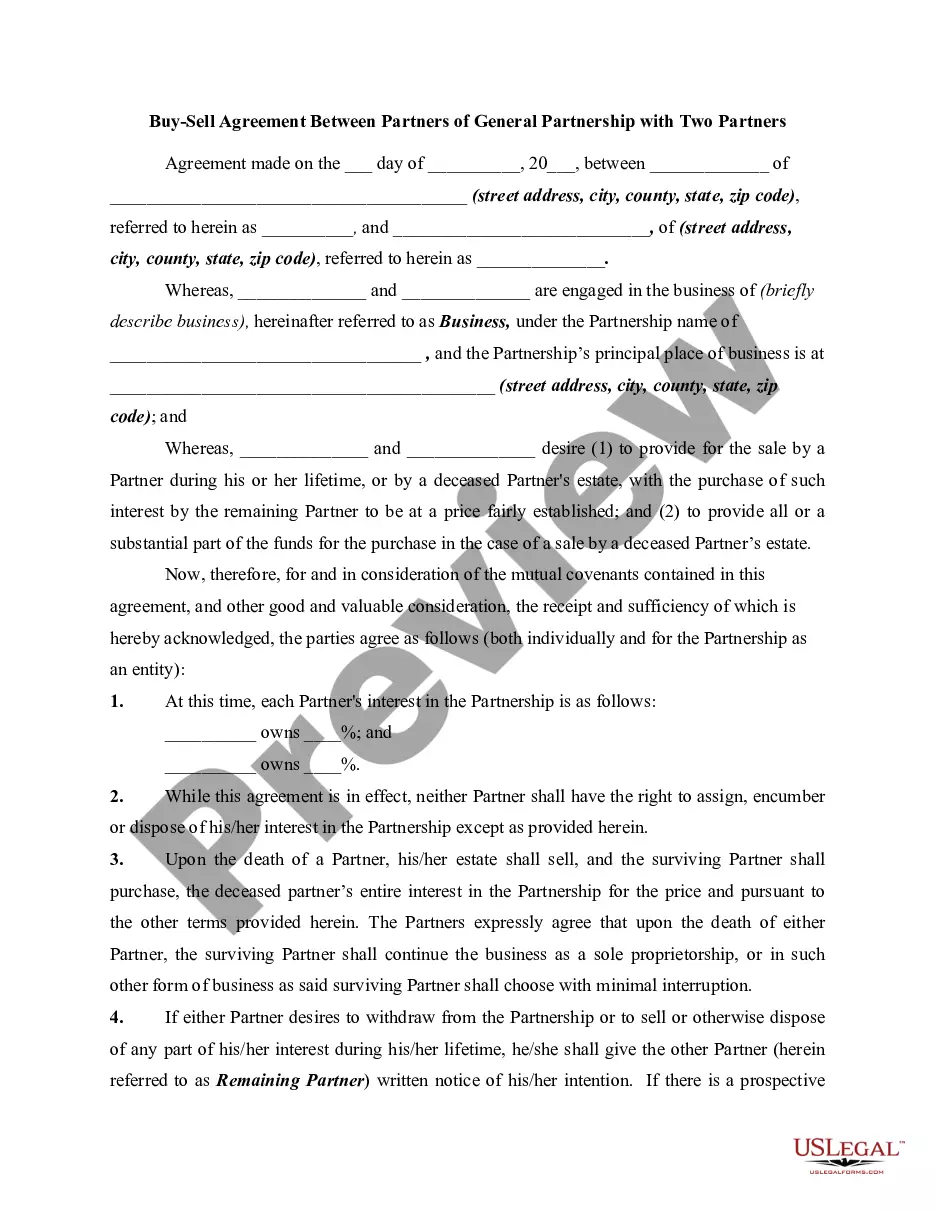
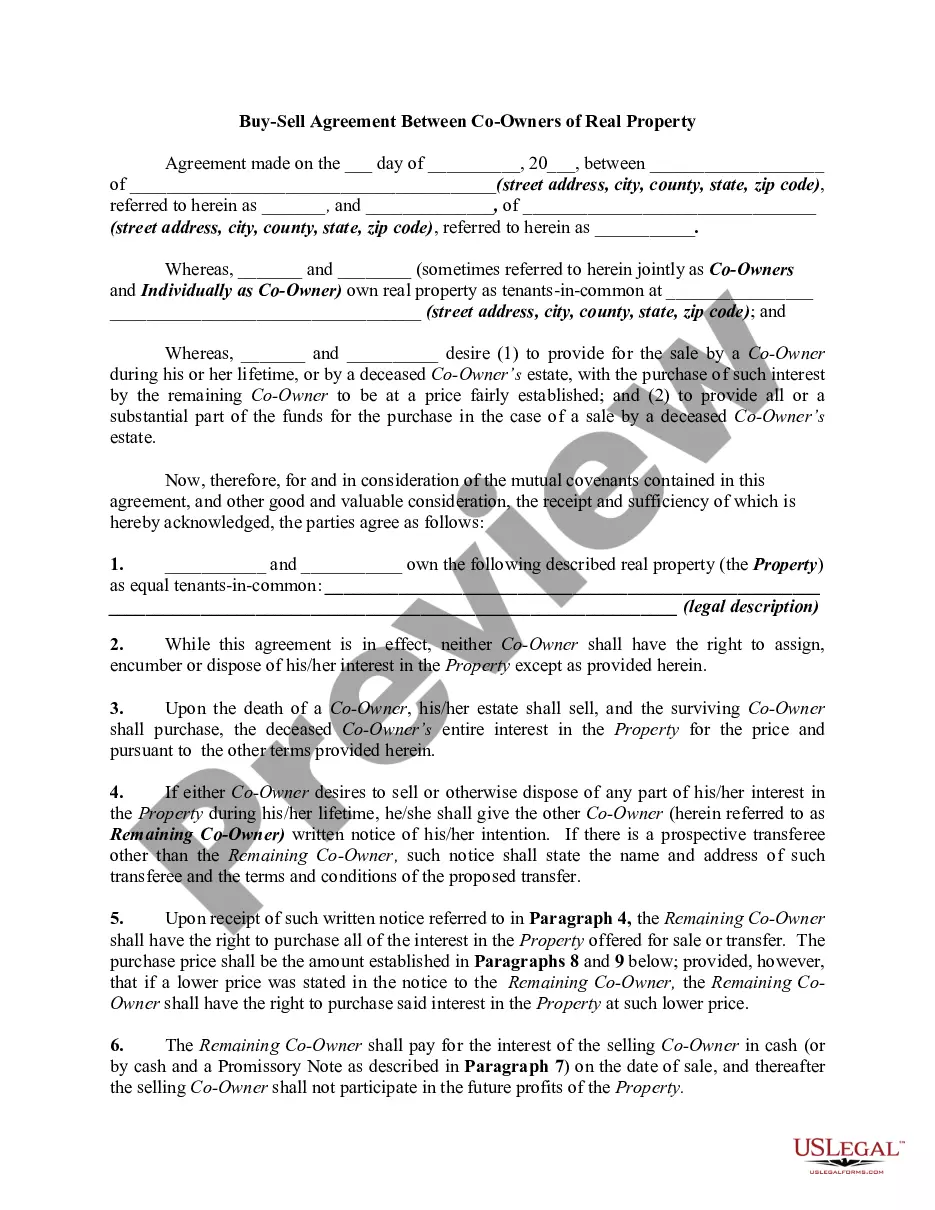
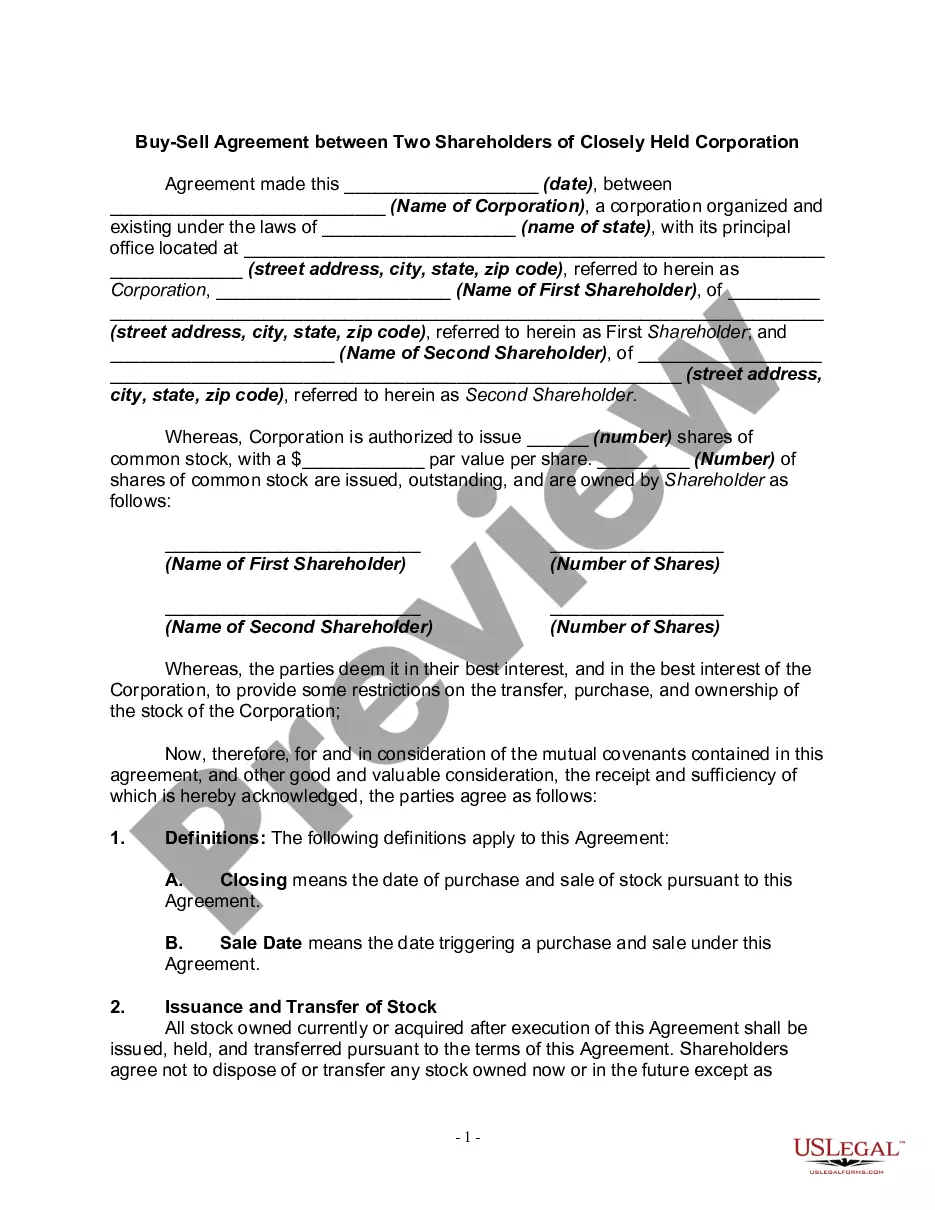
Get your form ready online
Our built-in tools help you complete, sign, share, and store your documents in one place.
Make edits, fill in missing information, and update formatting in US Legal Forms—just like you would in MS Word.
Download a copy, print it, send it by email, or mail it via USPS—whatever works best for your next step.
Sign and collect signatures with our SignNow integration. Send to multiple recipients, set reminders, and more. Go Premium to unlock E-Sign.
If this form requires notarization, complete it online through a secure video call—no need to meet a notary in person or wait for an appointment.
We protect your documents and personal data by following strict security and privacy standards.

Make edits, fill in missing information, and update formatting in US Legal Forms—just like you would in MS Word.

Download a copy, print it, send it by email, or mail it via USPS—whatever works best for your next step.

Sign and collect signatures with our SignNow integration. Send to multiple recipients, set reminders, and more. Go Premium to unlock E-Sign.

If this form requires notarization, complete it online through a secure video call—no need to meet a notary in person or wait for an appointment.

We protect your documents and personal data by following strict security and privacy standards.
Looking for another form?








Form popularity
FAQ
Yes, you can sell half of your shares in a company.
This could involve filing for a court injunction, initiating a buy-sell agreement, or pursuing litigation. Evaluate Your Options: Depending on the severity of the situation, you may need to consider your long-term options, including selling your share, buying out your partner, or dissolving the partnership altogether.
Usually one partner can leave for voting purposes by their own right, but it takes a vote of the remaining partners to remove them economically, and usually requires a buy out of the partner's interest. This may be difficult given the facts above.
Yes, you can sell a percentage of your business. This is often done to raise funds, bring in strategic partners, or reduce ownership in non-core areas of the business.
Yes, you can sell a percentage of your business. This is often done to raise funds, bring in strategic partners, or reduce ownership in non-core areas of the business.
How to Write a Partnership Agreement Define Partnership Structure. Outline Capital Contributions and Ownership. Detail Profit, Loss, and Distribution Arrangements. Set Decision-Making and Management Protocols. Plan for Changes and Contingencies. Include Legal Provisions and Finalize the Agreement.
How to Write a Partnership Agreement Define Partnership Structure. Outline Capital Contributions and Ownership. Detail Profit, Loss, and Distribution Arrangements. Set Decision-Making and Management Protocols. Plan for Changes and Contingencies. Include Legal Provisions and Finalize the Agreement.
Essentially, partners share in the profits and the debts of the daily workings of the business. Because of that, when one partner wants to sell, they cannot sell the entire business. They can only sell their assets – i.e., their share of the partnership.
The business profits (or losses) are usually divided among the partners based on the partnership agreement. Like a sole proprietorship, a partnership is easy to form. In fact, a simple verbal agreement is enough to form a partnership.
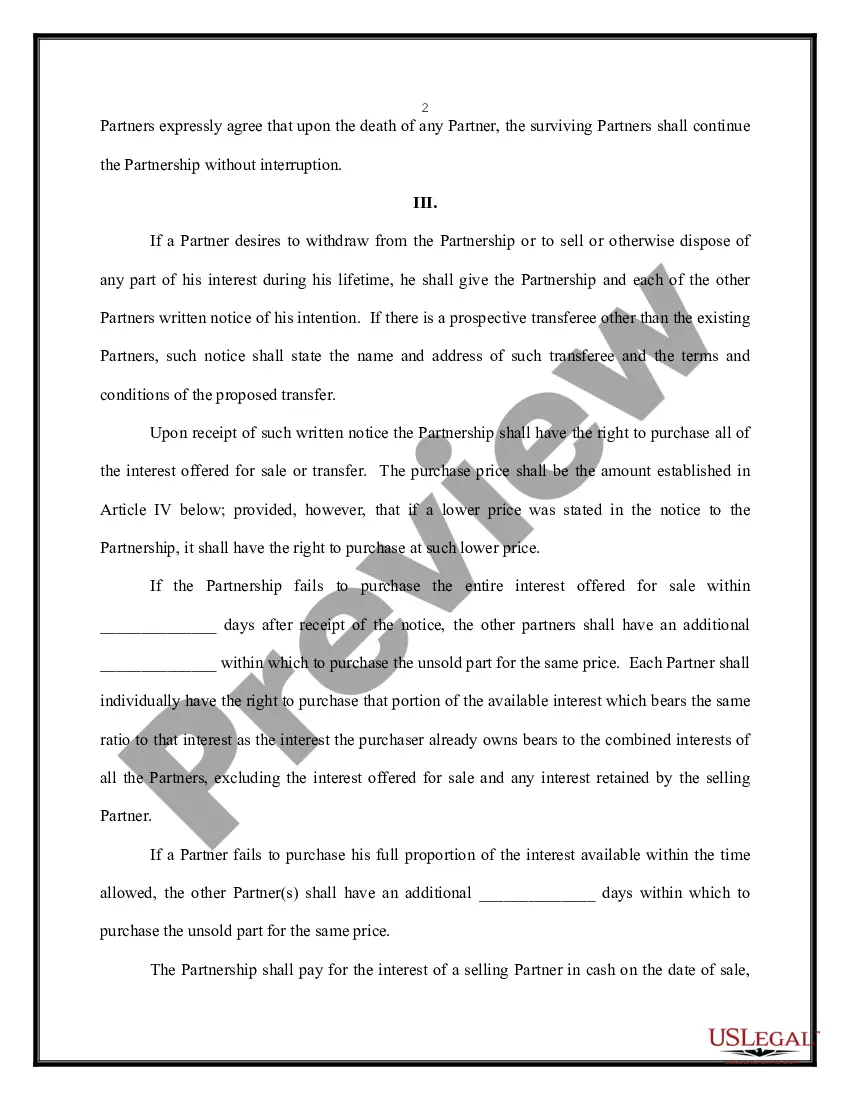
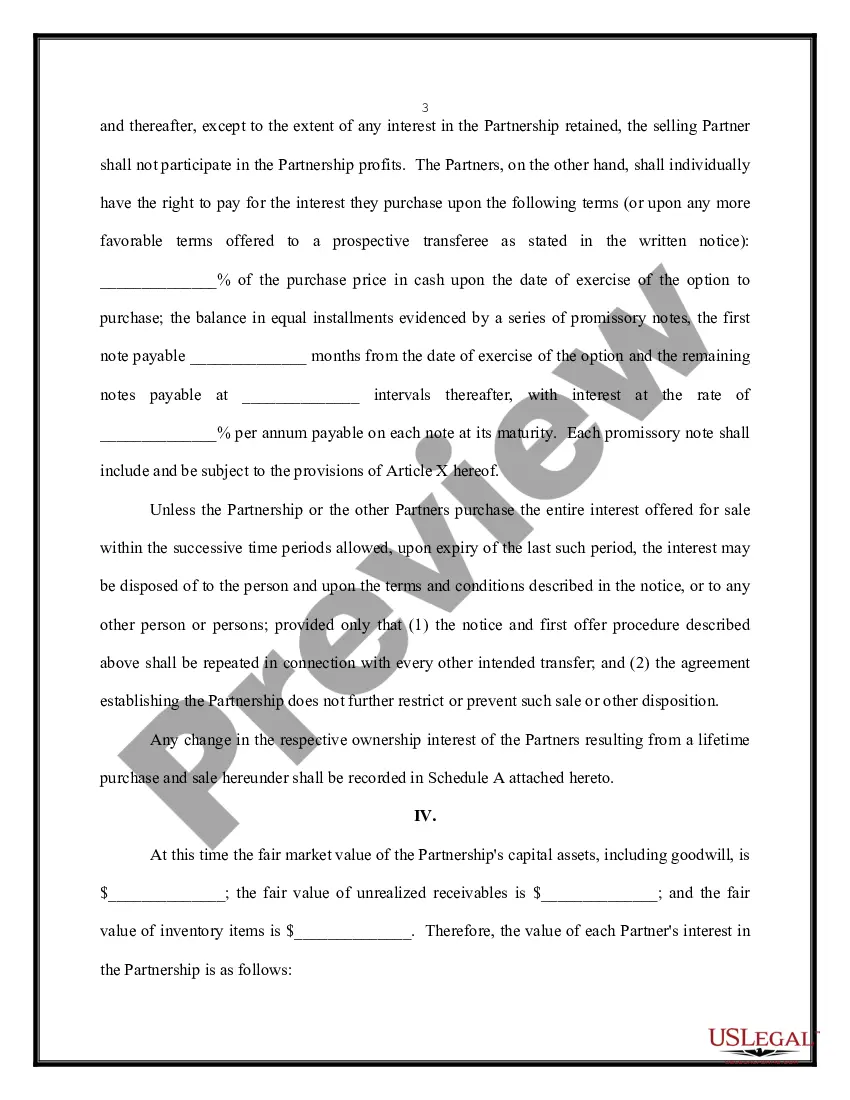
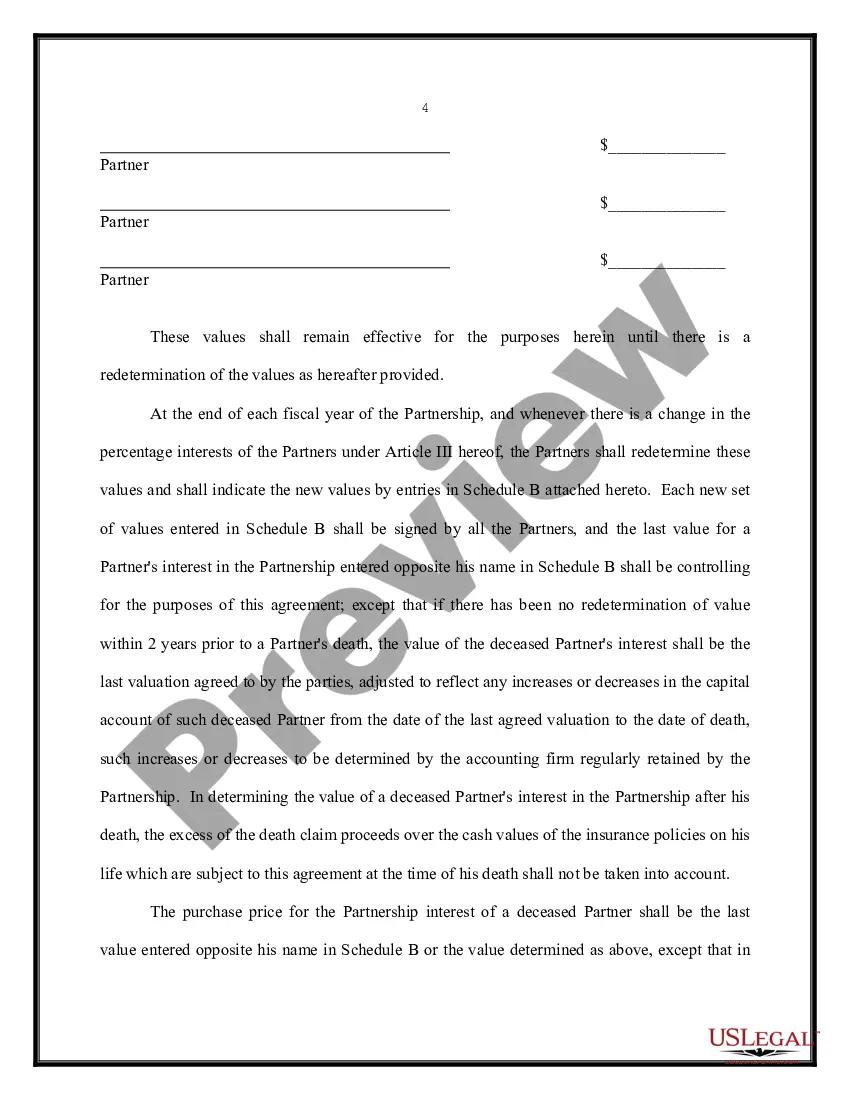
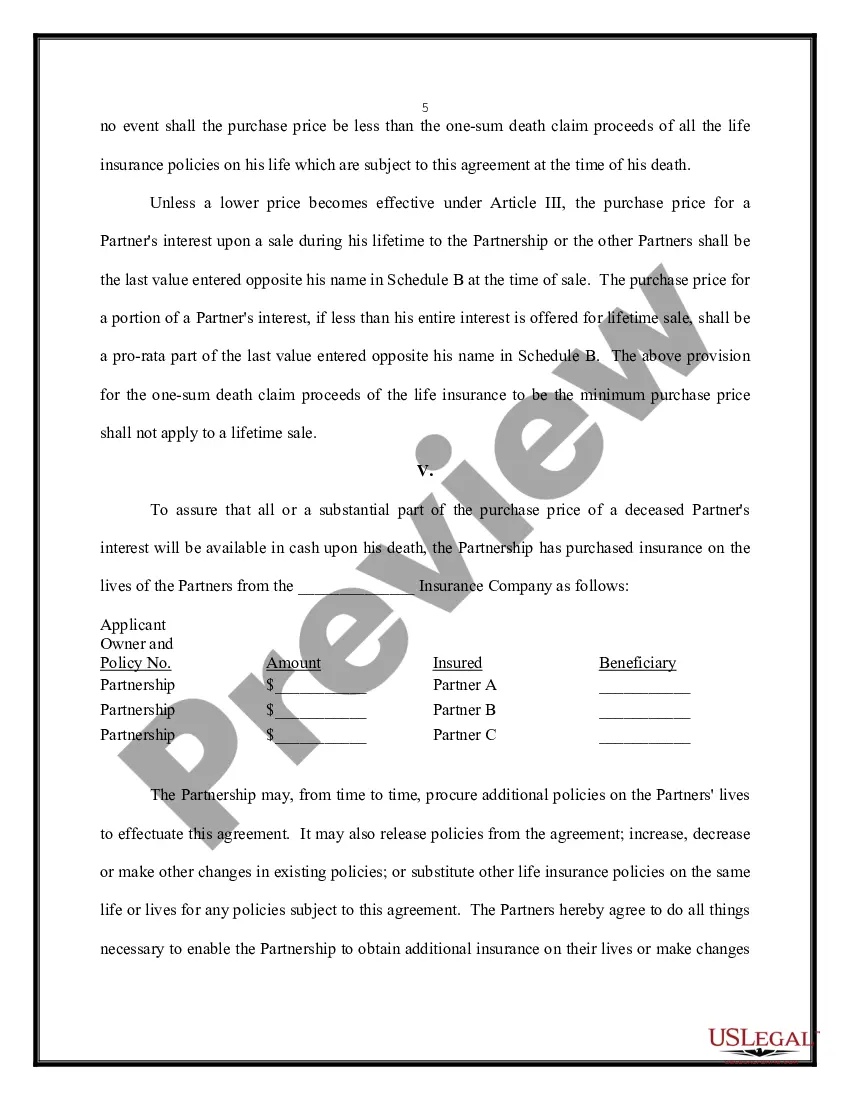
The Partnership Buyout Agreement Your path to an ownership sale will be simpler if you created a clear and thorough partnership buyout agreement when you started your company. The agreement should discuss what might lead to one of the partners wanting to sell her share and state the terms and timing that would apply.
