Agreement Between Partnership For Written Form In San Bernardino
Description

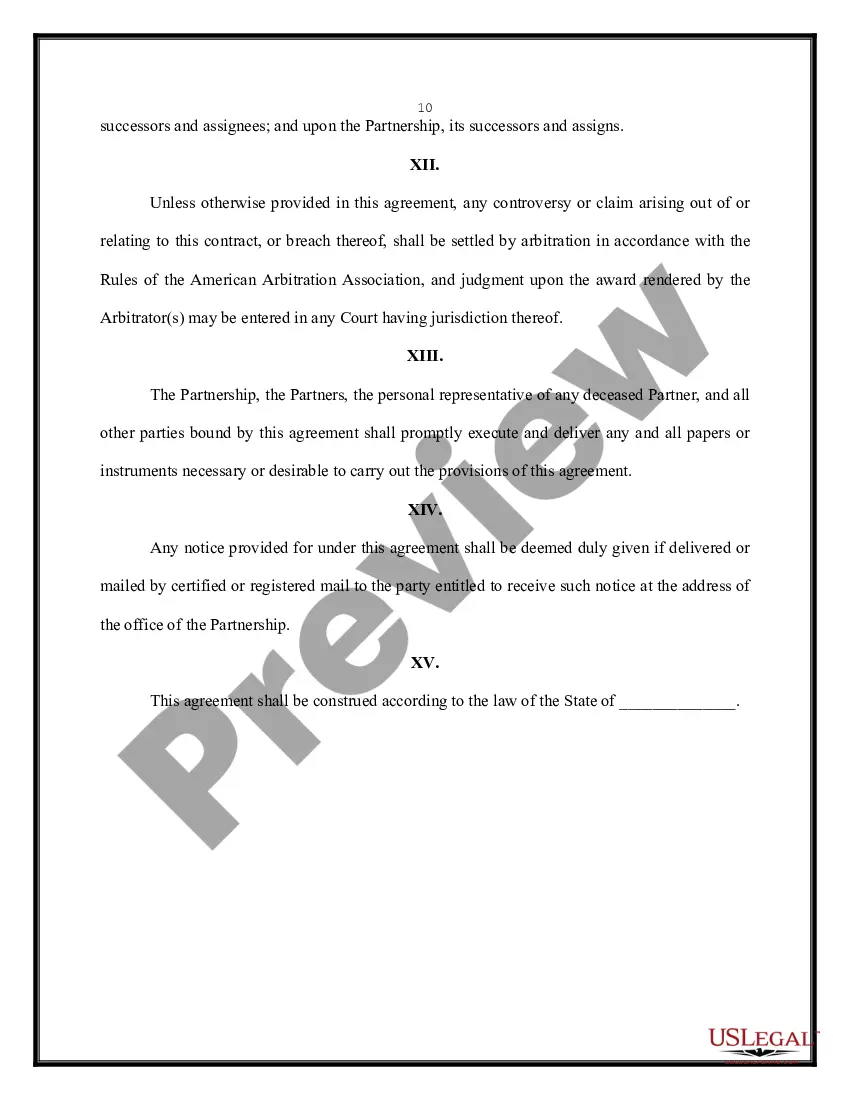


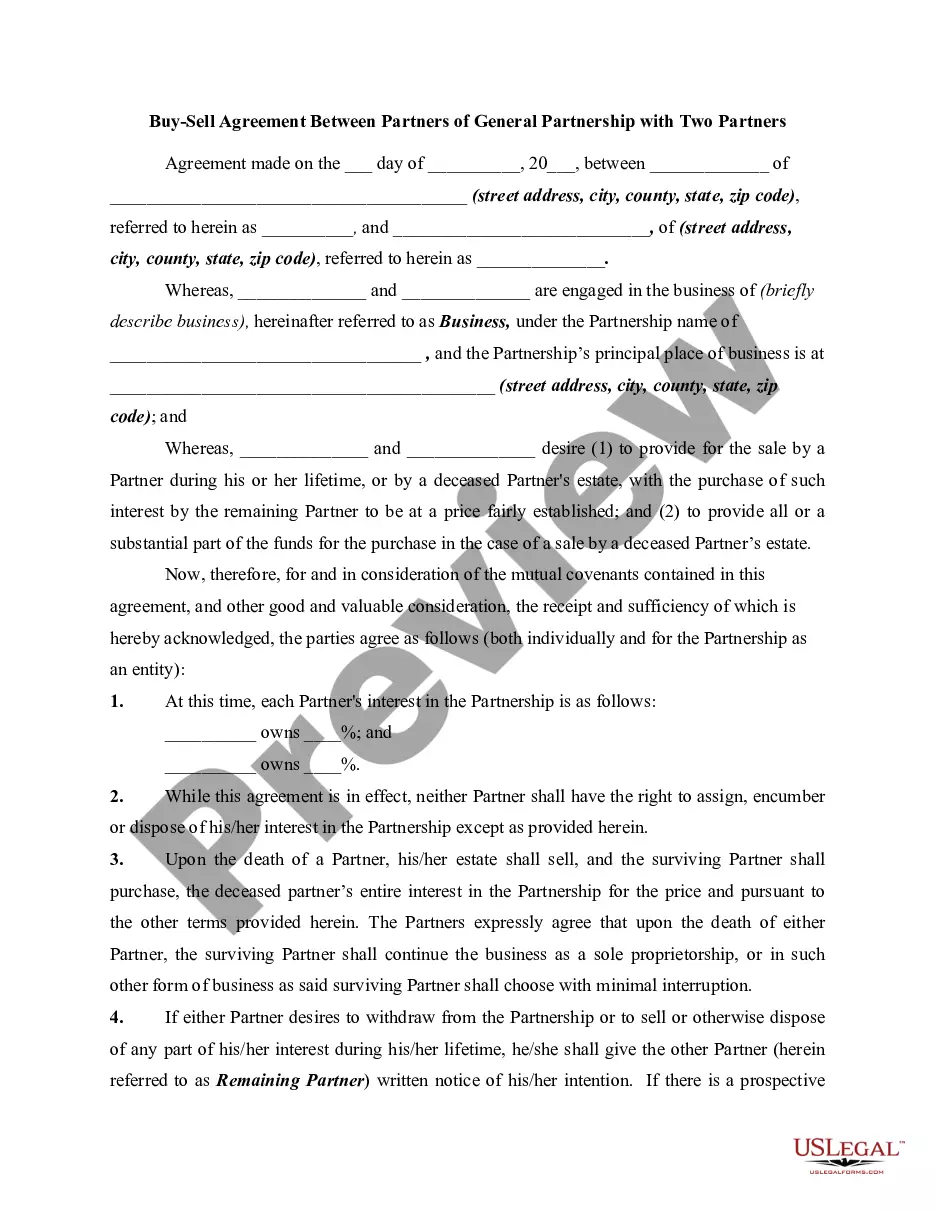
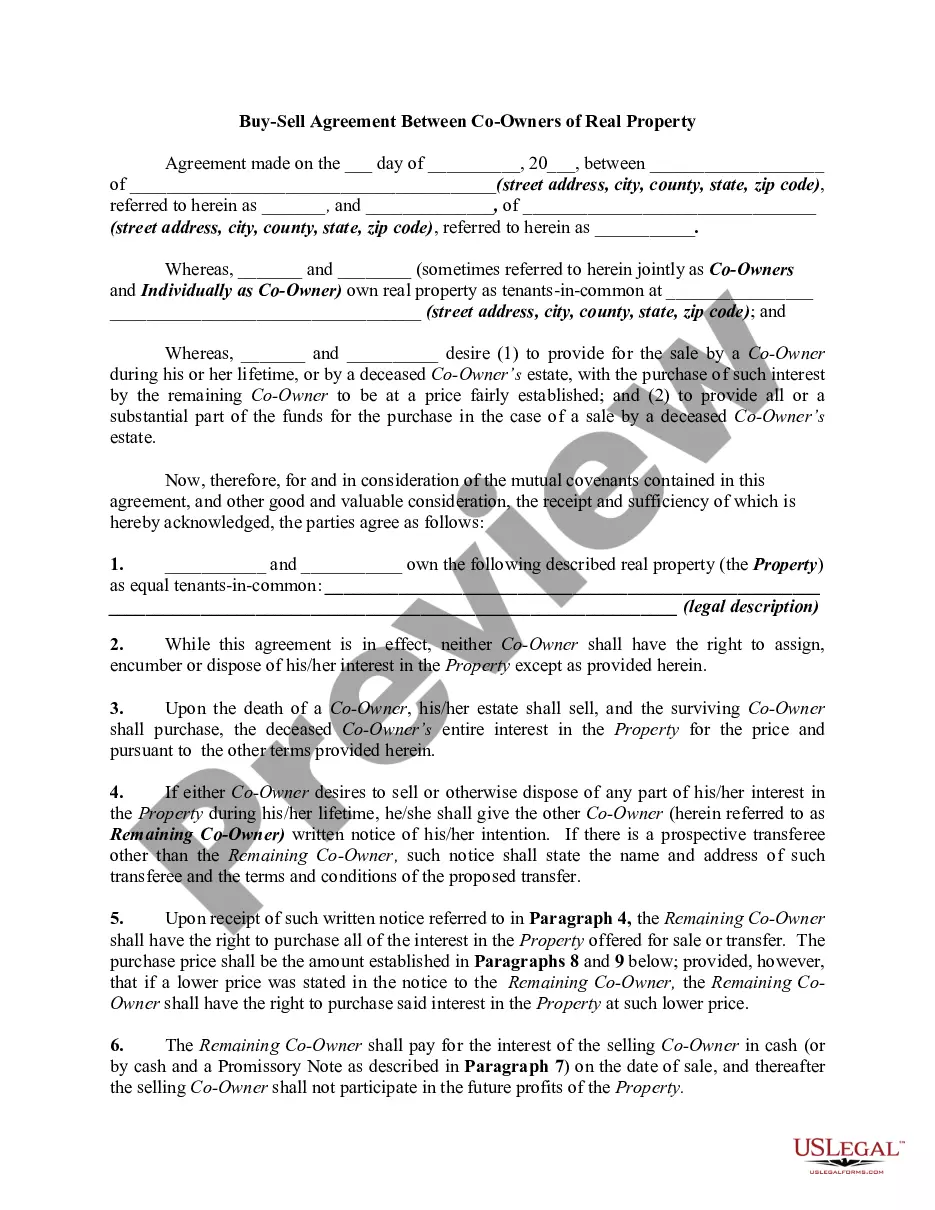
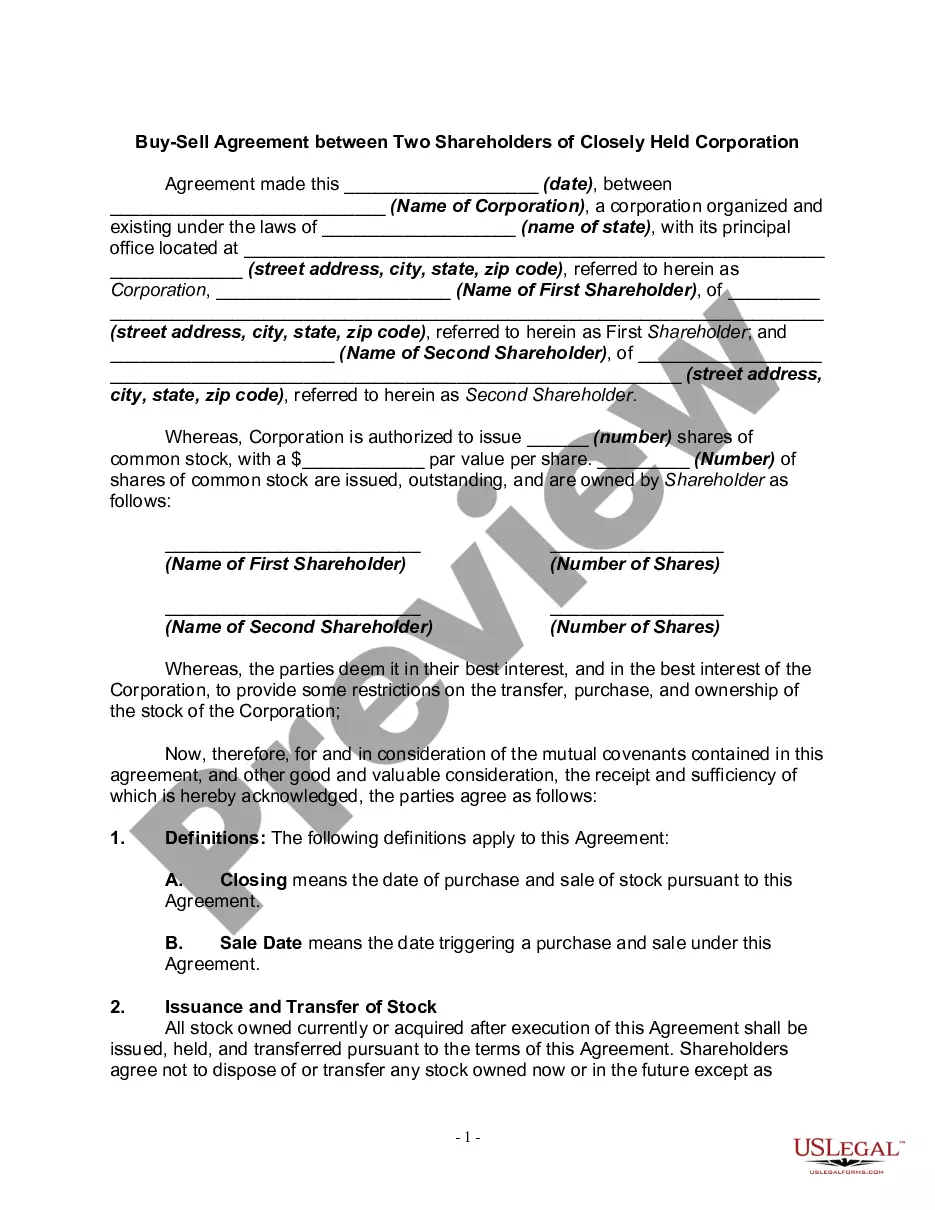
Get your form ready online
Our built-in tools help you complete, sign, share, and store your documents in one place.
Make edits, fill in missing information, and update formatting in US Legal Forms—just like you would in MS Word.
Download a copy, print it, send it by email, or mail it via USPS—whatever works best for your next step.
Sign and collect signatures with our SignNow integration. Send to multiple recipients, set reminders, and more. Go Premium to unlock E-Sign.
If this form requires notarization, complete it online through a secure video call—no need to meet a notary in person or wait for an appointment.
We protect your documents and personal data by following strict security and privacy standards.

Make edits, fill in missing information, and update formatting in US Legal Forms—just like you would in MS Word.

Download a copy, print it, send it by email, or mail it via USPS—whatever works best for your next step.

Sign and collect signatures with our SignNow integration. Send to multiple recipients, set reminders, and more. Go Premium to unlock E-Sign.

If this form requires notarization, complete it online through a secure video call—no need to meet a notary in person or wait for an appointment.

We protect your documents and personal data by following strict security and privacy standards.
Looking for another form?




Form popularity
FAQ
It is essential for you and your business partner to document your arrangement from the beginning — to cover the positive (like distribution of profits), the not so positive (dispute resolution) and the everyday running of the business.
In most cases the formation of a partnership will be an intentional act on the part of the partners (see Part 1 for guidance on establishing whether a partnership exists where there is doubt), but that does not mean that there will be a written partnership agreement – in partnerships encountered by the official ...
What does a Partnership Agreement do? It is not required by law to create a formal Partnership Agreement. However, if business owners enter into a partnership without one, their arrangement will be governed by the Partnership Act 1890 (the “1890 Act”).
A partnership agreement is a legally binding document that outlines the key terms and conditions that govern a business partnership between two or more parties.
It may not be mandatory to create and sign a partnership agreement, but it is a good idea that you do so. A partnership agreement can ensure there are no disagreements between partners. A well-written agreement can help you and your partners know how to handle certain issues.
Written partnership agreements are not required by law, but whenever you and at least one other person decide to go into business together, you should draft one as soon as possible.
There are three relatively common partnership types: general partnership (GP), limited partnership (LP) and limited liability partnership (LLP).
A partnership deed is a written agreement which specifies the terms and conditions that govern the partnership.
, pact, treaty. a written agreement between two states or sovereigns.
