Agreement Between Partnership With Llc In Ohio
Description

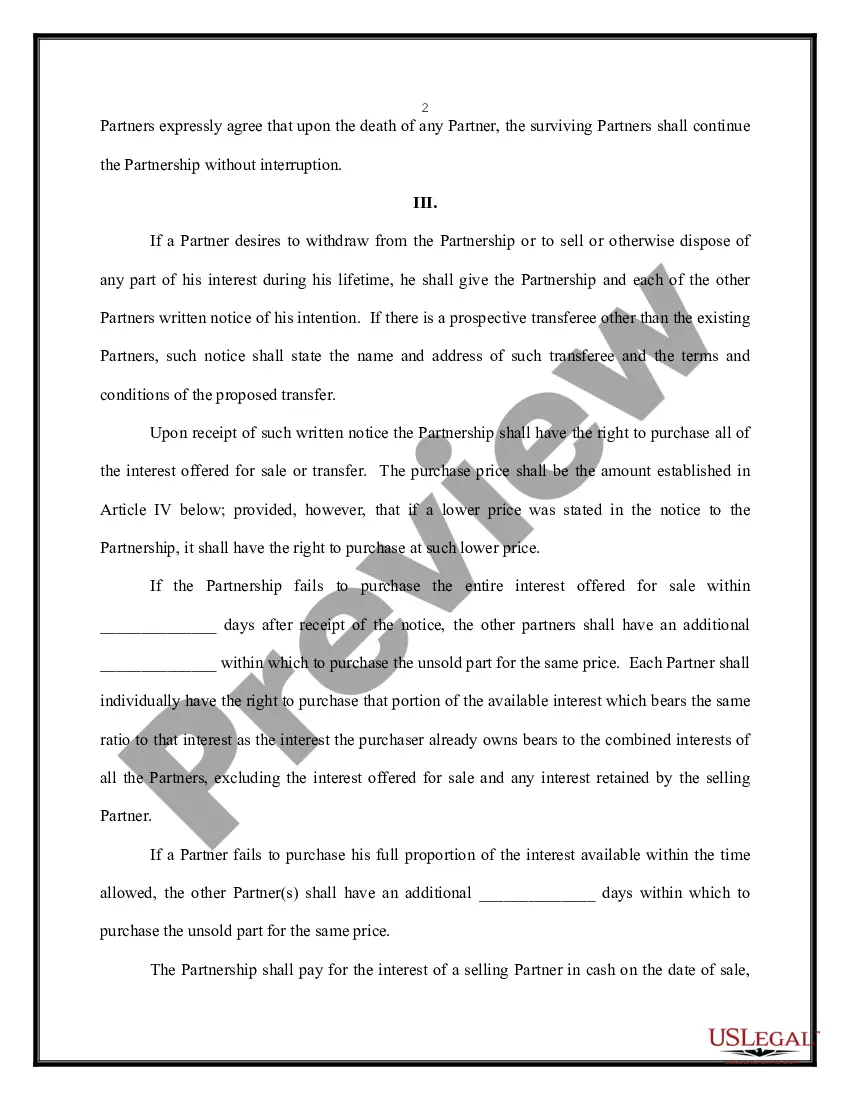
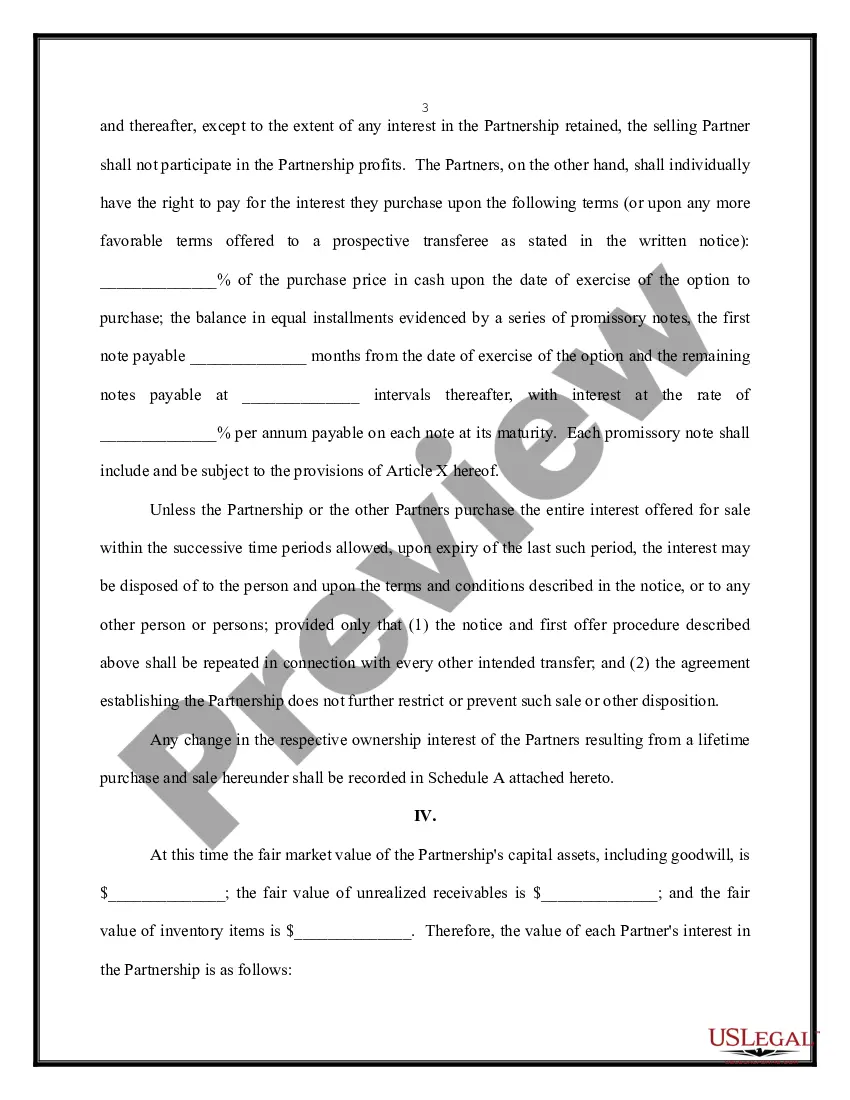

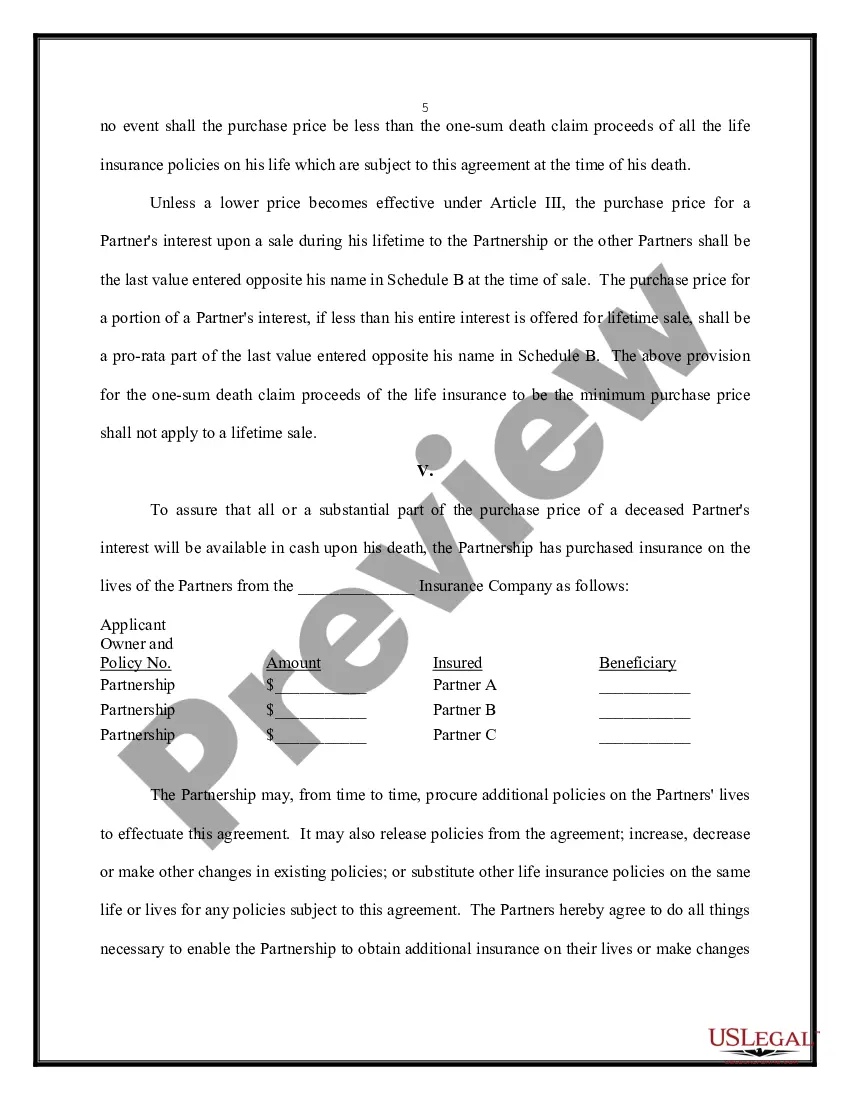
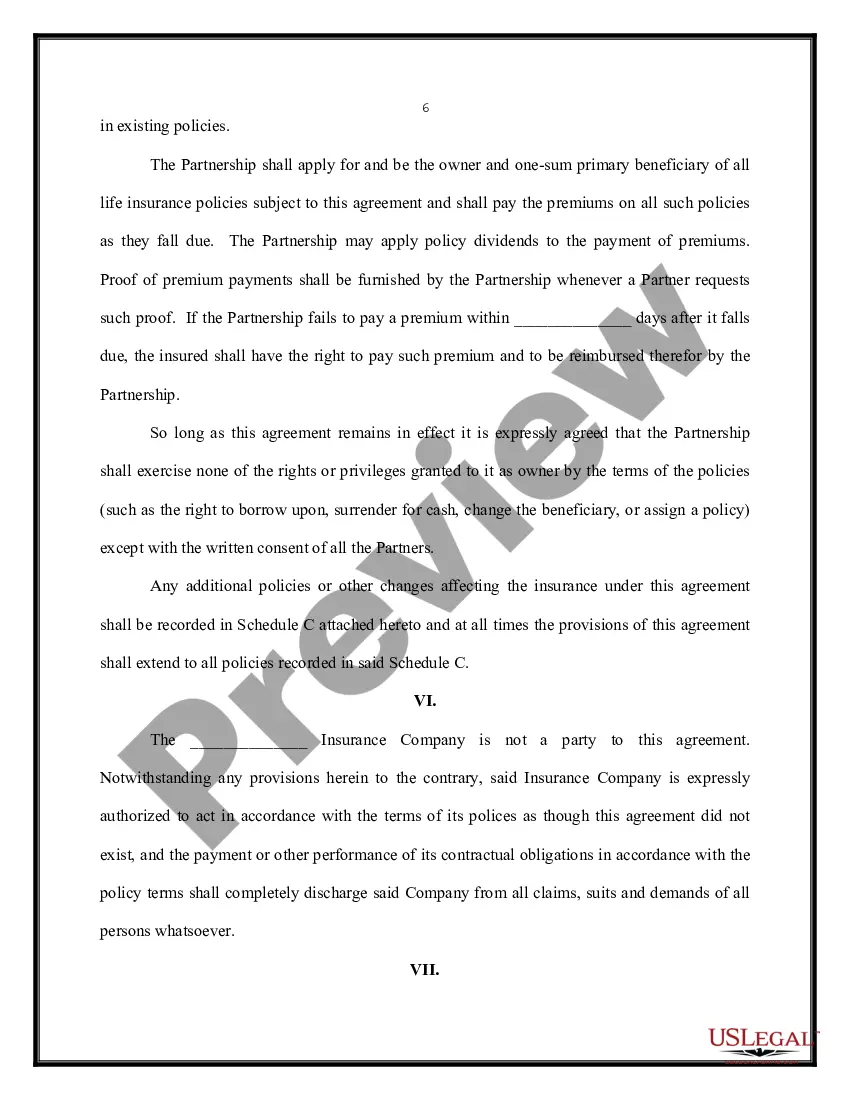


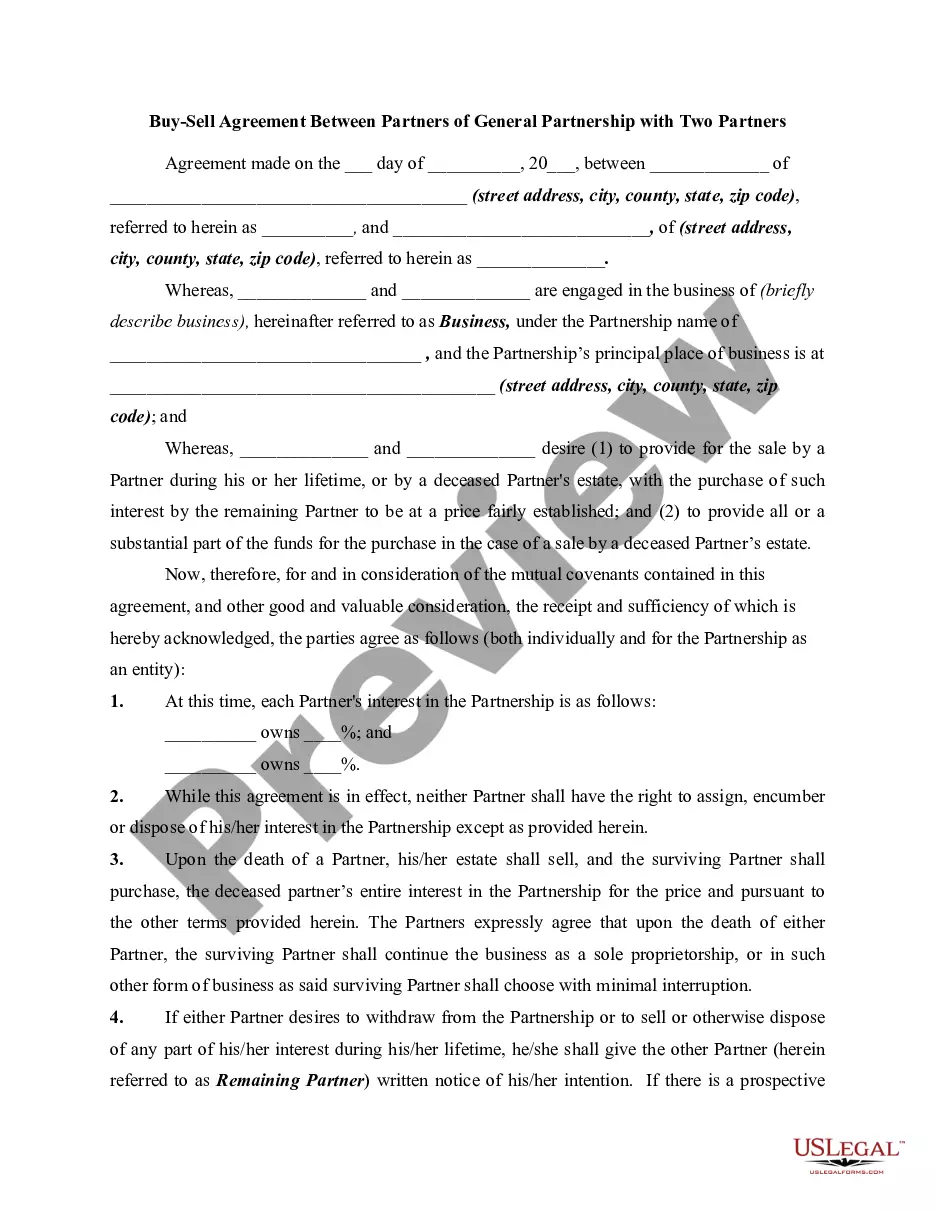
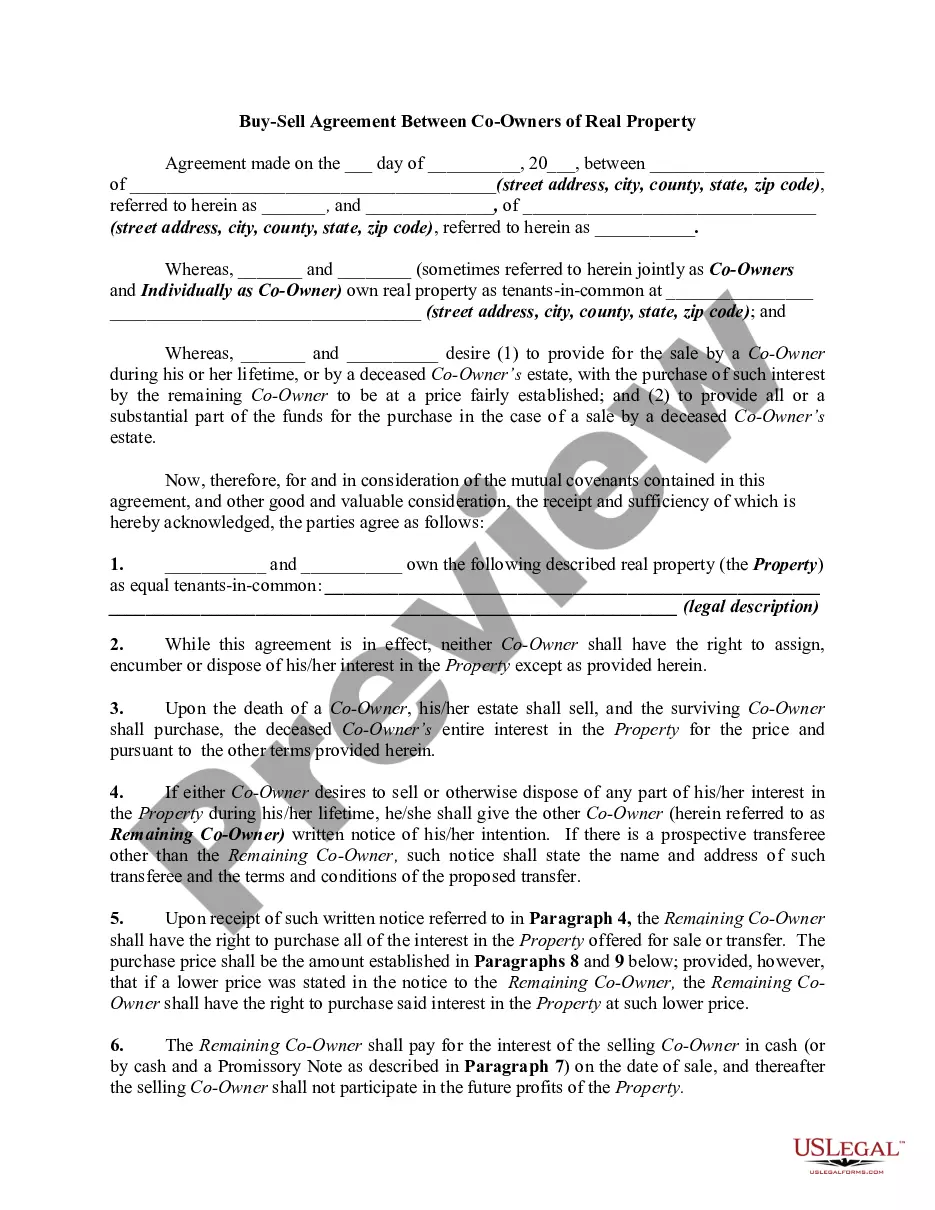
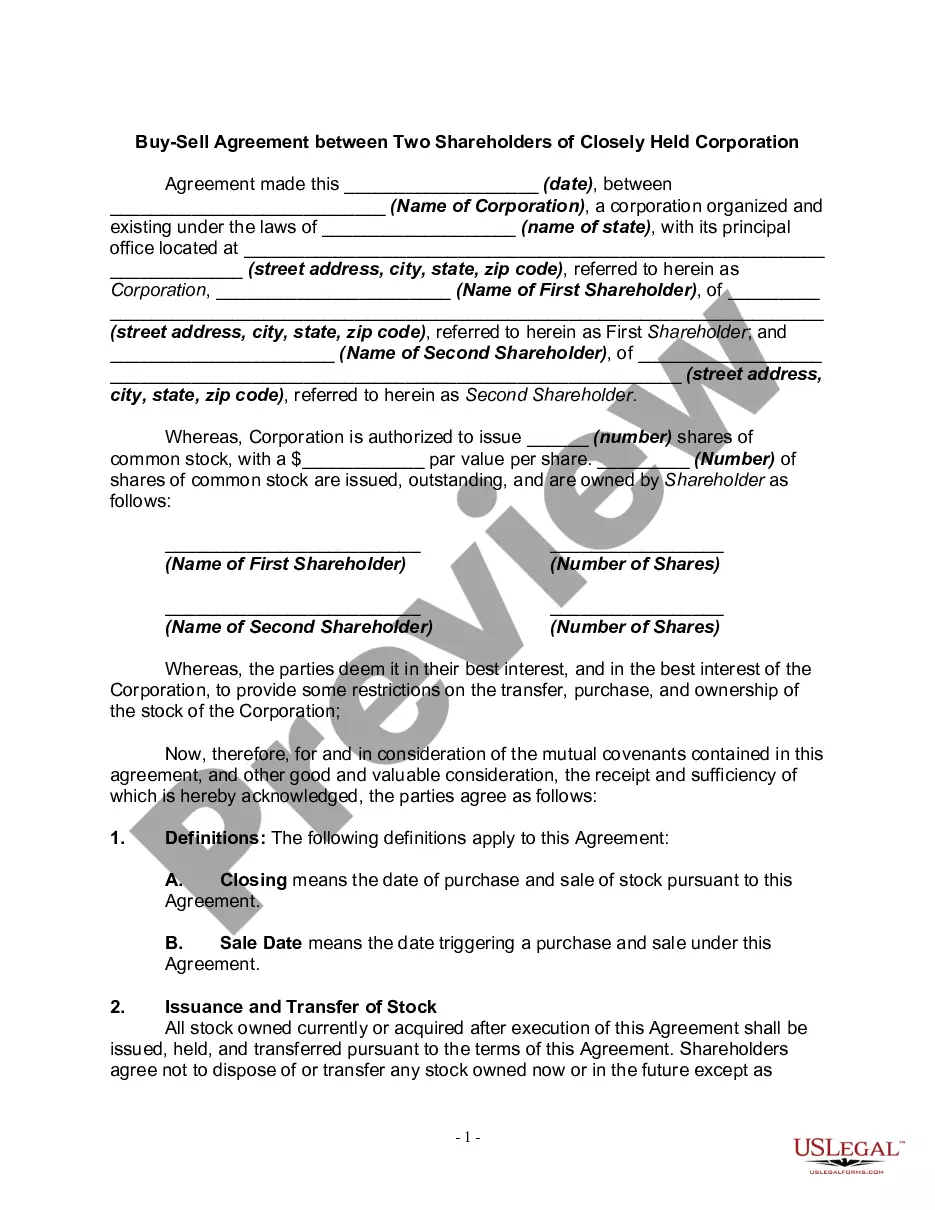
Get your form ready online
Our built-in tools help you complete, sign, share, and store your documents in one place.
Make edits, fill in missing information, and update formatting in US Legal Forms—just like you would in MS Word.
Download a copy, print it, send it by email, or mail it via USPS—whatever works best for your next step.
Sign and collect signatures with our SignNow integration. Send to multiple recipients, set reminders, and more. Go Premium to unlock E-Sign.
If this form requires notarization, complete it online through a secure video call—no need to meet a notary in person or wait for an appointment.
We protect your documents and personal data by following strict security and privacy standards.

Make edits, fill in missing information, and update formatting in US Legal Forms—just like you would in MS Word.

Download a copy, print it, send it by email, or mail it via USPS—whatever works best for your next step.

Sign and collect signatures with our SignNow integration. Send to multiple recipients, set reminders, and more. Go Premium to unlock E-Sign.

If this form requires notarization, complete it online through a secure video call—no need to meet a notary in person or wait for an appointment.

We protect your documents and personal data by following strict security and privacy standards.
Looking for another form?

Form popularity
FAQ
Register with the Ohio Secretary of State. Obtain a federal Employer Identification Number (EIN). Open a bank account. Register with the Ohio Department of Taxation at Tax.Ohio.
Partnerships must have at least two owners. An LLC or C-Corp can have any number of owners, including single owners. An S-Corp or LLC taxed as an S-Corp can have no more than 100 owners and those owners cannot be partnerships, corporations, non-resident aliens or certain types of trusts.
Many LLC owners ask, "How do I make a simple LLC operating agreement?" While an operating agreement is a legal document, you don't necessarily need a lawyer to help you, but acquiring legal expertise is always a good idea. It is possible to create your own operating agreement.
Governance structure: Prior to the new law, Ohio LLCs had to be organized as either member-managed or manager-managed companies. The new law eliminates this distinction and permits LLCs to organize their governance structure as they see fit.
Is an operating agreement required in Ohio? No, LLCs in Ohio aren't required to have an operating agreement. However, operating agreements are necessary for several important business processes, like opening a bank account and maintaining your limited liability status.
From an LLC to a general partnership, let's break down what you need to do now to prepare to add a partner to your business. Create a written partnership agreement. File for an EIN. Amend an LLC operating agreement. Ask yourself: is this the right partner for my business?
While it may seem weird to consider writing an agreement for yourself with yourself, even single-member LLCs need an operating agreement for certain tasks, like opening a bank account and maintaining limited liability.
Five Steps to Add a Member to Your LLC Step 1: Review your operating agreement (or create one) Step 2: Decide on the terms of the LLC agreement. Step 3: Vote to add an amendment to your operating agreement. Step 4: File for an amendment to the articles of organization (if necessary)
Partnerships must have at least two owners. An LLC or C-Corp can have any number of owners, including single owners. An S-Corp or LLC taxed as an S-Corp can have no more than 100 owners and those owners cannot be partnerships, corporations, non-resident aliens or certain types of trusts.
Your LLC needs a partnership agreement if you want personal liability protection while retaining the flexibility to operate as a partnership. Forming an LLC requires filing documents with your Secretary of State's Office and providing them with information about your company.
