Agreement Between Partnership With Buyout Clause In Mecklenburg
Description



Get your form ready online
Our built-in tools help you complete, sign, share, and store your documents in one place.
Make edits, fill in missing information, and update formatting in US Legal Forms—just like you would in MS Word.
Download a copy, print it, send it by email, or mail it via USPS—whatever works best for your next step.
Sign and collect signatures with our SignNow integration. Send to multiple recipients, set reminders, and more. Go Premium to unlock E-Sign.
If this form requires notarization, complete it online through a secure video call—no need to meet a notary in person or wait for an appointment.
We protect your documents and personal data by following strict security and privacy standards.

Make edits, fill in missing information, and update formatting in US Legal Forms—just like you would in MS Word.

Download a copy, print it, send it by email, or mail it via USPS—whatever works best for your next step.

Sign and collect signatures with our SignNow integration. Send to multiple recipients, set reminders, and more. Go Premium to unlock E-Sign.

If this form requires notarization, complete it online through a secure video call—no need to meet a notary in person or wait for an appointment.

We protect your documents and personal data by following strict security and privacy standards.
Looking for another form?




Form popularity
FAQ
Identifying the different interests of each party Determine the interests of each party, including their goals and objectives. Make a list of the interests of each party. Note any specific requests or concerns of each party. Consider the interests of each party in relation to the terms of the buyout agreement.
For example, three doctors could form a joint practice, and the doctors can agree to a buyout agreement where all remaining doctors can buy a doctor's ownership for $1,000,000 upon retirement.
The buyout agreement should include the terms of departure, the payment structure, and the succession plan. It should also contain non-compete and non-disclosure clauses, as well as potential risks and penalties.
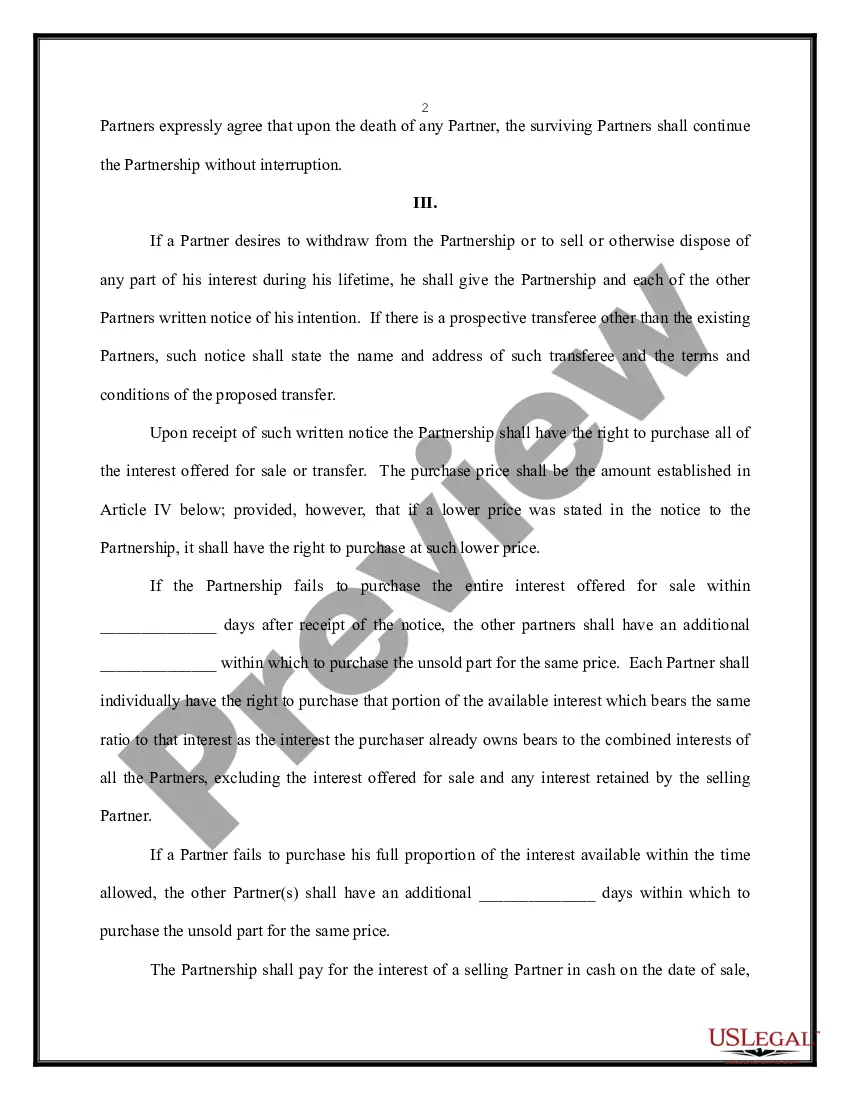
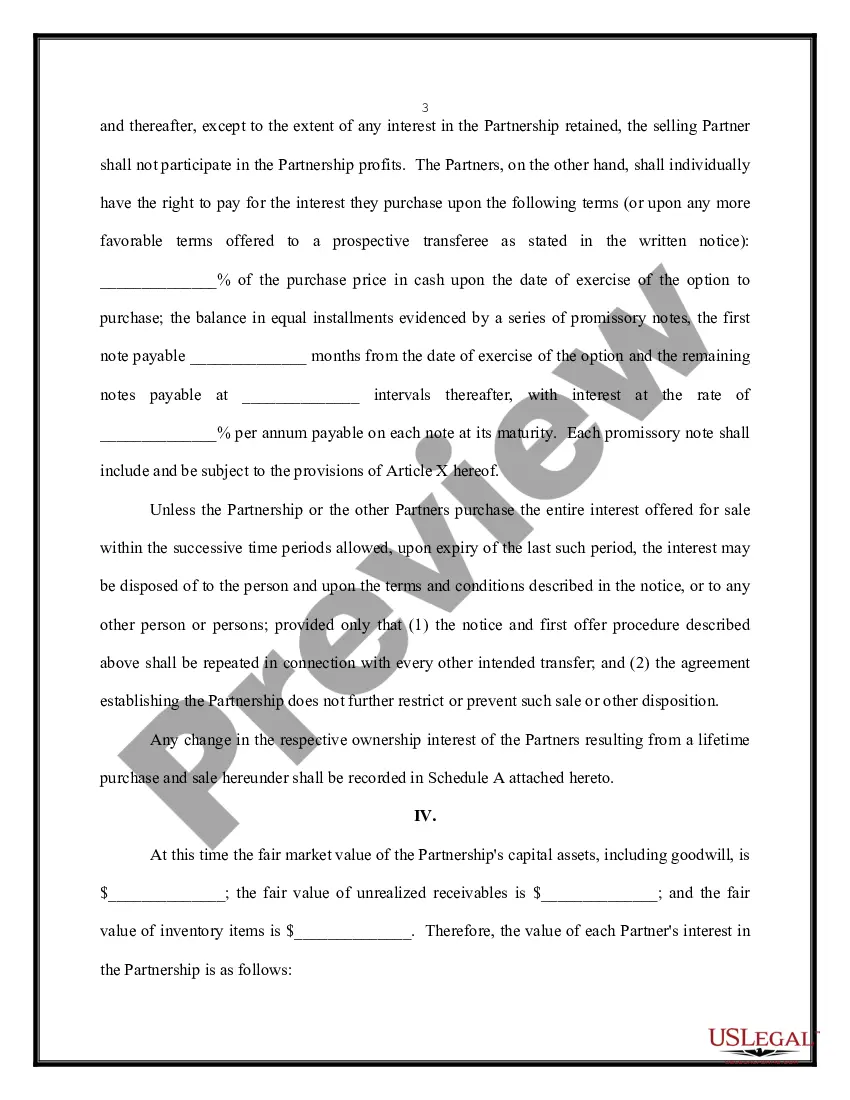
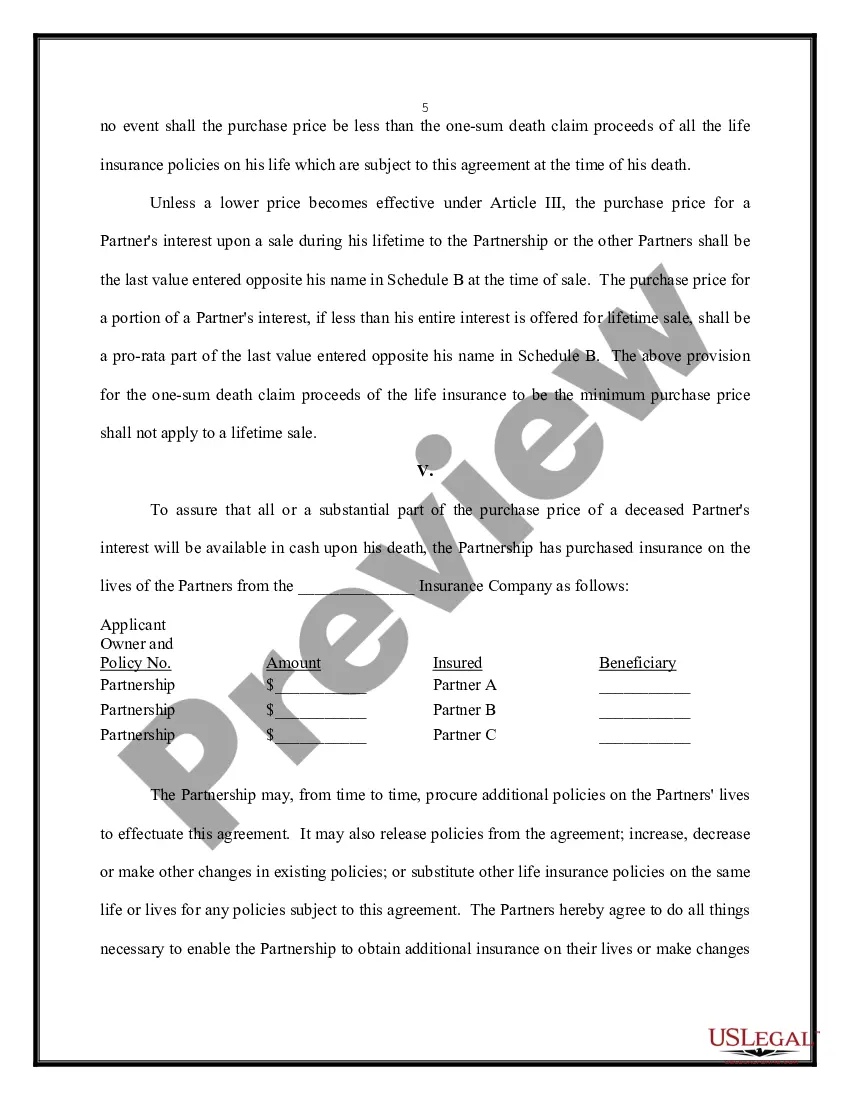
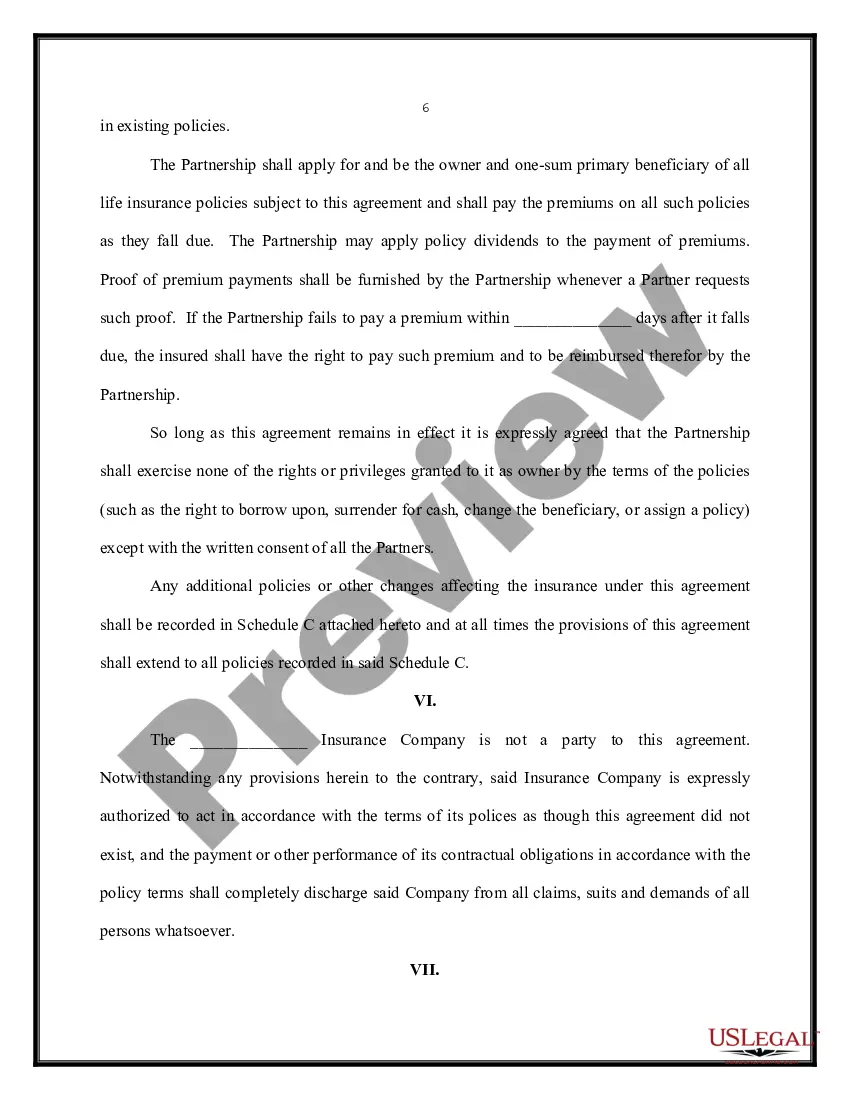
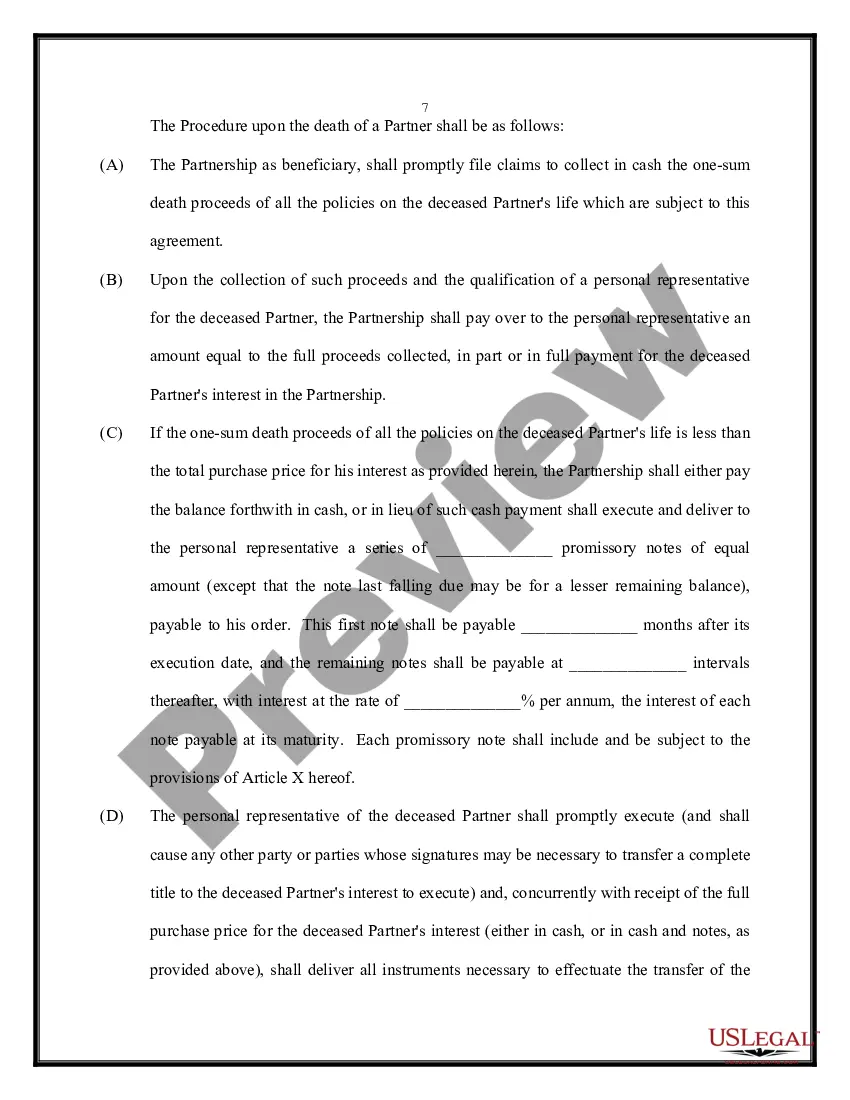
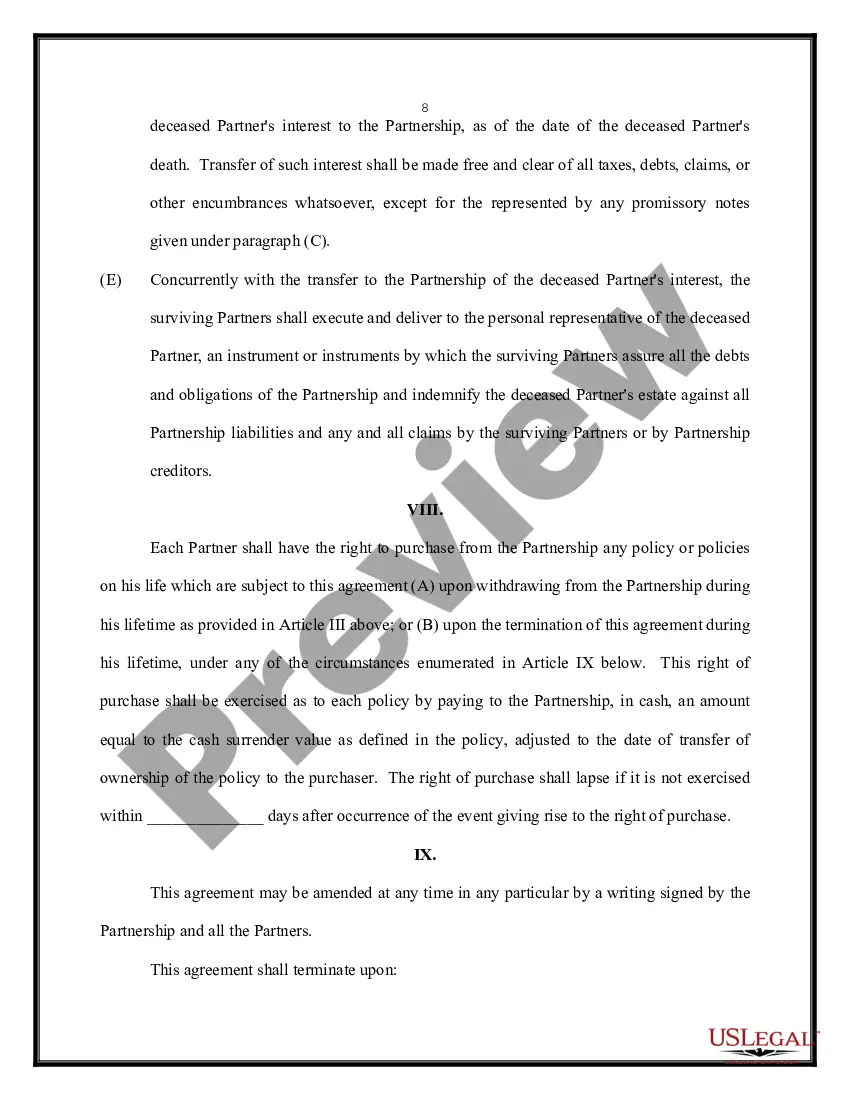
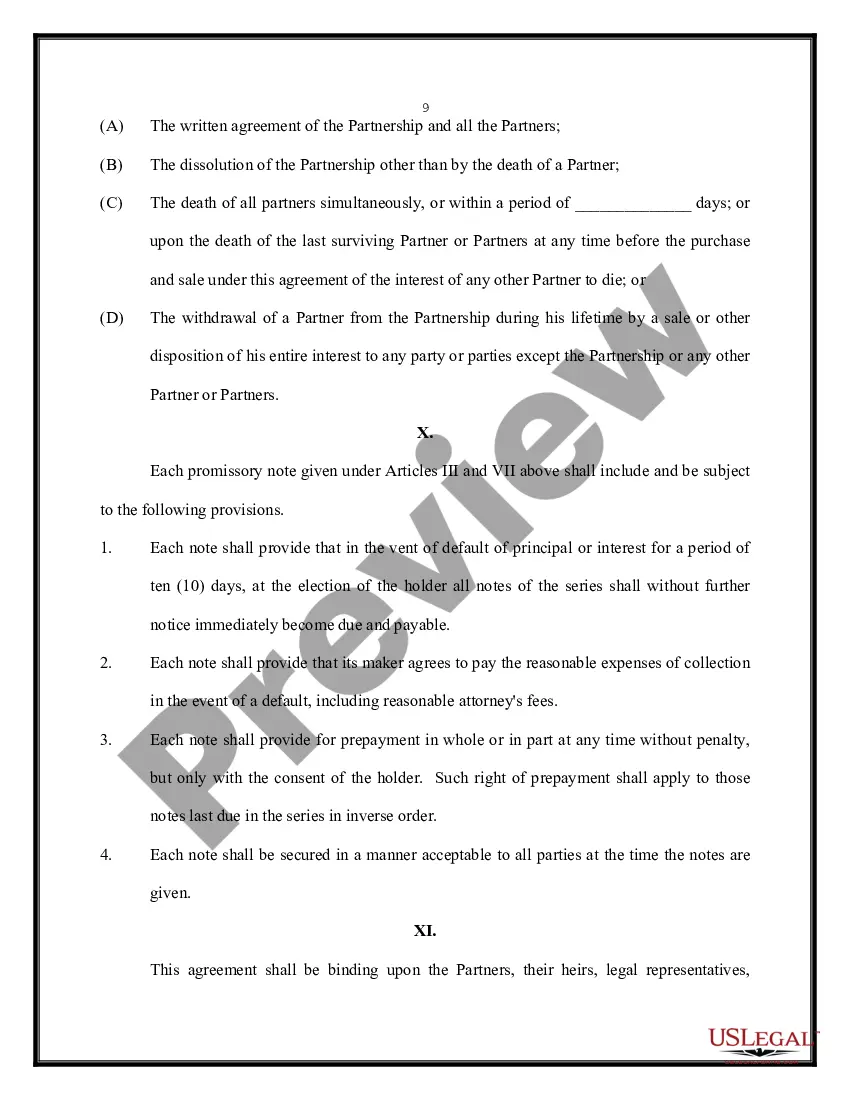
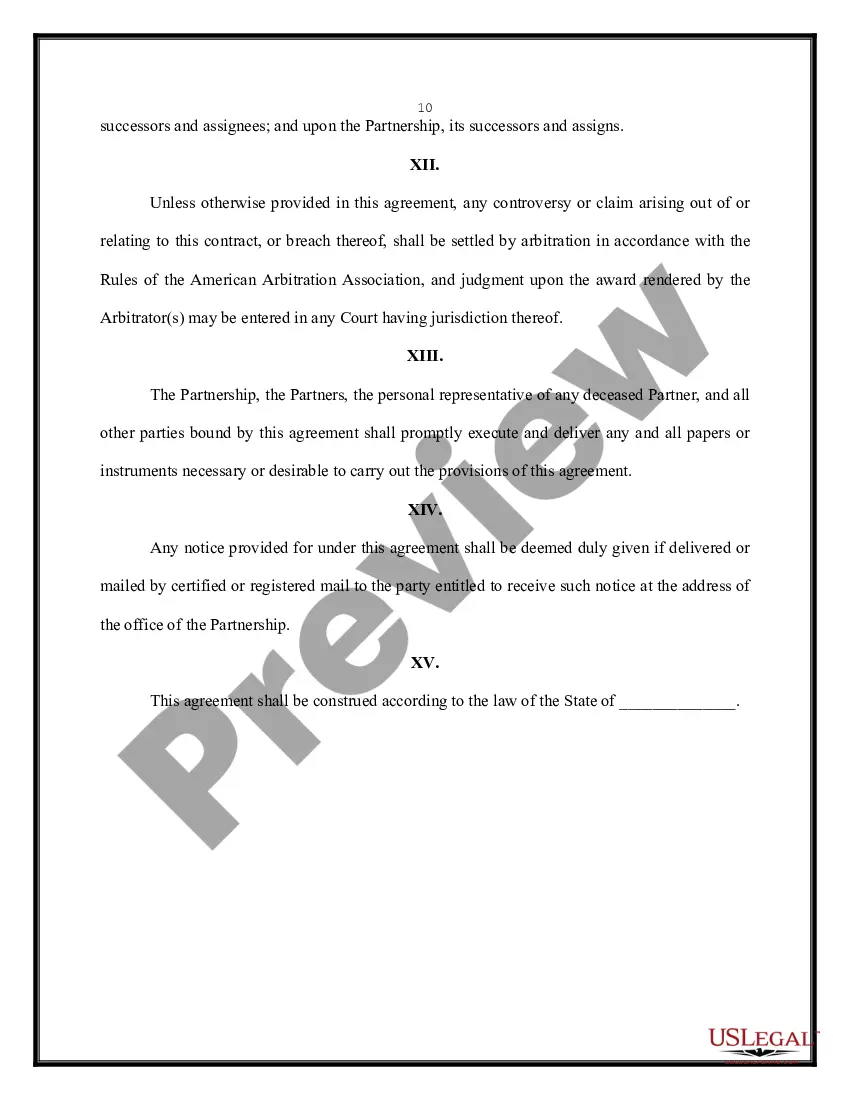
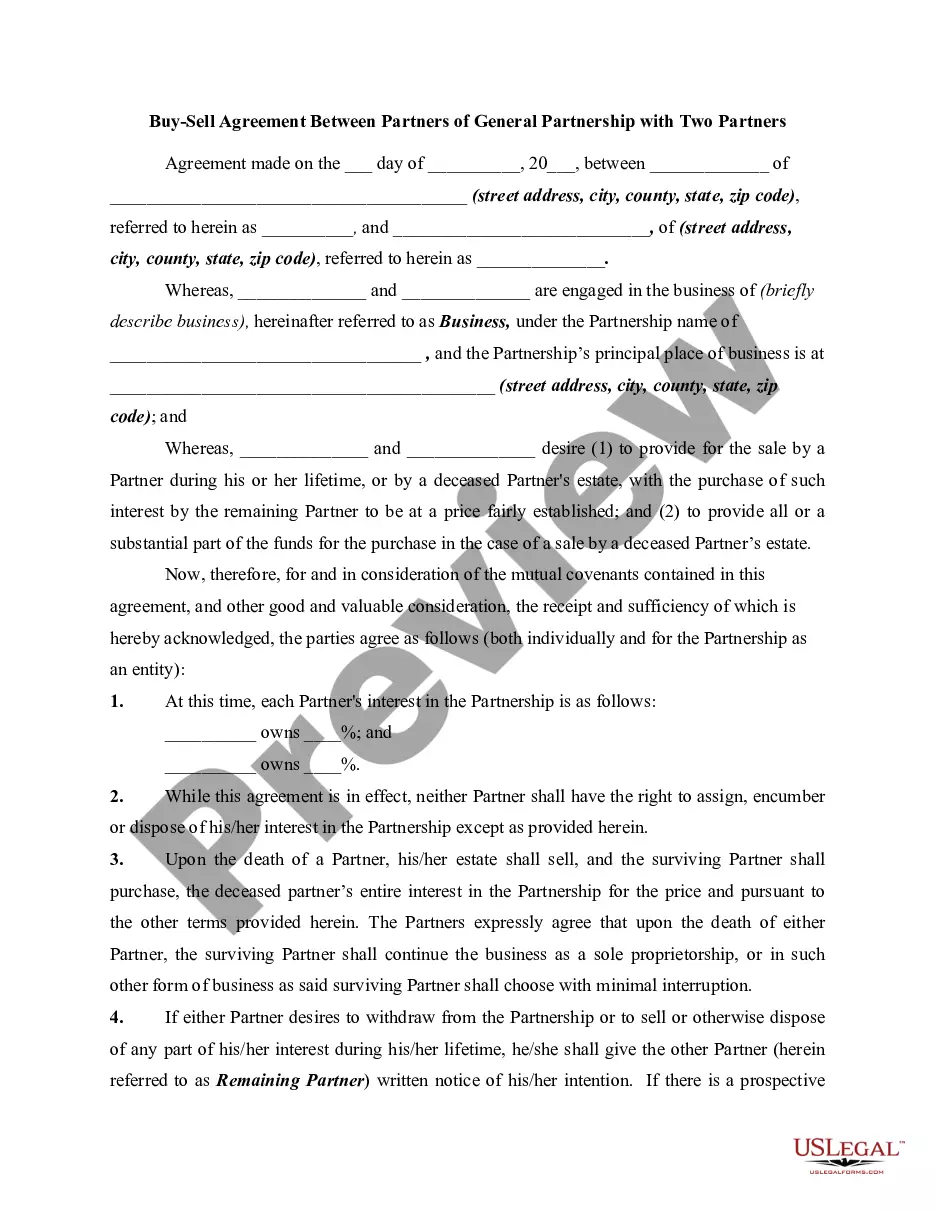
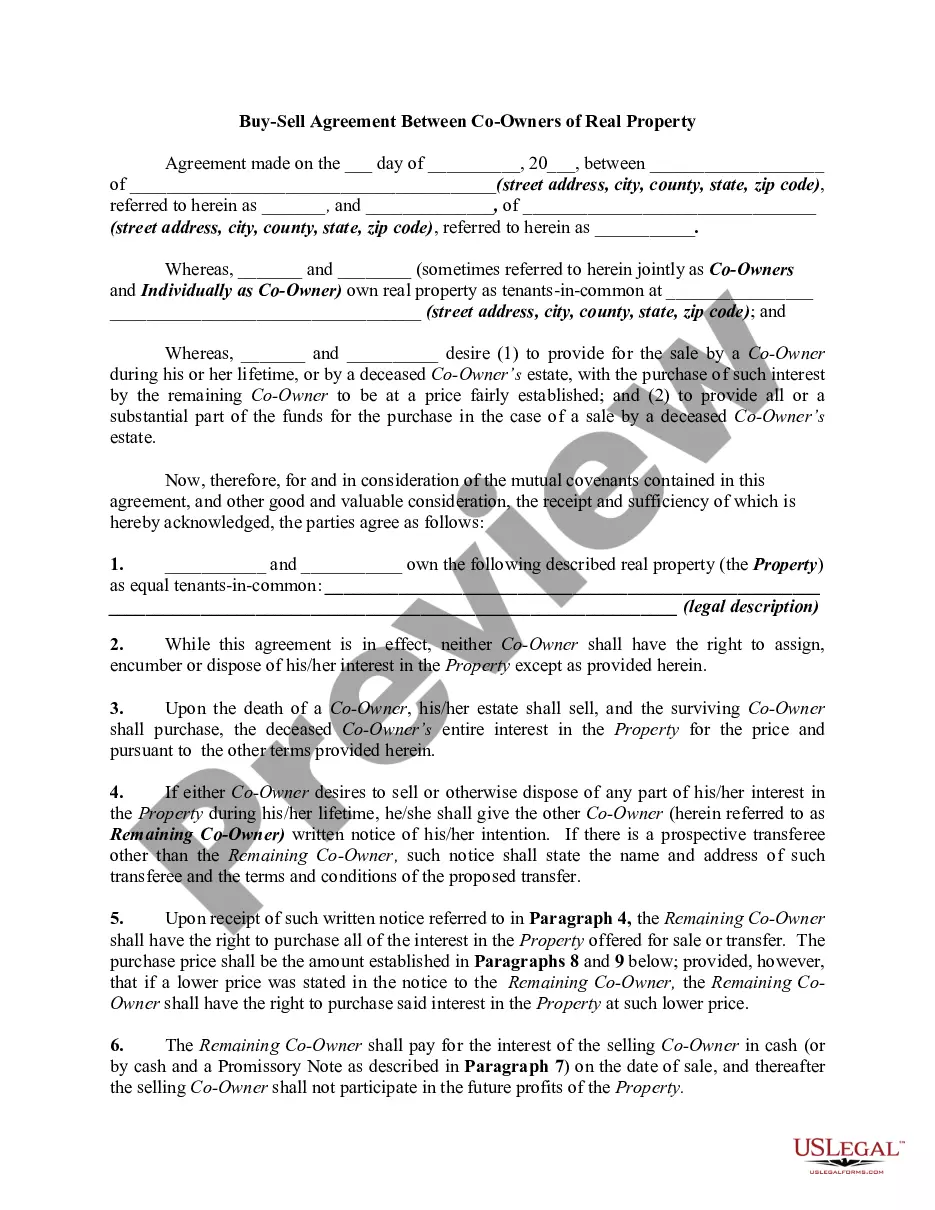
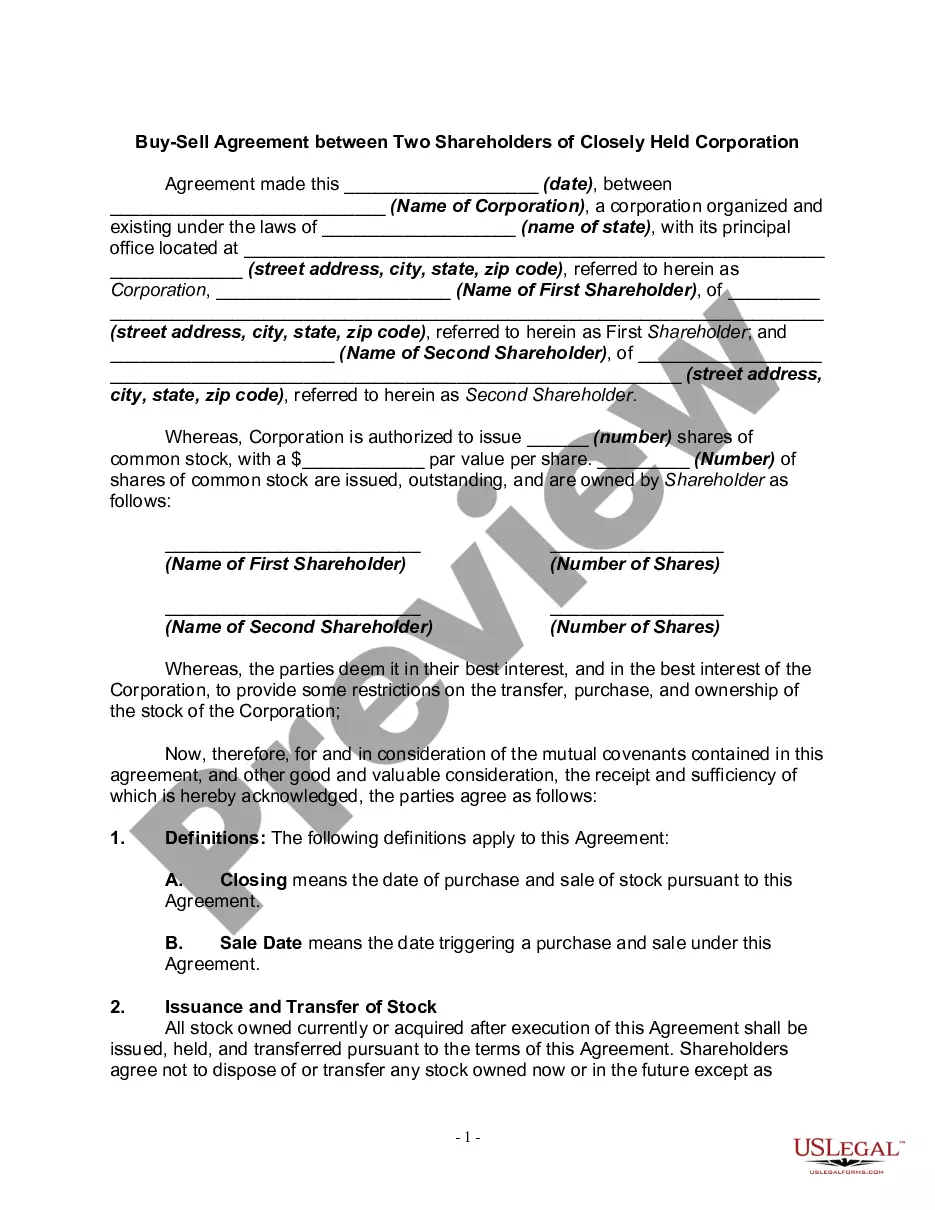
A buyout agreement, also known as a buy-sell agreement, is a legally binding document that governs the transfer of business ownership when certain events occur, such as an owner's voluntary departure, retirement, disability, death, or other unexpected situations.
The buyout agreement should include the terms of departure, the payment structure, and the succession plan. It should also contain non-compete and non-disclosure clauses, as well as potential risks and penalties.
Legal Grounds for Removing a Partner Breach of the Partnership Agreement. If one business partner violates the terms of the agreement, such as engaging in fraud, negligence, or breach of fiduciary duties, the other partner may have grounds to remove them. Misconduct or Wrongdoing. Inability to Perform Duties.
Identifying the different interests of each party Determine the interests of each party, including their goals and objectives. Make a list of the interests of each party. Note any specific requests or concerns of each party. Consider the interests of each party in relation to the terms of the buyout agreement.
What Is a Buyout Agreement? Also known as a buy-sell agreement, a buyout agreement is a contract between business partners that identifies what will happen following the departure of one of the owners.
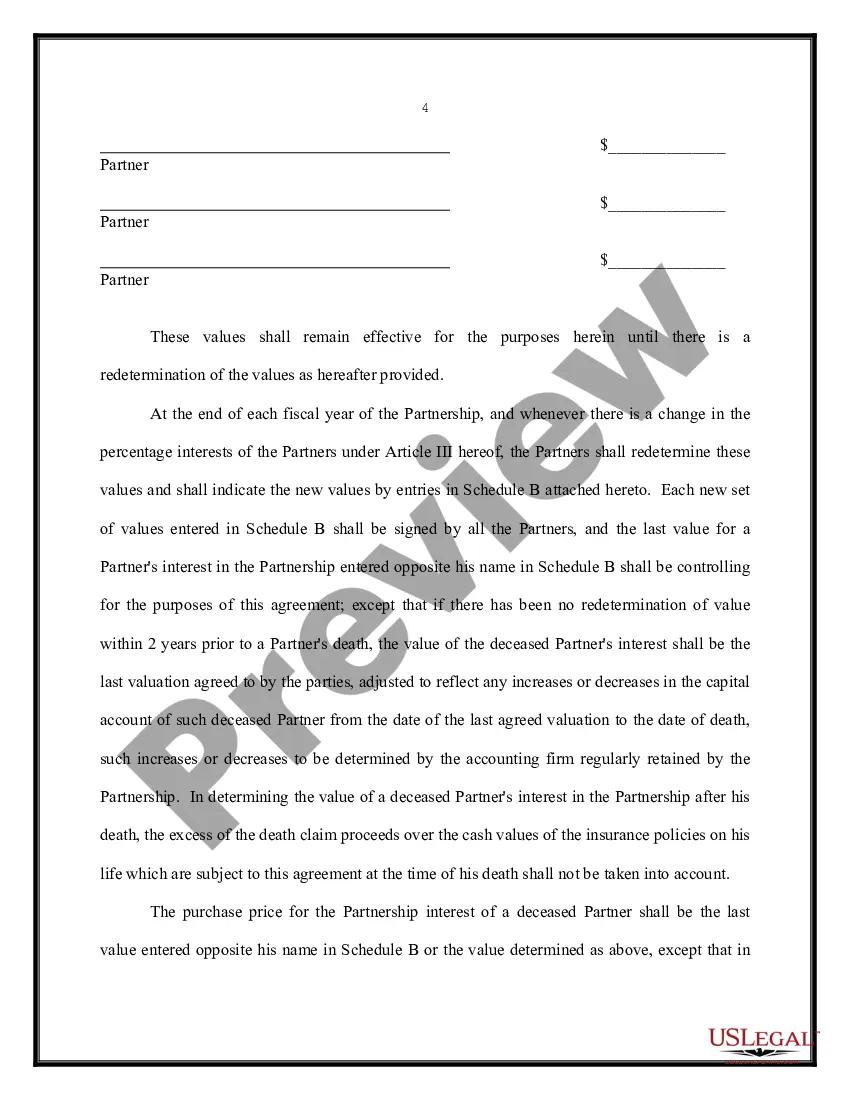
Calculating the Buyout Amount Once the equity stake is determined and the business is valued, the buyout amount can be calculated. This involves multiplying the partner's equity by the business value, which is a crucial step in the partnership buyout process when you decide to buy out a business.
