Agreement Between Partnership For Small Business In Mecklenburg
Description

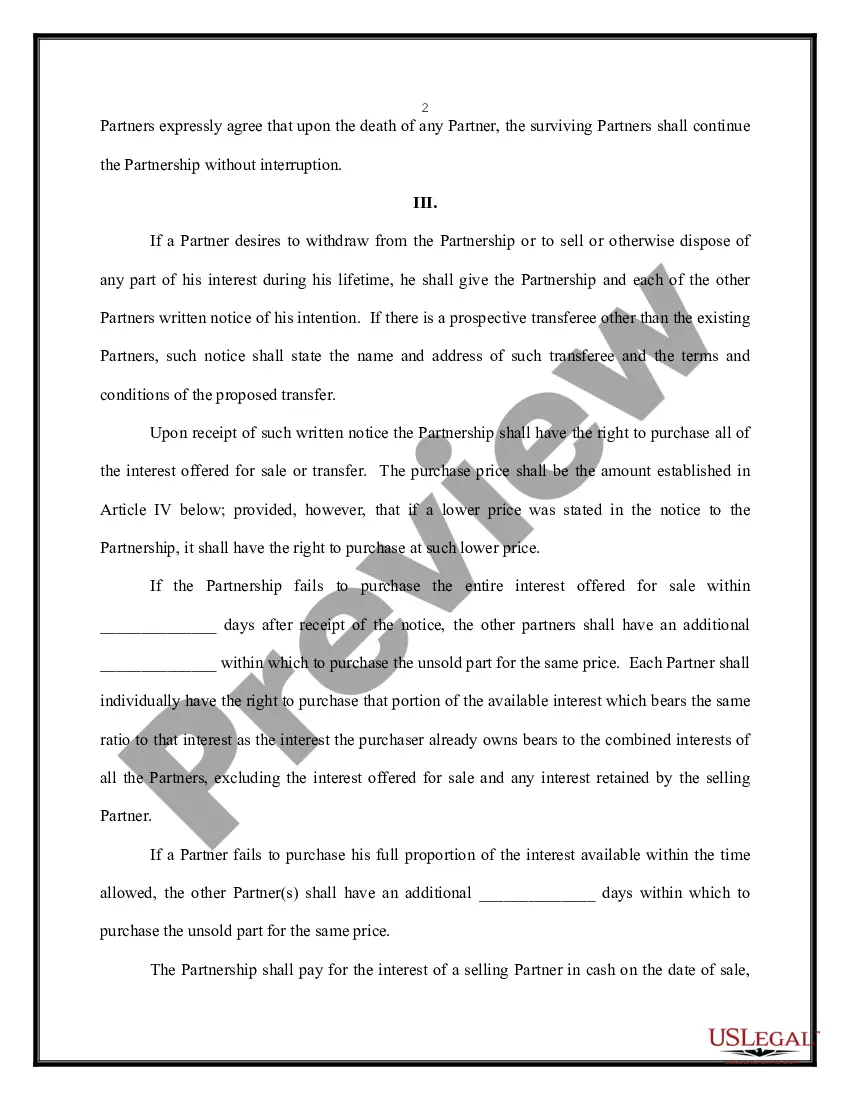
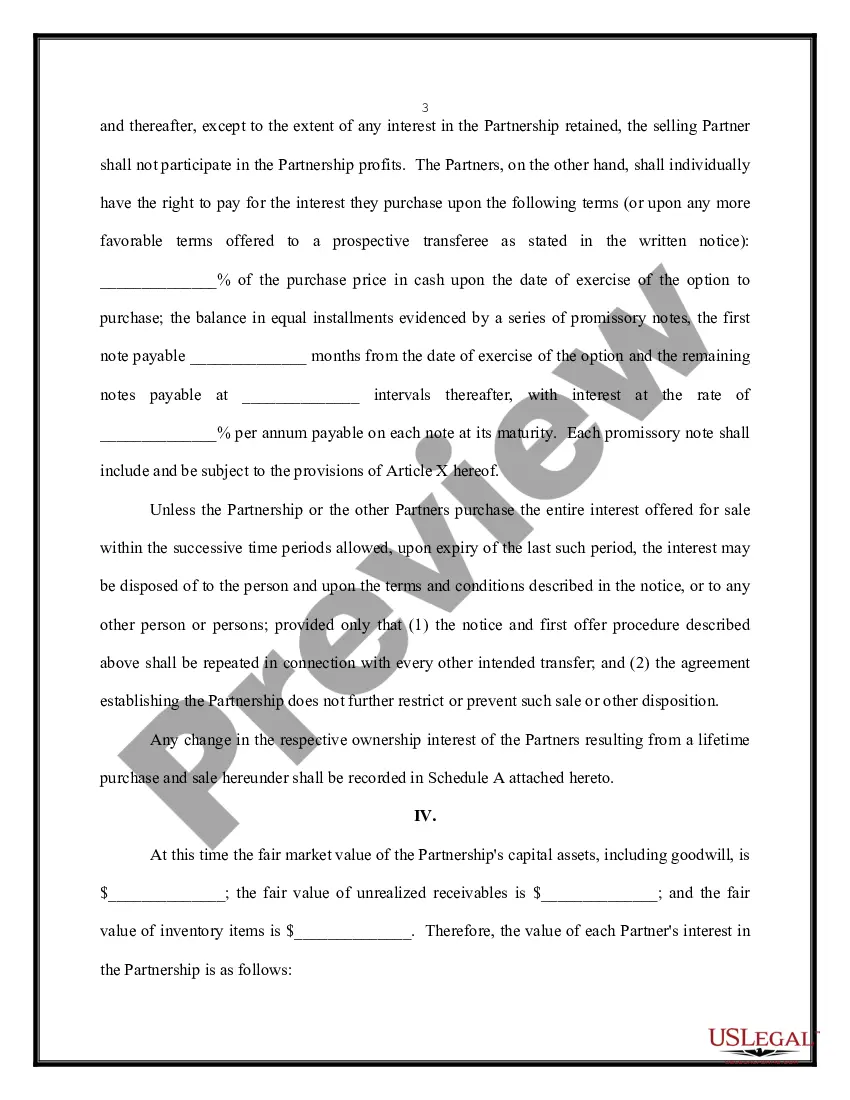
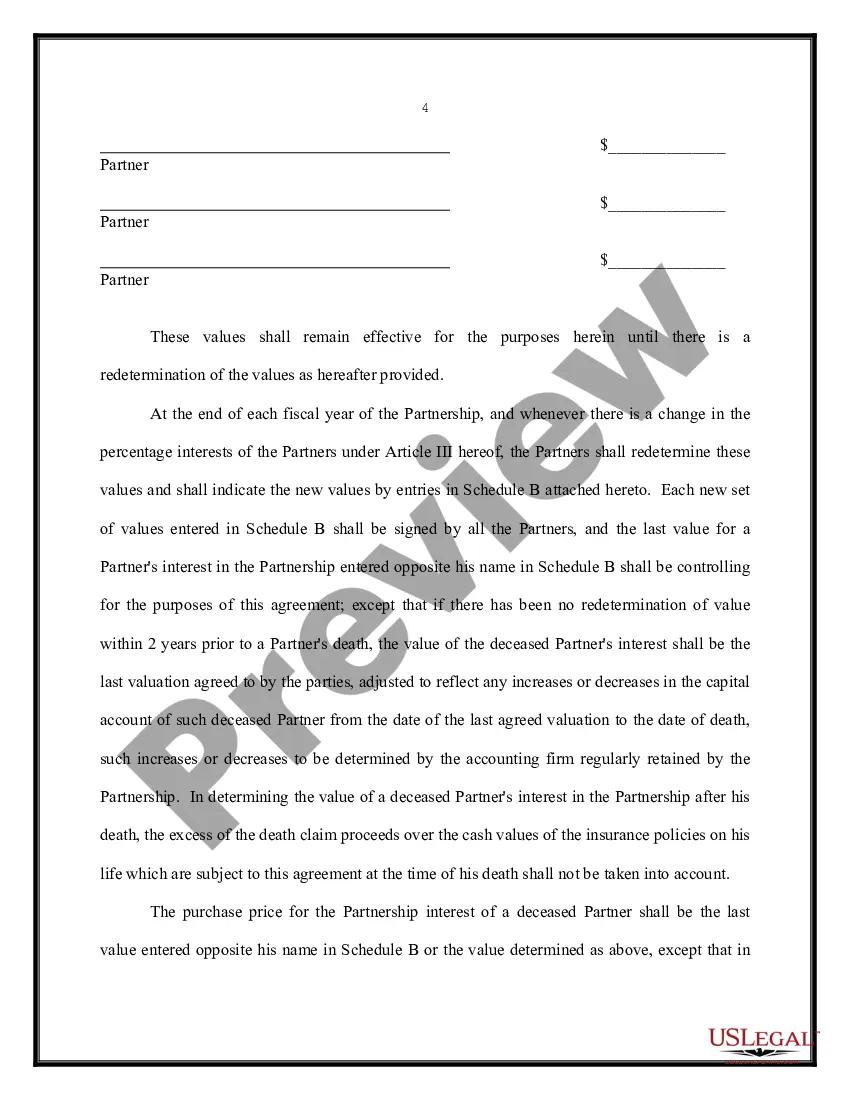
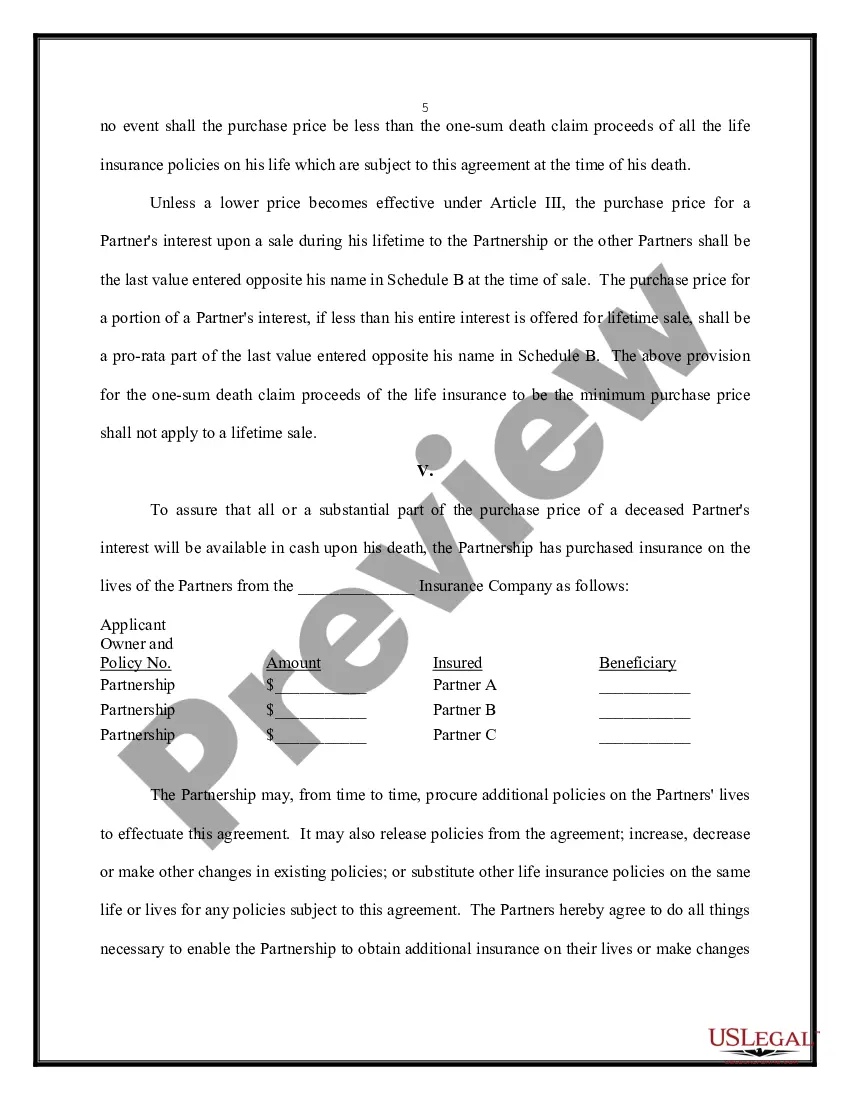
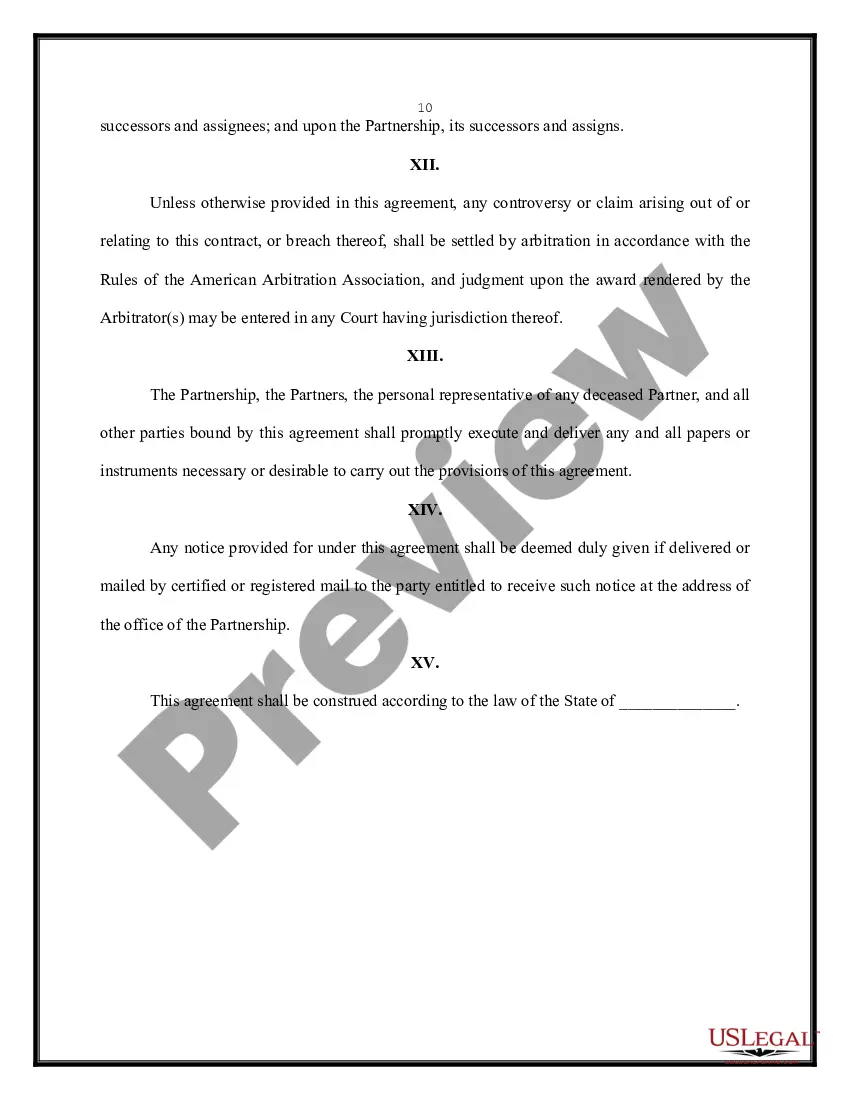


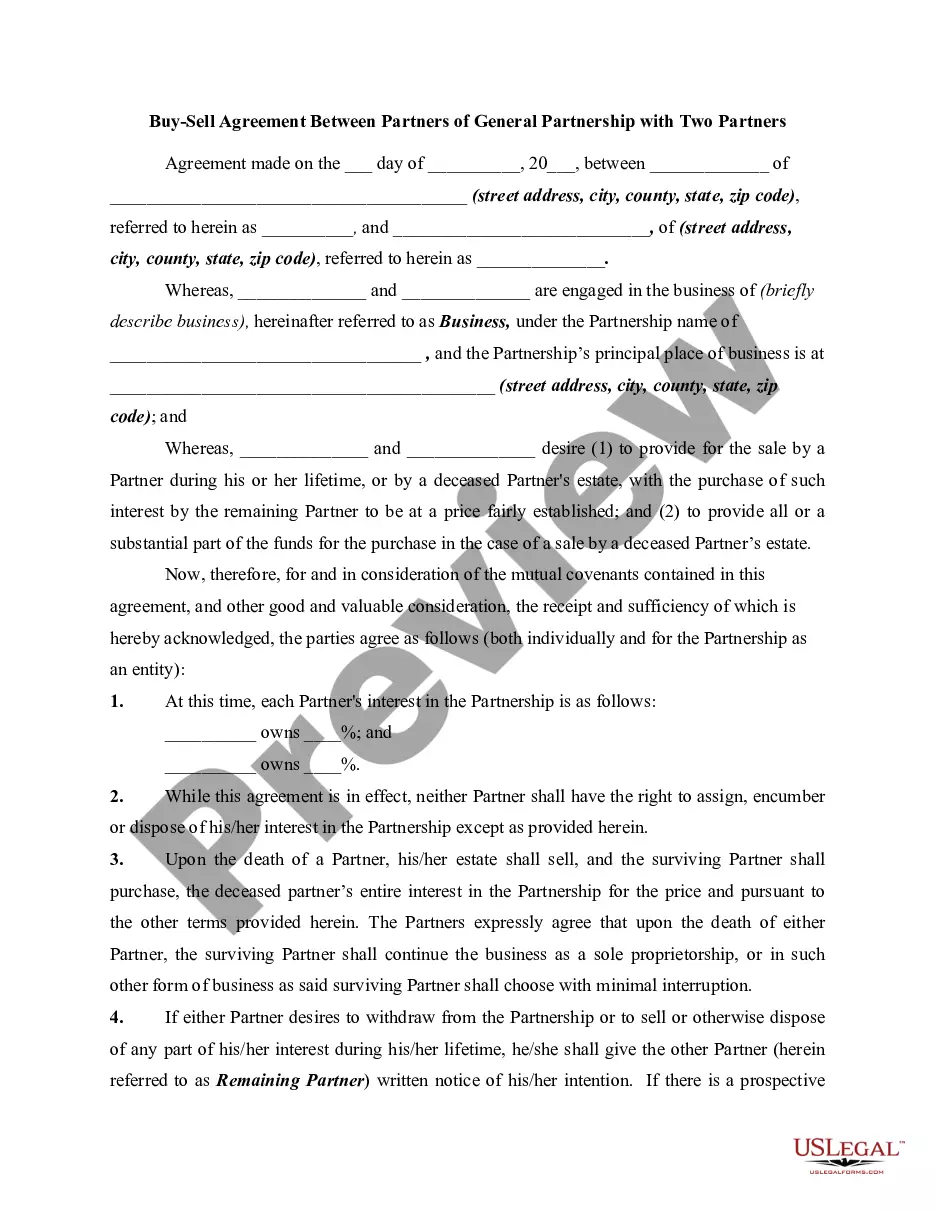
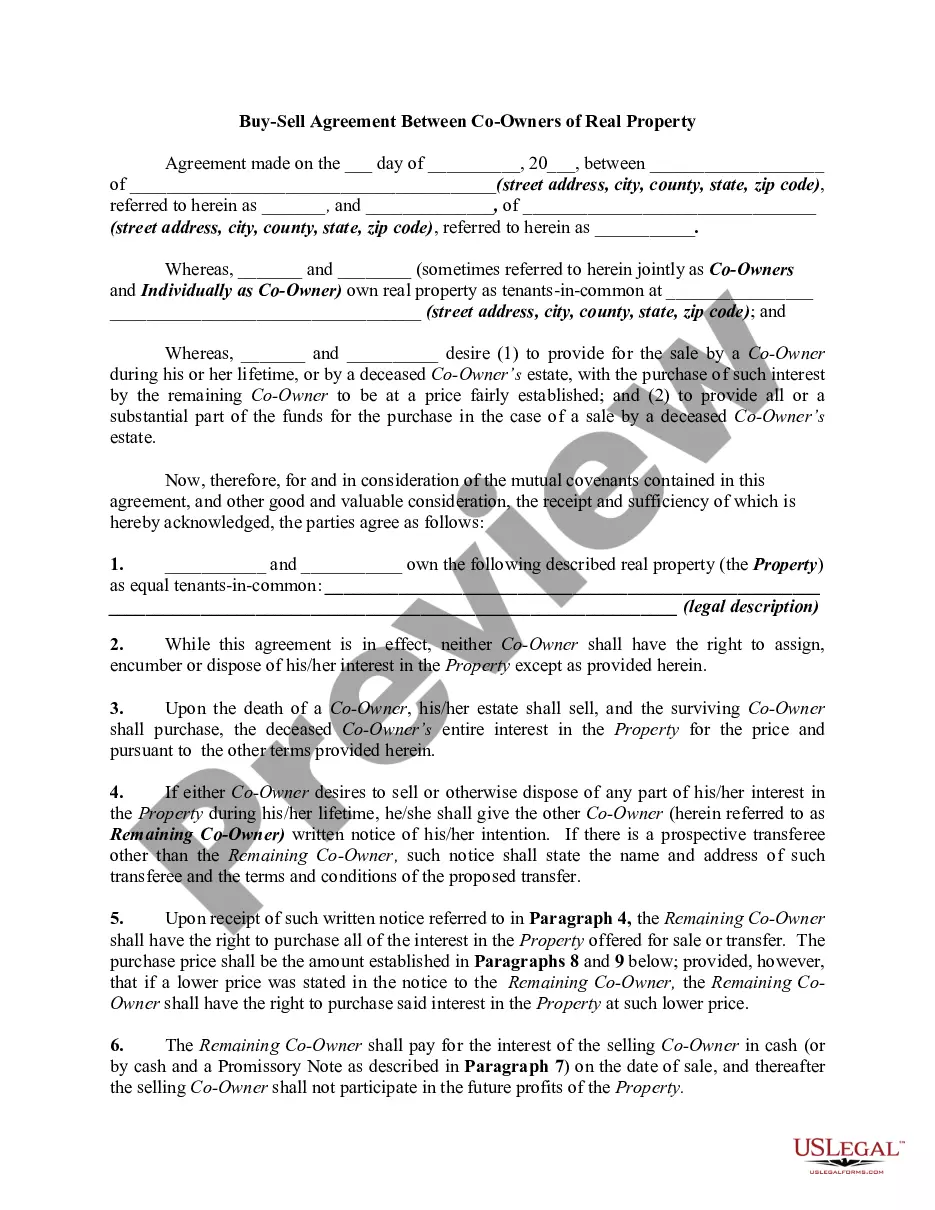
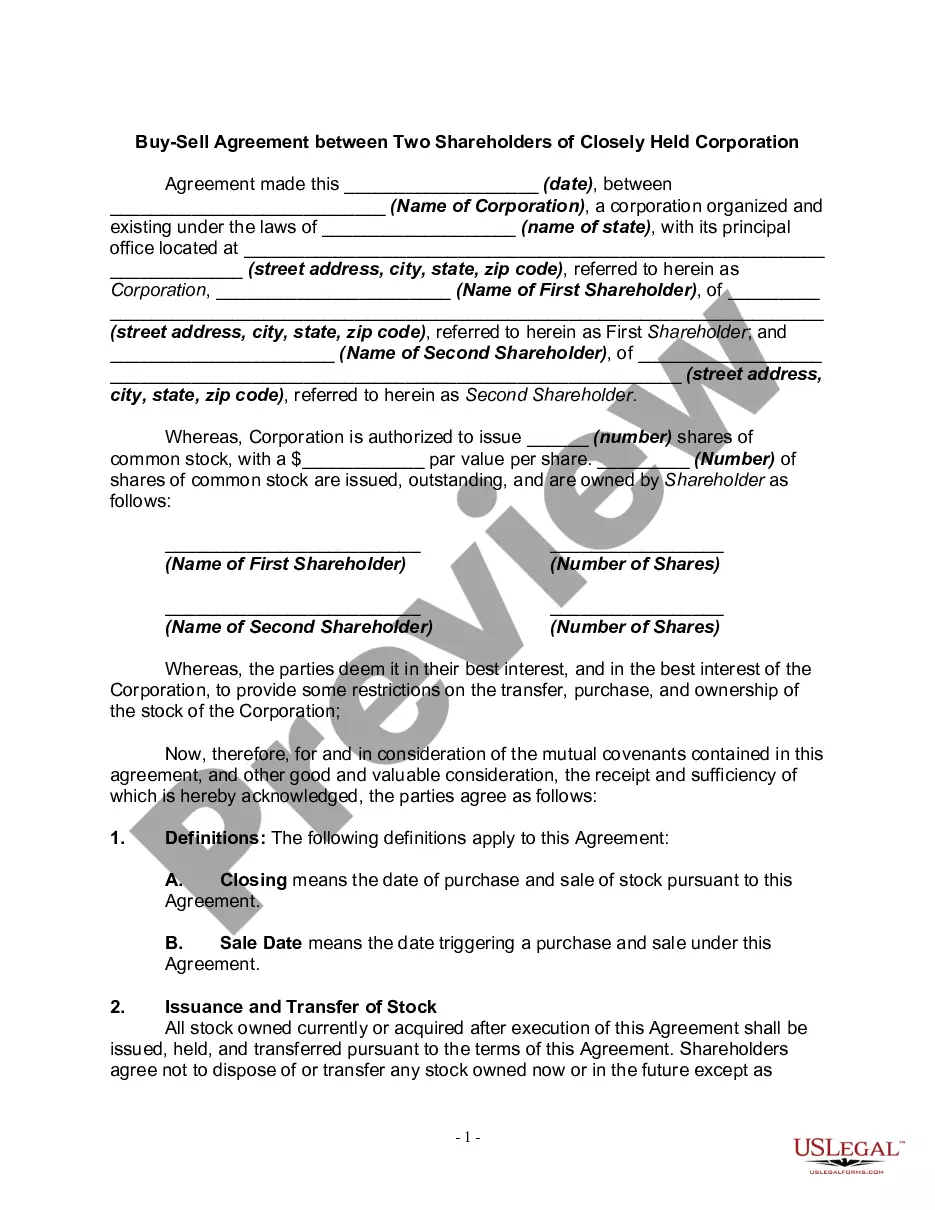
Get your form ready online
Our built-in tools help you complete, sign, share, and store your documents in one place.
Make edits, fill in missing information, and update formatting in US Legal Forms—just like you would in MS Word.
Download a copy, print it, send it by email, or mail it via USPS—whatever works best for your next step.
Sign and collect signatures with our SignNow integration. Send to multiple recipients, set reminders, and more. Go Premium to unlock E-Sign.
If this form requires notarization, complete it online through a secure video call—no need to meet a notary in person or wait for an appointment.
We protect your documents and personal data by following strict security and privacy standards.

Make edits, fill in missing information, and update formatting in US Legal Forms—just like you would in MS Word.

Download a copy, print it, send it by email, or mail it via USPS—whatever works best for your next step.

Sign and collect signatures with our SignNow integration. Send to multiple recipients, set reminders, and more. Go Premium to unlock E-Sign.

If this form requires notarization, complete it online through a secure video call—no need to meet a notary in person or wait for an appointment.

We protect your documents and personal data by following strict security and privacy standards.
Looking for another form?




Form popularity
FAQ
The strongest and most successful partnership agreements tend to include four main elements. Clear business objectives and roles. Begin your agreement by outlining the primary goals of the partnership. Financial contributions and profit distribution. Decision-making processes. Exit strategies and dissolution procedures.
How to form a partnership: 10 steps to success Choose your partners. Determine your type of partnership. Come up with a name for your partnership. Register the partnership. Determine tax obligations. Apply for an EIN and tax ID numbers. Establish a partnership agreement. Obtain licenses and permits, if applicable.
How to Write a Partnership Agreement Define Partnership Structure. Outline Capital Contributions and Ownership. Detail Profit, Loss, and Distribution Arrangements. Set Decision-Making and Management Protocols. Plan for Changes and Contingencies. Include Legal Provisions and Finalize the Agreement.
A partnership agreement need only be a contract/agreement signed by the parties (sometimes referred to as a simple contract 'under hand') unless there is some part of the agreement that relates to the transfer of property, in which case the agreement must take the form of a deed note 5.
The partnership agreement spells out who owns what portion of the firm, how profits and losses will be split, and the assignment of roles and duties. The partnership agreement will also typically spell out how disputes are to be adjudicated and what happens if one of the partners dies prematurely.
How do I create a Partnership Agreement? Provide partnership details. Start by specifying the industry you're in and what type of business you'll run. Detail the capital contributions of each partner. Outline management responsibilities. Prepare for accounting. Add final details.
However, if you have no written business agreement in place, you may be unable to carry out the day-to-day tasks of the partnership, like paying yourself a salary. Instead, you and your partner may need to wait until the end of each year and split the partnership's profits and losses equally.
The business profits (or losses) are usually divided among the partners based on the partnership agreement. Like a sole proprietorship, a partnership is easy to form. In fact, a simple verbal agreement is enough to form a partnership.
How to Write a Partnership Agreement Define Partnership Structure. Outline Capital Contributions and Ownership. Detail Profit, Loss, and Distribution Arrangements. Set Decision-Making and Management Protocols. Plan for Changes and Contingencies. Include Legal Provisions and Finalize the Agreement.
Fraud or Misrepresentation: Agreements entered into based on fraudulent information or significant misrepresentation can be declared void. Duress or Undue Influence: Agreements made under pressure, coercion, or undue influence lack legal validity.
