Agreement Between Partnership For Small Business In Cuyahoga
Description

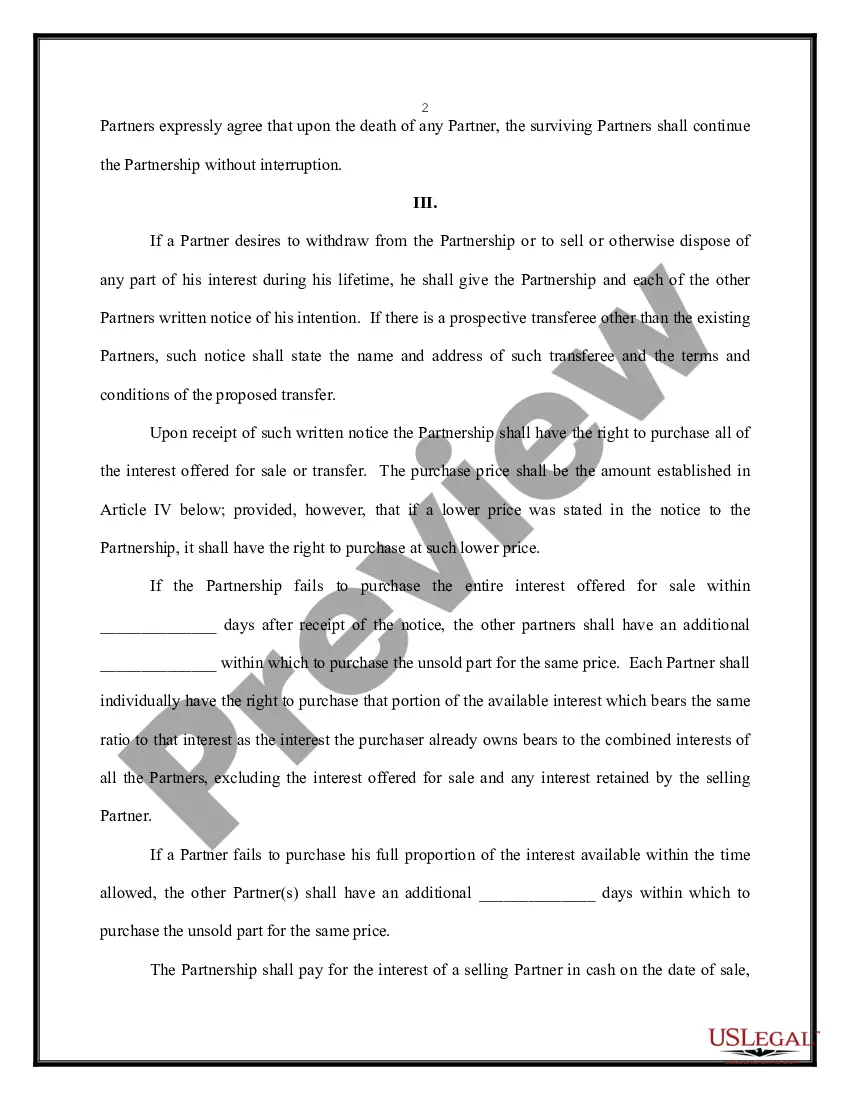
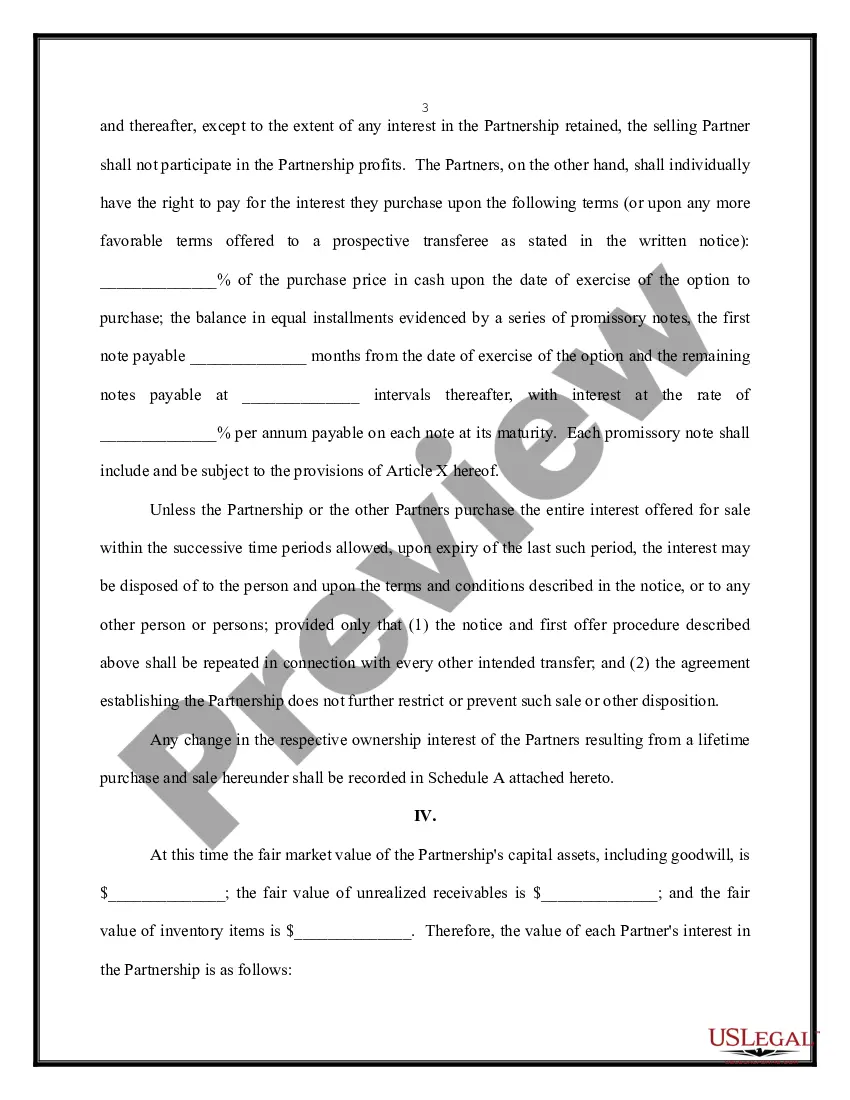
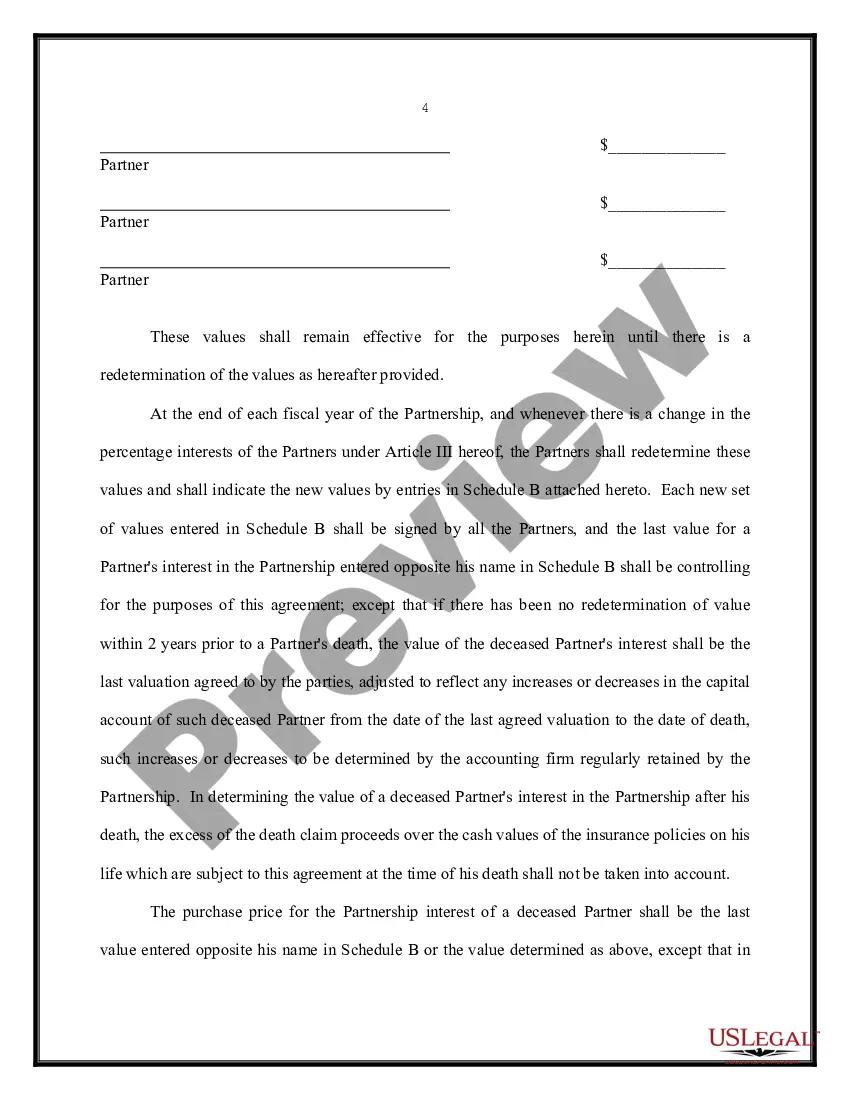
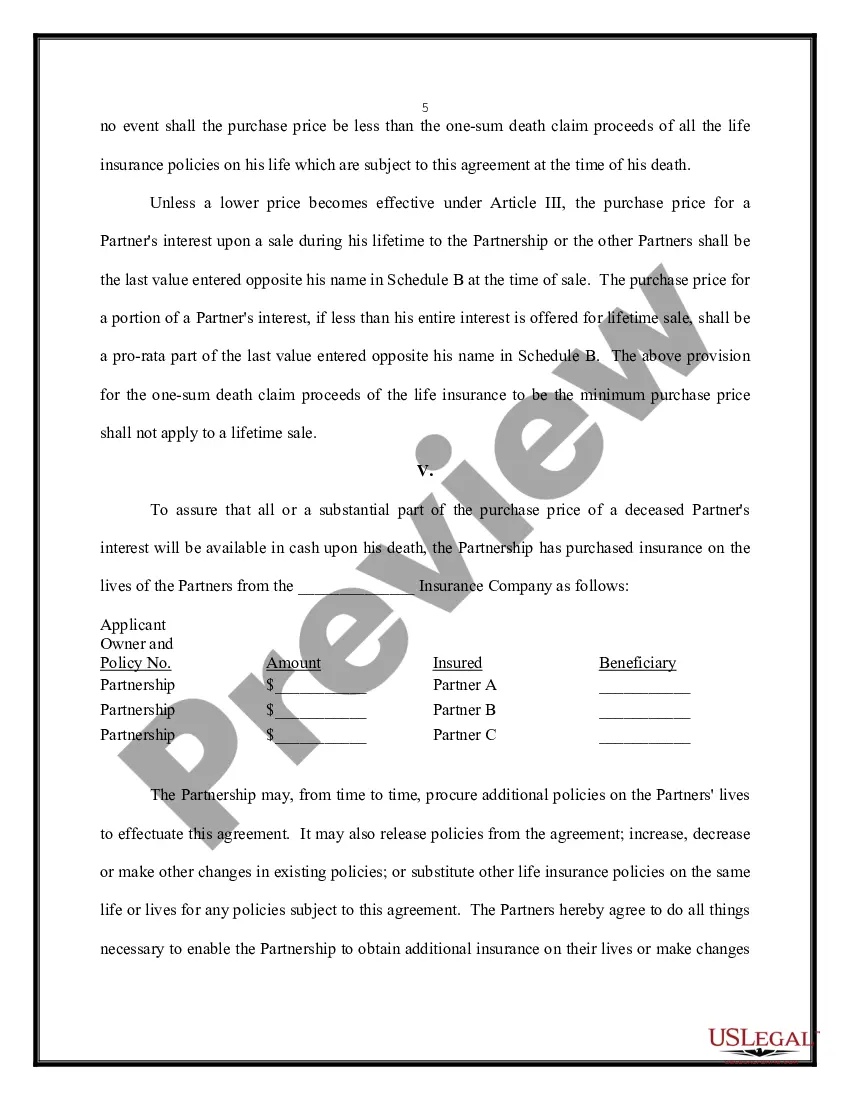
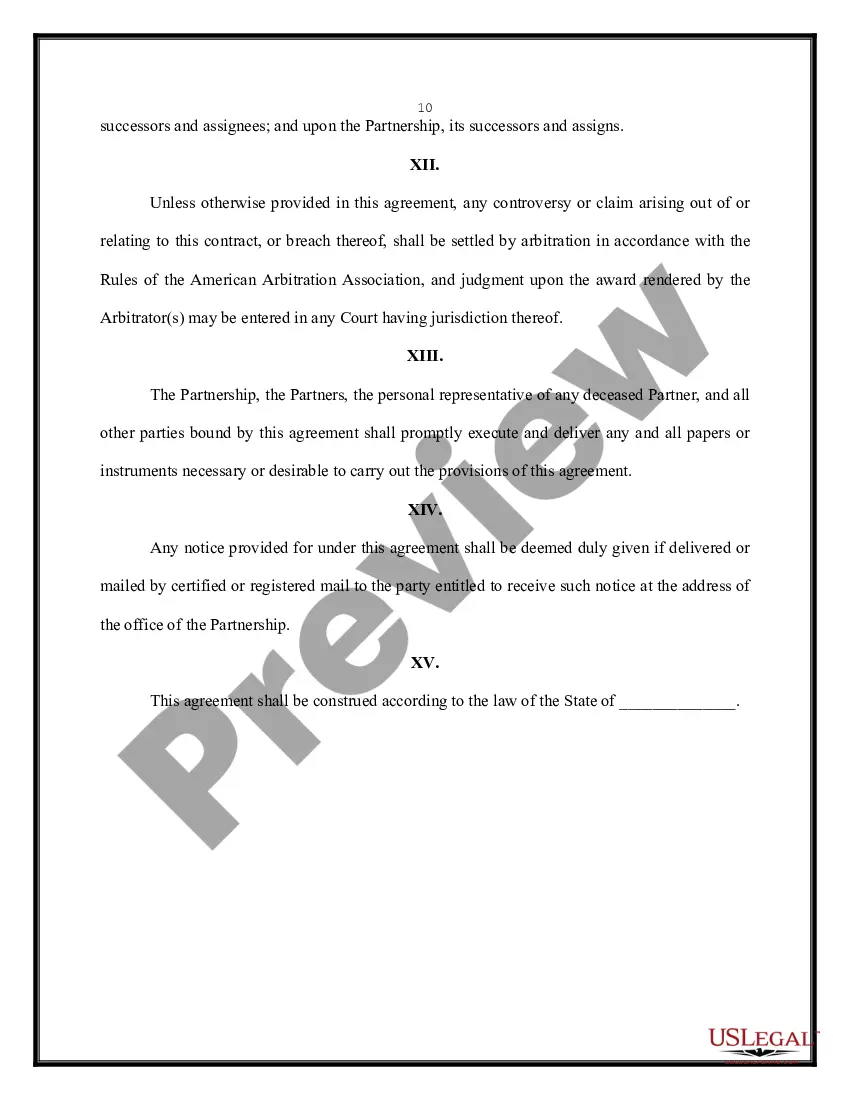


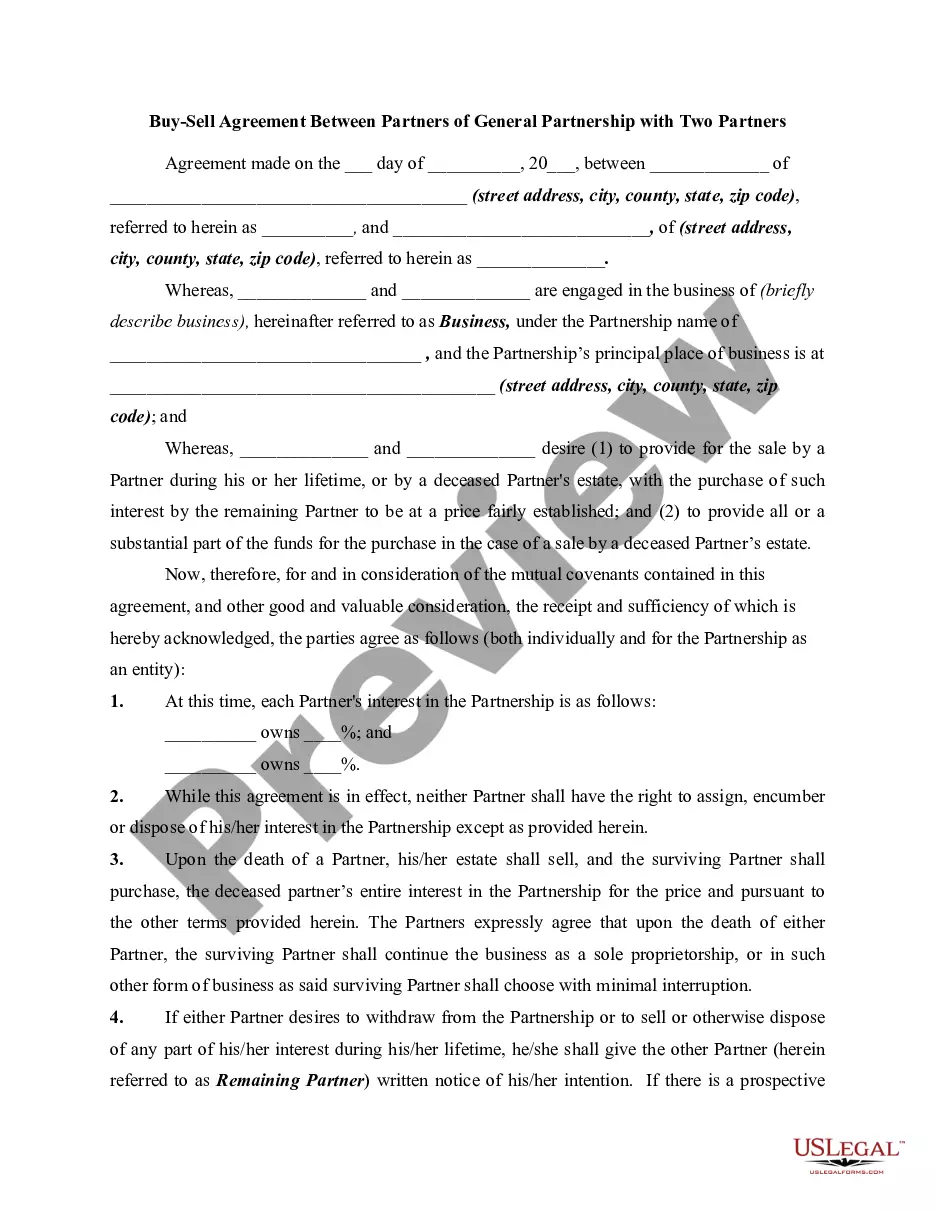
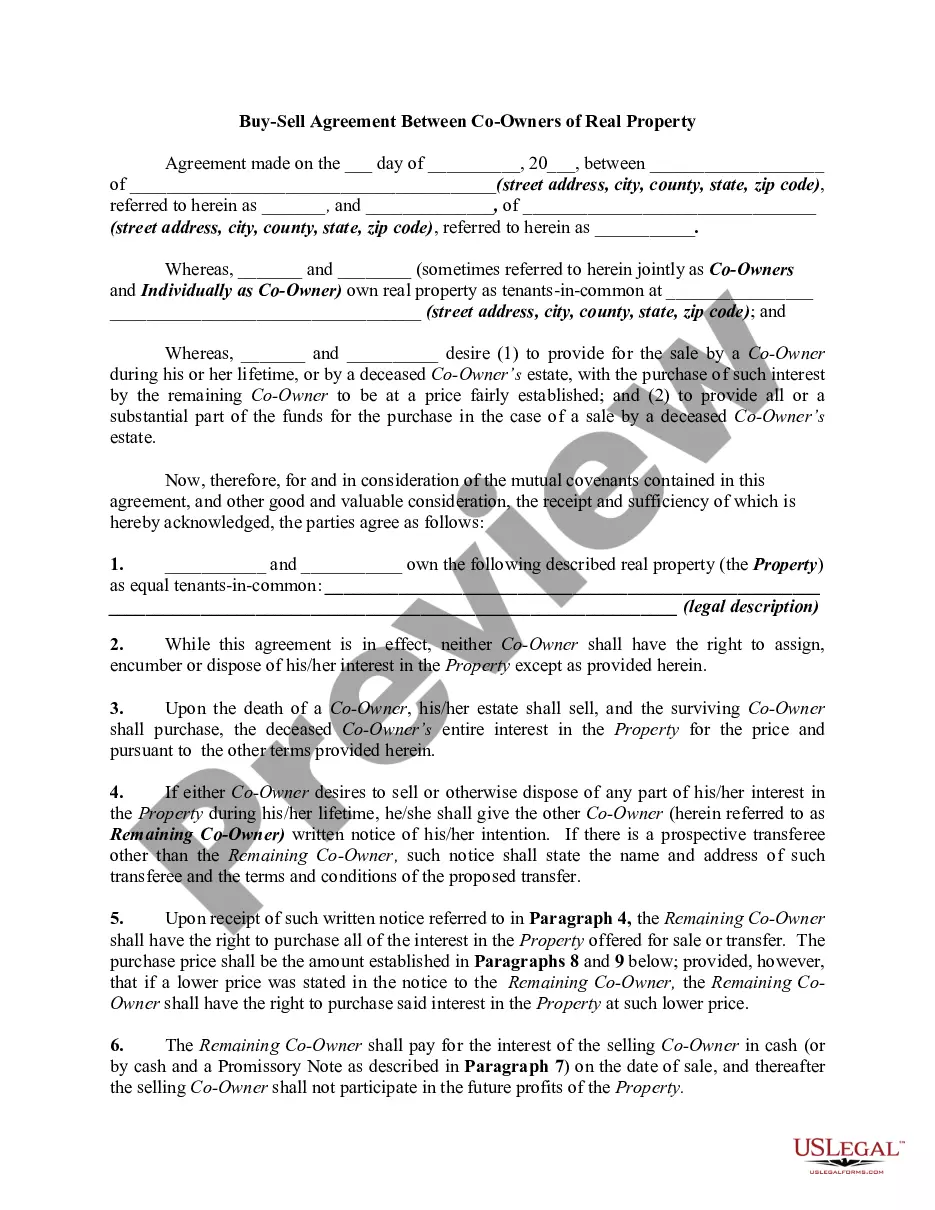
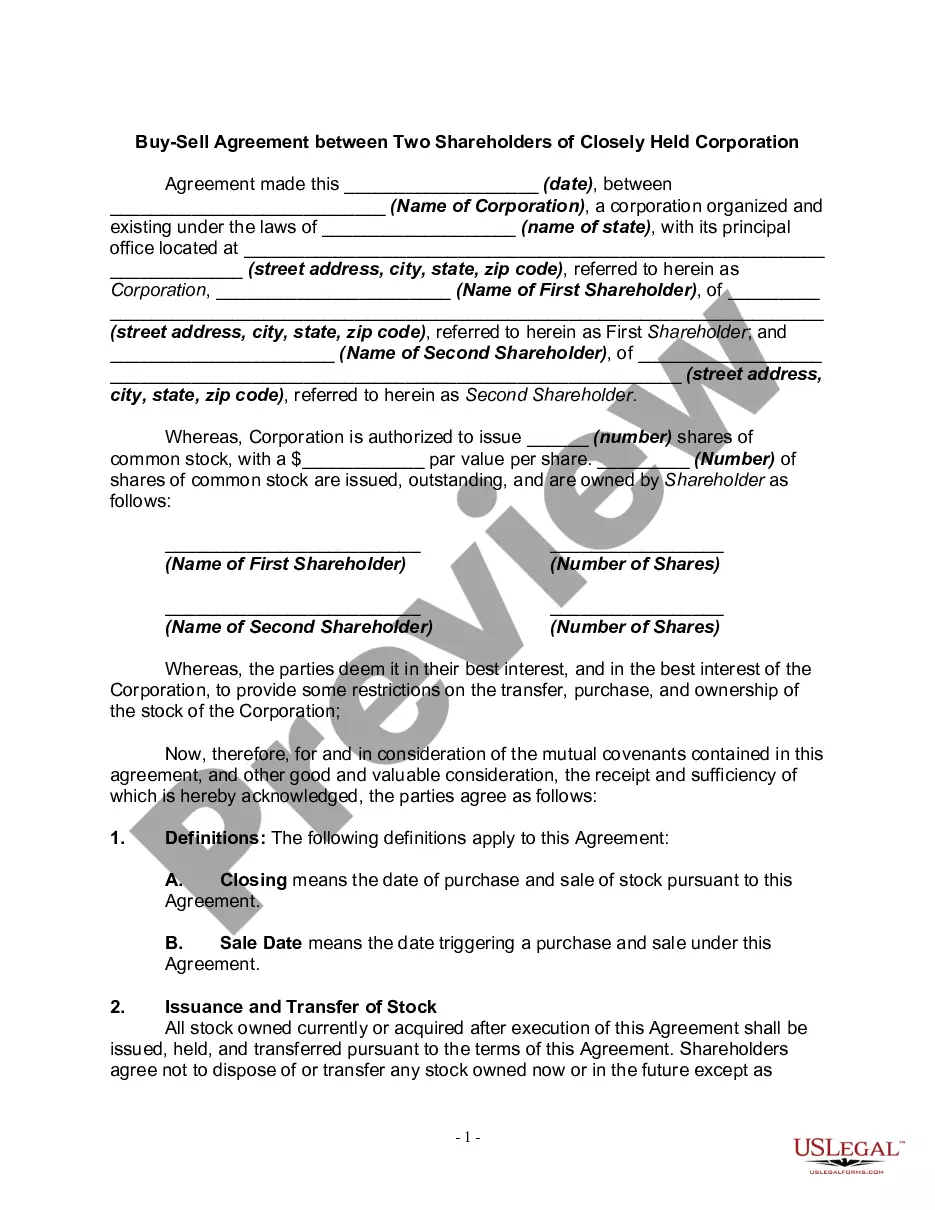
Get your form ready online
Our built-in tools help you complete, sign, share, and store your documents in one place.
Make edits, fill in missing information, and update formatting in US Legal Forms—just like you would in MS Word.
Download a copy, print it, send it by email, or mail it via USPS—whatever works best for your next step.
Sign and collect signatures with our SignNow integration. Send to multiple recipients, set reminders, and more. Go Premium to unlock E-Sign.
If this form requires notarization, complete it online through a secure video call—no need to meet a notary in person or wait for an appointment.
We protect your documents and personal data by following strict security and privacy standards.

Make edits, fill in missing information, and update formatting in US Legal Forms—just like you would in MS Word.

Download a copy, print it, send it by email, or mail it via USPS—whatever works best for your next step.

Sign and collect signatures with our SignNow integration. Send to multiple recipients, set reminders, and more. Go Premium to unlock E-Sign.

If this form requires notarization, complete it online through a secure video call—no need to meet a notary in person or wait for an appointment.

We protect your documents and personal data by following strict security and privacy standards.
Looking for another form?






Form popularity
FAQ
A partnership agreement is a legal, written document that outlines the structure, roles, and guidelines for a business. It dictates the way a business is run and details the relationship between the partners. Partnerships can be complex, depending on the scope of business operations and the number of partners involved.
Business contracts—when executed correctly—can help to manage business expectations and avoid liability. Before setting up shop, every business requires contracts that legally bind parties and ensure that the business is law-abiding.
Partnership Agreements: Memorandum of Understanding. A memorandum of understanding (MOU) is a written agreement between two organizations that helps establish the ground rules for any partnership activities you choose to explore.
How to Write a Partnership Agreement Define Partnership Structure. Outline Capital Contributions and Ownership. Detail Profit, Loss, and Distribution Arrangements. Set Decision-Making and Management Protocols. Plan for Changes and Contingencies. Include Legal Provisions and Finalize the Agreement.
A minimum of 2 partners are required to start a partnership firm. Partners establish a partnership firm through a partnership deed. A partnership deed is an agreement between the partners of a firm that outlines the terms and conditions of partnership among the partners.
Owners' agreement or ownership agreement refer to the contract made between owners of a business entity that determines the rights of the owners. Ownership agreements differ based on the type of business such as partnerships or LLCs.
How do I create a Partnership Agreement? Provide partnership details. Start by specifying the industry you're in and what type of business you'll run. Detail the capital contributions of each partner. Outline management responsibilities. Prepare for accounting. Add final details.
Grant Information The Small Business STIMulus Grant Program is a one-time payment granted to eligible applicants in an amount up to $50,000 for businesses with fewer than 50 full-time equivalent employees.
