Agreement Between Partnership For Llc In Contra Costa
Description

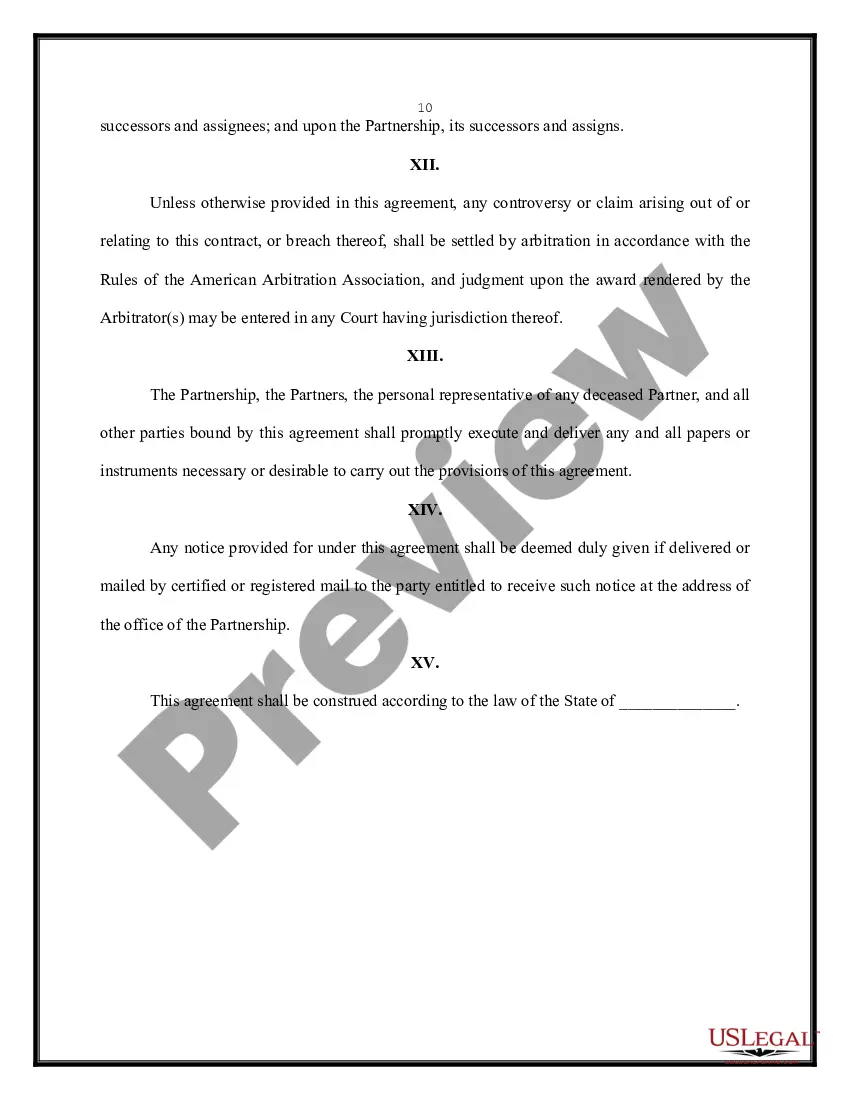


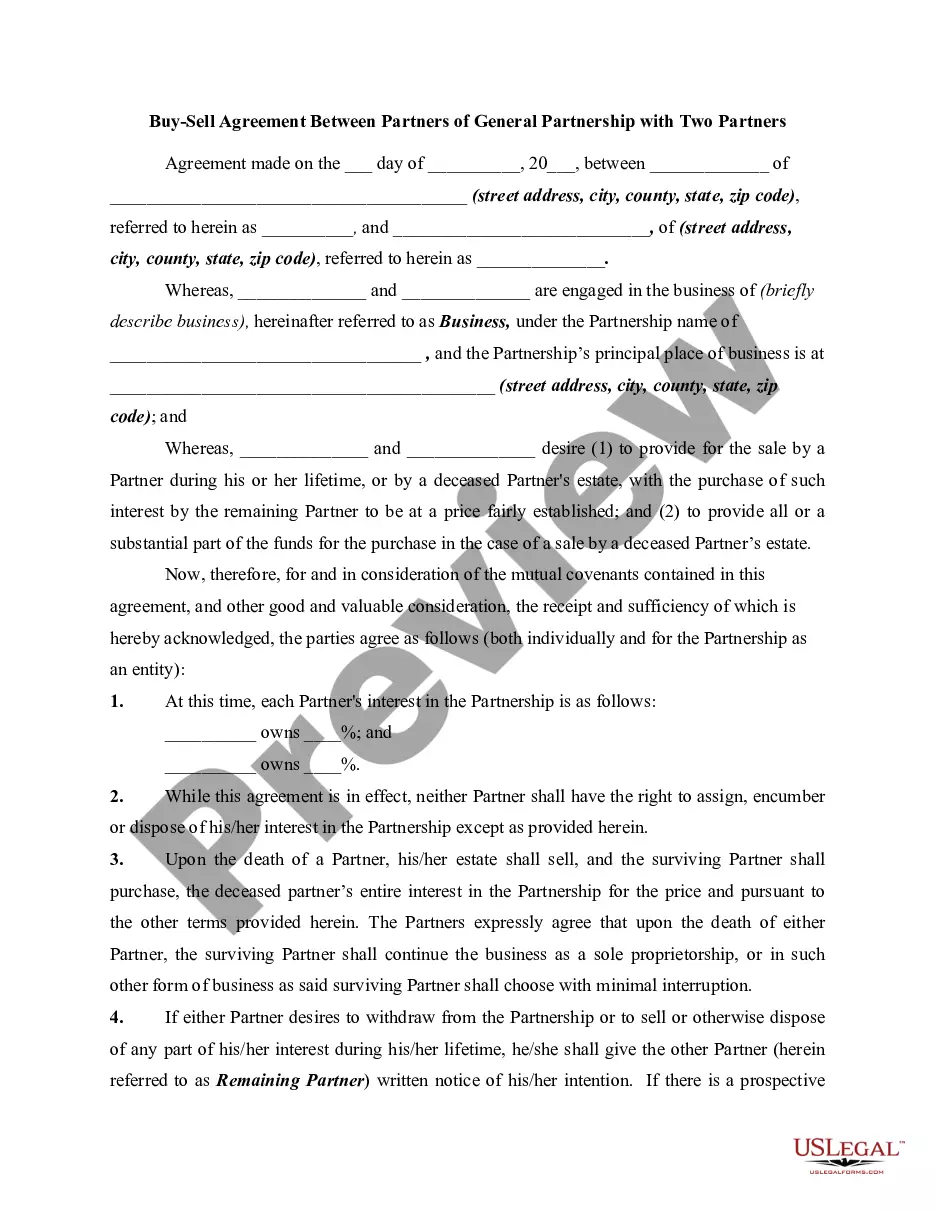
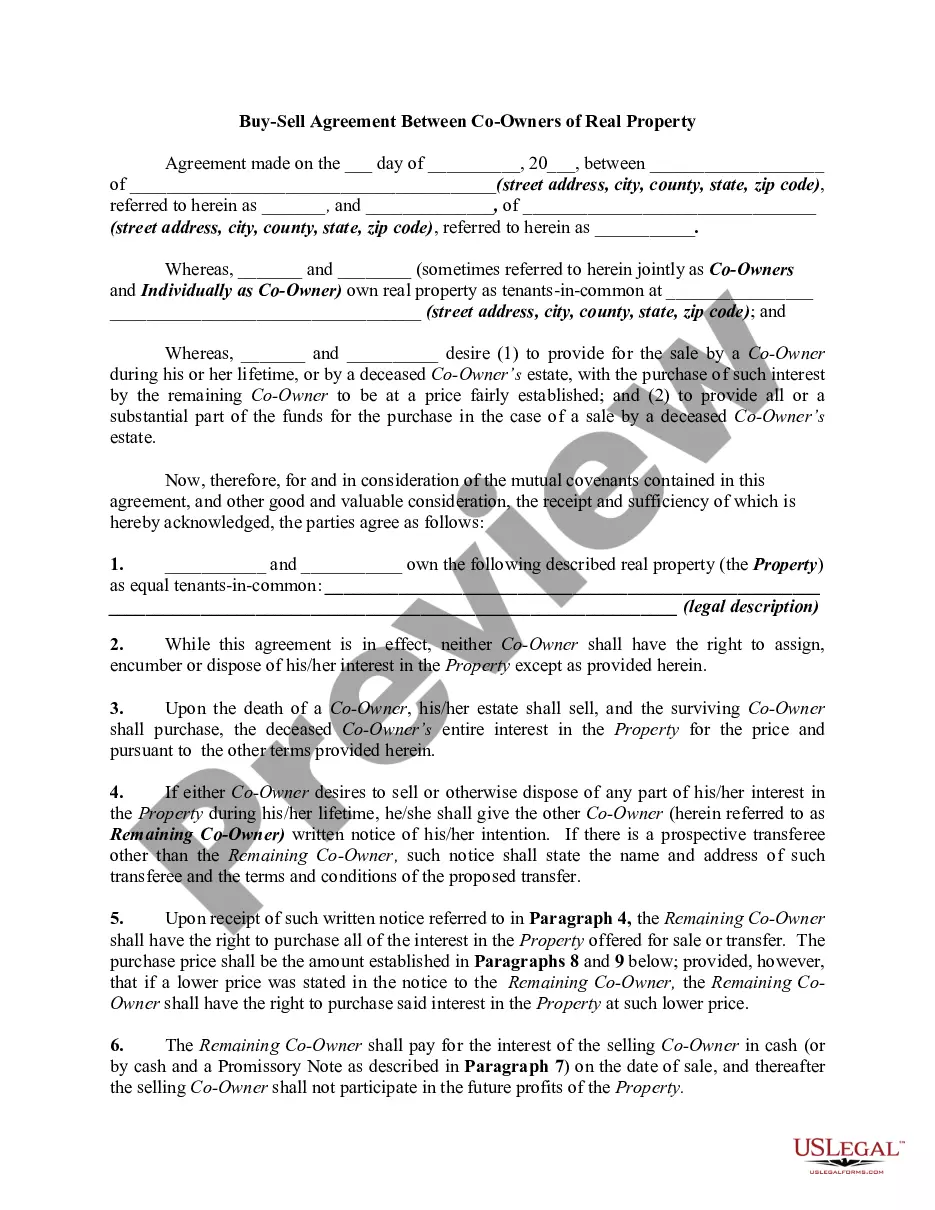
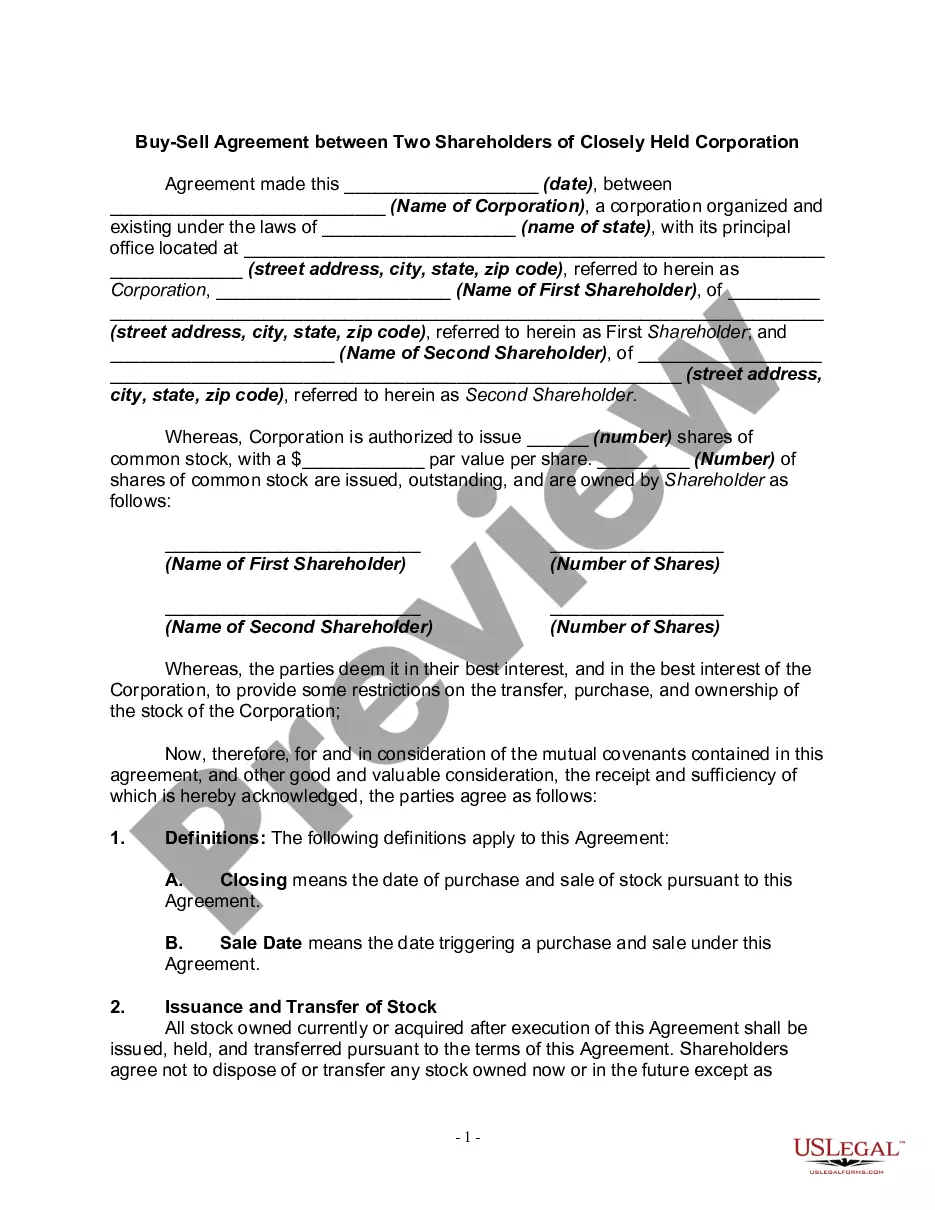
Get your form ready online
Our built-in tools help you complete, sign, share, and store your documents in one place.
Make edits, fill in missing information, and update formatting in US Legal Forms—just like you would in MS Word.
Download a copy, print it, send it by email, or mail it via USPS—whatever works best for your next step.
Sign and collect signatures with our SignNow integration. Send to multiple recipients, set reminders, and more. Go Premium to unlock E-Sign.
If this form requires notarization, complete it online through a secure video call—no need to meet a notary in person or wait for an appointment.
We protect your documents and personal data by following strict security and privacy standards.

Make edits, fill in missing information, and update formatting in US Legal Forms—just like you would in MS Word.

Download a copy, print it, send it by email, or mail it via USPS—whatever works best for your next step.

Sign and collect signatures with our SignNow integration. Send to multiple recipients, set reminders, and more. Go Premium to unlock E-Sign.

If this form requires notarization, complete it online through a secure video call—no need to meet a notary in person or wait for an appointment.

We protect your documents and personal data by following strict security and privacy standards.
Looking for another form?






Form popularity
FAQ
In California, you are not required to file any paperwork with the State or elsewhere to create a general partnership (although you can choose to do so). If you do business under a trade name, then you must file a fictitious business name statement in the county where your principal place of business is located.
General Partnership (GP) A California GP must have two or more persons engaged in a business for profit. Except as otherwise provided by law, all partners are liable jointly and severally for all obligations of the partnership unless agreed by the claimant. Profits are taxed as personal income for the partners.
A business partnership agreement establishes rules for two or more parties going into business together. It's a legally binding document that outlines every detail of your business operations, ownership stakes, financials, responsibilities, and decision-making strategies.
Partnerships are required to file an annual California Partnership Return (Form 565) and provide each partner with a Schedule K-1 (Form 568) by the tax filing deadline. Individual partners report their share of the partnership's income on their personal tax returns (Form 540).
It may not be mandatory to create and sign a partnership agreement, but it is a good idea that you do so. A partnership agreement can ensure there are no disagreements between partners. A well-written agreement can help you and your partners know how to handle certain issues.
There are two key disadvantages to forming a GP: Partners face potentially unlimited liability. Due to the lack of corporate structure, a general partnership does not establish itself as a business entity separate from the partners. Partners are liable for each other's actions.
How do I create a Partnership Agreement? Provide partnership details. Start by specifying the industry you're in and what type of business you'll run. Detail the capital contributions of each partner. Outline management responsibilities. Prepare for accounting. Add final details.
Steps to Forming a Limited Partnership 1) Name your LP. 2) Designate a registered agent. 3) Prepare and file your Certificate of Limited Partnership. 4) Draft a partnership agreement. 5) Obtain an EIN. 6) Set up the LP's financial infrastructure. 7) Acquire licenses and permits. 8) Obtain business insurance.
Some elements to consider in your limited partnership agreement include but aren't limited to: Business name and purpose. Reason for establishing the limited partnership. Voting rights and decision-making processes. Ownership shares. Partners' capital contributions. Dissolution guidelines.
