Selling Partnership Interest With Negative Capital Account In Alameda
Description

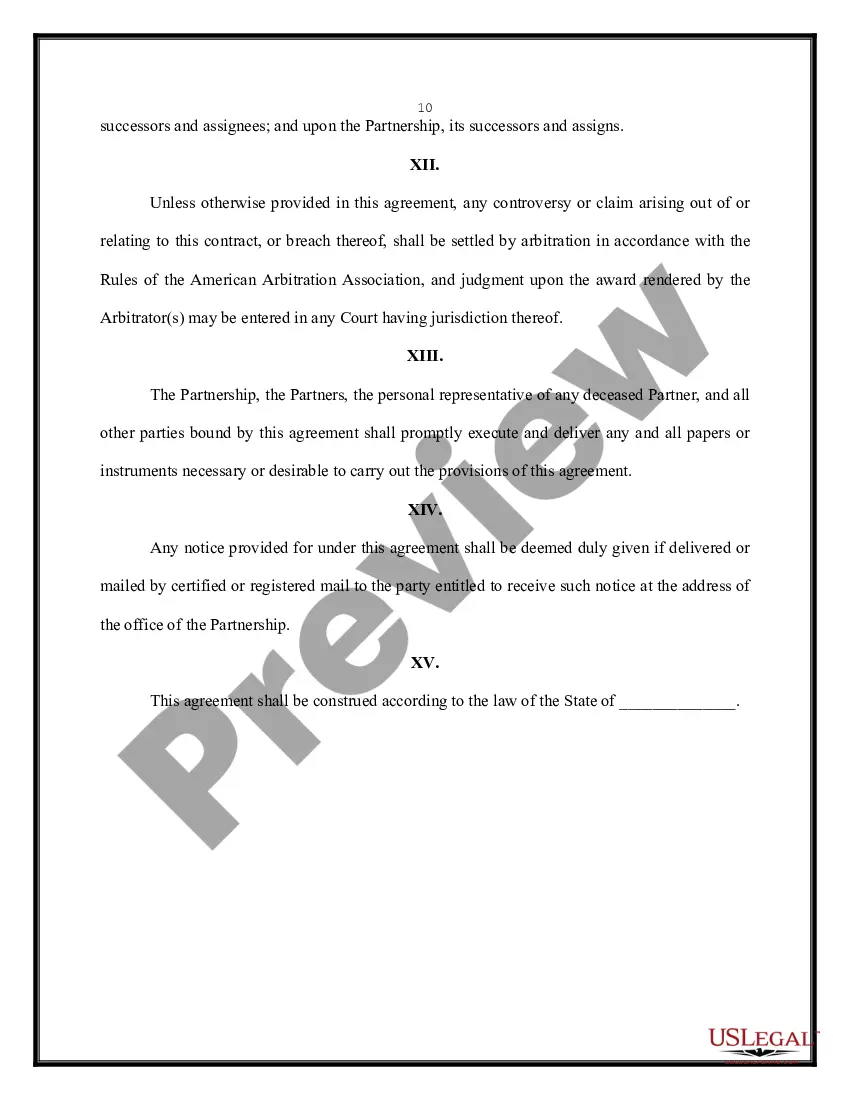


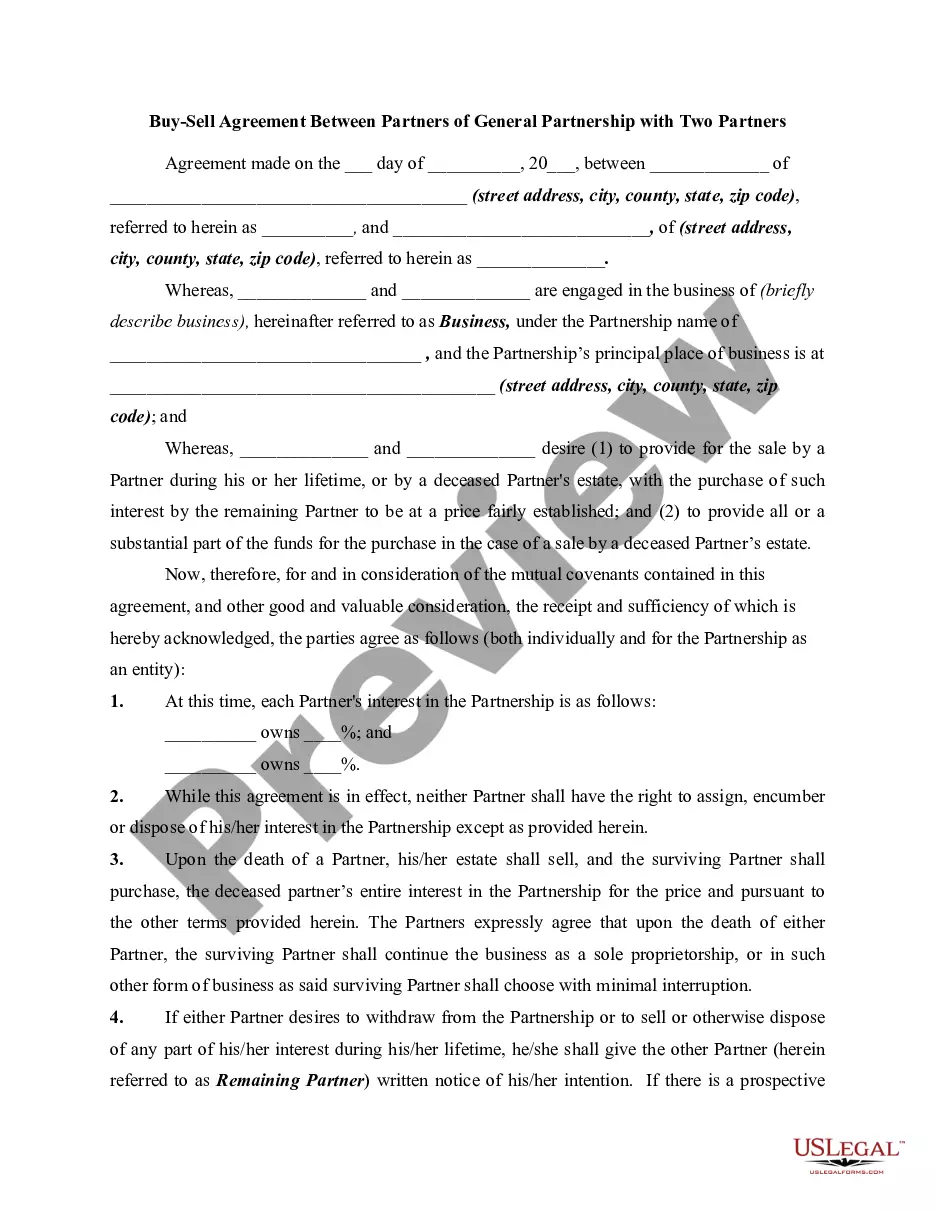
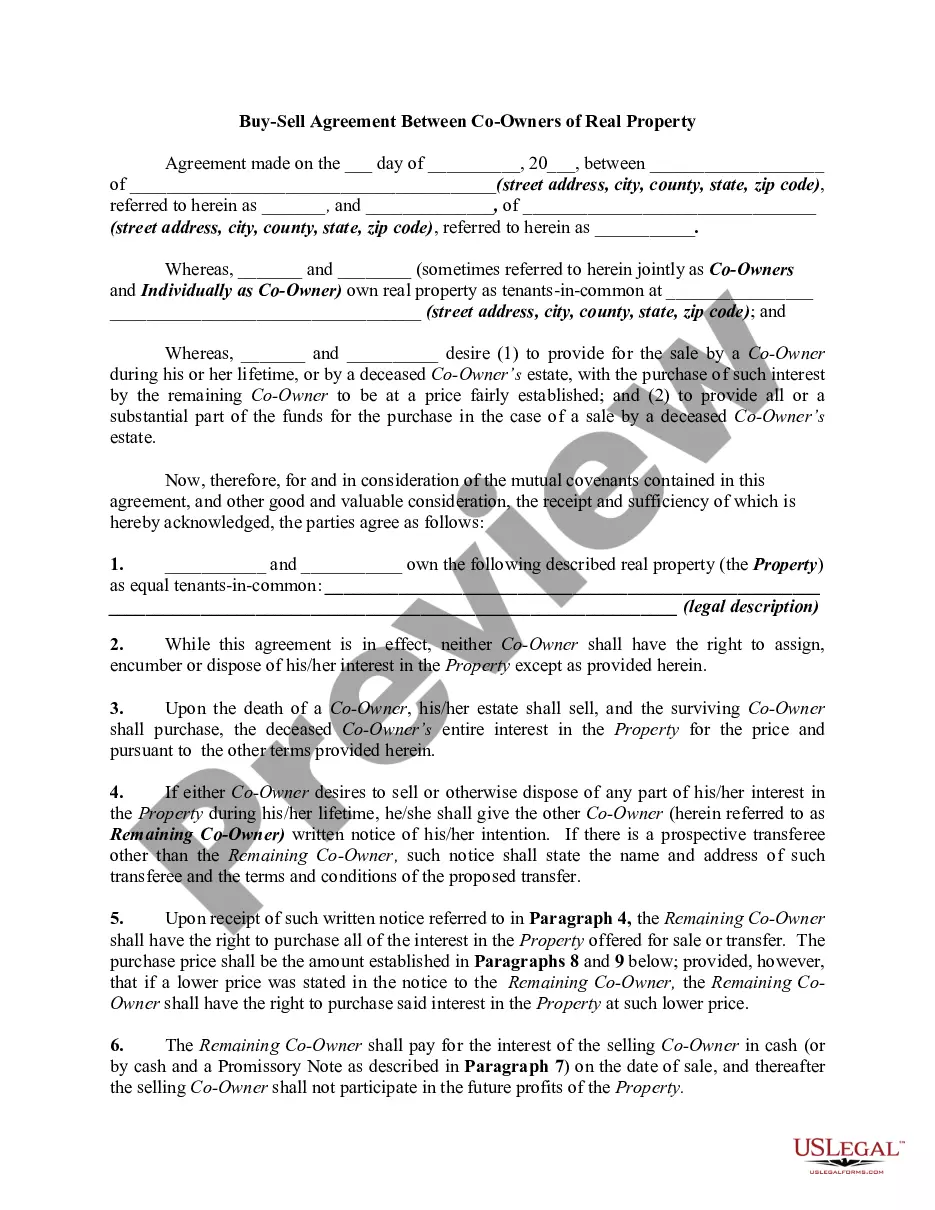
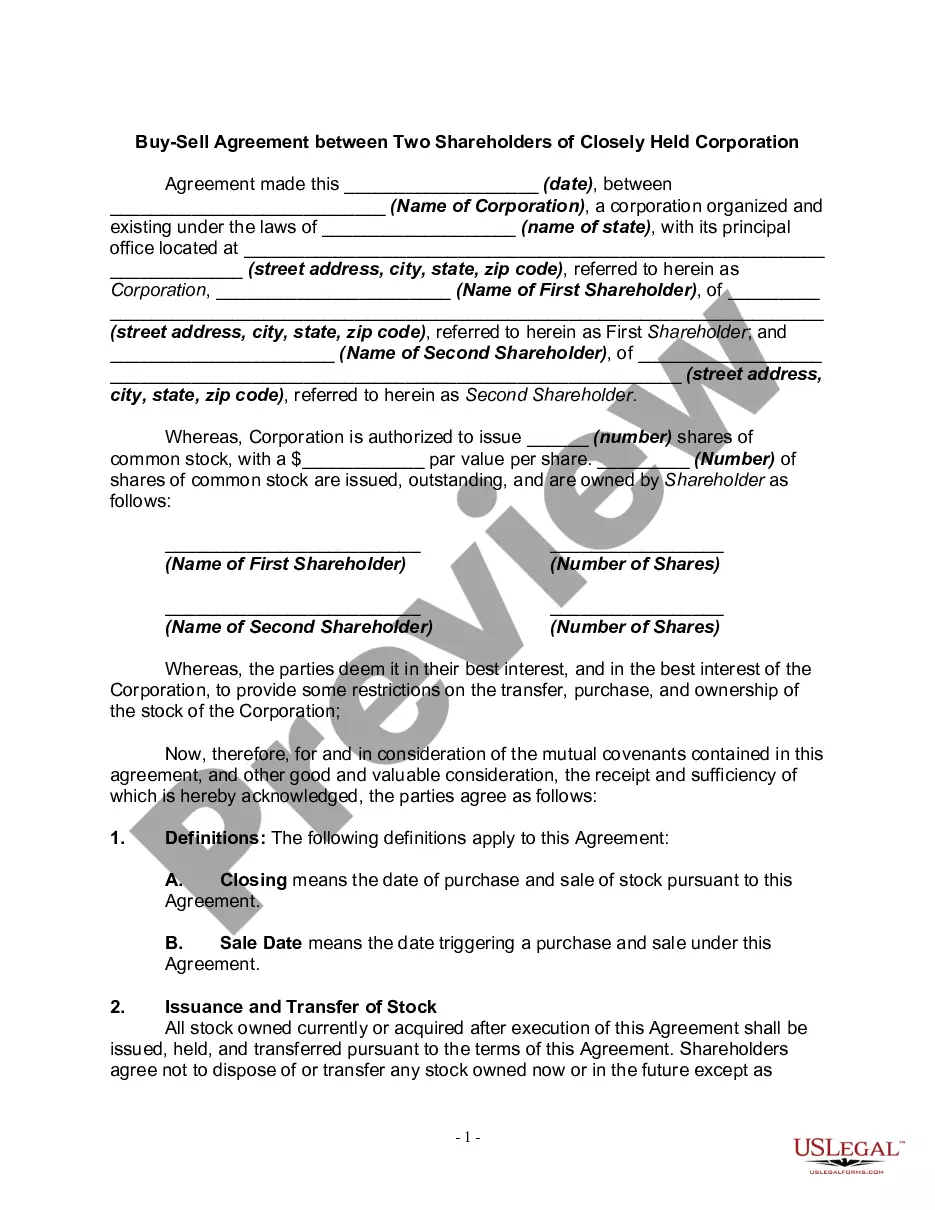
Get your form ready online
Our built-in tools help you complete, sign, share, and store your documents in one place.
Make edits, fill in missing information, and update formatting in US Legal Forms—just like you would in MS Word.
Download a copy, print it, send it by email, or mail it via USPS—whatever works best for your next step.
Sign and collect signatures with our SignNow integration. Send to multiple recipients, set reminders, and more. Go Premium to unlock E-Sign.
If this form requires notarization, complete it online through a secure video call—no need to meet a notary in person or wait for an appointment.
We protect your documents and personal data by following strict security and privacy standards.

Make edits, fill in missing information, and update formatting in US Legal Forms—just like you would in MS Word.

Download a copy, print it, send it by email, or mail it via USPS—whatever works best for your next step.

Sign and collect signatures with our SignNow integration. Send to multiple recipients, set reminders, and more. Go Premium to unlock E-Sign.

If this form requires notarization, complete it online through a secure video call—no need to meet a notary in person or wait for an appointment.

We protect your documents and personal data by following strict security and privacy standards.
Looking for another form?

Form popularity
FAQ
What is the preferred method of resolving a partner's deficit balance, ing to the Uniform Partnership Act? The partner with a deficit balance must contribute personal assets to cover the deficit balance.
If any members of a partnership have a negative capital account, that partner is legally obligated to restore their deficit, also known as a DRO (deficit restoration obligation).
When the partner leaves the business, then their capital account is transferred to a liability account and that liability (capital contribution + any lending funds + unpaid distribution) is still payable from the business funds, because that is what the business owes the partner.
The partner with a deficit contributes enough assets to offset the deficit balance. The deficit balance is removed from the accounting records with only the remaining partners sharing in future gains and losses. The other partners file a legal suit against the partner with the deficit balance.
Interest on partner's capital is allowed maximum at a maximum rate of 12% p.a simple interest. It should be related to the period of the partnership deed. If the partnership deed is renewed, then such renewed provisions will be considered for that period.
If a partnership holds IRC 751(a) property at the time of the sale, the partner recognizes gain or loss from its share of IRC 751(a) assets. The ordinary gain or loss is subtracted from the total gain or loss. The result is the partner's capital gain or loss from the sale.
How to zero out partner capital accounts in a final year Go into the Input Return tab. From the left of the screen, select Balance Sheet, M-1, M-2 and choose Sch M-2 (Capital Account). Scroll down to the Distributions section. In the field Other decreases (-) (Ctrl+E), enter the appropriate amount.
The best way to sell your limited partnership interest may lie in finding an experienced broker or advisor who can help you to identify potential buyers and guide you through any negotiations that may arise.
Losses suspended under the at-risk rules may become deductible in a year in which a partner does not have tax basis in his partnership interest. The deduction of the suspended losses in a subsequent year reduces the amount the taxpayer is at risk (Sec. 465(b)(5)).
