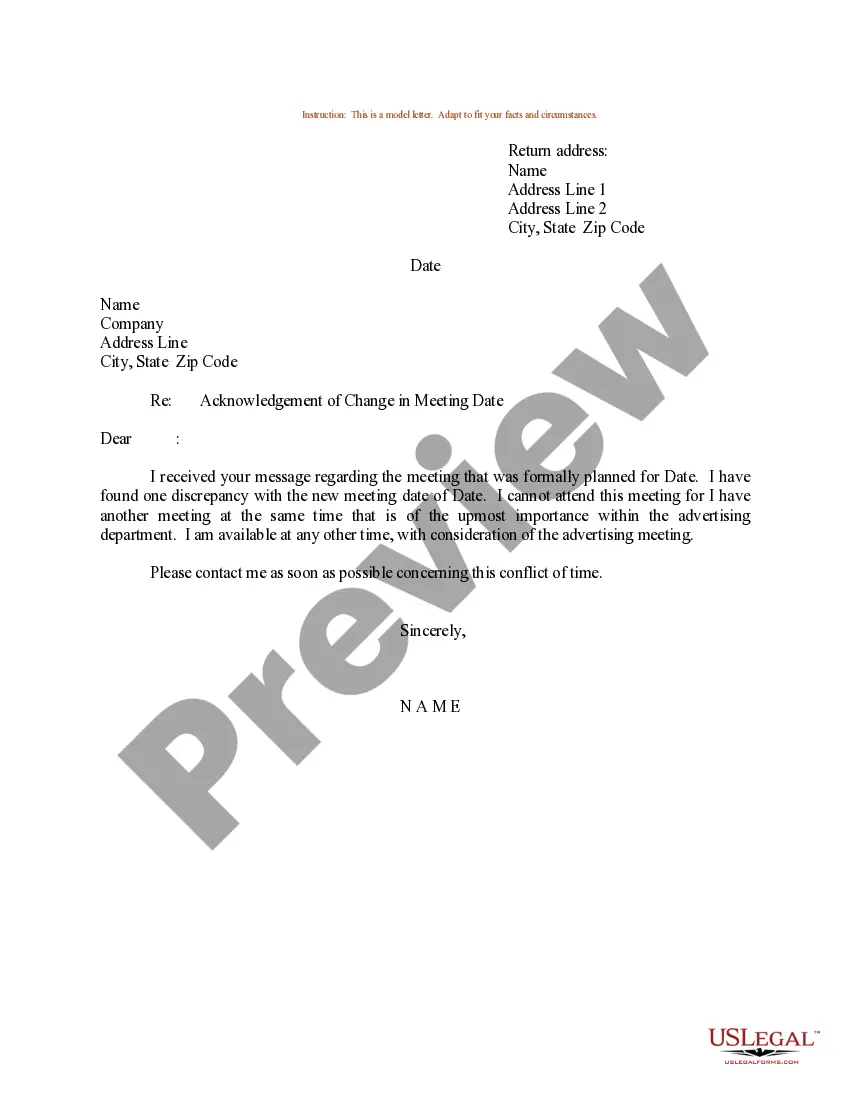
Contingency Contract In Real Estate In Florida
Description







Get your form ready online
Our built-in tools help you complete, sign, share, and store your documents in one place.
Make edits, fill in missing information, and update formatting in US Legal Forms—just like you would in MS Word.
Download a copy, print it, send it by email, or mail it via USPS—whatever works best for your next step.
Sign and collect signatures with our SignNow integration. Send to multiple recipients, set reminders, and more. Go Premium to unlock E-Sign.
If this form requires notarization, complete it online through a secure video call—no need to meet a notary in person or wait for an appointment.
We protect your documents and personal data by following strict security and privacy standards.

Make edits, fill in missing information, and update formatting in US Legal Forms—just like you would in MS Word.

Download a copy, print it, send it by email, or mail it via USPS—whatever works best for your next step.

Sign and collect signatures with our SignNow integration. Send to multiple recipients, set reminders, and more. Go Premium to unlock E-Sign.

If this form requires notarization, complete it online through a secure video call—no need to meet a notary in person or wait for an appointment.

We protect your documents and personal data by following strict security and privacy standards.
Looking for another form?






Form popularity
FAQ
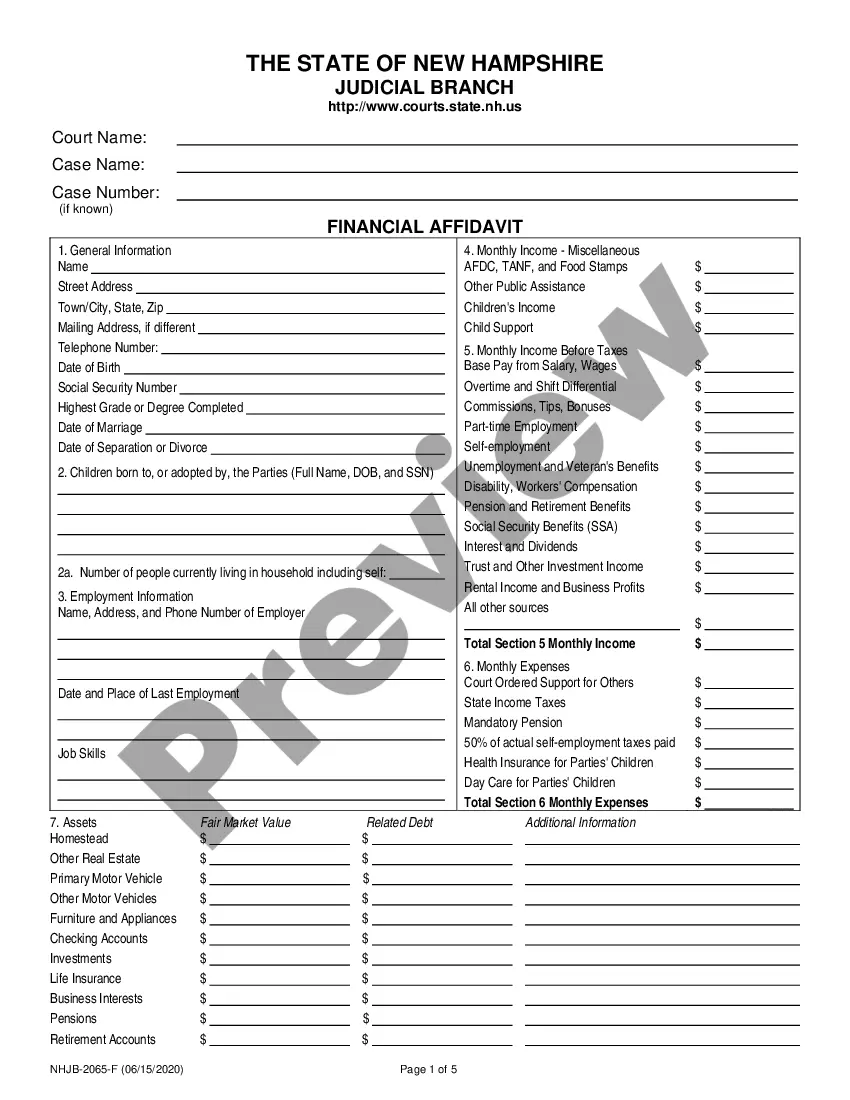
Most real estate contracts include contingencies — conditions that must be met for the agreement to move forward. If the seller included their own contingencies, such as a clause stating the sale is contingent upon their ability to find a new home, they can back out if those conditions are not met.
A conditional contract means conditions apply to the sale. You may have leeway to back out if certain conditions of the contract aren't met. For instance, if you sign a conditional contract that states the property must pass a building and pest inspection to the buyer's satisfaction, the condition must be honoured.
A property listed as contingent means the seller has accepted an offer, but they've chosen to keep the listing active in case certain contingencies, or conditions, aren't met by the prospective buyer. Sellers might continue to show the home and accept backup offers while a sale is pending on contingencies.
The most common reasons sellers cancel a contract The two main avenues sellers use to cancel a contract legally are: For reasons spelled out in the contract. The seller can back out for reasons written into the contract, including (but not limited to) contingencies.
A contingency clause is a contract provision that requires a specific event or action to take place in order for the contract to be considered valid. If the party that's required to satisfy the contingency clause is unable to do so, the other party is released from its obligations.
A home inspection contingency is often the most common real estate contingency. The National Association of Realtors® estimates that about 80% of buyers include a home inspection contingency in their contract.
The most common contingency is the home inspection contingency. This condition on an offer states the home sale will only be finalized if the property passes a professional home inspection. In other words, buyers can walk away from a home sale if the home inspection turns up serious problems.
The short answer is, it all depends. Generally, there are some situations when you may back out of a real estate contract in Florida, providing certain conditions are met. If you find yourself in that predicament your best bet is to have your Fla real estate lawyer help you navigate the complex process.
The biggest reason to make your offer contingent on a professional home inspection is because it can help you avoid purchasing a home with hidden, expensive, and dangerous problems. An experienced Milwaukee home inspector knows what to look for and can uncover issues that may not be obvious to the untrained eye.
Usually it's the buyer (not the seller) that backs out after an inspection is not satisfactory. The only reason a seller might back out is because the inspection turned up so much to fix that they aren't wiling to make the fixes that the buyer is wanting at the terms in the offer contract.