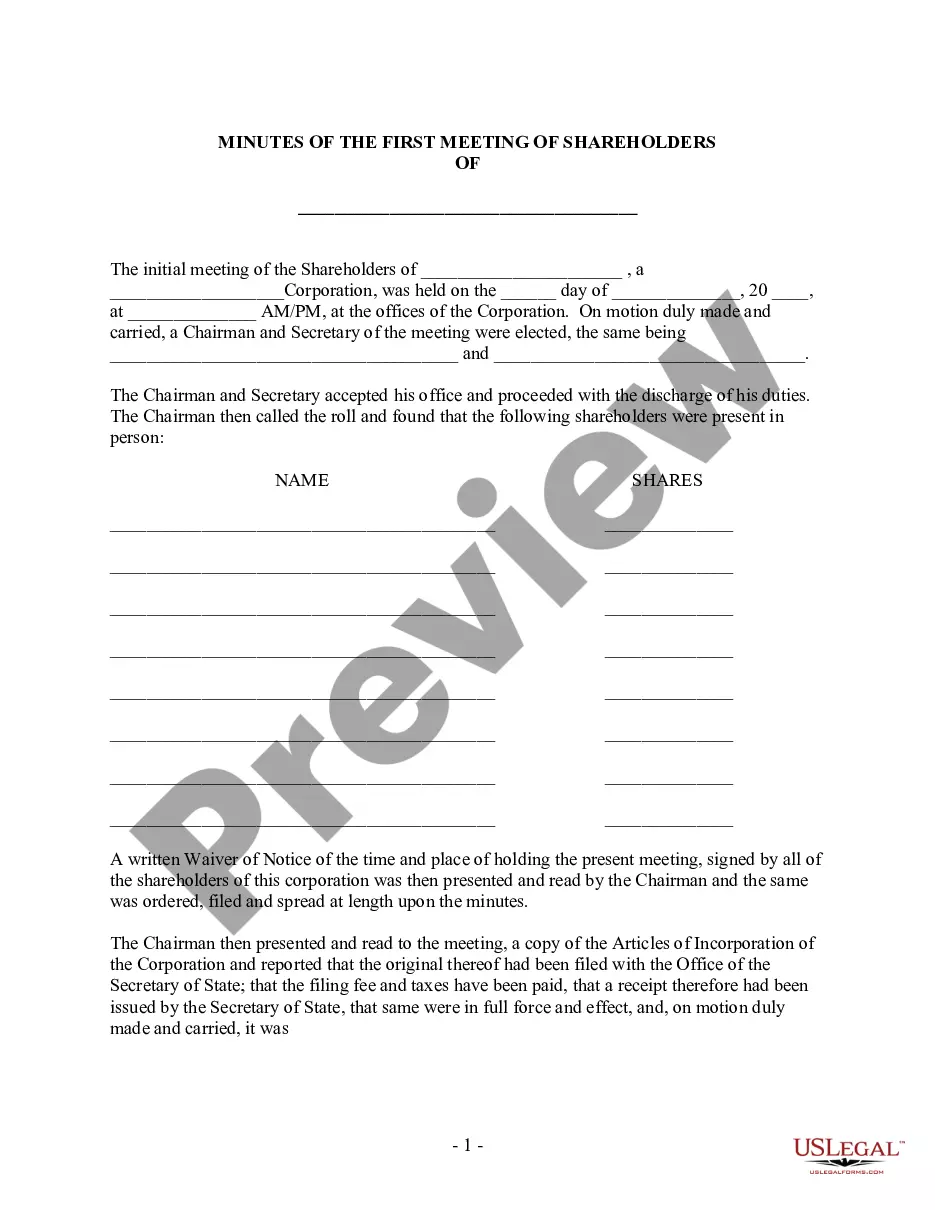
Compra Venta Contrato With English In Utah
Description


Get your form ready online
Our built-in tools help you complete, sign, share, and store your documents in one place.
Make edits, fill in missing information, and update formatting in US Legal Forms—just like you would in MS Word.
Download a copy, print it, send it by email, or mail it via USPS—whatever works best for your next step.
Sign and collect signatures with our SignNow integration. Send to multiple recipients, set reminders, and more. Go Premium to unlock E-Sign.
If this form requires notarization, complete it online through a secure video call—no need to meet a notary in person or wait for an appointment.
We protect your documents and personal data by following strict security and privacy standards.

Make edits, fill in missing information, and update formatting in US Legal Forms—just like you would in MS Word.

Download a copy, print it, send it by email, or mail it via USPS—whatever works best for your next step.

Sign and collect signatures with our SignNow integration. Send to multiple recipients, set reminders, and more. Go Premium to unlock E-Sign.

If this form requires notarization, complete it online through a secure video call—no need to meet a notary in person or wait for an appointment.

We protect your documents and personal data by following strict security and privacy standards.
Looking for another form?






Form popularity
FAQ
Transferring a car title usually requires the vehicle title itself and a title application, the parties' addresses, signatures from the previous and new owners, and details on the vehicle and its value. These documents look different from state to state, but the information they require is generally the same.
Selling a vehicle for $1 instead of gifting it could result in your recipient paying sales tax based on the car's fair market value — it's better to stick with the official gifting process.
Gifting a car to a family member is a thoughtful gesture, but it's essential to follow the necessary steps to ensure a smooth and legally compliant transfer. Step 1 – Communicate with the Recipient. Step 2 – Utilize a Gifted Car Bill of Sale. Step 3 – Transfer the Car Title. Step 4 – Arrange for Insurance.
After filling out the bill of sale, it's essential to properly complete and sign the car's title. The recipient can then take the title to the Department of Motor Vehicles (DMV) to complete the transfer into their name.
The bill of sale can be handwritten or typed/printed, but it should be in ink, not pencil. If desired, you can use the TC-843, Bill of Sale provided by the DMV.
Can a bill of sale be handwritten? While it is common to present a bill of sale in a digital format, you can also create a handwritten bill of sale. What's most important is to include all of the pertinent details in the bill of sale in order to protect both parties.
To register and title in Utah for the first time, an Application to Register/Title must be completed and required documenta- tion provided. Required documentation may include a vehicle title, bill of sale, previous registration, emission inspection or safety certificate where required.
To transfer a vehicle title in Utah, you need the current title, a bill of sale, and a completed Application for Utah Title. Both the buyer and seller must provide identification, like a valid driver's license or state-issued ID, and proof of residency.
How Much Is the Utah Sales Tax on Cars? As listed by the Sales Tax Handbook, the state imposes a 6.85 percent sales tax rate on customers for purchasing a vehicle.