Boundary Lines In India In Virginia
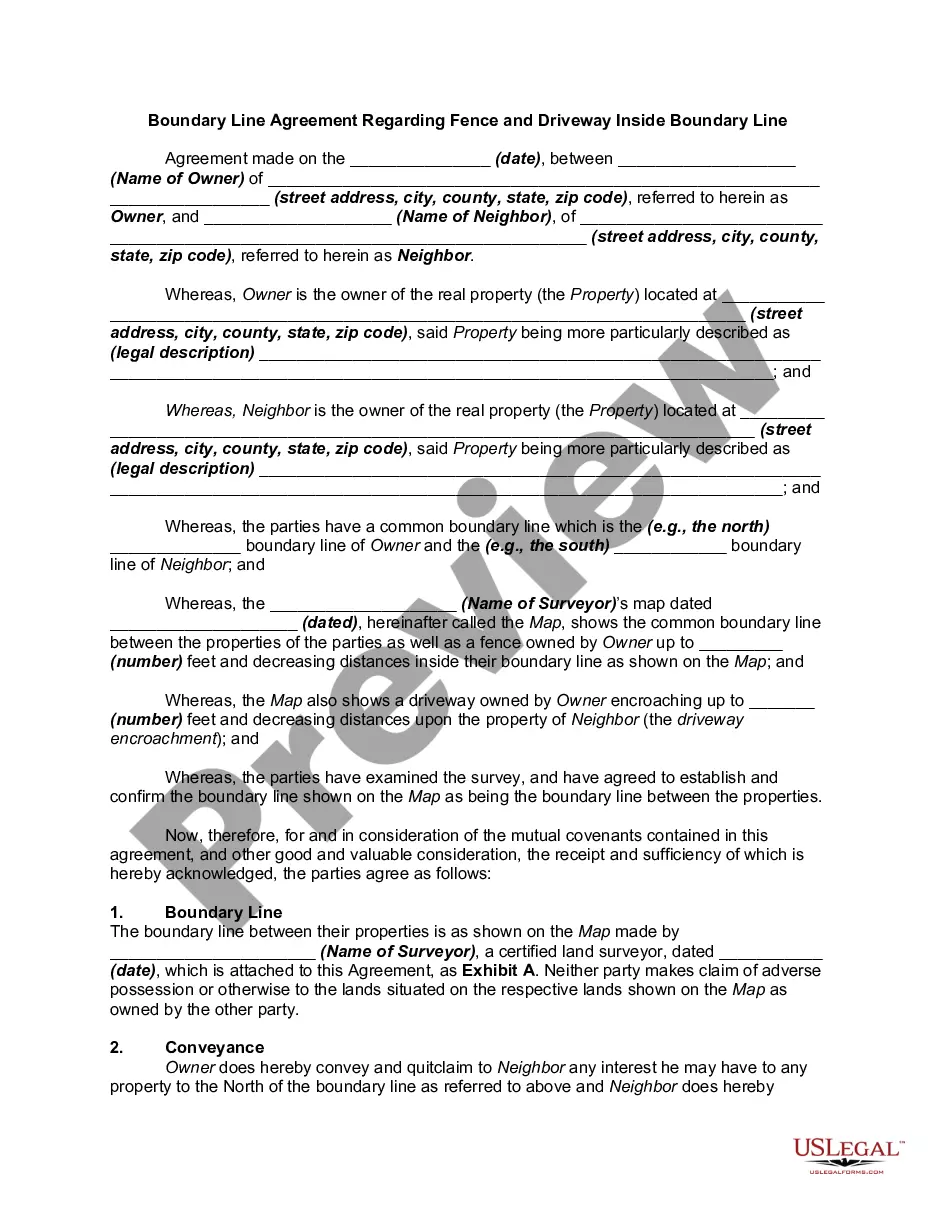
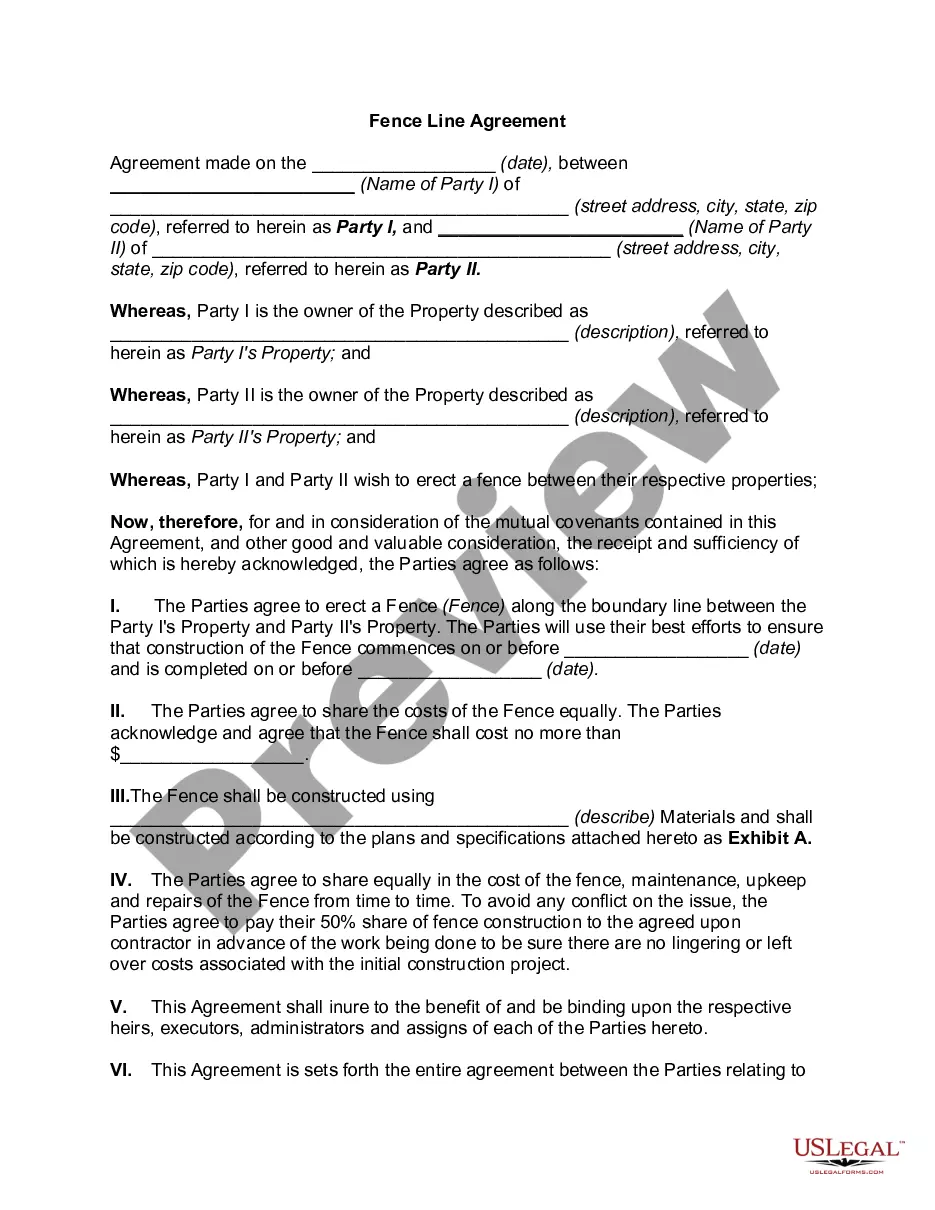
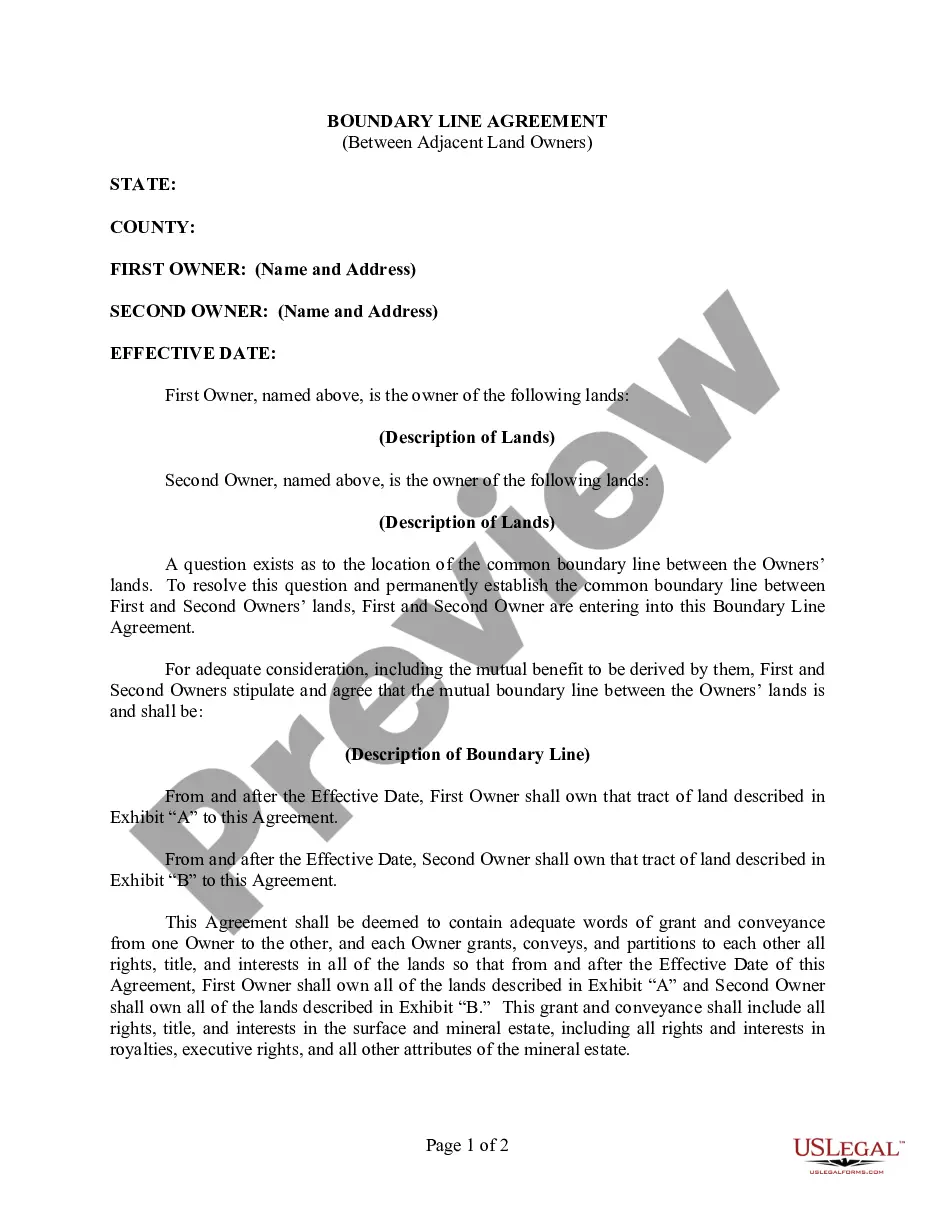
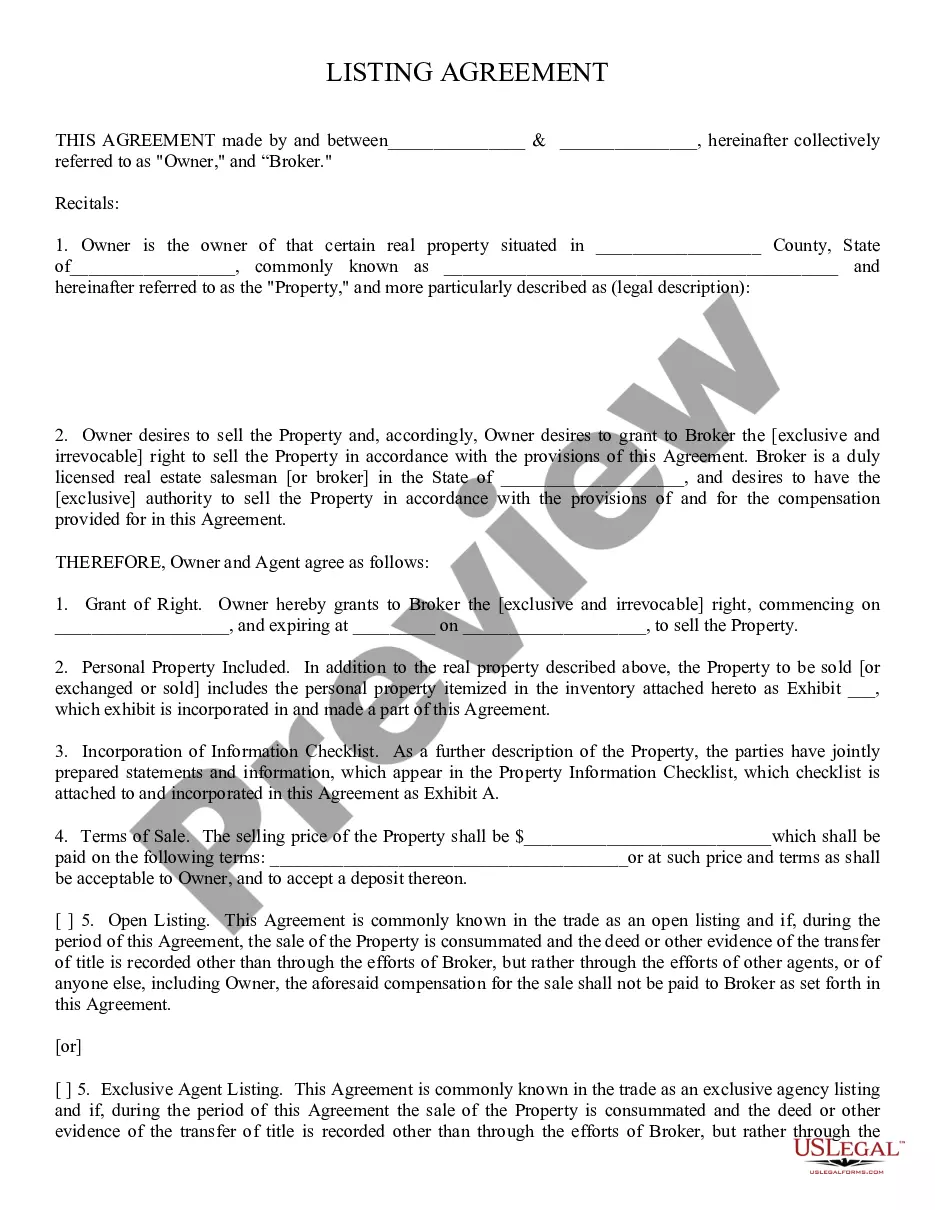
Description


Get your form ready online
Our built-in tools help you complete, sign, share, and store your documents in one place.
Make edits, fill in missing information, and update formatting in US Legal Forms—just like you would in MS Word.
Download a copy, print it, send it by email, or mail it via USPS—whatever works best for your next step.
Sign and collect signatures with our SignNow integration. Send to multiple recipients, set reminders, and more. Go Premium to unlock E-Sign.
If this form requires notarization, complete it online through a secure video call—no need to meet a notary in person or wait for an appointment.
We protect your documents and personal data by following strict security and privacy standards.

Make edits, fill in missing information, and update formatting in US Legal Forms—just like you would in MS Word.

Download a copy, print it, send it by email, or mail it via USPS—whatever works best for your next step.

Sign and collect signatures with our SignNow integration. Send to multiple recipients, set reminders, and more. Go Premium to unlock E-Sign.

If this form requires notarization, complete it online through a secure video call—no need to meet a notary in person or wait for an appointment.

We protect your documents and personal data by following strict security and privacy standards.
Looking for another form?
Form popularity
FAQ
Under Virginia adverse possession laws, a person may acquire title after inhabiting a property for 15 years.
§ 55.1-2821. Adjoining landowners shall build and maintain, at their joint and equal expense, division fences between their lands, unless one of them chooses to let his land lie open or unless they agree otherwise. Code 1950, § 8-887; 1970, c. 713; 1977, c. 624, § 55-317; 2005, c.
Virginia Boundary Fence Statute Virginia Code § 55.1-2821 states that adjoining landowners “shall build and maintain division fences between their lands, equally splitting the costs, unless one of them decided to let his land lie open or agree otherwise.”
Virginia is bounded on the north by Maryland and the District of Columbia, on the west by West Virginia, on the southwest by Kentucky, and on the south by Tennessee and North Carolina. The Atlantic Ocean, rivers, mountains, and a parallel of latitude form its boundaries.
Virginia is bounded on the north by Maryland and the District of Columbia, on the west by West Virginia, on the southwest by Kentucky, and on the south by Tennessee and North Carolina. The Atlantic Ocean, rivers, mountains, and a parallel of latitude form its boundaries.
To determine a particular tribe's criteria, one must contact that tribe directly. For its own purposes, the Bureau of the Census counts anyone an Indian who declares to be such. By recent counts, there are more than 2.9 million Native Americans, including Native Alaskans and Native Hawaiians.
§ 15.2-3106. Whenever any two or more localities wish to relocate or change the boundary line between them, the governing bodies of such localities may, by agreement, establish, relocate or change such boundary line between them.
