Boundary Lines For Soccer In Hennepin
Description


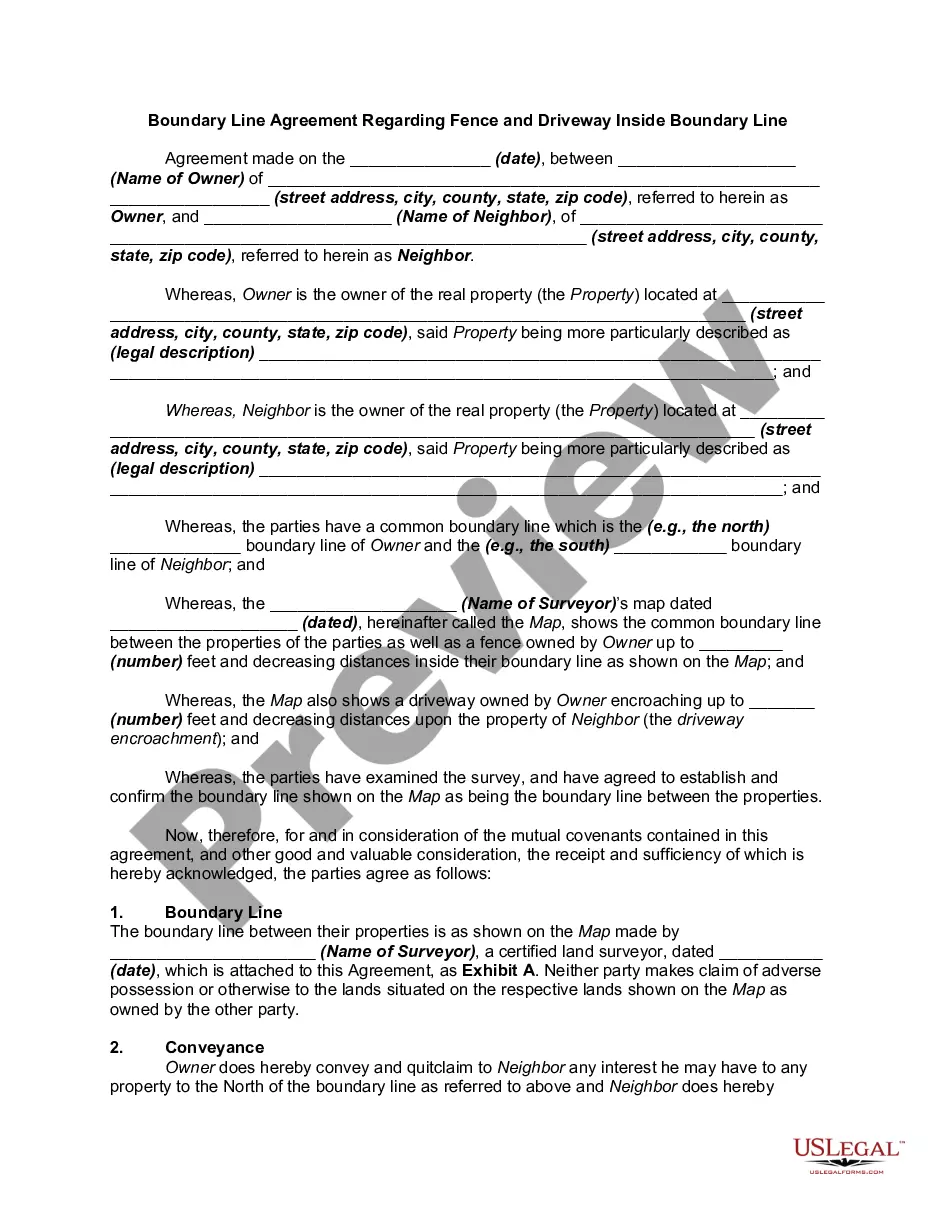
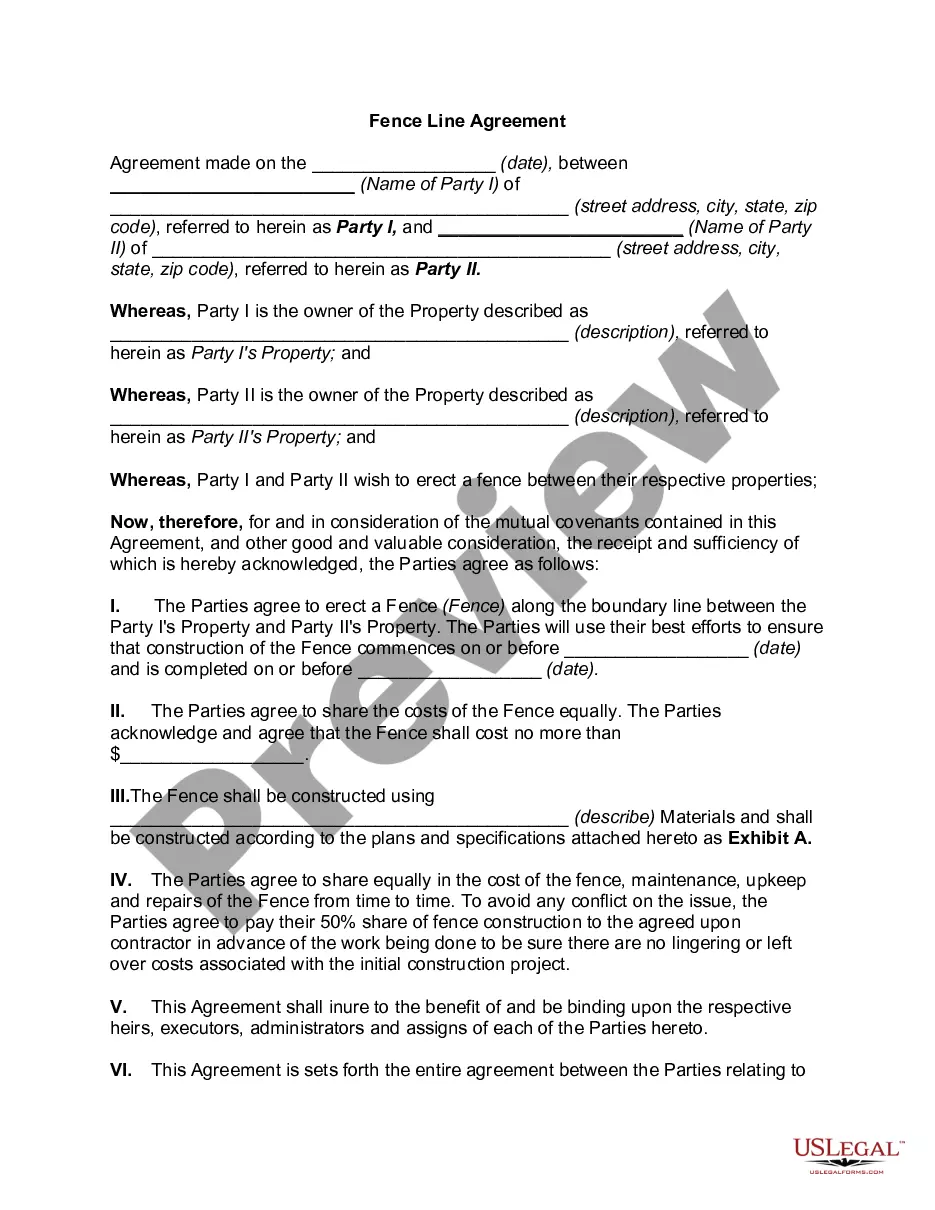
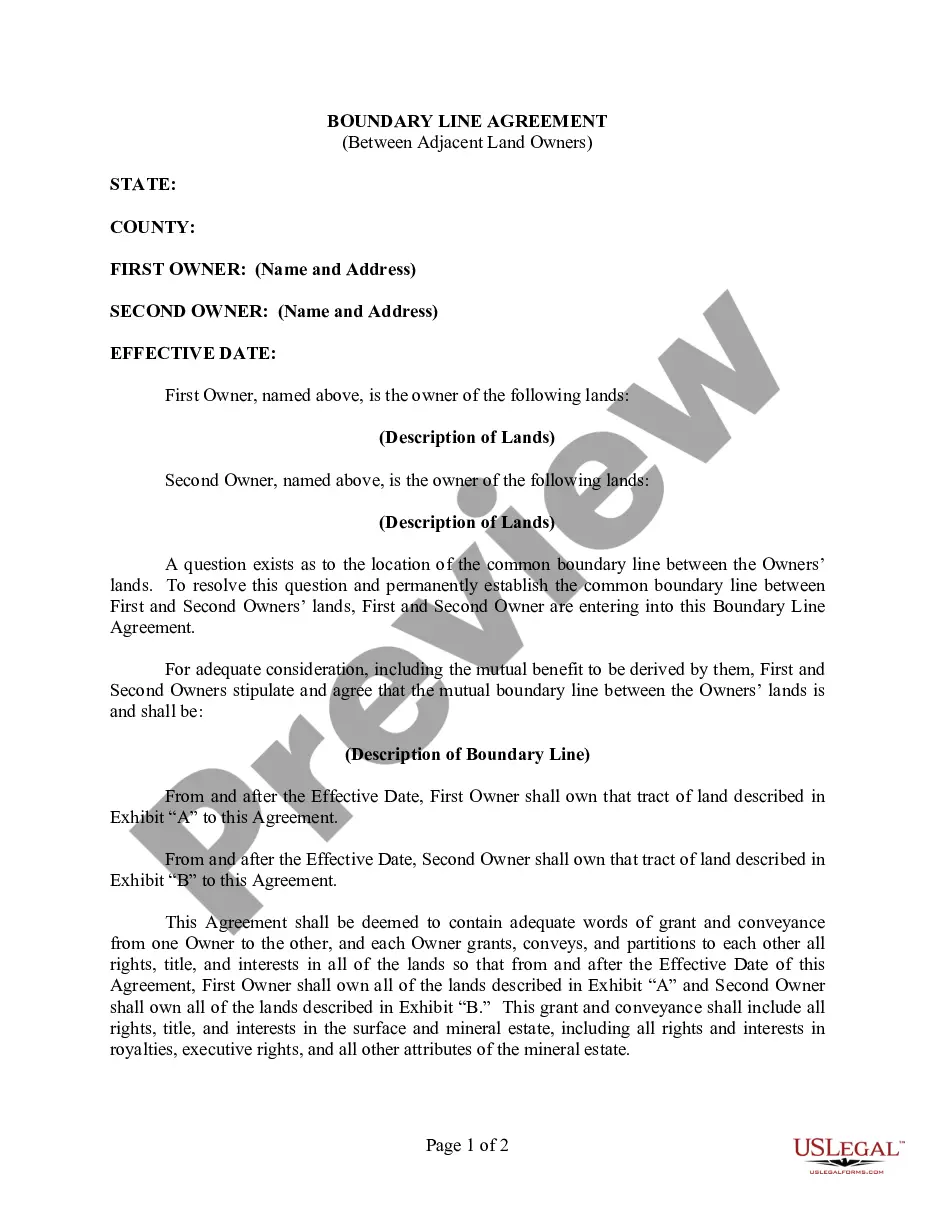
Get your form ready online
Our built-in tools help you complete, sign, share, and store your documents in one place.
Make edits, fill in missing information, and update formatting in US Legal Forms—just like you would in MS Word.
Download a copy, print it, send it by email, or mail it via USPS—whatever works best for your next step.
Sign and collect signatures with our SignNow integration. Send to multiple recipients, set reminders, and more. Go Premium to unlock E-Sign.
If this form requires notarization, complete it online through a secure video call—no need to meet a notary in person or wait for an appointment.
We protect your documents and personal data by following strict security and privacy standards.

Make edits, fill in missing information, and update formatting in US Legal Forms—just like you would in MS Word.

Download a copy, print it, send it by email, or mail it via USPS—whatever works best for your next step.

Sign and collect signatures with our SignNow integration. Send to multiple recipients, set reminders, and more. Go Premium to unlock E-Sign.

If this form requires notarization, complete it online through a secure video call—no need to meet a notary in person or wait for an appointment.

We protect your documents and personal data by following strict security and privacy standards.
Looking for another form?






Form popularity
FAQ
On a rectangular field, the long edges are referred to as touchlines, and any time that the ball is kicked, headed or rolls across these lines, a player on the team that did not touch the ball last will throw the ball in to put it back in play. The short edges of the rectangle are called the goal lines.
A byline, is the name of the journalist by whom the article was written, hence the first two letters of the word.
In contrast the term byline (or by-line) is often used to refer to that portion of the goal line outside the goalposts. This term is commonly used in football commentaries and match descriptions.
Pitch boundary The two goal lines are between 50 and 100 yards (46 and 91 metres) wide and have to be of the same length. The two touchlines are between 100 and 130 yards (91 and 119 metres) long and have to be of the same length. All lines on the ground are equally wide, not to exceed 12 centimetres (5 inches).
The two longer lines are touch lines, the two shorter lines are goal lines. The touch line is longer than the goal line. The pitch is divided in half by a halfway line, which joins the midpoints of the two touch lines.
Bylines, the portion of goal line outside the goalposts in a football pitch.
Bylines are commonly placed between the headline and the text of the article, although some magazines (notably Reader's Digest) place bylines at the bottom of the page to leave more room for graphical elements around the headline.
All lines are not less than 4 inches (10.16cm) in width nor more than 5 inches (12 cm) wide. The field of play is divided into two halves by a halfway line. The center mark is indicated at the midpoint of the halfway line. A circle with a radius of 10 yds (9.15m) is marked around it.
