Suing An Estate Executor For Dummies In New York
Description


Get your form ready online
Our built-in tools help you complete, sign, share, and store your documents in one place.
Make edits, fill in missing information, and update formatting in US Legal Forms—just like you would in MS Word.
Download a copy, print it, send it by email, or mail it via USPS—whatever works best for your next step.
Sign and collect signatures with our SignNow integration. Send to multiple recipients, set reminders, and more. Go Premium to unlock E-Sign.
If this form requires notarization, complete it online through a secure video call—no need to meet a notary in person or wait for an appointment.
We protect your documents and personal data by following strict security and privacy standards.

Make edits, fill in missing information, and update formatting in US Legal Forms—just like you would in MS Word.

Download a copy, print it, send it by email, or mail it via USPS—whatever works best for your next step.

Sign and collect signatures with our SignNow integration. Send to multiple recipients, set reminders, and more. Go Premium to unlock E-Sign.

If this form requires notarization, complete it online through a secure video call—no need to meet a notary in person or wait for an appointment.

We protect your documents and personal data by following strict security and privacy standards.
Looking for another form?
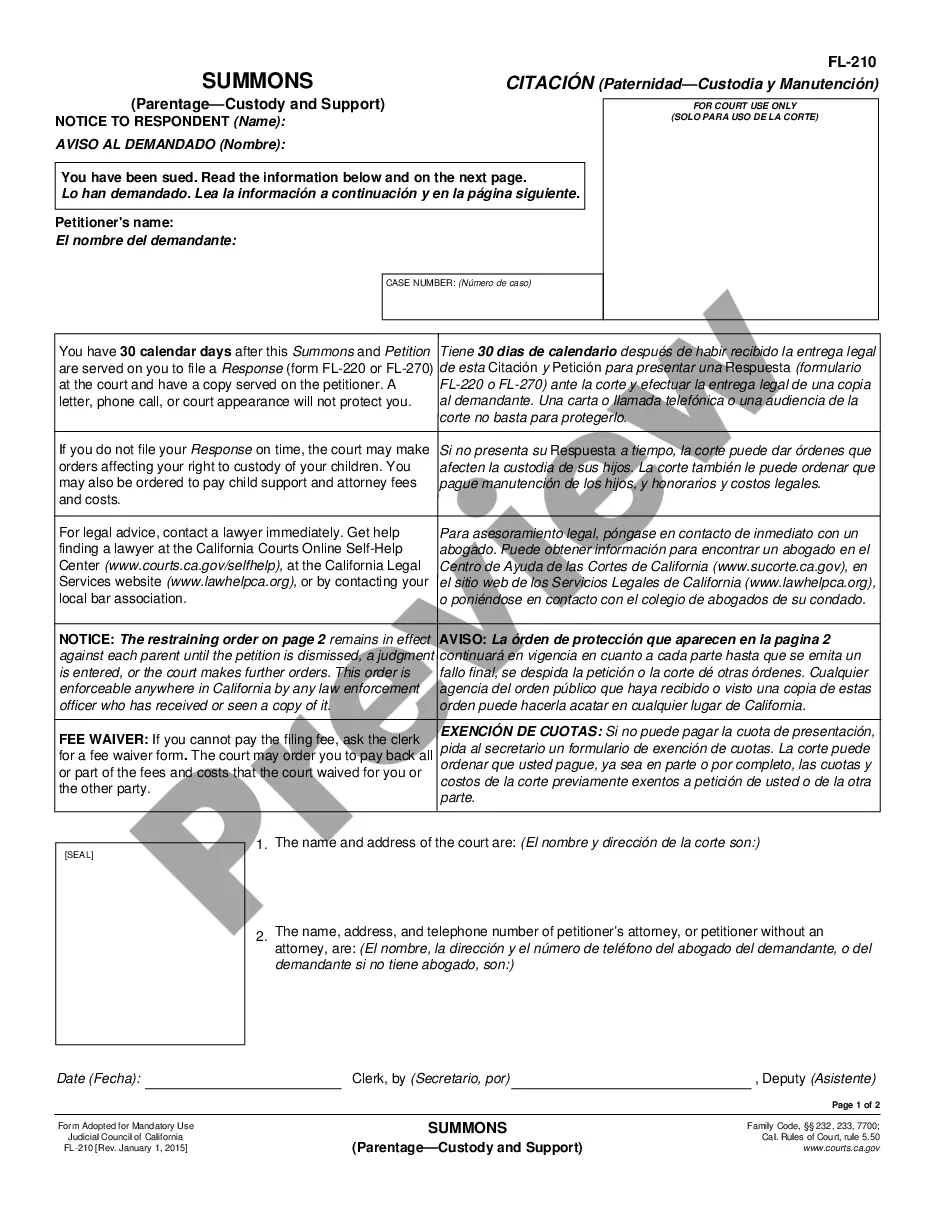


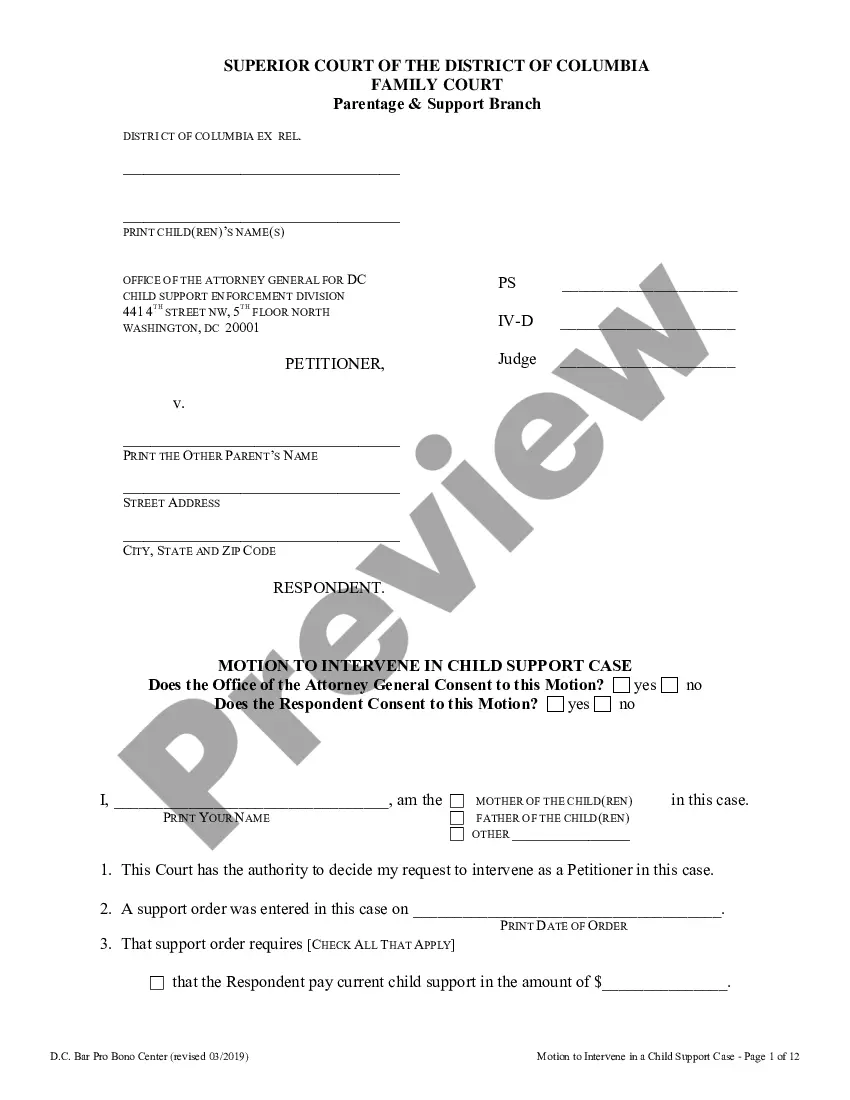
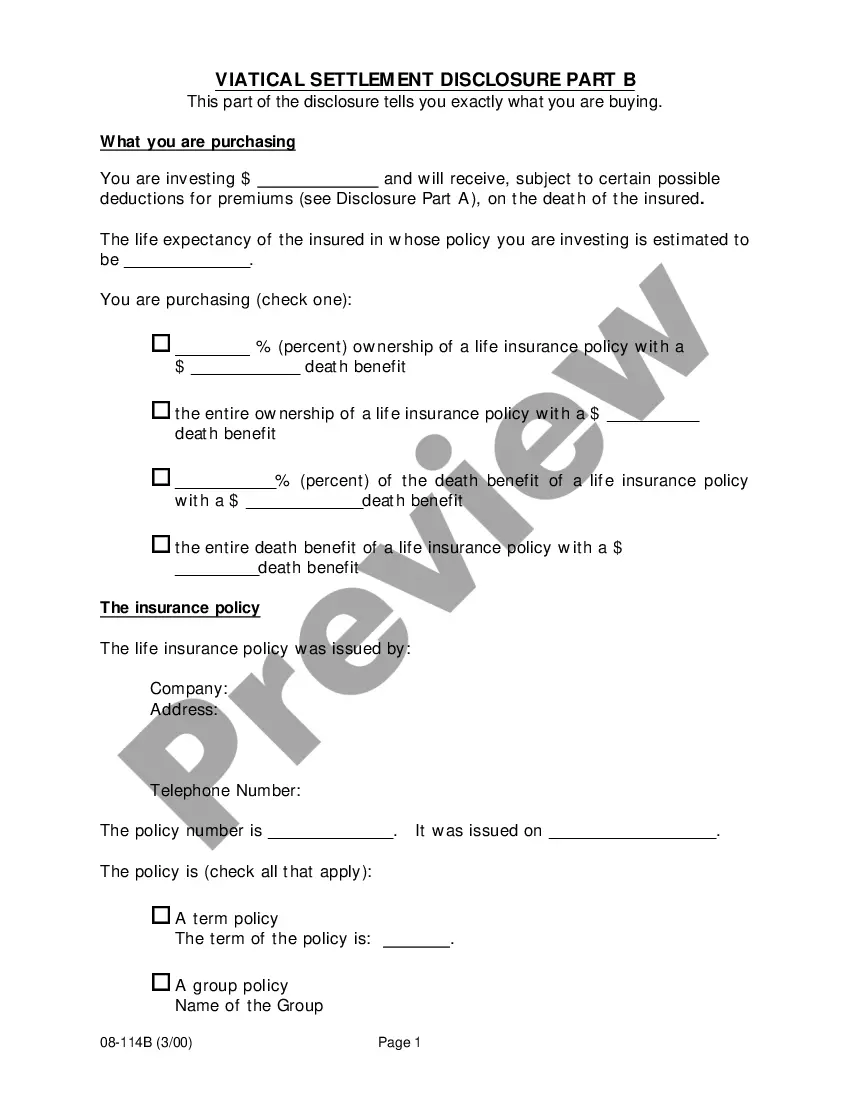




Form popularity
FAQ
A New York Estate is Not a Legal Entity and Cannot Be Sued. After the death of an individual, the usual course is to proceed to have a fiduciary appointed to represent the decedent's estate.
CLOSING THE ESTATE: FORM 207.42 must be prepared and executed by the fiduciary and the attorney and filed after 7 months or by the end of 2 years from the date of fiduciary appointment. RELEASES from all beneficiaries of the estate must be executed and filed at this time, if not already filed.
How Long to Settle an Estate in New York? The short answer: from 7 months to 3 years. Typically 9 months. Estate settlement (also known as estate administration) is the phase during which you, as the court-appointed executor, must collect the estate assets, organize and pays debts, and file all final taxes.
Generally speaking, the time limit for a person or family member to claim an inheritance in New York State is two years from the date of the decedent's death. There are exceptions the place the statute of boundaries might also be longer or shorter depending on the circumstances.
Understanding the Deceased Estate 3-Year Rule The core premise of the 3-year rule is that if the deceased's estate is not claimed or administered within three years of their death, the state or governing body may step in and take control of the distribution and management of the assets.
Many people are not aware of New York's relatively short statute of limitations when it comes to the administration. Administration of an estate. There is a 3-year time limit to settle an estate in NY. Though there are exceptions and stipulations that could extend the deadline.
In New York, the process of removing an executor starts with filing a petition with the court. The petition must explain the grounds for removal and provide supporting evidence. Typically the Petition is filed with a Citation.
How to Submit a Claim A copy of the death certificate. Proof of Address or Ownership connecting the owner to the address or funds. Letters of Authority (Testamentary/Administration) issued by the court certifying your appointment, dated within the last six months, or a Small Estates Affidavit and Table of Heirs.
These rules include split fees for estates valued under $100,000, equitable fees for estates valued between $100,000 and $300,000, and negotiated fees for estates valued at $300,000 or more. Are executor fees considered taxable income? Yes, executor fees are considered taxable income.
Yes, an executor can be a beneficiary under the same will so long as they were not also one of the two witnesses to the signing of the will. This is quite common especially where a spouse or civil partner are named as executor and are also the main or sole beneficiary.

