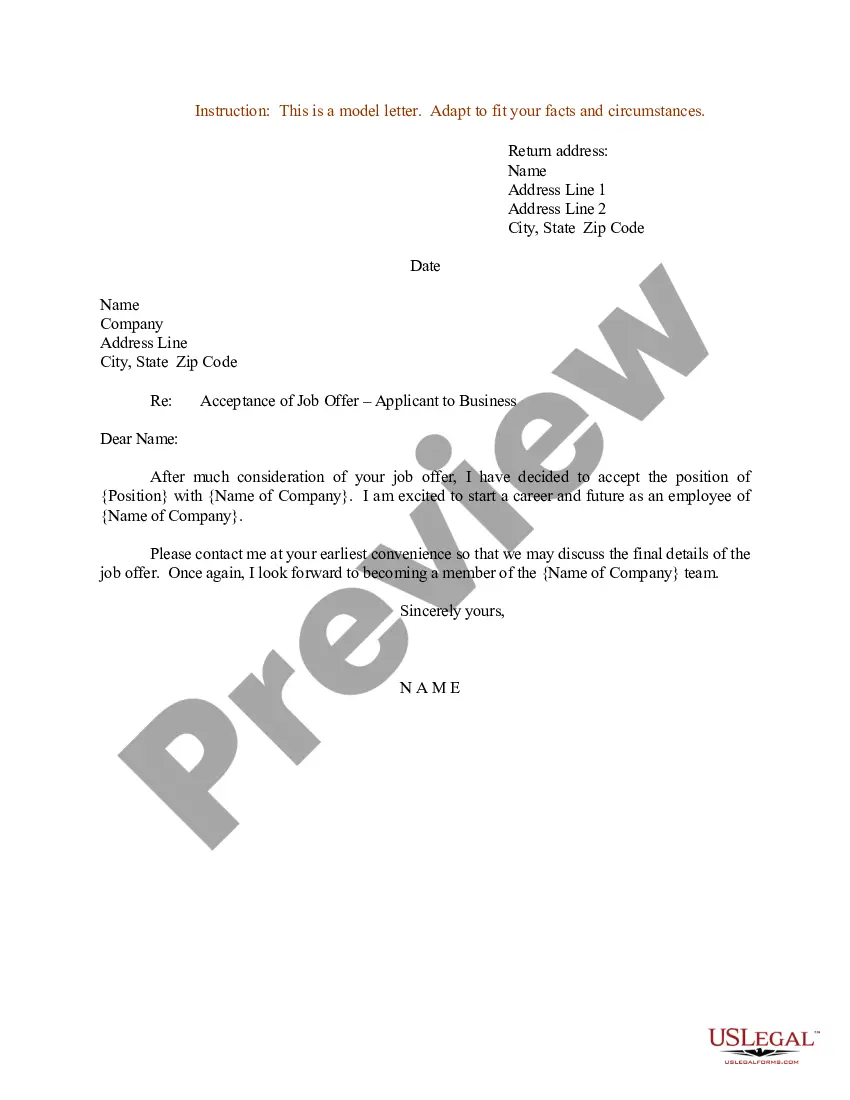
Claim Against Estate File With Probate Court In Chicago
Description


Get your form ready online
Our built-in tools help you complete, sign, share, and store your documents in one place.
Make edits, fill in missing information, and update formatting in US Legal Forms—just like you would in MS Word.
Download a copy, print it, send it by email, or mail it via USPS—whatever works best for your next step.
Sign and collect signatures with our SignNow integration. Send to multiple recipients, set reminders, and more. Go Premium to unlock E-Sign.
If this form requires notarization, complete it online through a secure video call—no need to meet a notary in person or wait for an appointment.
We protect your documents and personal data by following strict security and privacy standards.

Make edits, fill in missing information, and update formatting in US Legal Forms—just like you would in MS Word.

Download a copy, print it, send it by email, or mail it via USPS—whatever works best for your next step.

Sign and collect signatures with our SignNow integration. Send to multiple recipients, set reminders, and more. Go Premium to unlock E-Sign.

If this form requires notarization, complete it online through a secure video call—no need to meet a notary in person or wait for an appointment.

We protect your documents and personal data by following strict security and privacy standards.
Looking for another form?









Form popularity
FAQ
When a person dies, Illinois law generally requires that the decedent's estate go through the probate process. The exception to this rule is if the decedent owned no real estate at the time of death, and the remainder of the estate is valued at less than $100,000.
The statute of limitations for probate claims in Illinois provides that creditors have two years from the decedent's death to file a claim against the estate. However, the representative can shorten this period by providing notice to known and unknown creditors.
When a person dies in Illinois, anyone who has a claim against a decedent's estate —whether it is a contract, tort, or statutory custodial claim—may file that claim with the estate representative or with the court.
An order for final distribution in California probate is conclusive to the rights of heirs and devisees in a decedent's estate. The order also releases the personal representative from claims by heirs and devisees, unless, of course, there is fraud or misrepresentation present.
Report the estate to the office of the Master of the High Court. This is usually done by the family of the deceased, or the executor of the estate. The Master's office issues the Letters of Executorship, giving the executor authority to wind-up the deceased estate.
Time Limit Considerations The length of the probate process can vary widely, from several months to several years, depending on the complexity of the estate and any legal challenges that may arise. Generally speaking, many estates can be administered in ten to eighteen months.
In this article... In the state of Illinois, a strict statute of limitations governs the filing period for claims against an estate in probate court. Creditors have exactly two years from the date of death to file their claim.
An interested person, usually a family member, files a petition with. the Probate Court asking that an "administrator" be appointed, that the Court determine the heirs, and that an estate be opened. Notice of the presentation of that petition and the hearing must be given in writing to close relatives.