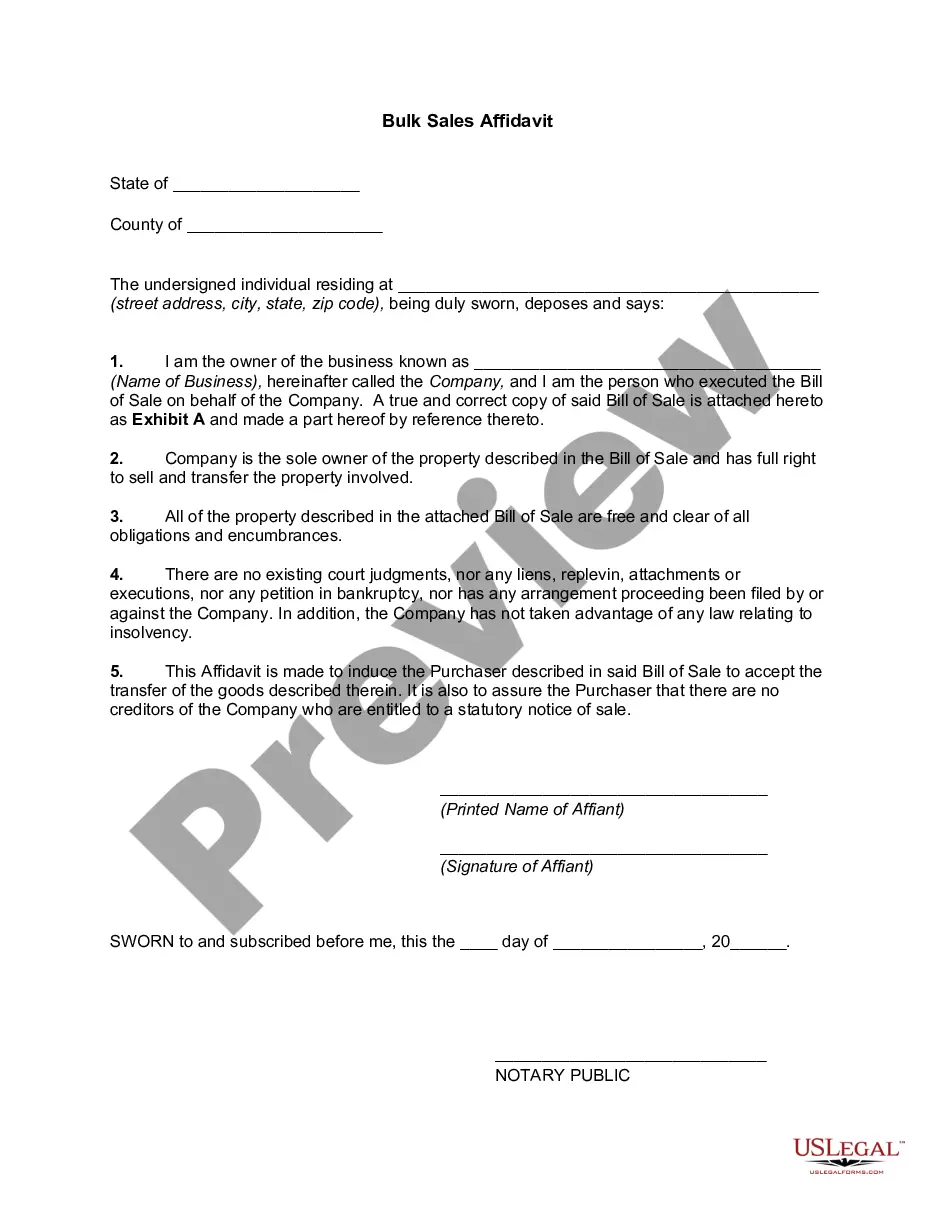
Listing Agreement Real Estate With Multiple Owners In Clark
Description


Get your form ready online
Our built-in tools help you complete, sign, share, and store your documents in one place.
Make edits, fill in missing information, and update formatting in US Legal Forms—just like you would in MS Word.
Download a copy, print it, send it by email, or mail it via USPS—whatever works best for your next step.
Sign and collect signatures with our SignNow integration. Send to multiple recipients, set reminders, and more. Go Premium to unlock E-Sign.
If this form requires notarization, complete it online through a secure video call—no need to meet a notary in person or wait for an appointment.
We protect your documents and personal data by following strict security and privacy standards.

Make edits, fill in missing information, and update formatting in US Legal Forms—just like you would in MS Word.

Download a copy, print it, send it by email, or mail it via USPS—whatever works best for your next step.

Sign and collect signatures with our SignNow integration. Send to multiple recipients, set reminders, and more. Go Premium to unlock E-Sign.

If this form requires notarization, complete it online through a secure video call—no need to meet a notary in person or wait for an appointment.

We protect your documents and personal data by following strict security and privacy standards.
Looking for another form?








Form popularity
FAQ
The correct answer is D. MLS, which is not a type of listing contract but rather a service used by real estate agents. The other options (A, B, and C) are actual types of listing contracts. MLS facilitates collaboration among agents regarding property listings.
The seller can back out for reasons written into the contract, including (but not limited to) contingencies. The buyer is in breach of the contract. If the buyer is “failing to perform” — a legal term meaning that they're not holding up their side of the contract — the seller can likely get out of the contract.
The death of the sales associate who worked with the buyer - This is generally not a valid reason for termination. The agreement is typically between the buyer and the broker, not specifically with the individual sales associate.
The exclusive right to sell listing agreement is the most common type of agreement in real estate. Under this arrangement, the broker is given exclusive rights to market the property for a set period.
Explanation: The valid ways to terminate a listing agreement include expiration of the agreement's term, mutual agreement between the seller and the agent, and when the property sells and closes. The option that is not a valid way to terminate a listing agreement is when 'the buyer requests it'.
The correct answer is Death of the sales associate. While major incapacity of the seller, destruction of the property, and expiration of the time as stated in the agreement are all valid reasons to terminate a listing agreement, the death of the sales associate is not.
Exclusive Rights-to-Sell Listing This gives the real estate agent the exclusive rights to market your home and list it on MLS. They will receive the full commission as long the home is sold within the designated timeframe. This is the preferred agreement for most real estate agents.
Dual agency occurs when a real estate agent works on behalf of both the home buyer and seller. In most real estate transactions, it is much more common to have separate agents represent each party, as this helps avoid the conflict of interest that can happen when an agent negotiates for both sides.
The ability to comprehend an object simultaneously as the object itself and as a representation of something else. For example, a photograph of a person can be represented both as the print itself and as the person it depicts.
Dual contract refers to a contract between parties who have made two contracts for the same transaction. Sometimes one contract may be used to defraud another (such as a lender) as to the terms of the parties' actual agreement.