Lease License For Alterations In Wayne
Description

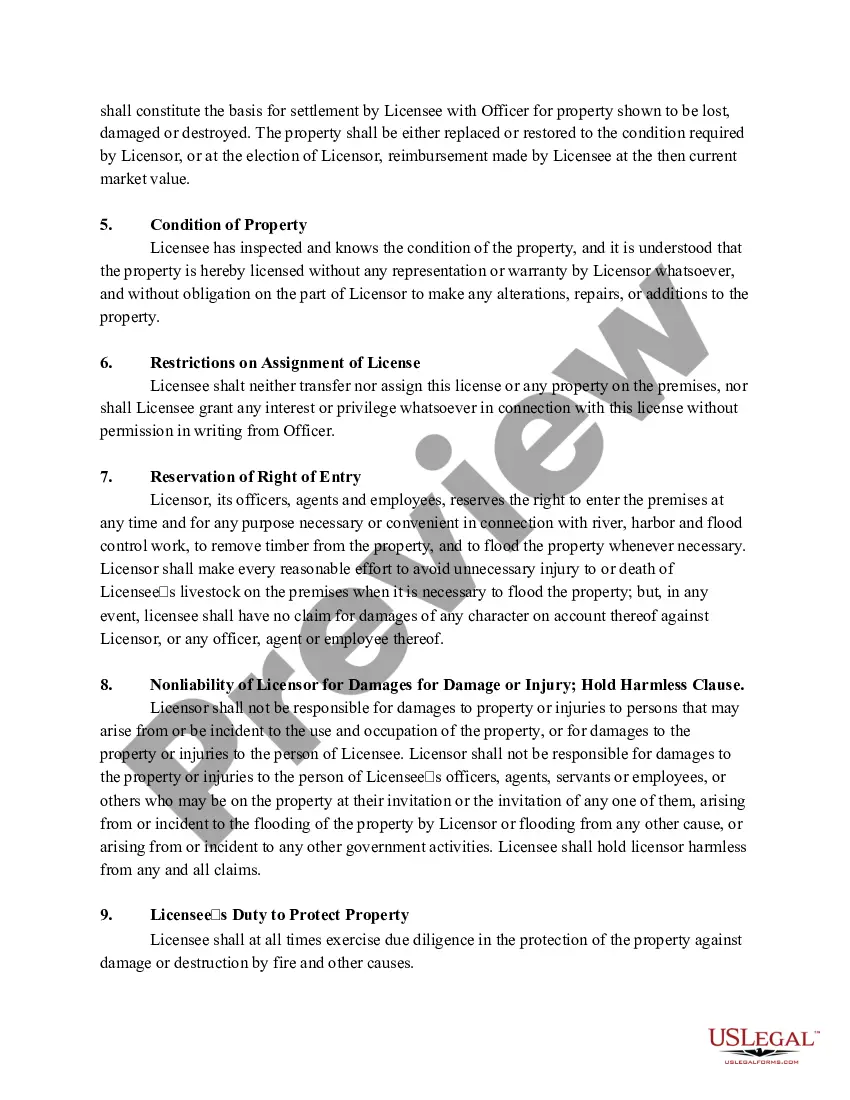
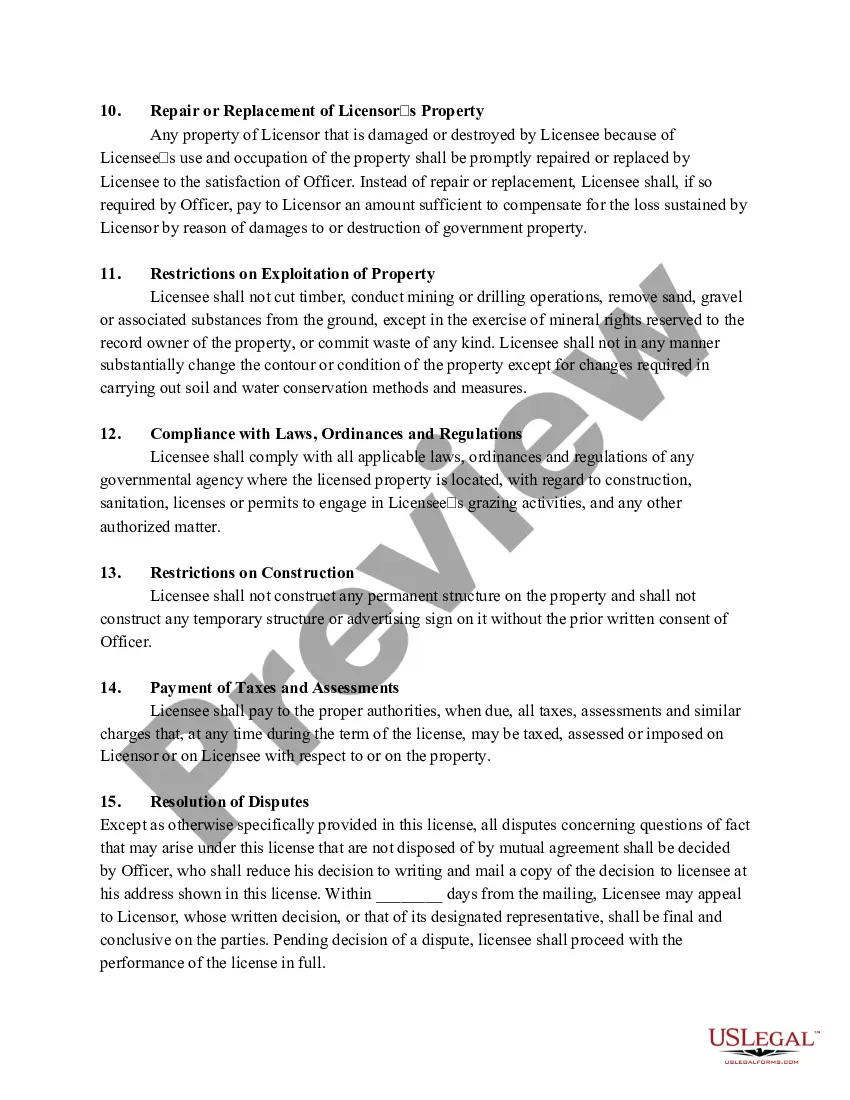
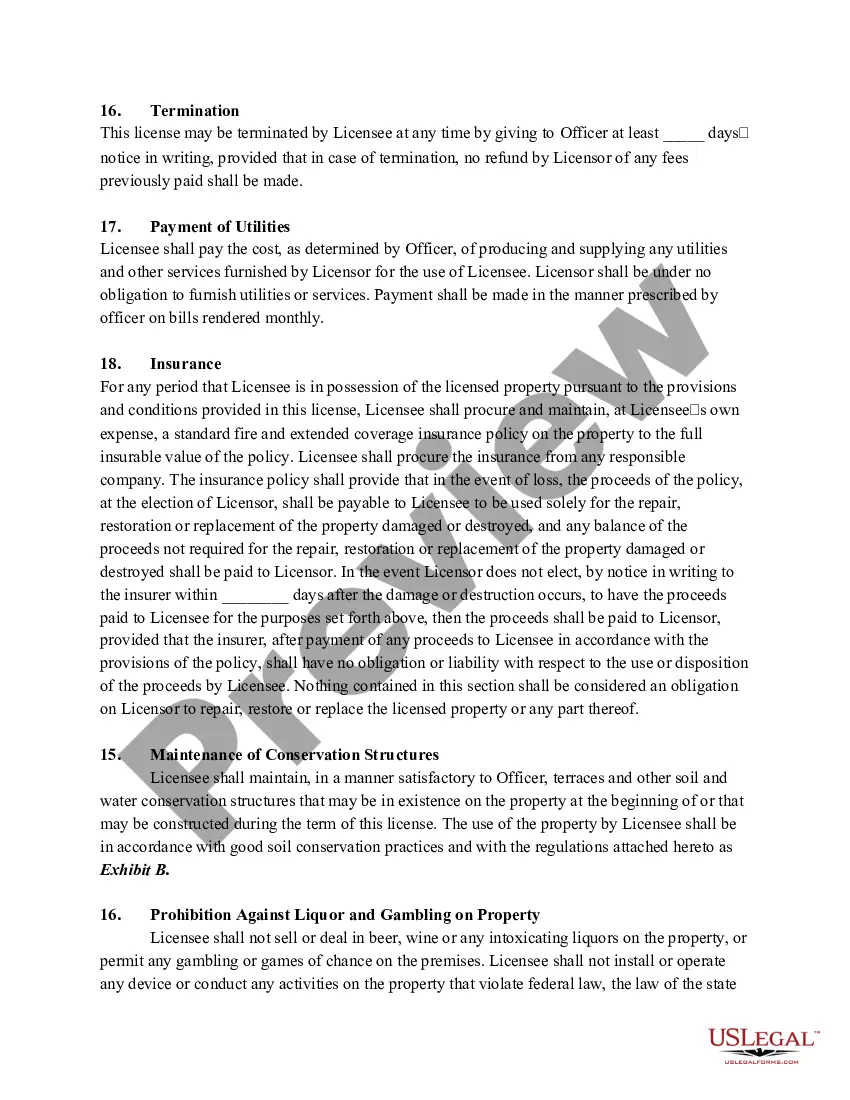
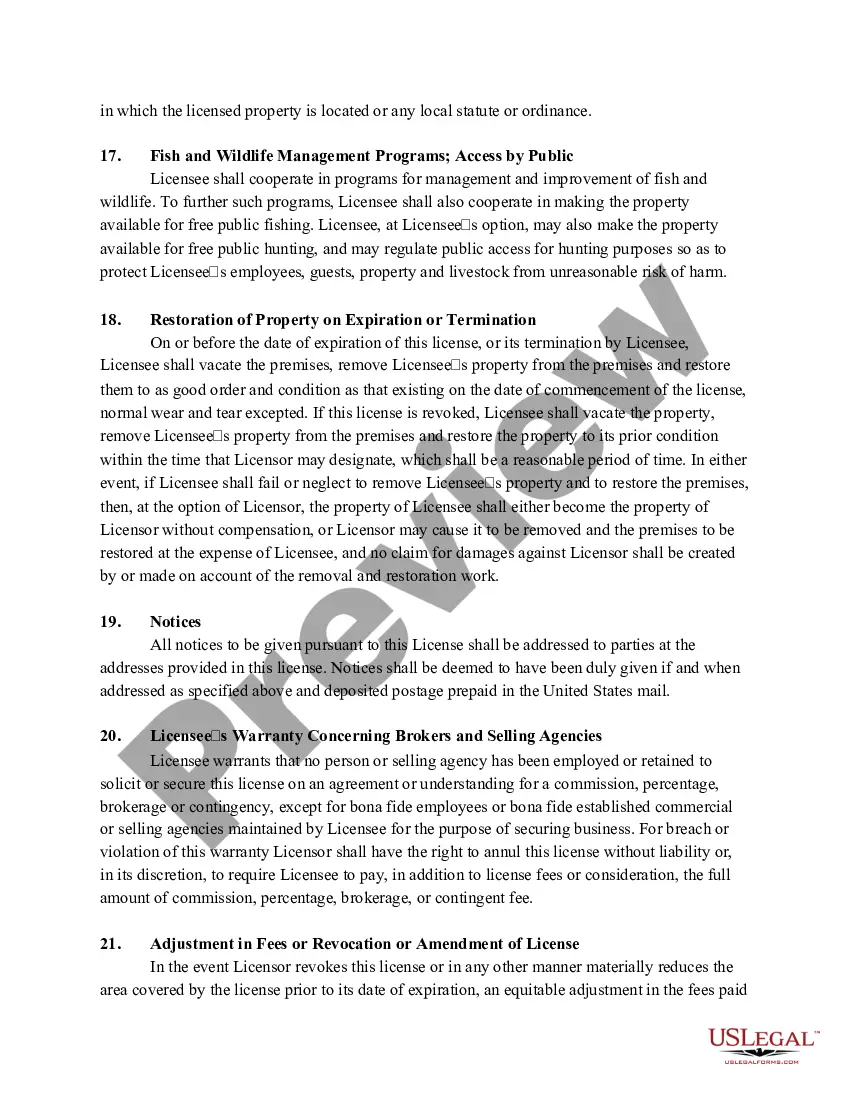
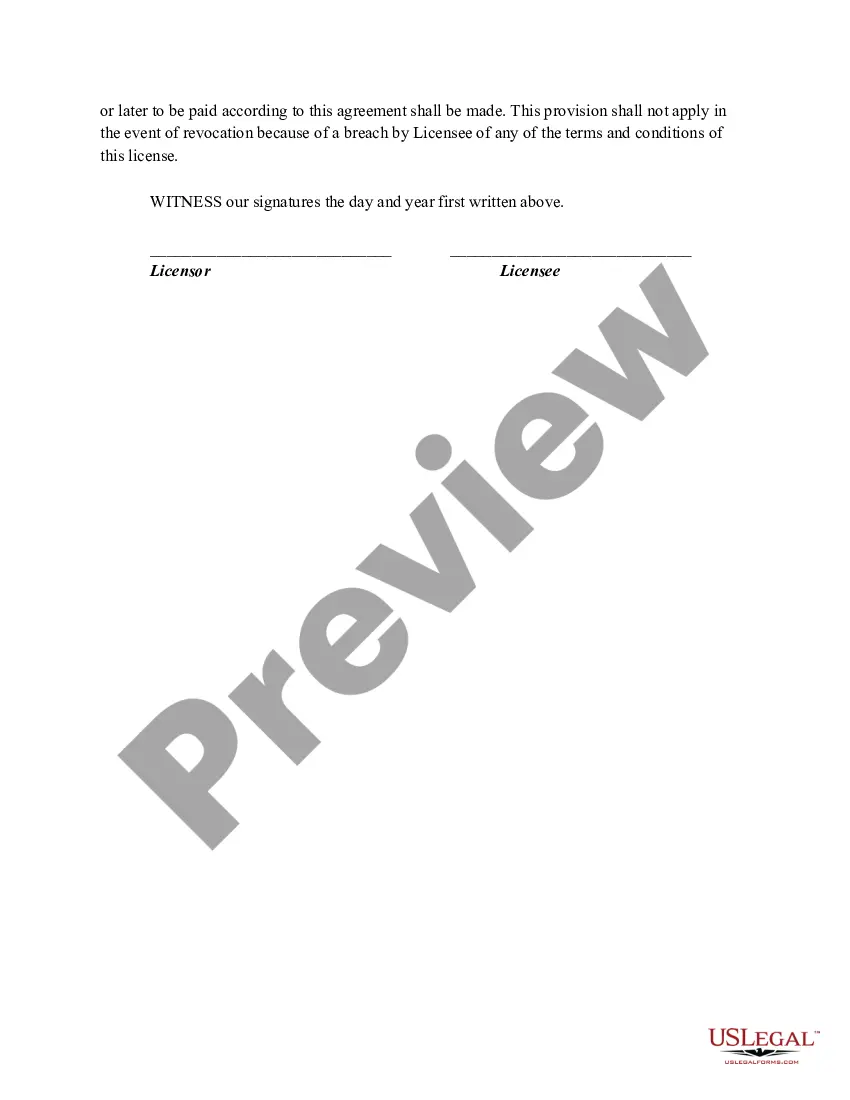
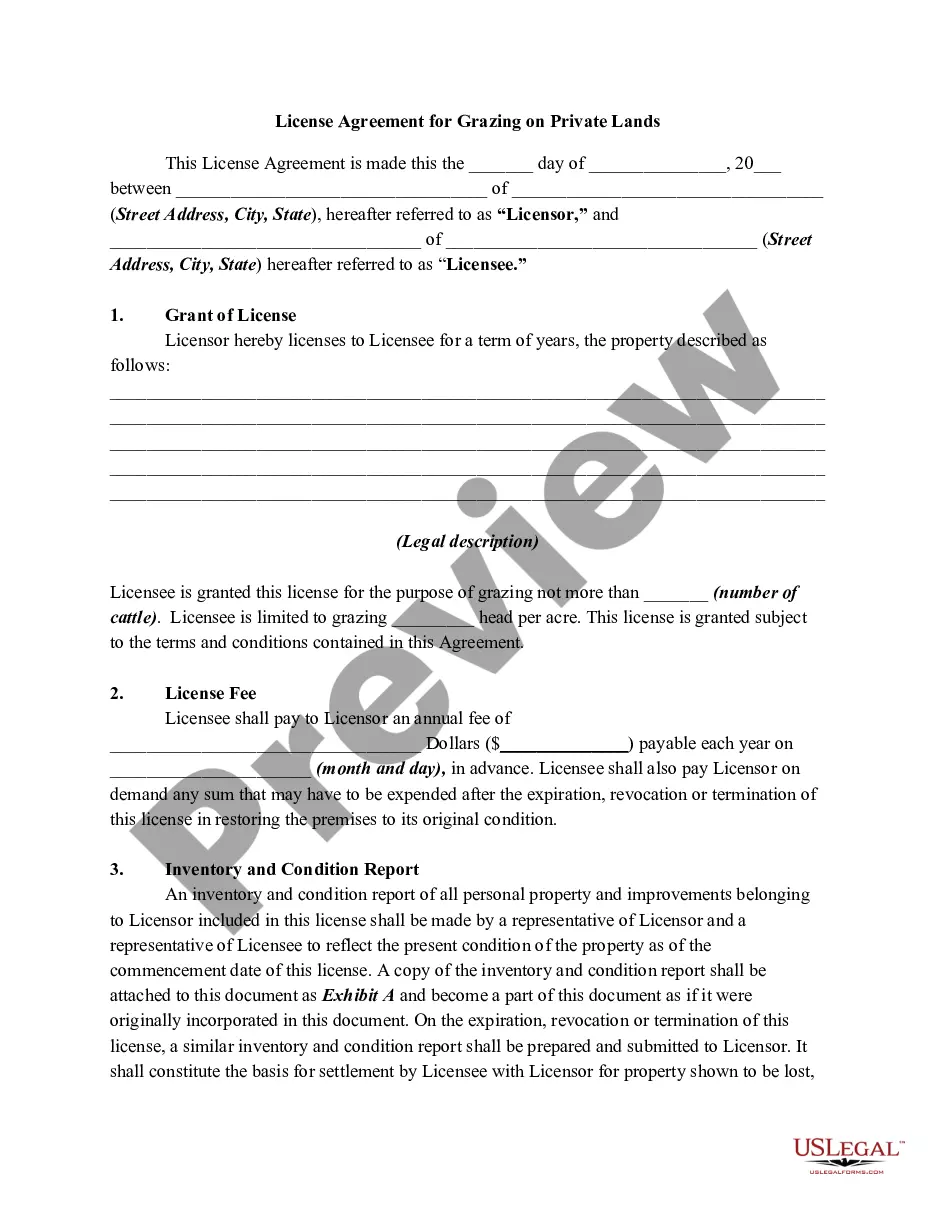
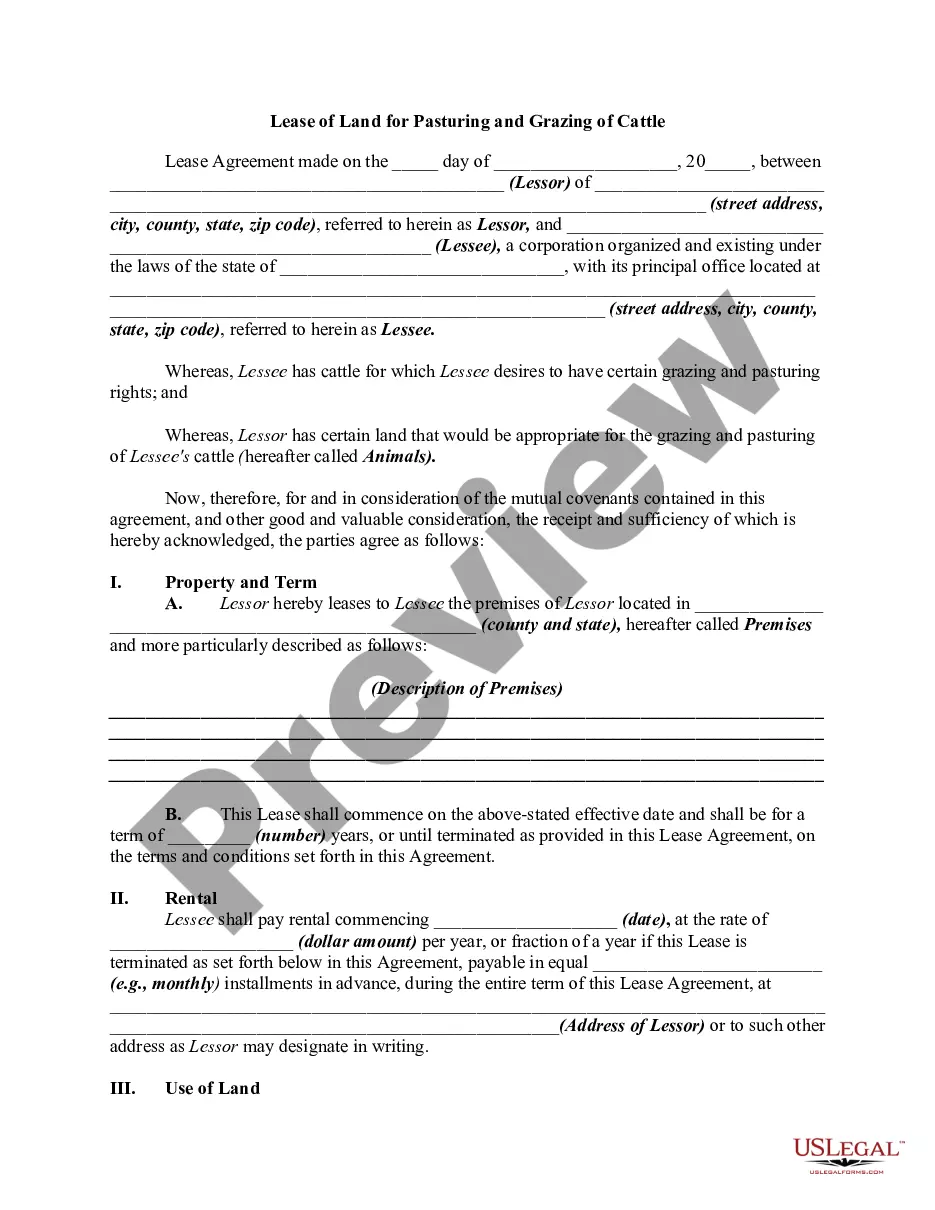
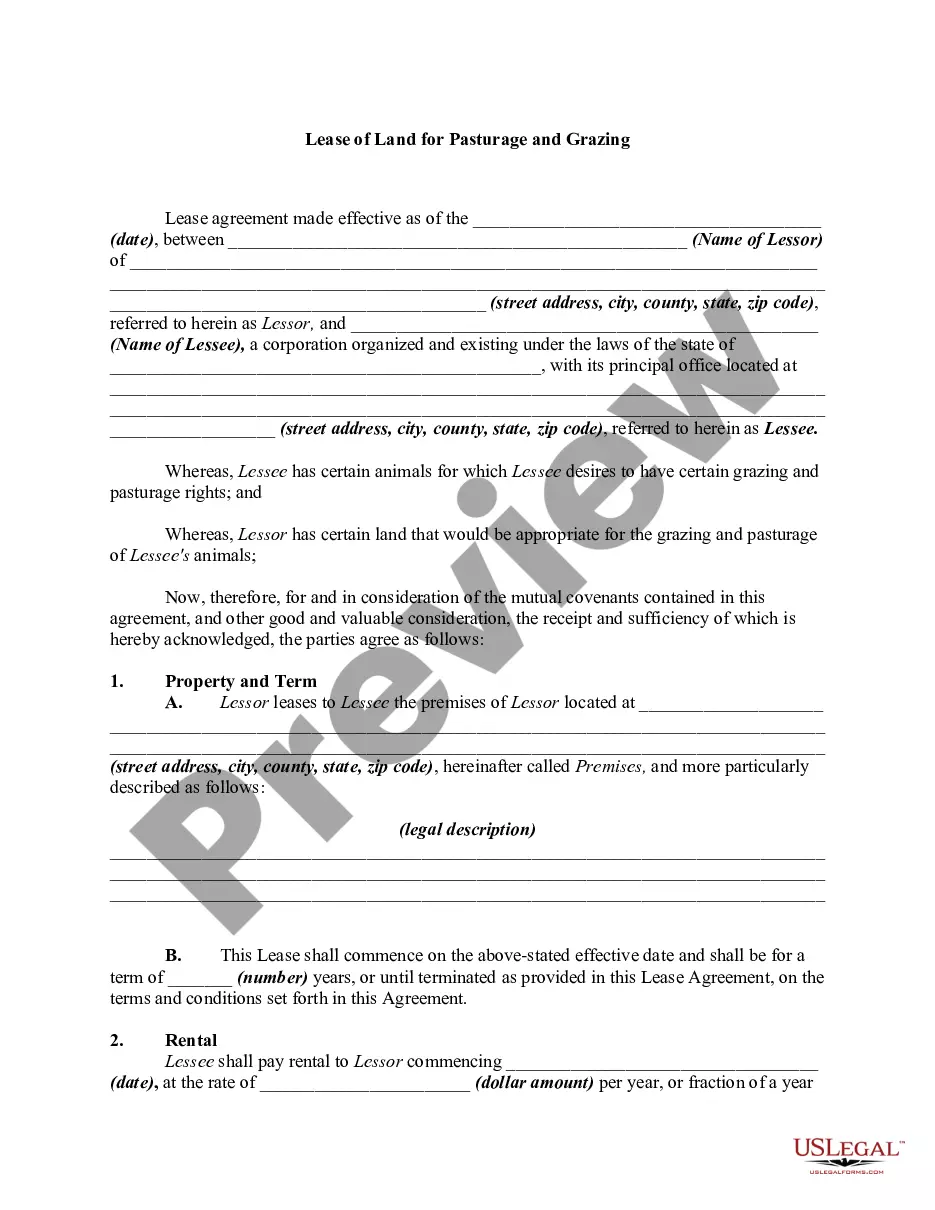
Get your form ready online
Our built-in tools help you complete, sign, share, and store your documents in one place.
Make edits, fill in missing information, and update formatting in US Legal Forms—just like you would in MS Word.
Download a copy, print it, send it by email, or mail it via USPS—whatever works best for your next step.
Sign and collect signatures with our SignNow integration. Send to multiple recipients, set reminders, and more. Go Premium to unlock E-Sign.
If this form requires notarization, complete it online through a secure video call—no need to meet a notary in person or wait for an appointment.
We protect your documents and personal data by following strict security and privacy standards.

Make edits, fill in missing information, and update formatting in US Legal Forms—just like you would in MS Word.

Download a copy, print it, send it by email, or mail it via USPS—whatever works best for your next step.

Sign and collect signatures with our SignNow integration. Send to multiple recipients, set reminders, and more. Go Premium to unlock E-Sign.

If this form requires notarization, complete it online through a secure video call—no need to meet a notary in person or wait for an appointment.

We protect your documents and personal data by following strict security and privacy standards.
Looking for another form?


/webp/1.webp)




Form popularity
FAQ
You will often hear the phrases of subletting out a property and maybe a subtenant cropping up somewhere. Or perhaps more an underletting that comes to light. In terms of what such subletting means and a basic definition – it's allowing another tenant in a property 'underneath' the current and primary tenant.
A Licence to Alter is the formal, written document from your landlord that gives you approval to carry out certain improvements or alterations to your leasehold property, which you need to obtain before you get started. Failure to secure a Licence to Alter will most likely result in a breach of the lease.
While leasing and renting share many similarities, there are some subtle distinctions between the two. The main difference is the length of tenancy. A rental agreement is usually short term or month-to-month, while a lease is typically for a longer period of time, usually six months or more.
The alterations clause in the lease will set out what the tenant can and cannot do, and on what basis. A typical clause will prohibit some types of alterations altogether, for example structural changes or work that alters the external appearance of a building.
IFRS 16 defines a lease modification as “a change in the scope of a lease, or the consideration for a lease, that was not part of the original terms and conditions of the lease.” A lease modification results from renegotiations between the lessee and lessor.
The alterations clause of a lease outlines the tenant's rights and obligations when undertaking any alteration work on the premises. The alterations clause also outlines the procedure the tenant must follow to secure the landlord's consent to any proposed alterations.
An alteration is anything which is an addition or change to the property, within the boundary of the property or its gas, electrical or water supply. Under the terms of your tenancy agreement, you must contact us for written permission before you make any alterations to your home.
Alterations clause in the lease A typical clause will prohibit some types of alterations altogether, for example structural changes or work that alters the external appearance of a building. It is also now common for leases to prohibit alterations that adversely affect the building's energy performance rating.
As a tenant, you have a right to make improvements to your home. However, this must only be carried out once we have granted permission. An alteration is anything which is an addition or change to the property or its gas, electrical or water supply.
