Tenancy Agreement For Rental In Texas
Description

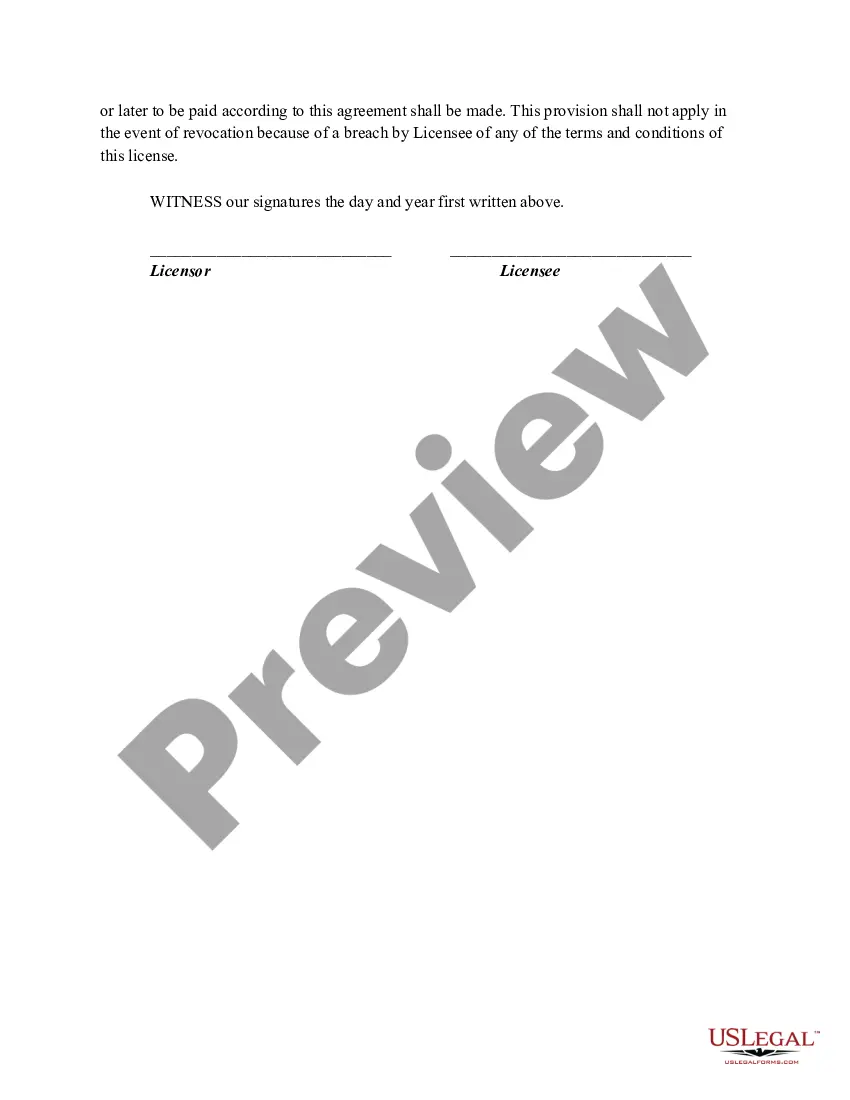
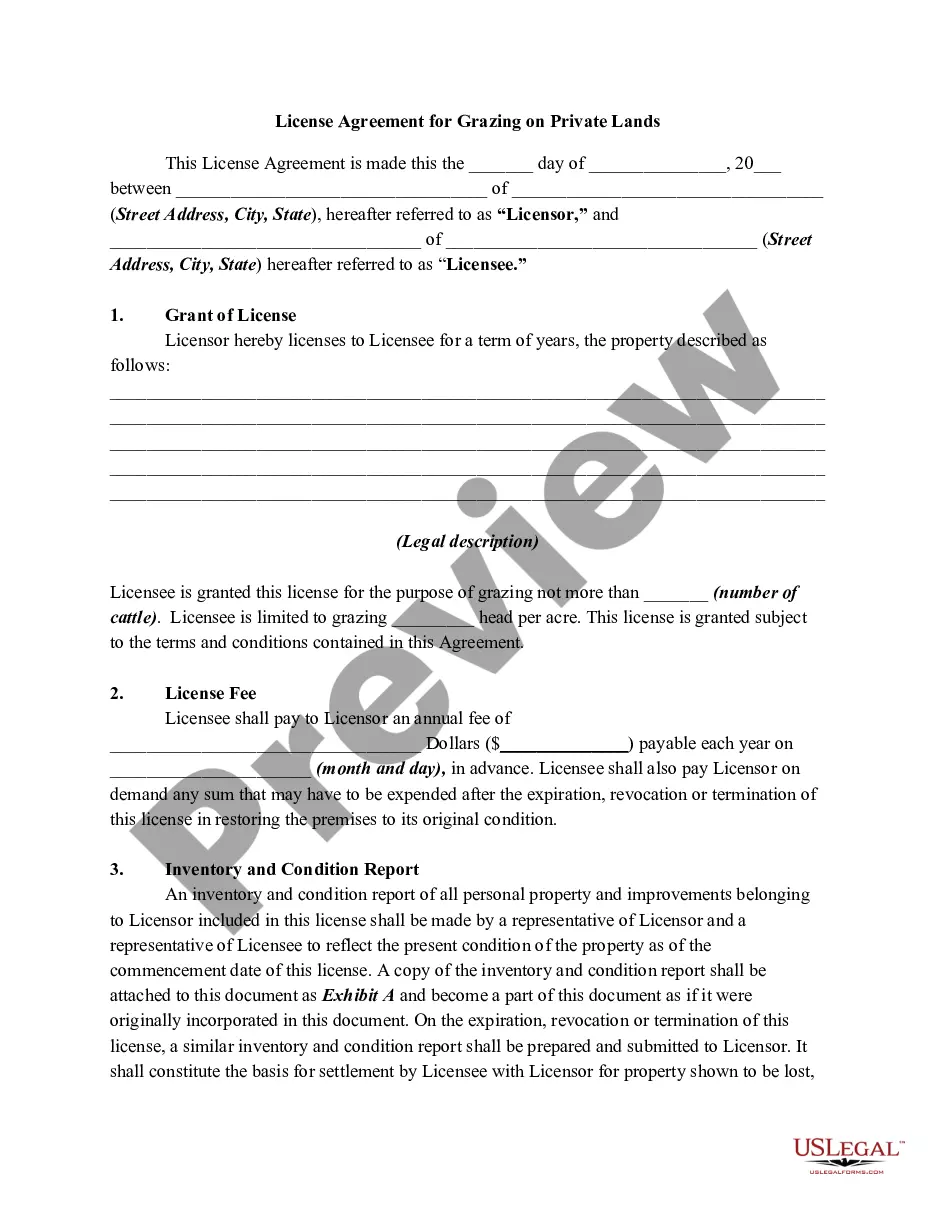
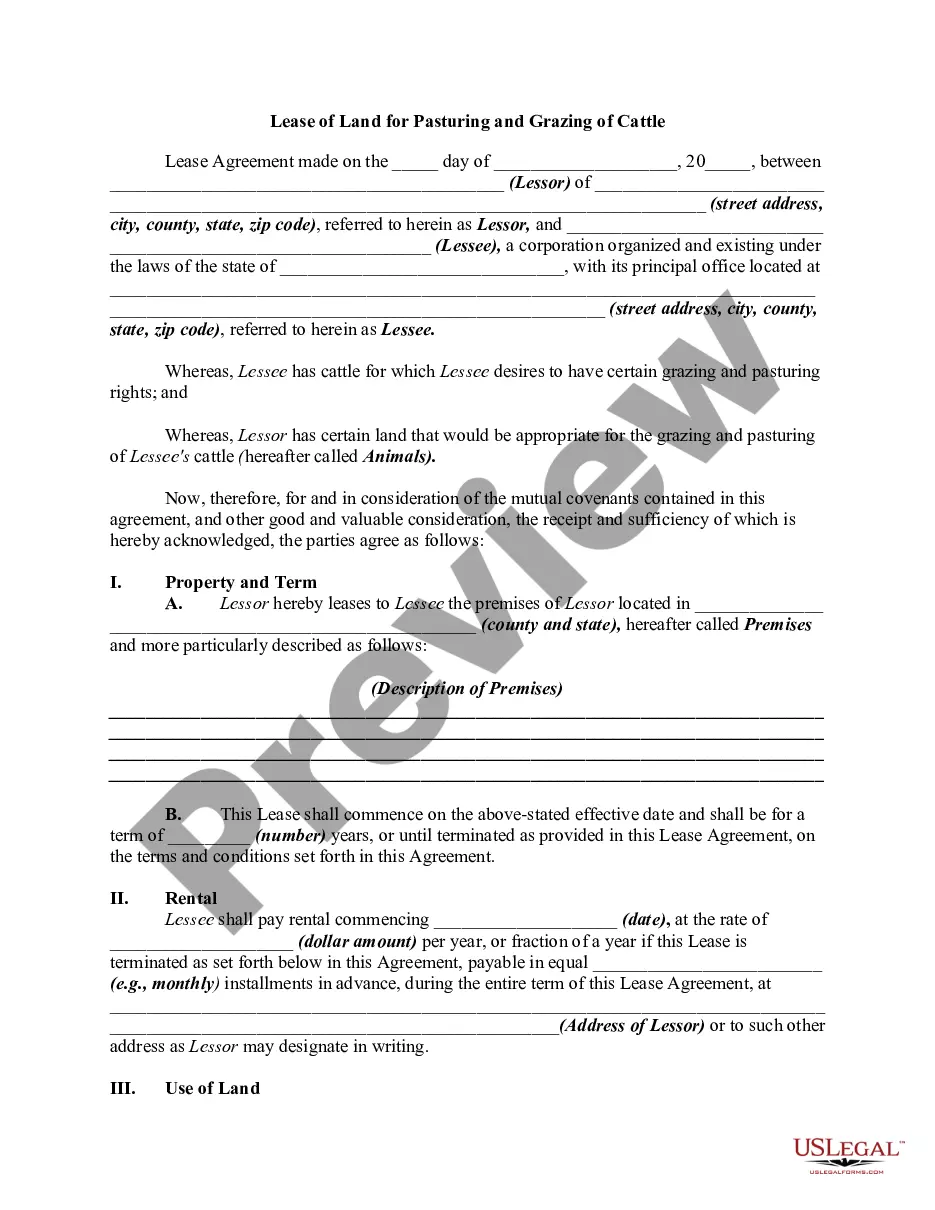
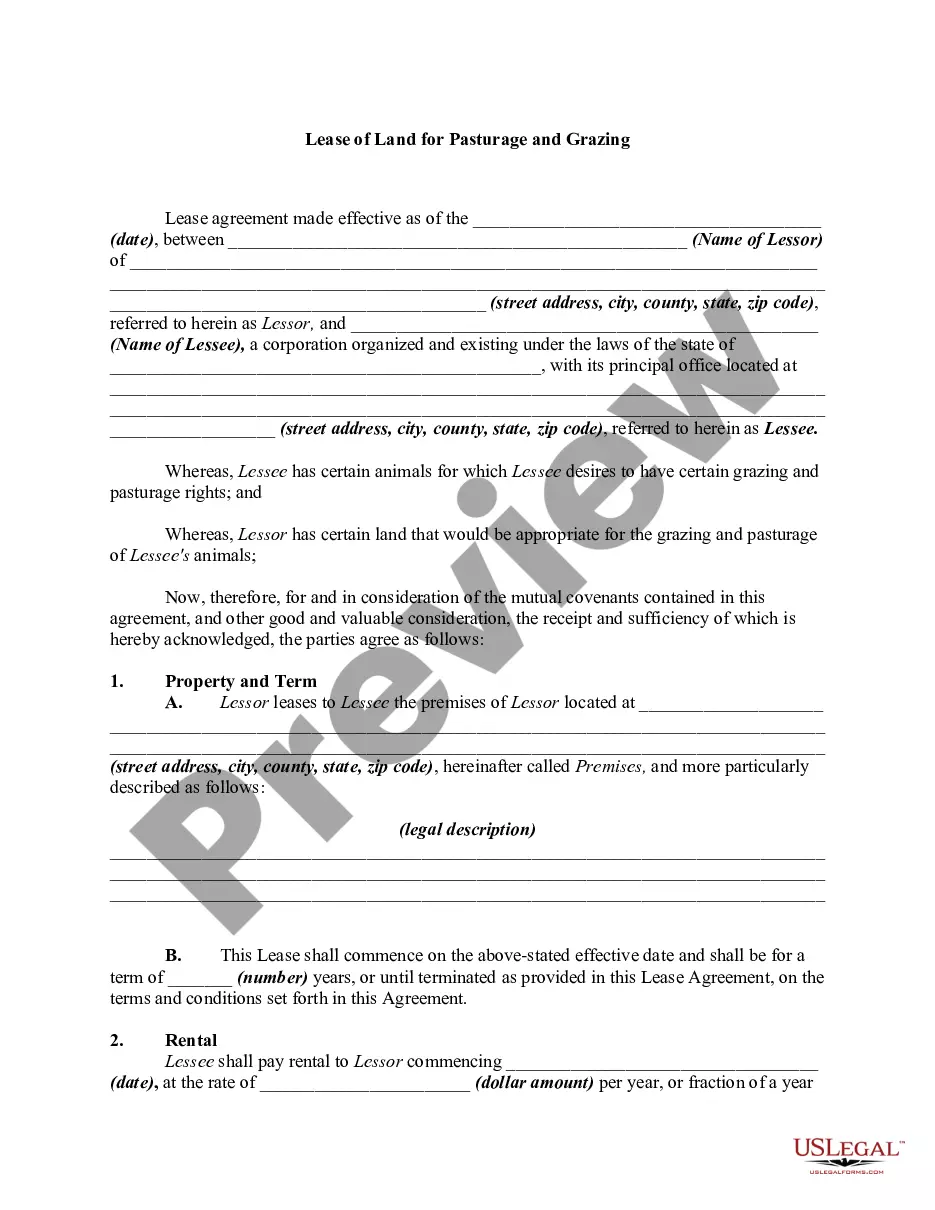
Get your form ready online
Our built-in tools help you complete, sign, share, and store your documents in one place.
Make edits, fill in missing information, and update formatting in US Legal Forms—just like you would in MS Word.
Download a copy, print it, send it by email, or mail it via USPS—whatever works best for your next step.
Sign and collect signatures with our SignNow integration. Send to multiple recipients, set reminders, and more. Go Premium to unlock E-Sign.
If this form requires notarization, complete it online through a secure video call—no need to meet a notary in person or wait for an appointment.
We protect your documents and personal data by following strict security and privacy standards.

Make edits, fill in missing information, and update formatting in US Legal Forms—just like you would in MS Word.

Download a copy, print it, send it by email, or mail it via USPS—whatever works best for your next step.

Sign and collect signatures with our SignNow integration. Send to multiple recipients, set reminders, and more. Go Premium to unlock E-Sign.

If this form requires notarization, complete it online through a secure video call—no need to meet a notary in person or wait for an appointment.

We protect your documents and personal data by following strict security and privacy standards.
Looking for another form?





Form popularity
FAQ
Unless the lease agreement says otherwise, the landlord must give the tenant at least 3 days to move out. They cannot file an eviction suit before they give this notice in writing.
A landlord and renter can mutually agree to make changes to a rental agreement on their own. They can formalize their agreement by writing it down, signing it, and attaching it to the original lease as addendums. However, involving an experienced attorney can help the parties avoid complicated legal issues later.
You can make your own and present it to the landlord, and if they sign it, it's legally binding.
Unless the landlord and tenant have an agreement in writing stating otherwise, month-to-month leases can be terminated by either party giving the other party at least one month's notice. See our Ending the Lease page for information about ending a lease, including a month-to-month lease.
Landlord's Right to Sue for Eviction or Damages ing to the Texas Property Code, landlords can pursue claims for eviction and damage to the premises, even without a written lease. Example: Sarah, a property owner, discovers that her tenant, without a formal lease, has caused significant damage to the kitchen.
Many states have laws in place that require landlords to serve their tenants with a 3-Day Notice to Quit. The state of Texas is no exception regarding any rental unit or rental property.
A Texas standard residential lease agreement is a document used by a landlord renting property to a tenant for monthly payment under typical conditions. Most agreements of this type are for a fixed term, usually one year.
If you need to move Many leases require 30 or 60 days written notice. While some leases offer a lease termination option, normally you still will be liable for all of the rent for the remainder of the unexpired lease term even if you've quit school, changed jobs, lost a roommate, etc.
It must be written in strict adherence to property laws of the state where the property is located. Failing to do so can either render the lease invalid or unable to protect the landlord's property and interests from potential problem tenants.
