Lease Without License In Texas
Description

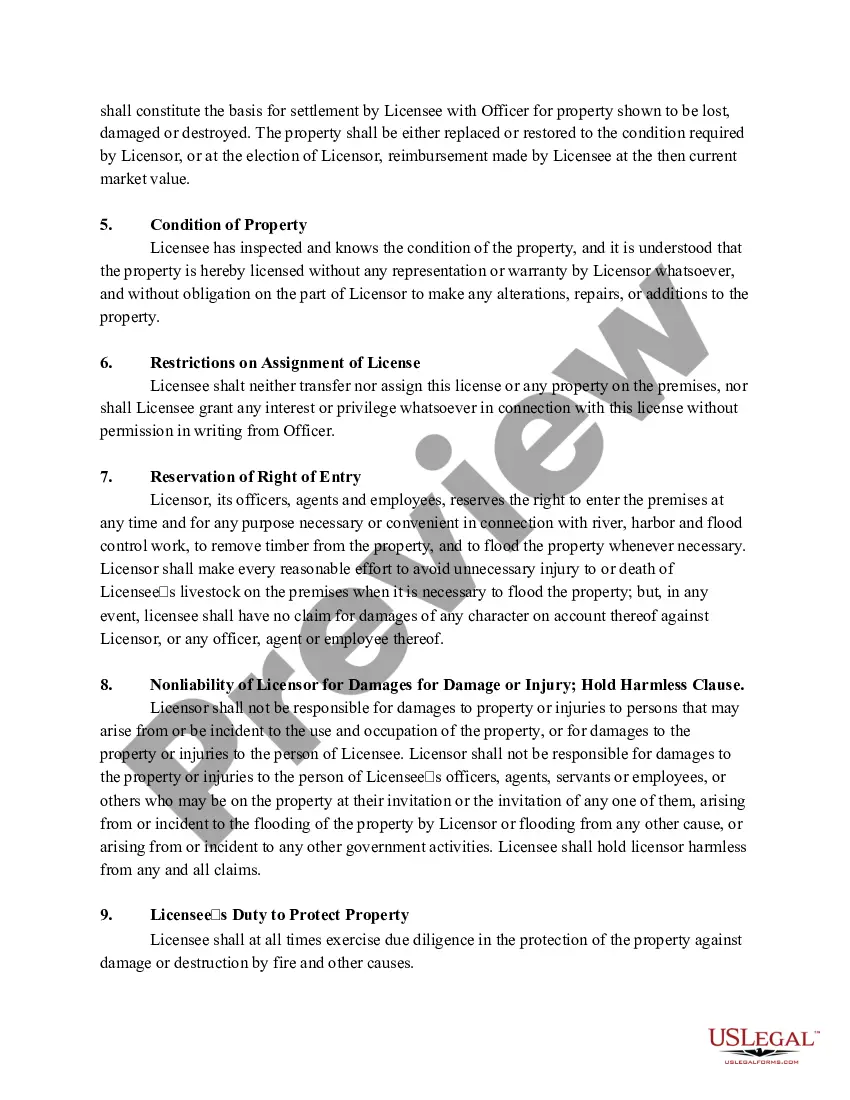
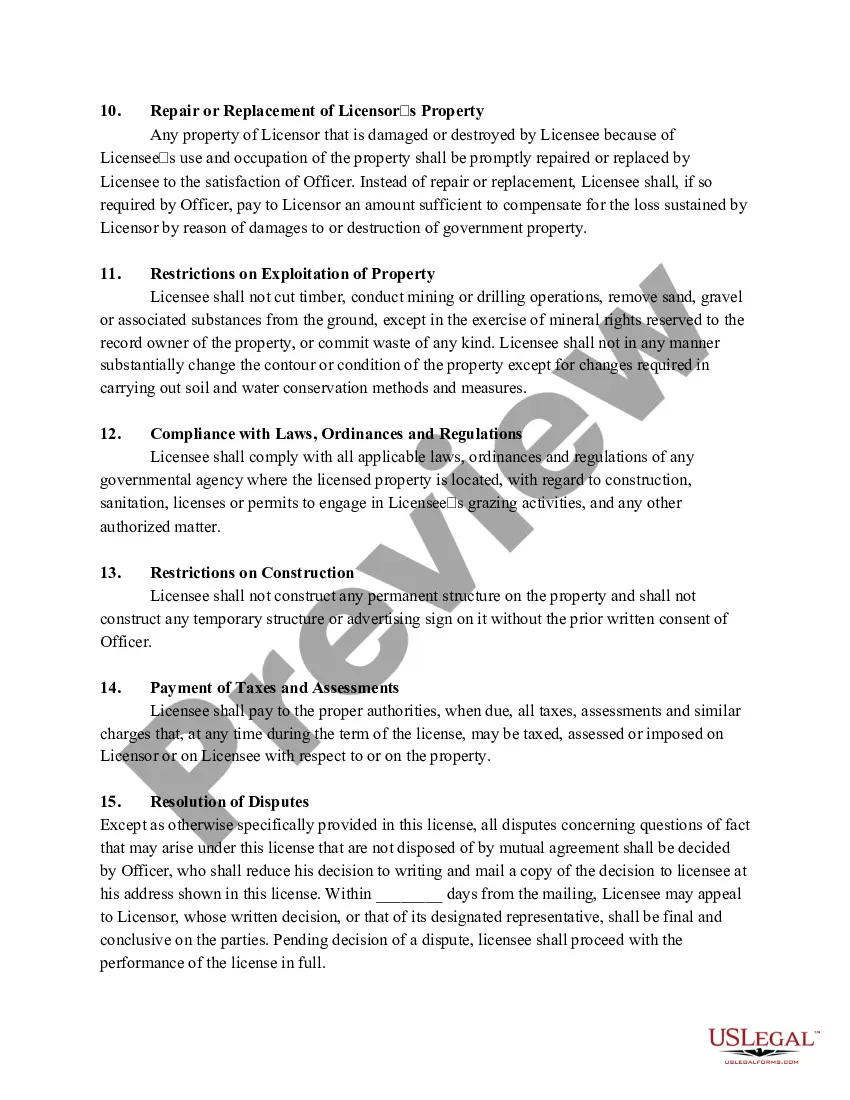
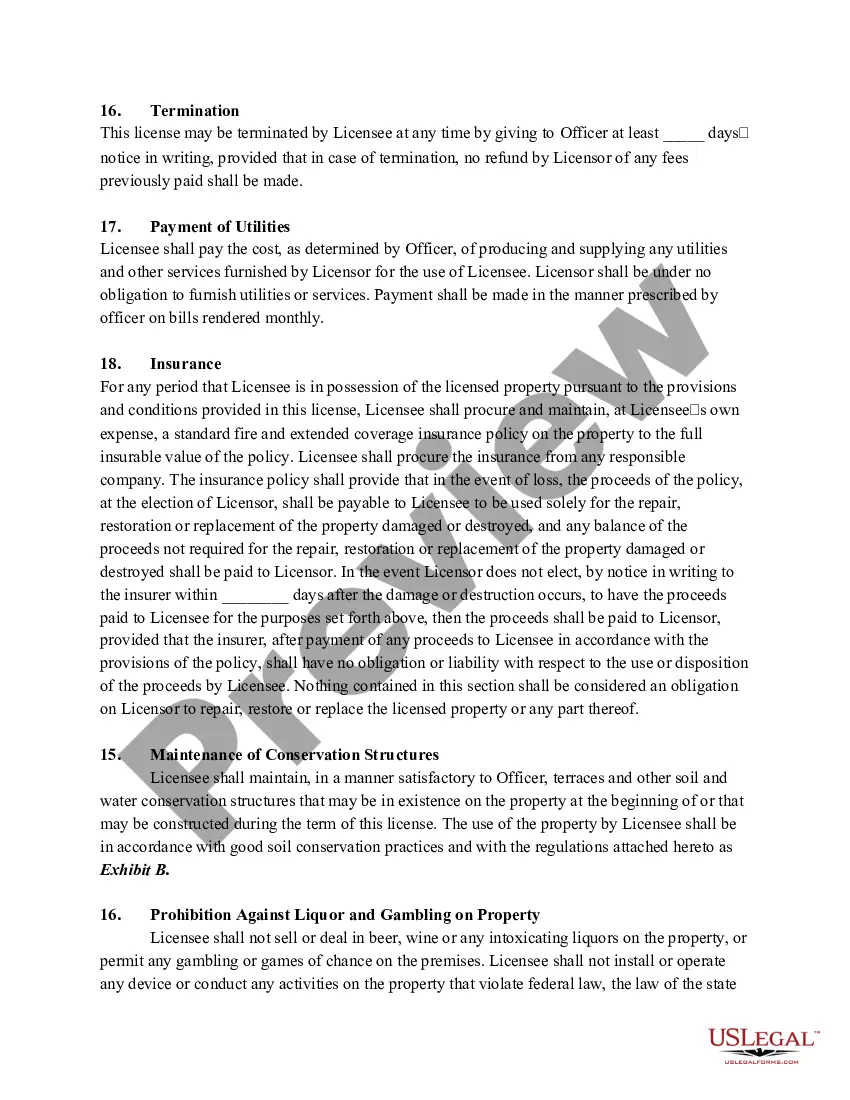
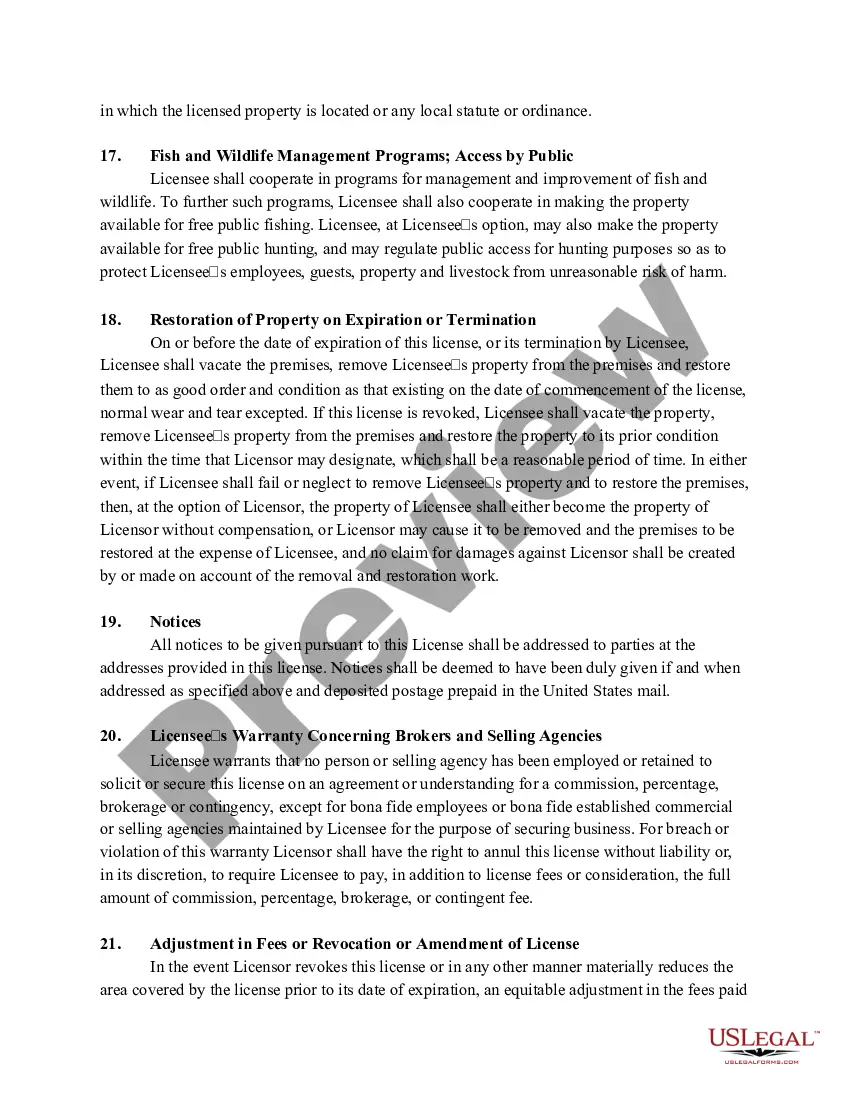
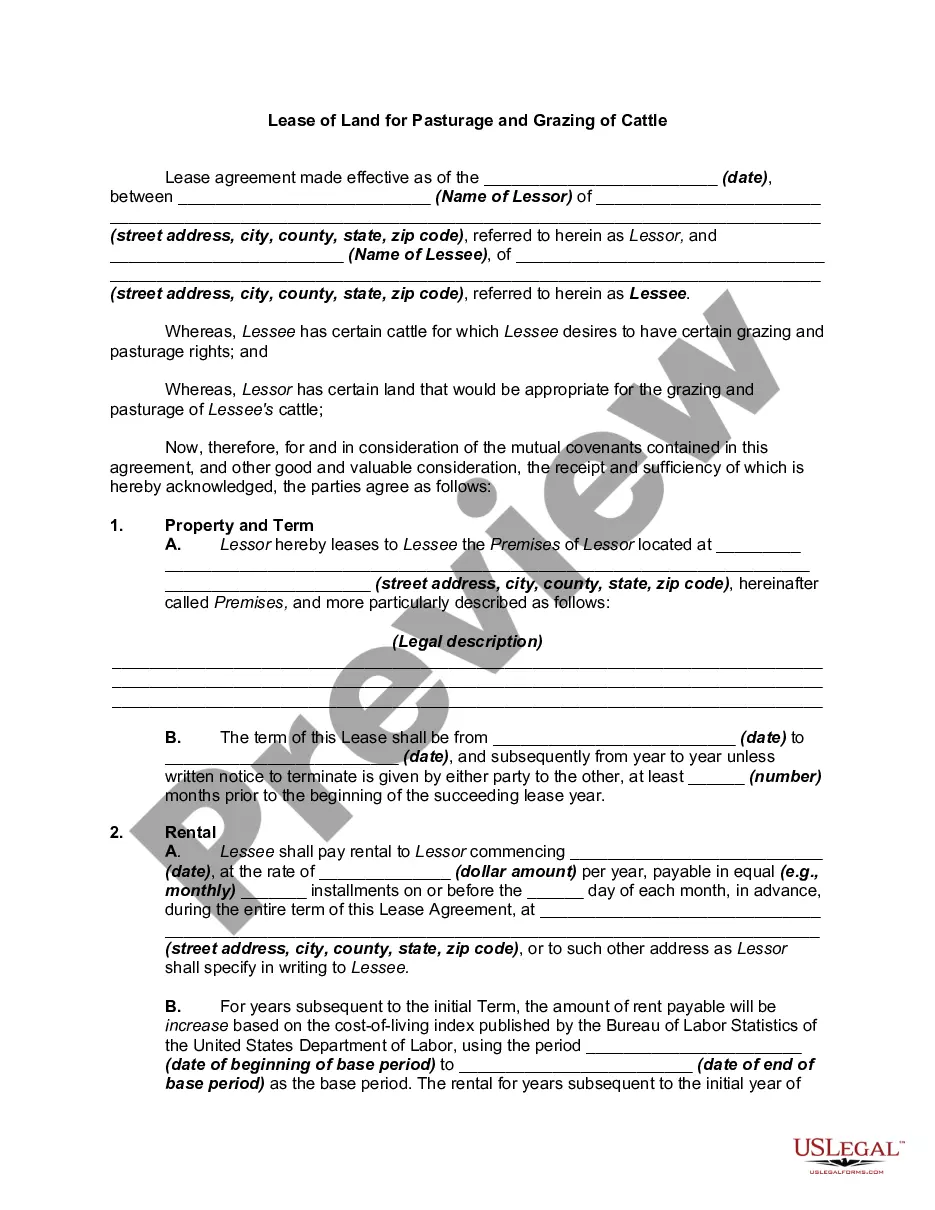
Get your form ready online
Our built-in tools help you complete, sign, share, and store your documents in one place.
Make edits, fill in missing information, and update formatting in US Legal Forms—just like you would in MS Word.
Download a copy, print it, send it by email, or mail it via USPS—whatever works best for your next step.
Sign and collect signatures with our SignNow integration. Send to multiple recipients, set reminders, and more. Go Premium to unlock E-Sign.
If this form requires notarization, complete it online through a secure video call—no need to meet a notary in person or wait for an appointment.
We protect your documents and personal data by following strict security and privacy standards.

Make edits, fill in missing information, and update formatting in US Legal Forms—just like you would in MS Word.

Download a copy, print it, send it by email, or mail it via USPS—whatever works best for your next step.

Sign and collect signatures with our SignNow integration. Send to multiple recipients, set reminders, and more. Go Premium to unlock E-Sign.

If this form requires notarization, complete it online through a secure video call—no need to meet a notary in person or wait for an appointment.

We protect your documents and personal data by following strict security and privacy standards.
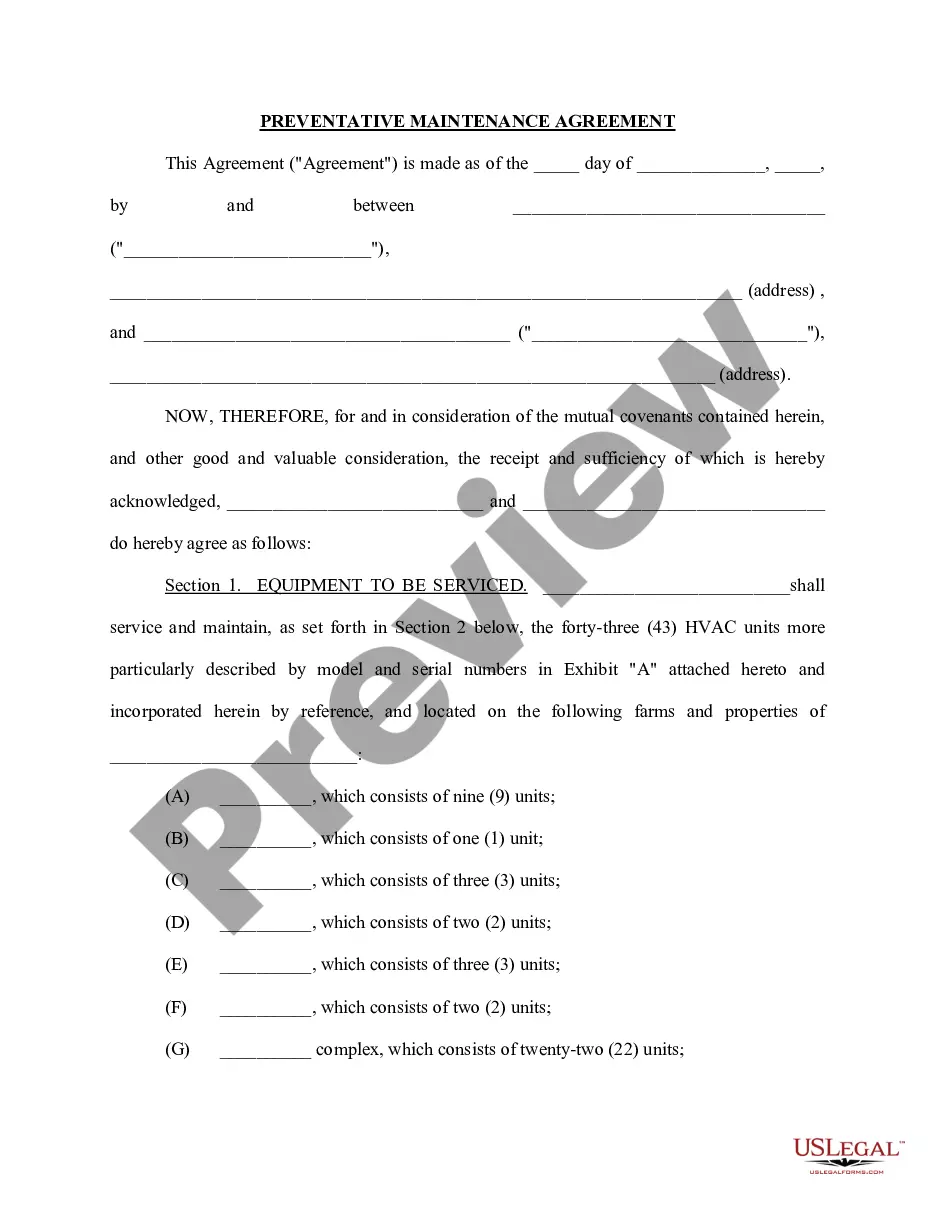
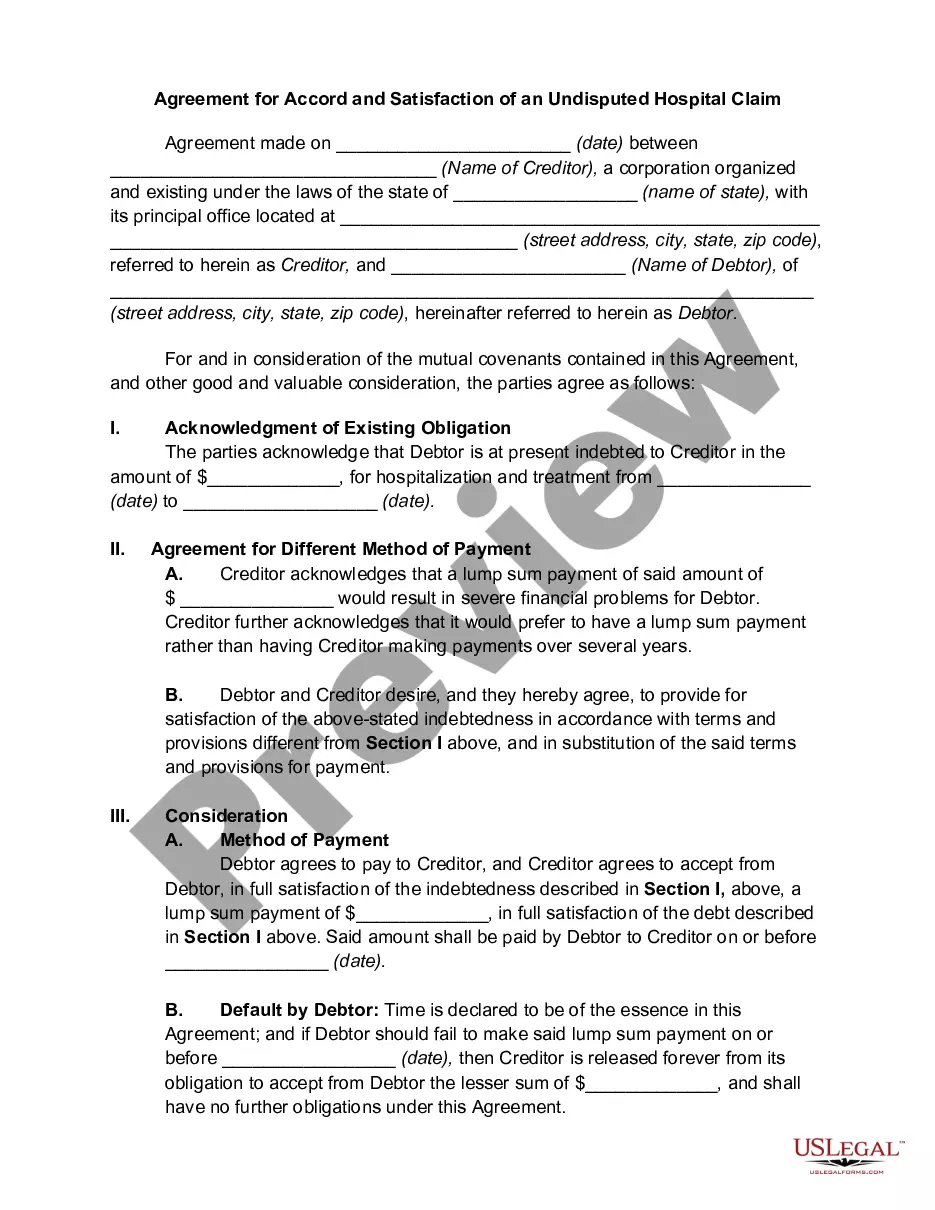
Looking for another form?








Form popularity
FAQ
At the bare minimum, a rental agreement or lease should identify the leased property, state the names of all parties to the lease, the names of all occupants, the beginning date, when the contract expires, the amount of rent, when rent is due, when rent is late, and what happens if the tenant stays in the property ...
In the state of Texas, getting a landlord license is not required. However, many of the local jurisdictions may require a license, so it is best to check first.
(d) A Texas-licensed attorney is exempted from real estate licensure requirements whether dealing with clients or with non-clients.
1. Check Local Requirements for Landlord License. In the state of Texas, getting a landlord license is not required. However, many of the local jurisdictions may require a license, so it is best to check first.
Ing to Texas law, the primary business activities of a property management company are considered the same as a real estate business. For instance, if your company lists, rents, negotiates, collects rent, or places a tenant in Texas, your business will need a real estate broker license.
For example, California does not require lease notarization, while other states like Ohio may have different requirements.
At a minimum, a lease should identify the premises to be leased, specify the names and addresses of the parties, the amount and due dates of the rent, the term or duration of the lease, conditions of occupancy, and the rights and obligations of both parties.
The lessor license is required of a person who, under the terms of a lease agreement, leases or offers to lease a motor vehicle to another person. A lessor licensee does not need to have a lease facilitator license to facilitate leases for themselves.
