Tenancy Agreement For Rental In Fulton
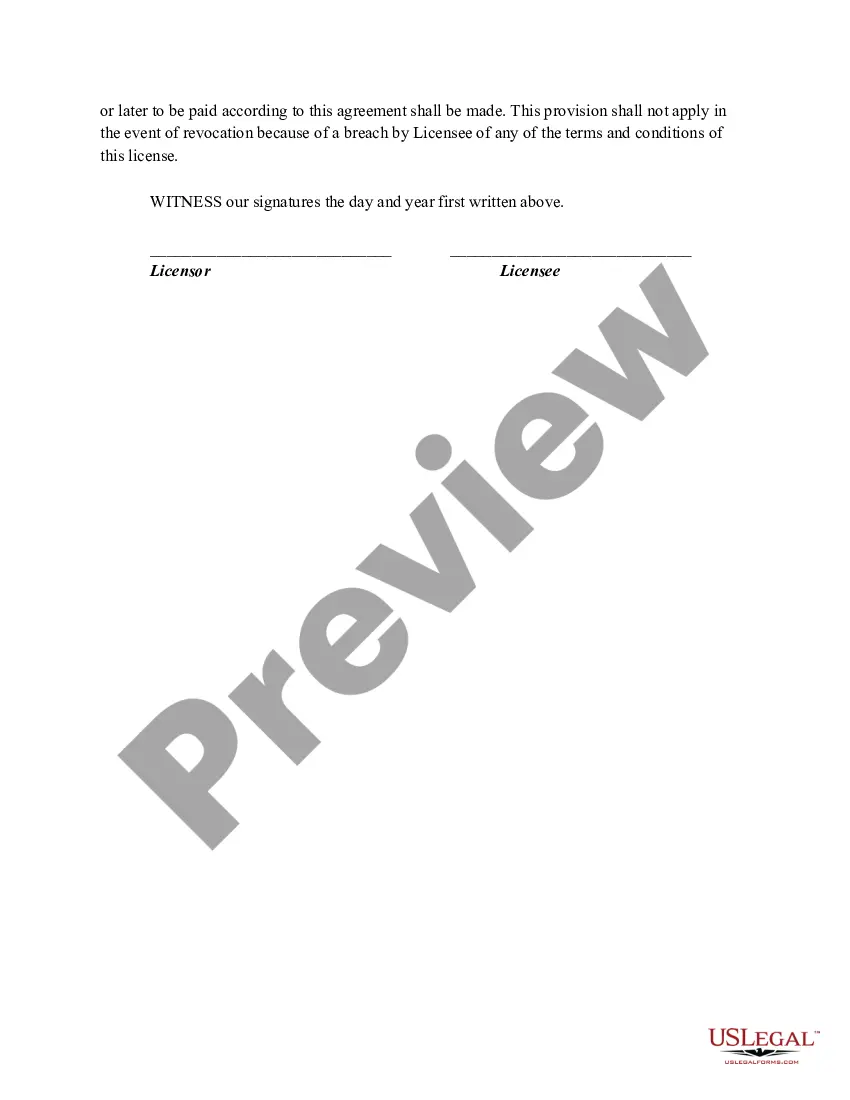
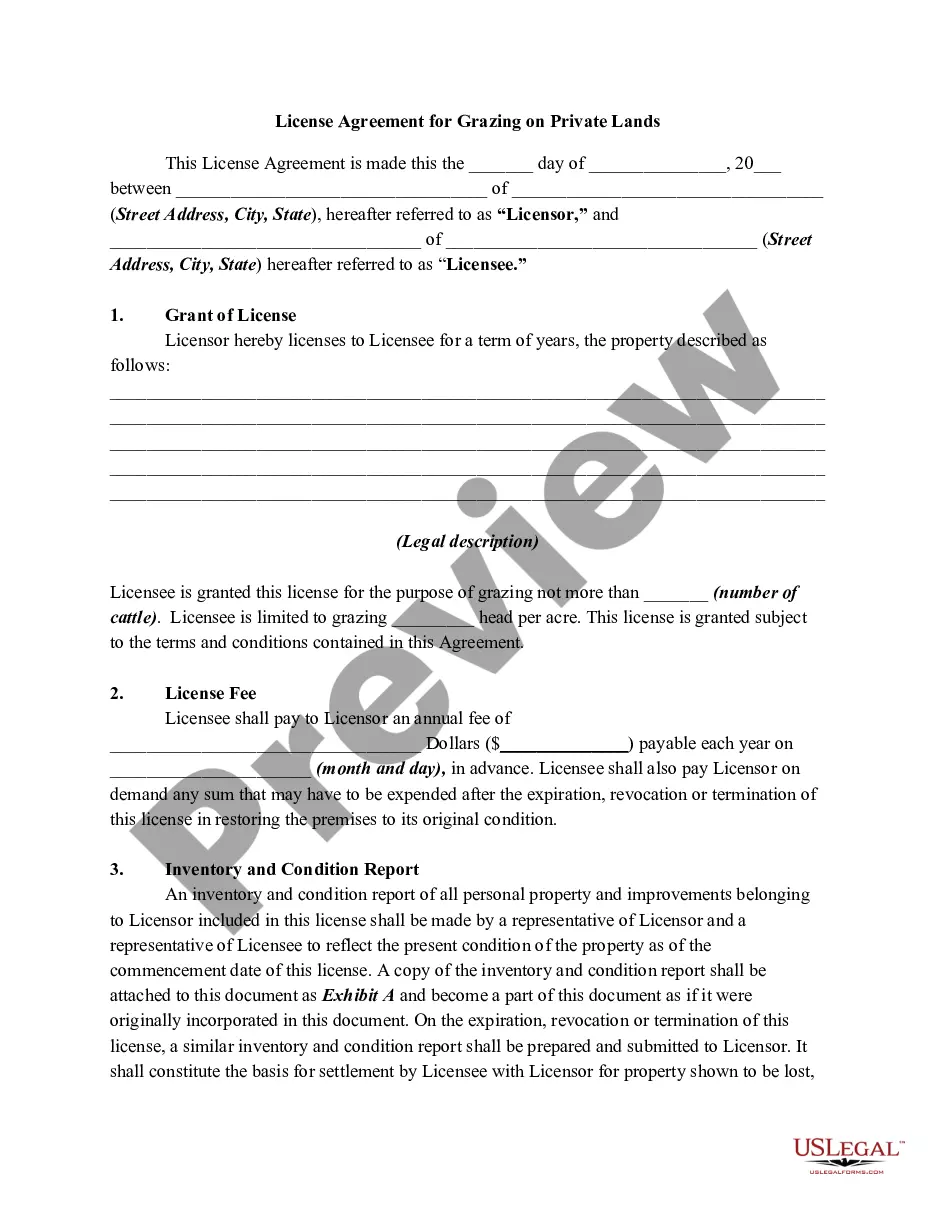
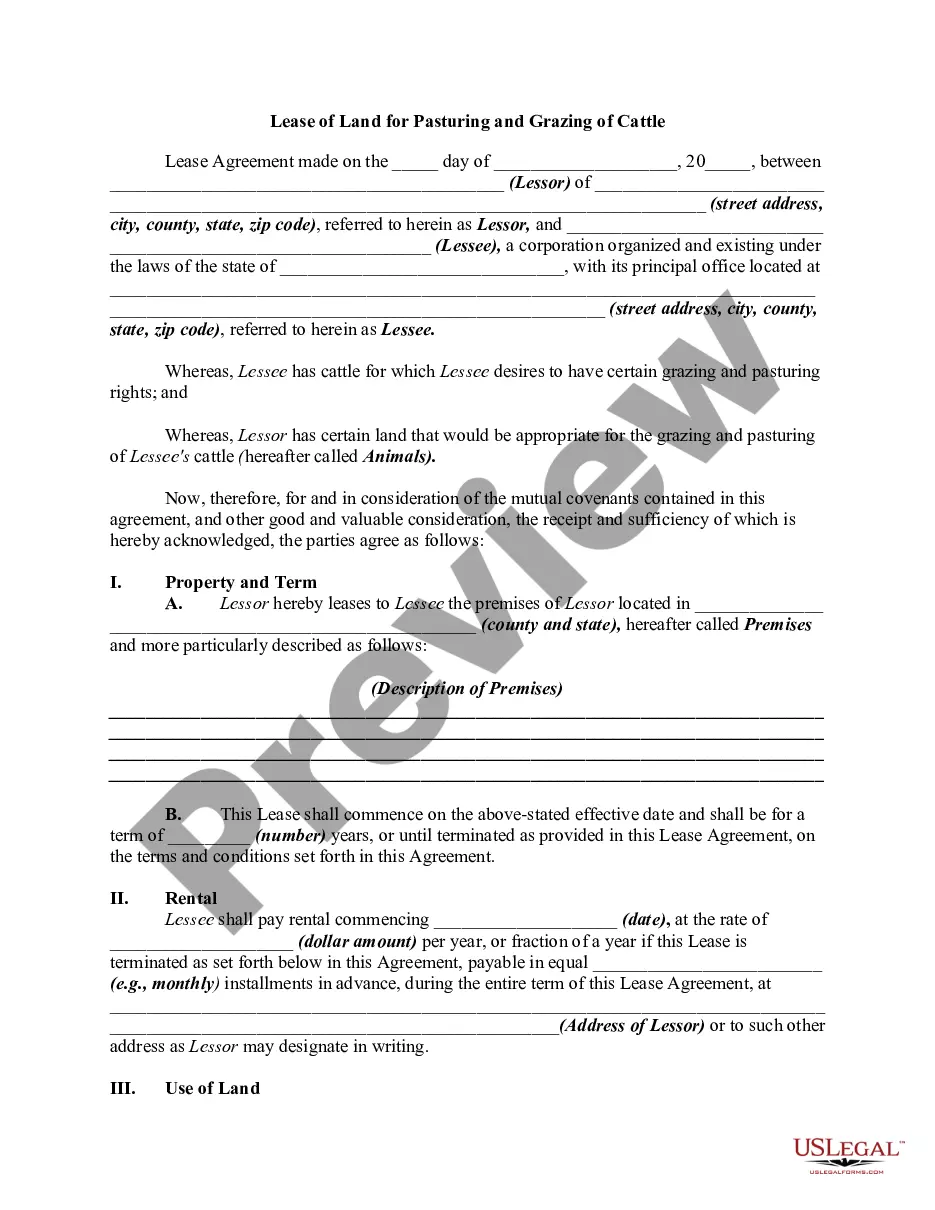
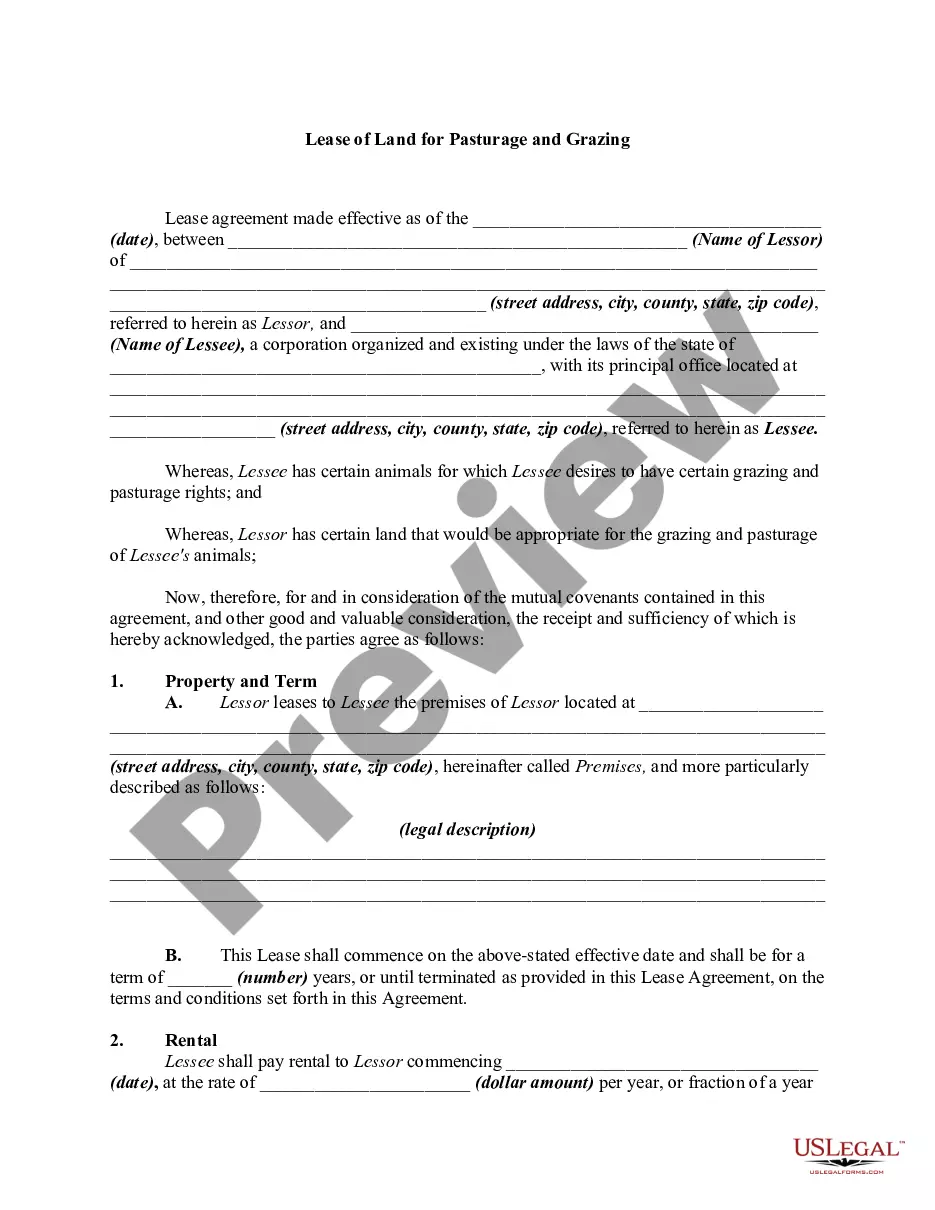
Description

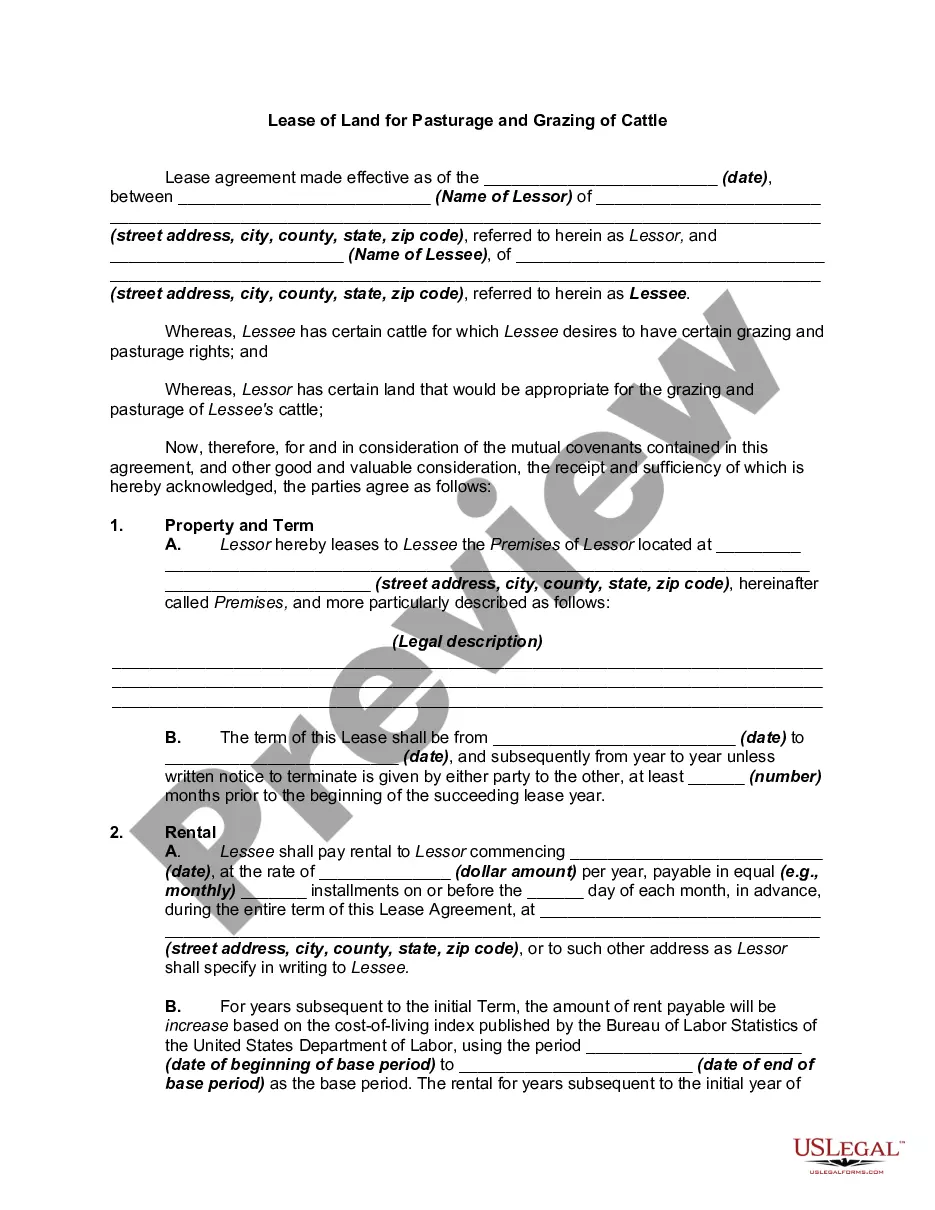
Get your form ready online
Our built-in tools help you complete, sign, share, and store your documents in one place.
Make edits, fill in missing information, and update formatting in US Legal Forms—just like you would in MS Word.
Download a copy, print it, send it by email, or mail it via USPS—whatever works best for your next step.
Sign and collect signatures with our SignNow integration. Send to multiple recipients, set reminders, and more. Go Premium to unlock E-Sign.
If this form requires notarization, complete it online through a secure video call—no need to meet a notary in person or wait for an appointment.
We protect your documents and personal data by following strict security and privacy standards.

Make edits, fill in missing information, and update formatting in US Legal Forms—just like you would in MS Word.

Download a copy, print it, send it by email, or mail it via USPS—whatever works best for your next step.

Sign and collect signatures with our SignNow integration. Send to multiple recipients, set reminders, and more. Go Premium to unlock E-Sign.

If this form requires notarization, complete it online through a secure video call—no need to meet a notary in person or wait for an appointment.

We protect your documents and personal data by following strict security and privacy standards.
Looking for another form?










Form popularity
FAQ
Generally, a contract is only binding when all parties to the agreement sign. However, in some cases, you can still enforce an unsigned written contract. In such scenarios, if a party shows that they intend for the agreement to bind them, the contract can be legally binding and enforceable.
It's good practice for a written tenancy agreement to include the following details: your name and your landlord's name and the address of the property which is being let. the date the tenancy began. details of whether other people are allowed the use of the property and, if so, which rooms.
California – Handwritten contracts are enforceable without notarization if both parties reside in the state.
Handwritten contracts are legally binding if they meet the necessary conditions that apply to all contracts: mutual agreement, capacity, consideration, and legal validity. There are no legal differences between typed and handwritten agreements when it comes to enforceability.
How to create a lease agreement Collect each party's information. Include specifics about your property. Consider all of the property's utilities and services. Know the terms of your lease. Set the monthly rent amount and due date. Calculate any additional fees. Determine a payment method. Consider your rights and obligations.
The most common types include joint tenancy, tenancy in common, tenants by entirety, sole ownership, and community property.
The tenancy agreement should include: the deposit amount and how it will be protected. when the deposit can be fully or partly withheld, for example to repair damage caused by tenants. the property address. the start and end date of the tenancy. any tenant or landlord obligations. which bills your tenants are responsible for.
There is no maximum length for a fixed-term tenancy but whatever is decided as the length, it must be included on the tenancy agreement, and if longer than three years, signed as a deed. You cannot give notice to end a fixed-term tenancy early unless there is a break clause in the agreement.
Whilst an AST can last for any duration, tenants have a legal right to stay in a property for a minimum of six months. This applies whether the AST was for a shorter term than this or not.
Assured Shorthold Tenancies, or ASTs, are the most common agreement for private rentals, typically lasting six to twelve months. With an AST, your landlord is required to protect your deposit in a government-approved scheme.
