Lease Without License In Franklin
Description

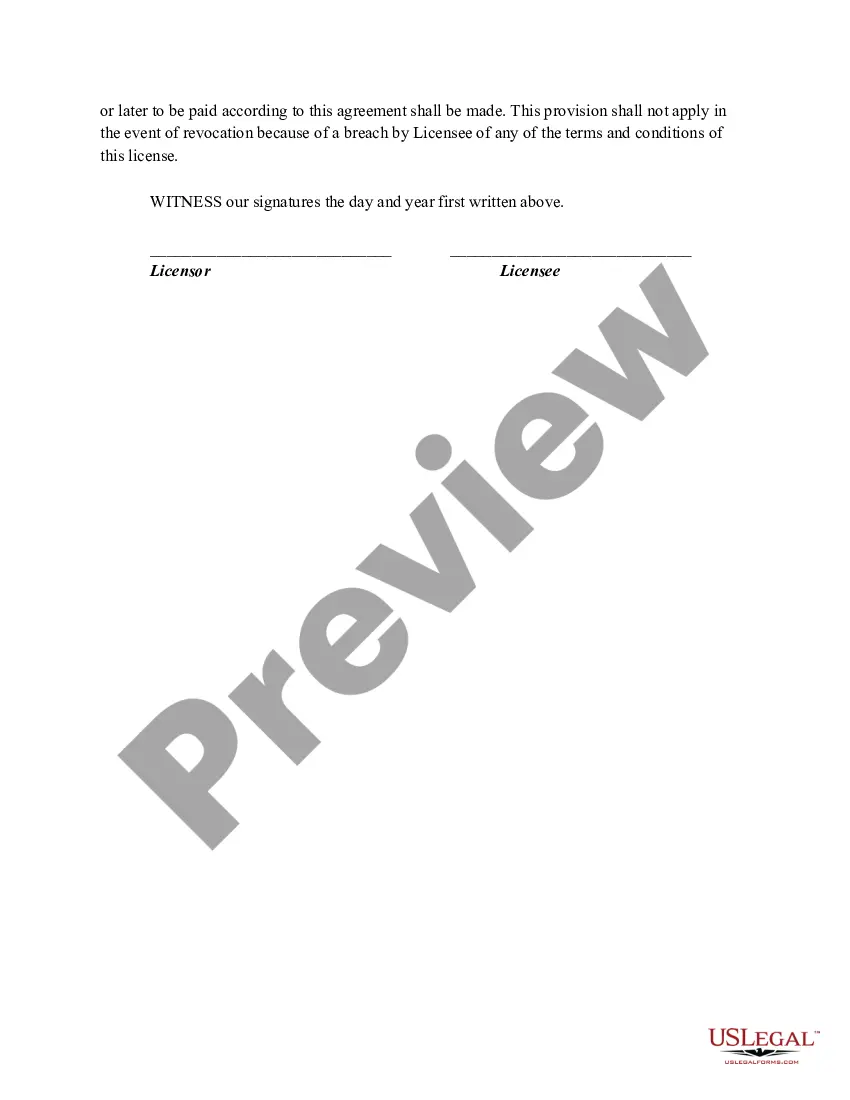
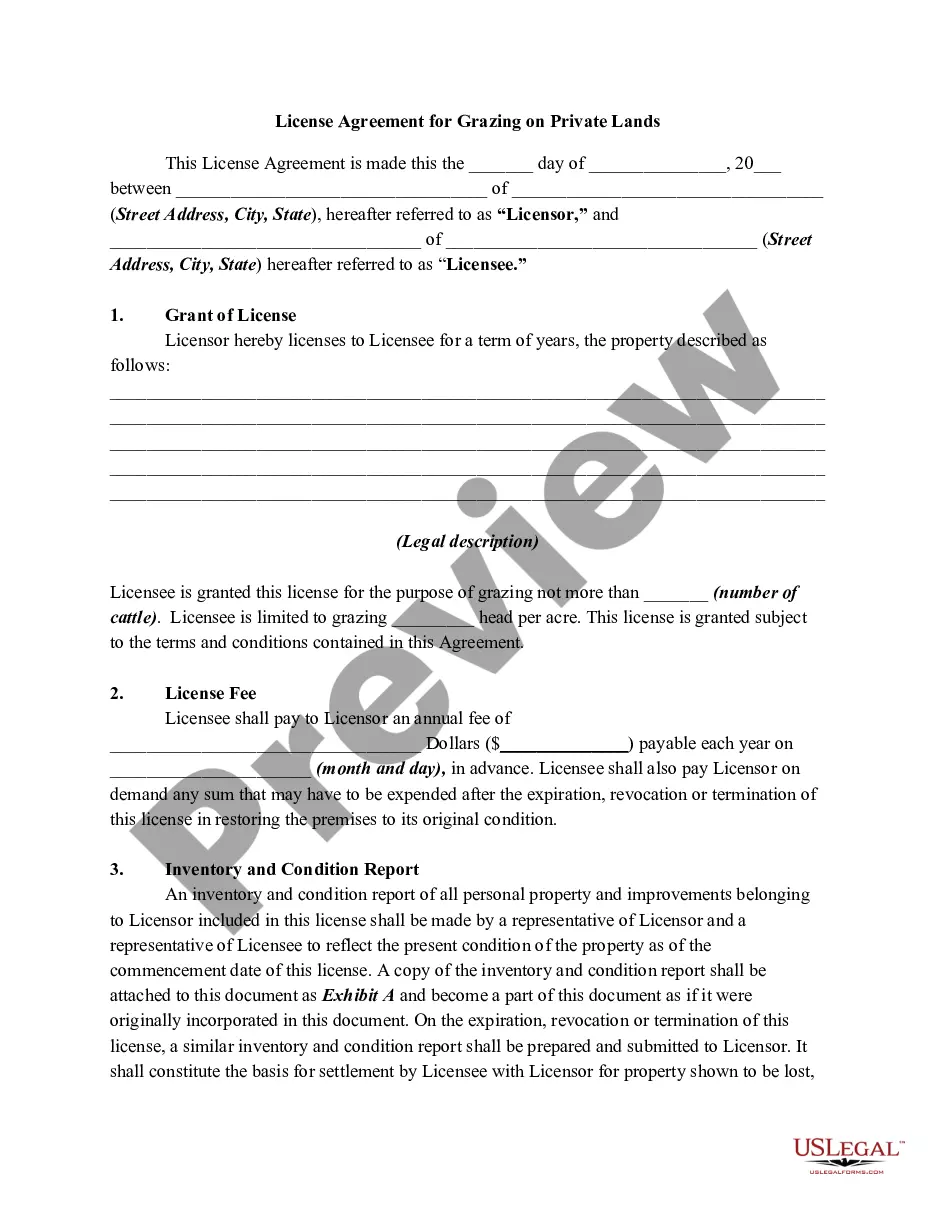
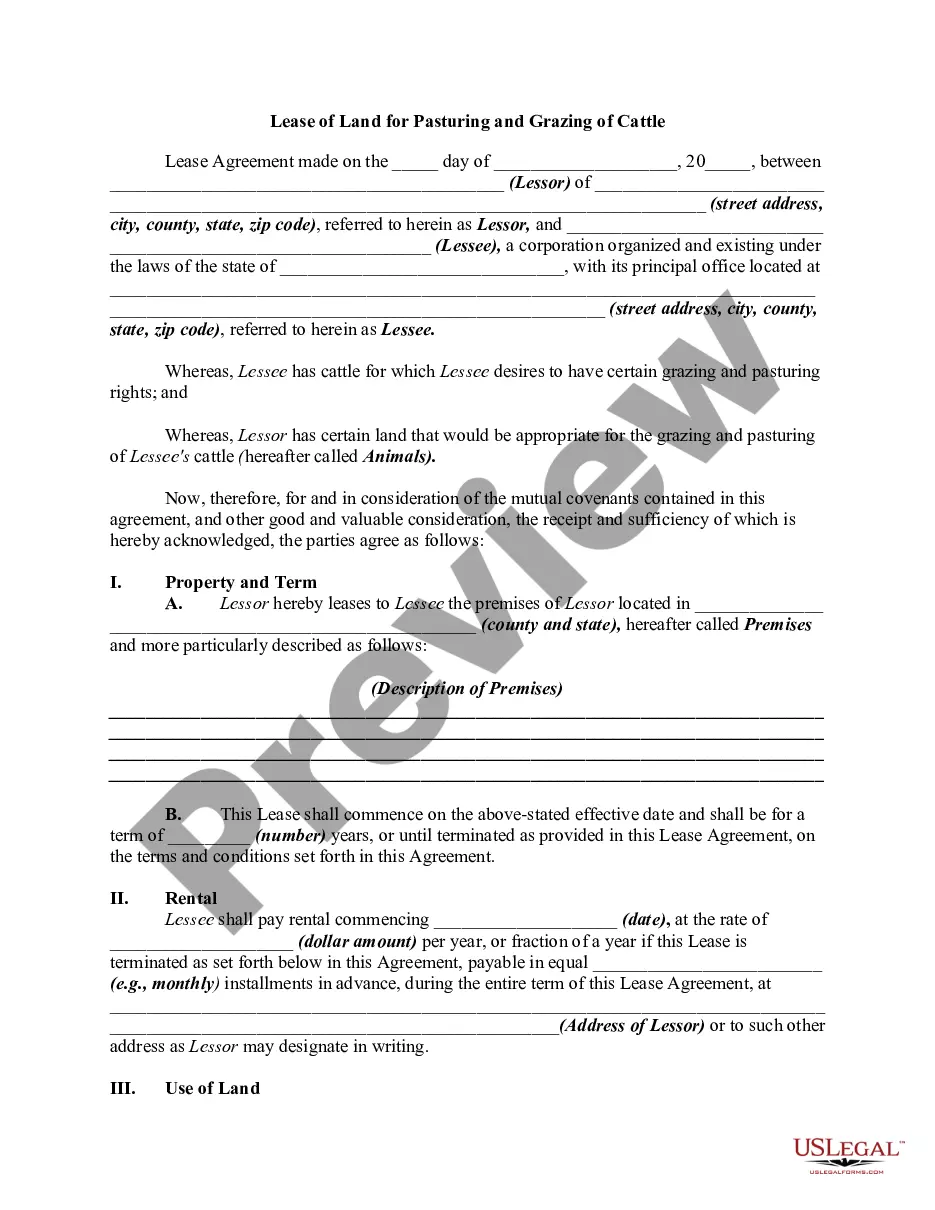
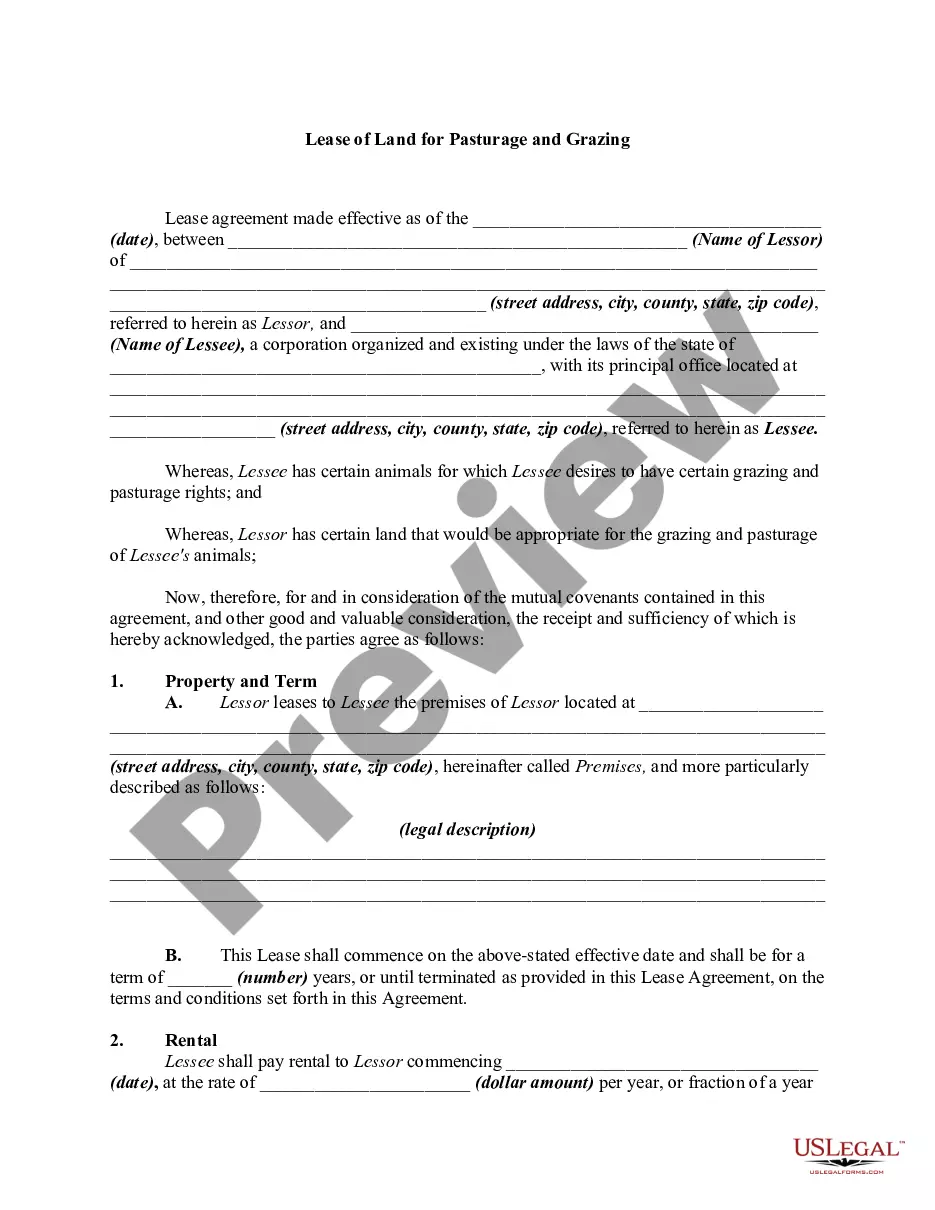
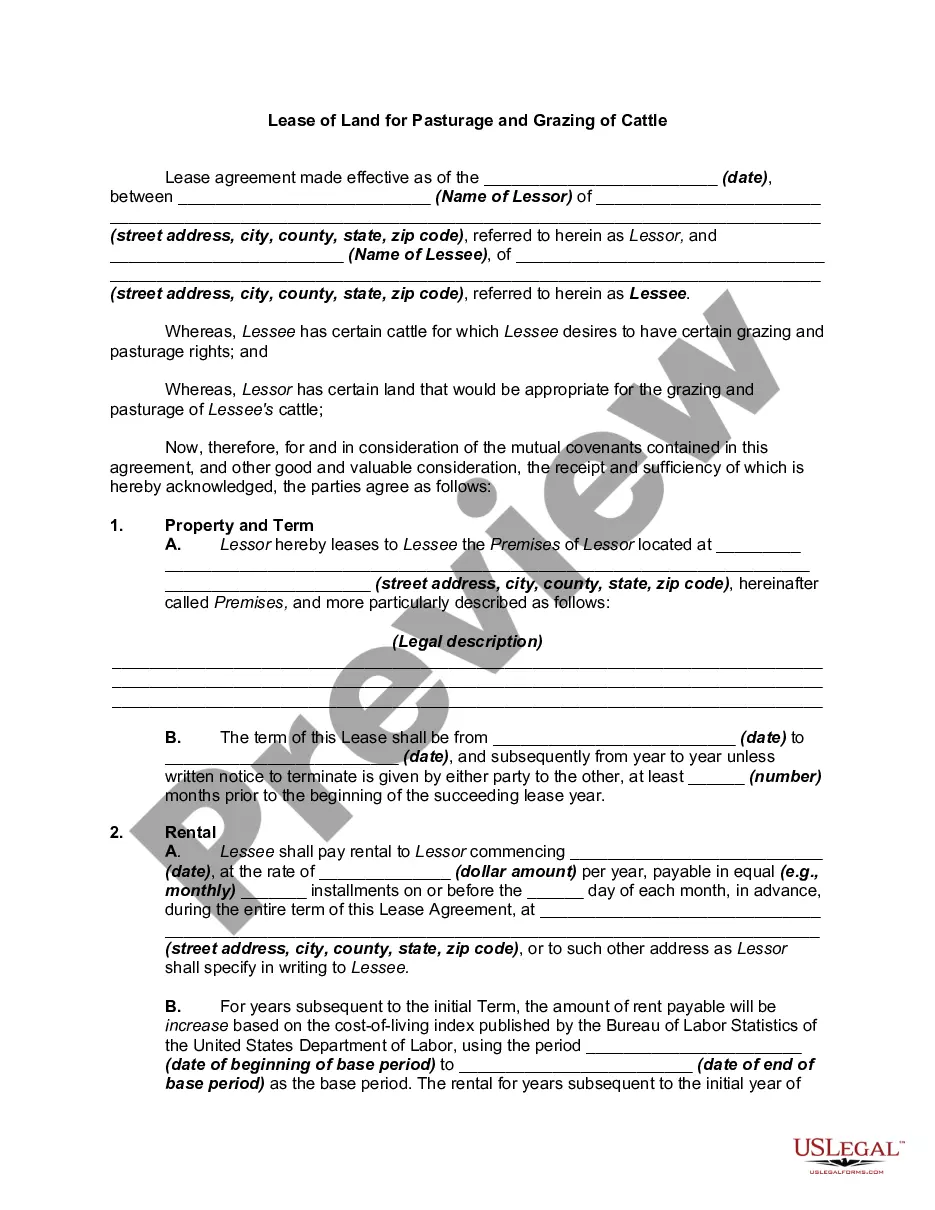
Get your form ready online
Our built-in tools help you complete, sign, share, and store your documents in one place.
Make edits, fill in missing information, and update formatting in US Legal Forms—just like you would in MS Word.
Download a copy, print it, send it by email, or mail it via USPS—whatever works best for your next step.
Sign and collect signatures with our SignNow integration. Send to multiple recipients, set reminders, and more. Go Premium to unlock E-Sign.
If this form requires notarization, complete it online through a secure video call—no need to meet a notary in person or wait for an appointment.
We protect your documents and personal data by following strict security and privacy standards.

Make edits, fill in missing information, and update formatting in US Legal Forms—just like you would in MS Word.

Download a copy, print it, send it by email, or mail it via USPS—whatever works best for your next step.

Sign and collect signatures with our SignNow integration. Send to multiple recipients, set reminders, and more. Go Premium to unlock E-Sign.

If this form requires notarization, complete it online through a secure video call—no need to meet a notary in person or wait for an appointment.

We protect your documents and personal data by following strict security and privacy standards.
Looking for another form?
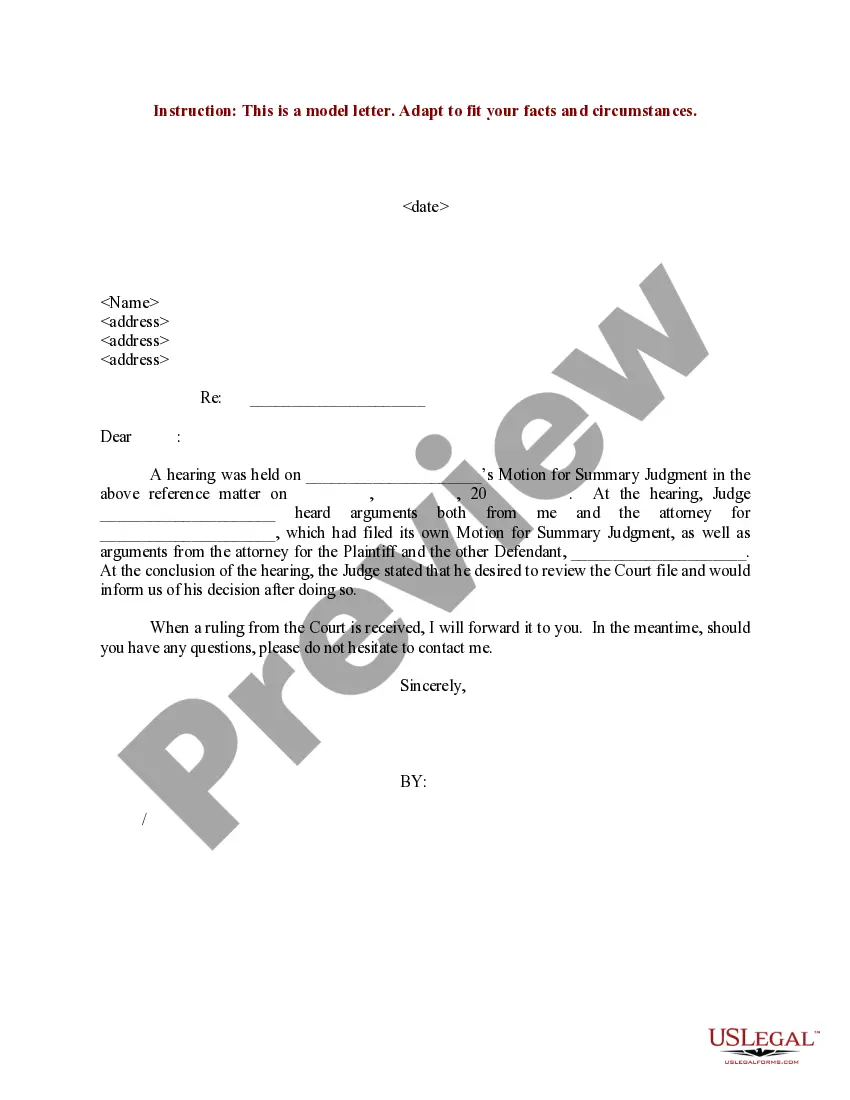






Form popularity
FAQ
All short-term rental and vacation rental properties must be licensed by the Department of Licensing and Consumer Protection (DLCP). Failure to obtain a license will result in enforcement action, including fines.
Short term rentals are allowed in the non-zoned areas of the County. Short term rentals are allowed by-right in Planned Commercial Development districts (PCD) and Residential Planned Unit Development districts (RPD). Short term rentals are allowed in Agricultural districts (A-1) by issuance of a Special Use Permit.
The District of Columbia's property management laws differ from those of the surrounding states. Property managers in D.C. are not required to hold a real estate brokers license. However, they are required to hold a valid property manager license issued by the District of Columbia Real Estate Commission.
If you are conducting business to or from the District, a Basic Business License may be required depending upon the business activity being conducted. Please review the directory to locate the applicable business category, based on the primary business activity conducted, to determine the requirements for licensure.
Key Differences With a lease, the occupier (tenant) is granted an exclusive right to occupy for a fixed period of time. On the other hand, a licence to occupy sees a personal permission granted to the licensee to occupy a property for certain agreed purposes which would otherwise be prohibited.
Whether you're managing your rental property on your own or hiring a property manager, you are required by the District of Columbia to have a business license.
You must register your residential rental property with the County even if you have registered your rental property with the municipality where it is located.
As a tenant, you are legally responsible for the lease agreement that you signed with the landlord and property owner. While you can choose to live with someone who is not on the lease, some potential complications and risks come with this choice. The landlord could choose to have the non-tenant evicted.
At the bare minimum, a rental agreement or lease should identify the leased property, state the names of all parties to the lease, the names of all occupants, the beginning date, when the contract expires, the amount of rent, when rent is due, when rent is late, and what happens if the tenant stays in the property ...
